When the leaves drop and the first frost hits Pennsylvania, people aren’t the only ones looking for a warm place to stay. Spiders, insects, and even a few snakes start squeezing through cracks, vents, and gaps to escape the chill.
Most of them want nothing to do with you, but a few can deliver a painful bite or sting if they feel trapped. Knowing who might be hiding in your basement or attic this winter can help you stay safe and calm.
1. Brown Recluse Spider
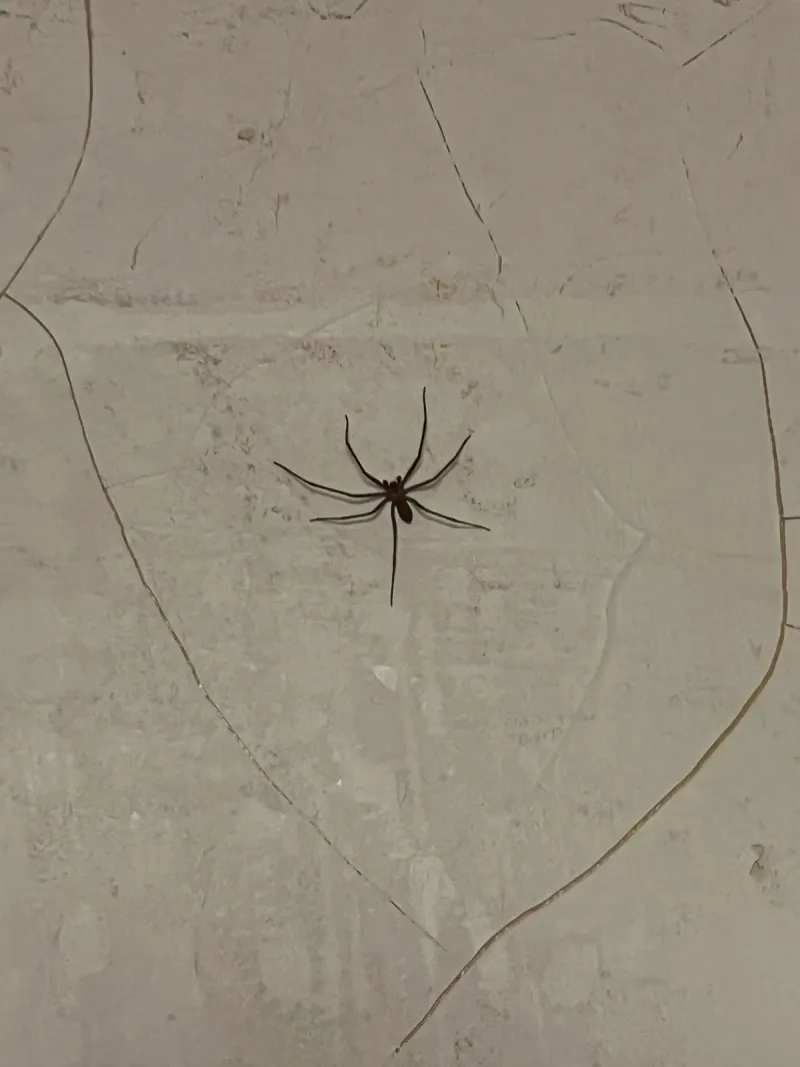
Picture a cardboard box of holiday decorations that hasn’t been touched since last January. That quiet, dusty corner is exactly the kind of hideout a brown recluse loves.
Although rare in Pennsylvania, these spiders do show up, often hitching rides in moving boxes or shipments from southern states.
You can spot one by the dark violin shape on its back and its six eyes arranged in pairs, instead of the usual eight. The bite is often painless at first.
Over the next day or two, though, it can turn into a sore that slowly breaks down the skin.
Shake out stored clothes, gloves, and shoes before using them. Sealing storage items in plastic bins instead of cardboard is a smart move too.
If a bite starts spreading or turning dark, see a doctor right away.
2. Northern Black Widow
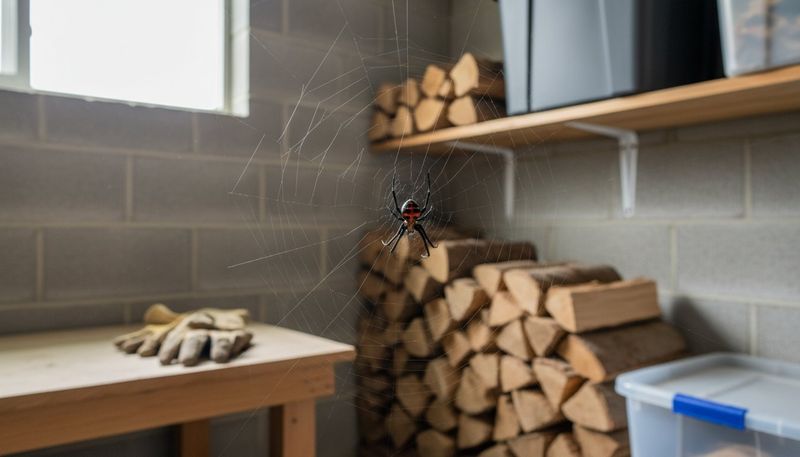
Glossy, jet black, and marked with a red hourglass, the northern black widow looks like it belongs in a horror movie. Pennsylvania’s version often has a broken hourglass, split into two red spots.
Garages, woodpiles, and crawl spaces become its winter retreats.
Her venom is a neurotoxin, and ounce for ounce it is stronger than a rattlesnake’s. Thankfully, she injects only a tiny amount, and serious cases are uncommon.
Symptoms can include muscle cramps, sweating, and stomach pain.
Fun fact: the males are much smaller and rarely bite at all. Wear gloves when grabbing firewood, and you’ll avoid most close encounters with this famous spider.
3. Yellow Jacket Queen
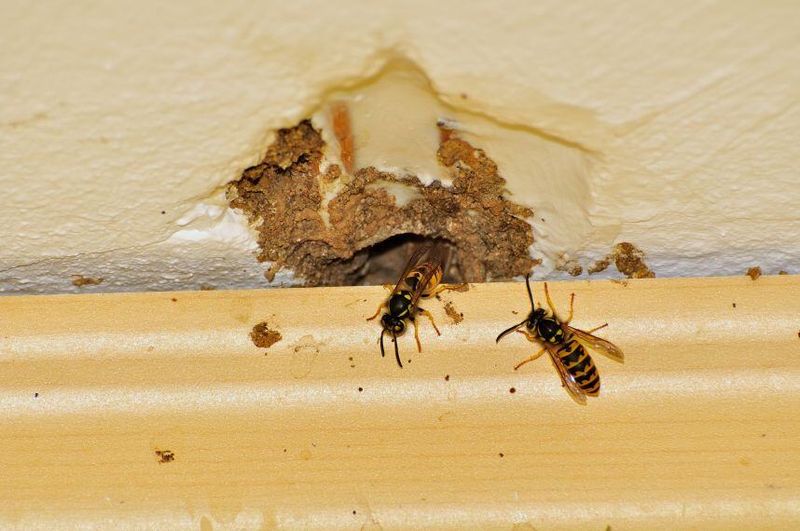
Ever found a sleepy wasp buzzing slowly against a window in November? Odds are it’s a yellow jacket queen.
Worker wasps die off when the cold arrives, but freshly mated queens search for a sheltered spot to spend the winter.
Wall voids, attics, and the gaps around window frames suit them perfectly. On warm winter days, heat from your house can wake them up and send them wandering into living spaces.
A drowsy queen can still sting, and unlike honeybees, she can sting more than once.
For people with allergies, even one sting can be serious. Caulk gaps around windows and siding in early fall.
If a queen gets inside, trap her under a cup and slide a piece of paper underneath to move her out.
4. House Centipede
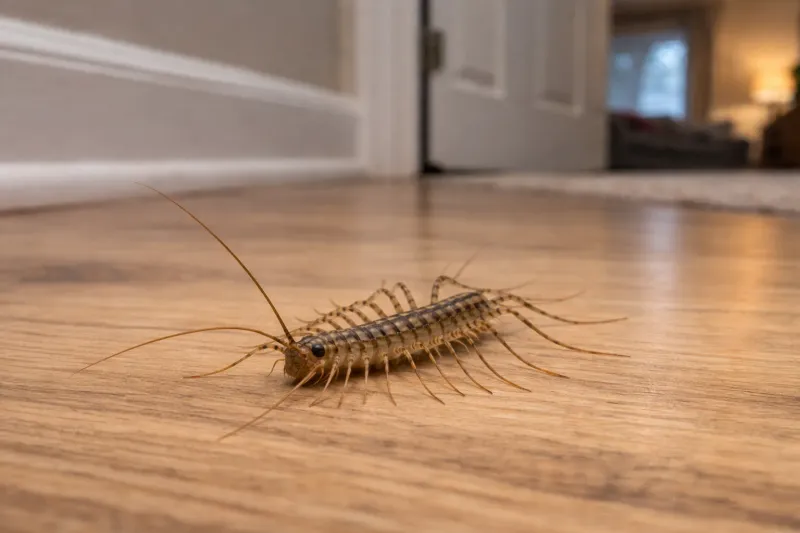
Few things make a person shriek louder than a house centipede racing across the bathroom floor at midnight. With fifteen pairs of long, striped legs, it moves like a tiny ghost.
Yes, it carries venom, which it uses to knock out its prey.
Here’s the twist. Those prey are cockroaches, silverfish, spiders, and bed bugs.
In a way, this leggy hunter is a free pest control service living in your walls.
Bites to humans are rare and usually feel like a mild bee sting. They happen mostly when someone grabs or steps on one.
Dehumidifiers help keep them away, since they love damp basements and bathrooms.
5. Timber Rattlesnake
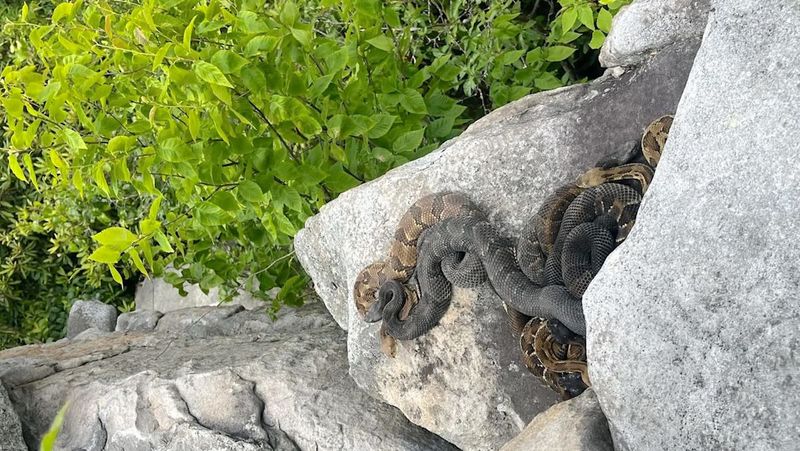
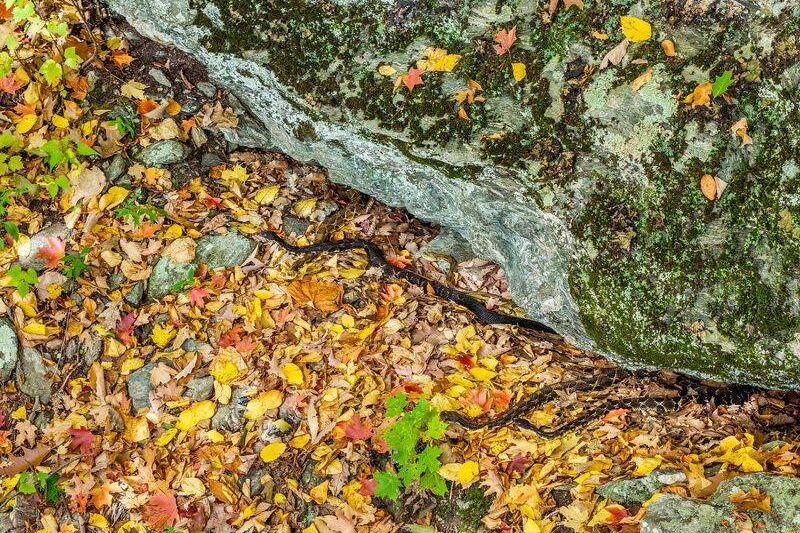
Pennsylvania’s largest venomous snake doesn’t usually come knocking. Timber rattlesnakes spend winter in rocky dens on wooded hillsides, often sharing them with dozens of other snakes.
Homes near mountain ridges, however, sometimes get surprise visitors in early fall.
Stone foundations, crawl spaces under cabins, and cluttered sheds can look a lot like a den to a snake hunting for shelter. Their bite is dangerous and needs emergency care.
Still, these snakes are calm by nature and usually rattle loudly before striking.
Timber rattlers are a protected species in the state, so never try to kill one. Back away and call the Pennsylvania Fish and Boat Commission or a wildlife removal pro.
Keeping brush and rock piles away from your house makes your property less inviting.
6. Northern Copperhead
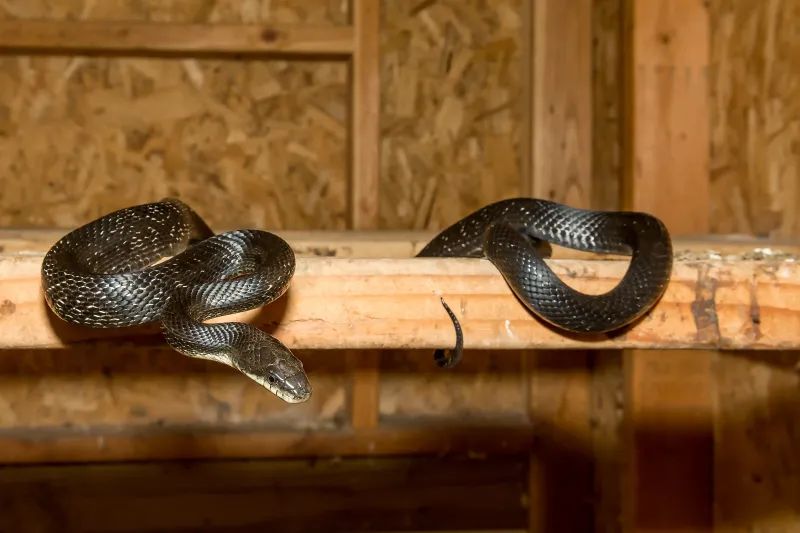
Copper-colored and patterned with dark hourglass bands, the northern copperhead blends into fallen leaves almost perfectly. That camouflage is exactly why people step close without noticing.
In southern and central Pennsylvania, these snakes sometimes slip into basements through window wells or foundation cracks as temperatures drop.
A copperhead bite hurts a lot and causes swelling, but it is rarely deadly. Even so, every bite deserves a trip to the hospital.
Young copperheads have bright yellow tail tips that they wiggle to lure frogs, a neat trick worth knowing.
Check window wells in the fall and cover them with sturdy grates. Seal any gaps larger than a quarter inch.
A flashlight on evening walks around the yard is also a cheap safety tool.
7. Yellow Sac Spider
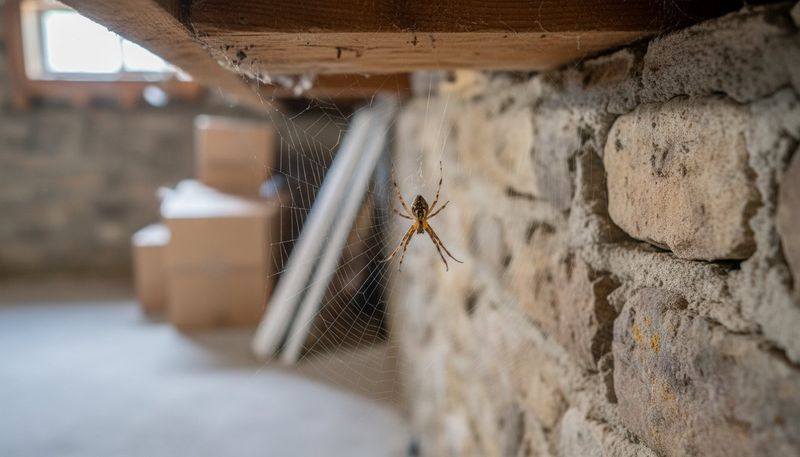
Small, pale, and fast, the yellow sac spider is one of the most common biters found inside Pennsylvania homes. It doesn’t build a web for catching food.
Instead, it roams at night and spins a tiny silk pouch in ceiling corners to rest in during the day.
Many bites blamed on brown recluses actually come from this little wanderer. Because it crawls around at night, it sometimes ends up in beds or clothing.
The bite stings and can leave a red, itchy bump that heals in a week or so.
Vacuuming ceiling corners and keeping beds away from walls cuts down on run-ins. Shaking out clothes left on the floor helps too.
Simple habits like these go a long way toward a bite-free winter.
Share this story