When the air turns crisp in South Carolina, you might think the bugs and snakes are packing up for winter. The truth is that late fall can bring some of the most surprising visitors right up to your porch, woodpile, and garage.
Many venomous creatures go on the move this time of year, looking for warm places to hide before the cold sets in. Knowing who might show up, and where, can help you keep your family and pets safe.
1. Copperheads
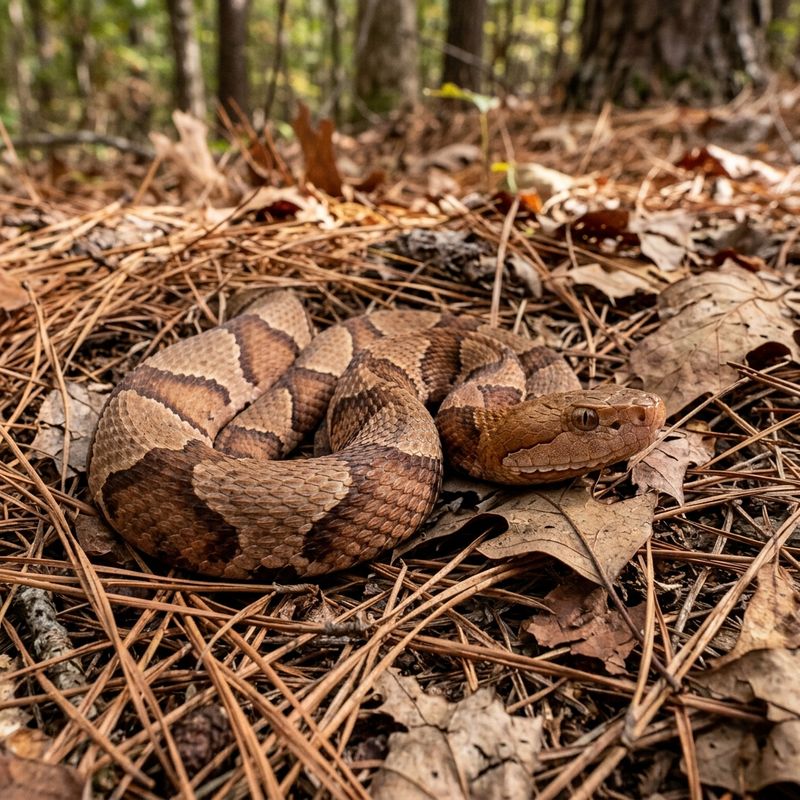
Picture yourself raking a pile of crunchy oak leaves on a cool November afternoon. Hidden right in that pile could be a copperhead, blending in so well you would never spot it.
Its tan and copper hourglass bands look almost exactly like dead leaves.
Copperheads are the most common venomous snake in South Carolina, and fall is a busy season for them. Young snakes born in late summer are out exploring, and adults are heading toward rocky spots or old stumps where they spend winter.
That trip often takes them right through suburban yards.
Wear thick gloves and use a rake instead of your hands when clearing leaves. Fun fact: baby copperheads have bright yellow tail tips they wiggle to lure frogs closer.
2. Timber Rattlesnakes
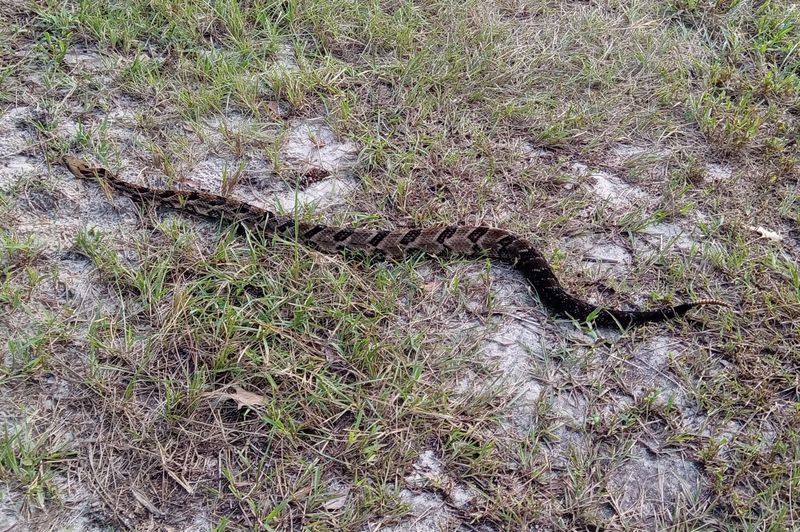
Folks in the Lowcountry call it the canebrake rattler, and it carries a quiet kind of respect. This big, heavy snake can grow over five feet long.
Its pinkish-tan body with dark zigzag bands and a rusty stripe down the back makes it unforgettable.
In autumn, timber rattlesnakes travel to their winter dens, sometimes covering surprising distances. Homes near woods, swamps, or farmland can see one crossing the lawn or resting by a sunny wall.
They usually prefer to stay still and hope you walk past.
Give them plenty of room and never try to move one yourself. Call a wildlife removal pro if one sets up camp near your door.
3. Eastern Diamondback Rattlesnakes
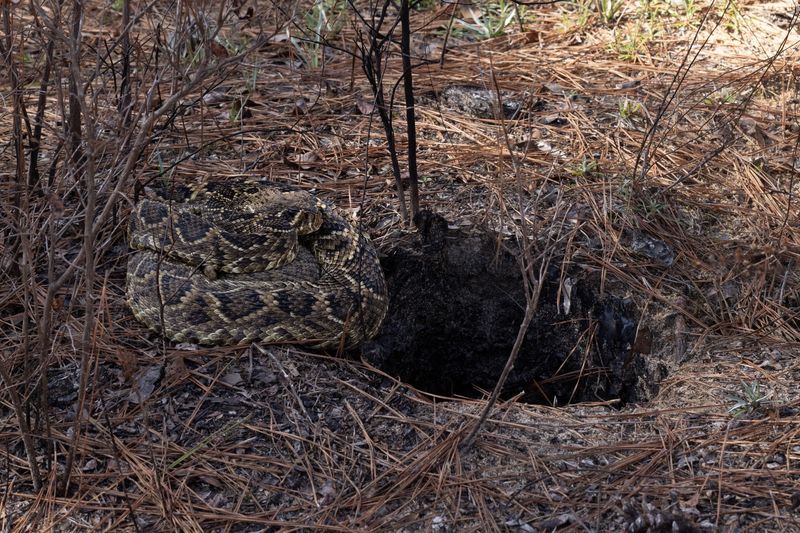
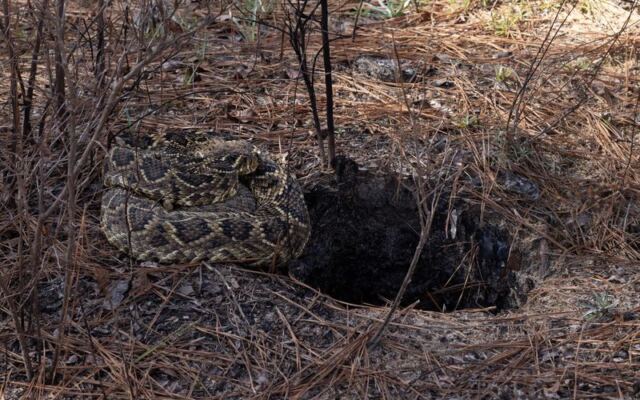
North America’s heaviest venomous snake lives right here in coastal South Carolina. The eastern diamondback wears a stunning pattern of dark diamonds outlined in cream.
Seeing one is rare, but it is a moment you will never forget.
On sunny fall days, these snakes like to bask in open, sandy spots to soak up warmth. Then they slip into gopher tortoise burrows, stump holes, or brush piles for the winter.
Yards that border pine flatwoods are the likeliest to get a visit.
A diamondback’s rattle is a clear warning, so back away slowly. Keep grass short along your property line, since tall cover gives them a place to linger.
4. Pygmy Rattlesnakes

Small but feisty, that is the best way to describe the pygmy rattler. Most adults are barely longer than a ruler.
Their tiny rattle sounds more like a buzzing insect than a warning, so many people never hear it.
Pygmies love pine straw, mulch beds, and the edges of ponds. In late fall, they may tuck into garden borders or under landscape timbers where heat lingers.
Gardeners pulling weeds are the most likely to have a close call.
A bite is painful but rarely deadly for adults. Still, it needs a doctor’s attention, so look before you reach into mulch.
5. Cottonmouths

Live near a pond, ditch, or marsh? Then you may already know about the cottonmouth.
When threatened, it opens its mouth wide to show a bright white lining, a warning that is hard to misread.
As water cools, cottonmouths leave the shoreline and look for shelter in nearby banks, logs, and even crawl spaces. Homes along retention ponds in newer neighborhoods see more of them than you might guess.
They tend to hold their ground rather than flee.
Plenty of harmless water snakes get mistaken for cottonmouths. Even so, treat any thick, dark snake by water with caution and keep pets on a leash near the bank.
6. Black Widow Spiders
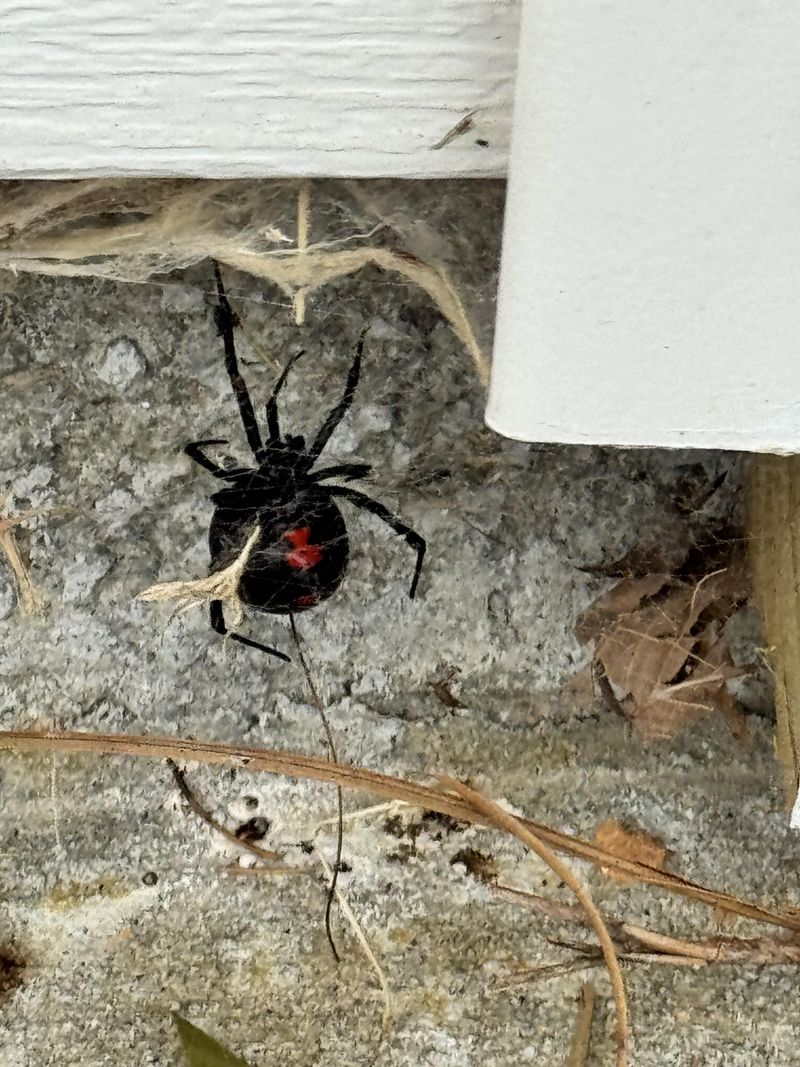
Here is a fall chore with a hidden risk: bringing in firewood. Black widows love the dark gaps between stacked logs.
That shiny black body and red hourglass are classic, but you often will not see them until your hand is right there.
When nights get chilly, widows also slip into garages, sheds, and outdoor storage bins. Their messy, tangled webs usually sit low and close to the ground.
Only females carry dangerous venom, and they are not aggressive unless pressed.
Shake out gloves and boots stored in the garage before using them. Stack firewood off the ground and away from your house walls.
7. Brown Recluse Spiders
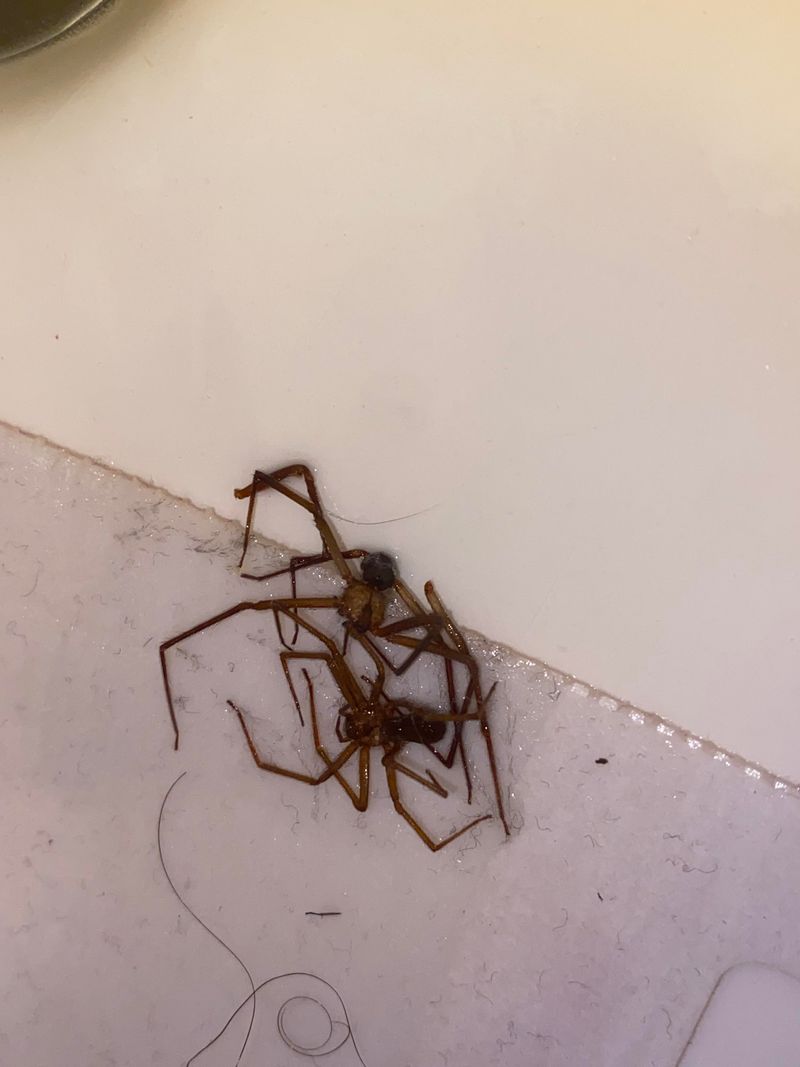
Honestly, the brown recluse has a bigger reputation than its real presence in South Carolina. Sightings are uncommon here, but they do happen, often in boxes shipped or moved from other states.
Look for a violin-shaped mark on its back and six eyes instead of eight.
Fall is when people haul out holiday decorations, and that is when recluses tucked inside dusty boxes get disturbed. They prefer quiet, cluttered spots like attics and closets.
Bites usually happen when a spider gets trapped against skin.
Use plastic bins with tight lids instead of cardboard. If you get a bite that turns into a spreading sore, see a doctor quickly.
8. Southern Devil Scorpions

Did you know South Carolina has its own scorpion? The southern devil scorpion is small, brownish, and usually less than two and a half inches long.
Many residents are shocked the first time they find one.
These little hunters live under bark, rocks, and leaf litter, especially in the Upstate. As temperatures drop, they may crawl indoors through cracks, showing up in basements or bathtubs.
Their sting feels like a bee sting and is not considered dangerous for most people.
Seal gaps around doors and foundations to keep them out. Fun fact: scorpions glow bright blue-green under a black light.
9. Yellow Jackets
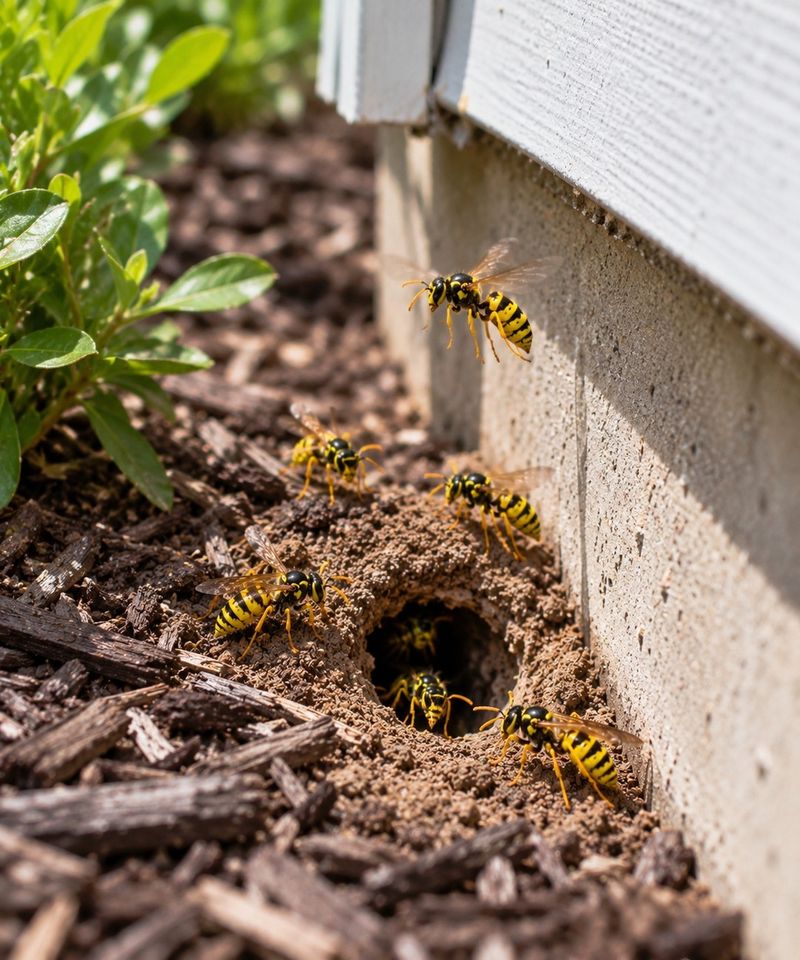
Ever had a picnic ruined by a buzzing gang that would not leave your soda alone? That is late fall yellow jacket behavior in a nutshell.
Their colonies are at peak size right now, sometimes holding thousands of workers.
As natural food runs low, they turn bold and hungry, chasing sweets and meats at cookouts and football tailgates. Many nest underground, so mowing over a hole can set off a furious swarm.
Unlike honeybees, they can sting again and again.
Keep drinks covered and trash cans sealed. The good news is that the first hard freeze wipes out most of the colony, leaving only the queens to hide until spring.
Share this story