Get the latest garden guides in your inbox →
Gardening Latest
  • General Gardening
  • Lawn Care
  • Plant Care
  • Composting
  • Soil Health
  • Backyard
  • Garden Muse Magazine
  • General Gardening
  • Lawn Care
  • Plant Care
  • Composting
  • Soil Health
  • Backyard
  • Garden Muse Magazine
  • News
  • Gardening Calendar
  • Garden Structures
  • Vegetable Garden
  • Vertical Garden
  • Raised Beds
  • Hydroponics
  • General Equipment
  • Community Gardens
Garden Themes
  • Spiritual Garden
  • Hydroseeding
  • Seeding and Laying Sod
  • Artificial Grass
  • Lawn Care Equipment
  • Plants
  • Trees
  • Planting Tools
  • Composting Basics
  • Fertilizer
  • Alternative Growing Mediums
  • Front Yard
  • Backyard Activities
  • Landscaping
Gardening Latest

Explore by state

Which state is your garden in?

Currently viewing South Carolina

All states

Northeast

  • Connecticut —
  • Delaware 33
  • Maine —
  • Maryland 19
  • Massachusetts 35
  • New Hampshire —
  • New Jersey 19
  • New York 28
  • Pennsylvania 28
  • Rhode Island —
  • Vermont —

Southeast

  • Alabama 19
  • Arkansas —
  • Florida 19
  • Georgia 19
  • Kentucky 33
  • Louisiana 18
  • Mississippi —
  • North Carolina 17
  • South Carolina 32
  • Tennessee 16
  • Virginia 18
  • West Virginia —

Midwest

  • Illinois 18
  • Indiana 20
  • Iowa 32
  • Kansas —
  • Michigan 19
  • Minnesota 18
  • Missouri 18
  • Nebraska —
  • North Dakota —
  • Ohio 19
  • South Dakota —
  • Wisconsin 34

Southwest

  • Arizona 19
  • Colorado —
  • Nevada —
  • New Mexico —
  • Oklahoma —
  • Texas 18
  • Utah —

West

  • Alaska —
  • California 19
  • Hawaii —
  • Idaho —
  • Montana —
  • Oregon —
  • Washington —
  • Wyoming —

No state matches that search.

Site menu

Gardening Latest
  • General Gardening
    • News
    • Gardening Calendar
    • Garden Structures
    • Vegetable Garden
    • Vertical Garden
    • Raised Beds
    • Hydroponics
    • General Equipment
    • Community Gardens
    Garden Themes
    • Spiritual Garden
  • Lawn Care
    • Hydroseeding
    • Seeding and Laying Sod
    • Artificial Grass
    • Lawn Care Equipment
  • Plant Care
    • Plants
    • Trees
    • Planting Tools
  • Composting
    • Composting Basics
  • Soil Health
    • Fertilizer
    • Alternative Growing Mediums
  • Backyard
    • Front Yard
    • Backyard Activities
    • Landscaping
  • Garden Muse Magazine

Explore

  • About GardeningLatest.com
  • Contact Us

Get the latest from the garden

New guides on lawn care, plants and backyard projects, sent when they go up.

Subscribe →

Follow

  • Facebook
  • X
  • Pinterest
  • YouTube
South Carolina Gardening

Late Fall In South Carolina Is When Venomous Critters Start Showing Up Around Your Yard

When the air turns crisp in South Carolina, you might think the bugs and snakes are packing up for winter.

BR

By Beau Rutledge

November 25, 2026 · 5 min read

Late Fall In South Carolina Is When Venomous Critters Start Showing Up Around Your Yard

When the air turns crisp in South Carolina, you might think the bugs and snakes are packing up for winter. The truth is that late fall can bring some of the most surprising visitors right up to your porch, woodpile, and garage.

Many venomous creatures go on the move this time of year, looking for warm places to hide before the cold sets in. Knowing who might show up, and where, can help you keep your family and pets safe.

At a glance

Where
South Carolina Gardening
Hardiness zone
8 10 to 20°F
Read
5 minutes
Published
November 25, 2026

1. Copperheads

Copperheads
© Snake Removal Mooresville NC

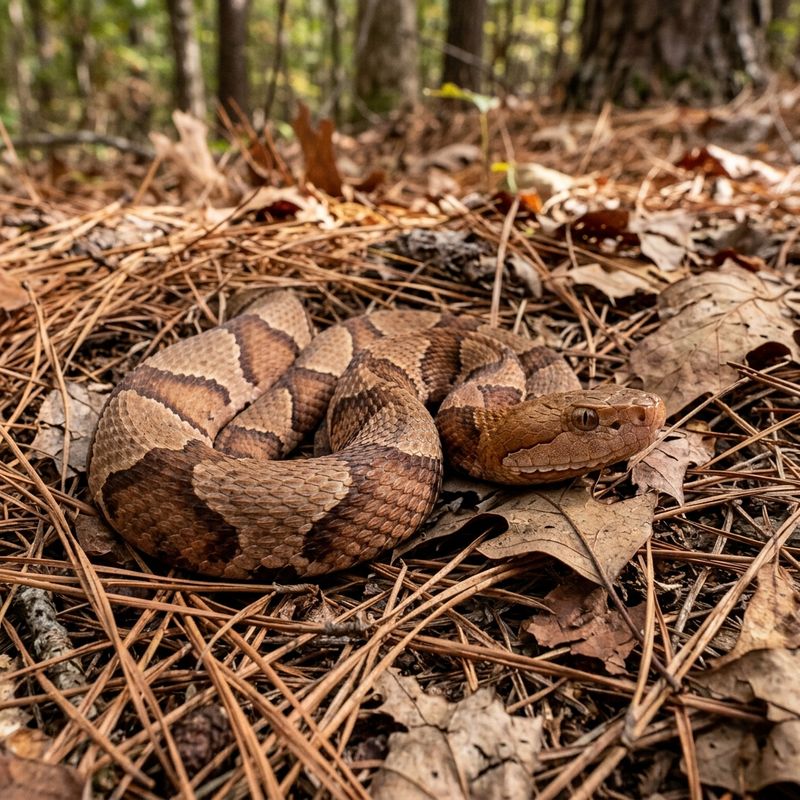
Picture yourself raking a pile of crunchy oak leaves on a cool November afternoon. Hidden right in that pile could be a copperhead, blending in so well you would never spot it.

Its tan and copper hourglass bands look almost exactly like dead leaves.

Copperheads are the most common venomous snake in South Carolina, and fall is a busy season for them. Young snakes born in late summer are out exploring, and adults are heading toward rocky spots or old stumps where they spend winter.

That trip often takes them right through suburban yards.

Wear thick gloves and use a rake instead of your hands when clearing leaves. Fun fact: baby copperheads have bright yellow tail tips they wiggle to lure frogs closer.

2. Timber Rattlesnakes
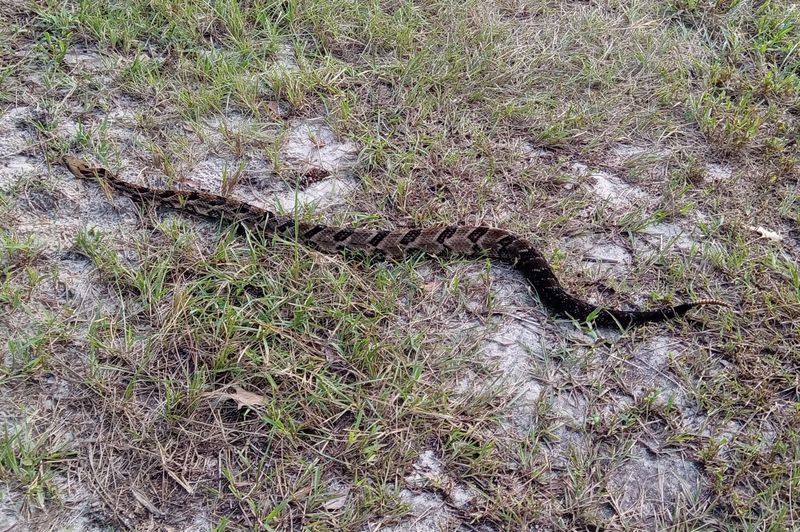
Timber Rattlesnakes
© Clemson HGIC – Clemson University

Folks in the Lowcountry call it the canebrake rattler, and it carries a quiet kind of respect. This big, heavy snake can grow over five feet long.

Its pinkish-tan body with dark zigzag bands and a rusty stripe down the back makes it unforgettable.

In autumn, timber rattlesnakes travel to their winter dens, sometimes covering surprising distances. Homes near woods, swamps, or farmland can see one crossing the lawn or resting by a sunny wall.

They usually prefer to stay still and hope you walk past.

Give them plenty of room and never try to move one yourself. Call a wildlife removal pro if one sets up camp near your door.

3. Eastern Diamondback Rattlesnakes
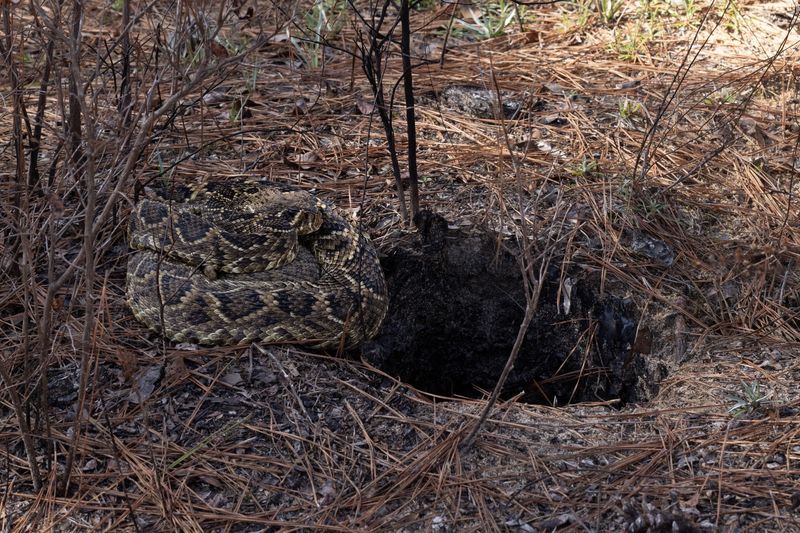
Eastern Diamondback Rattlesnakes
© nkfherping

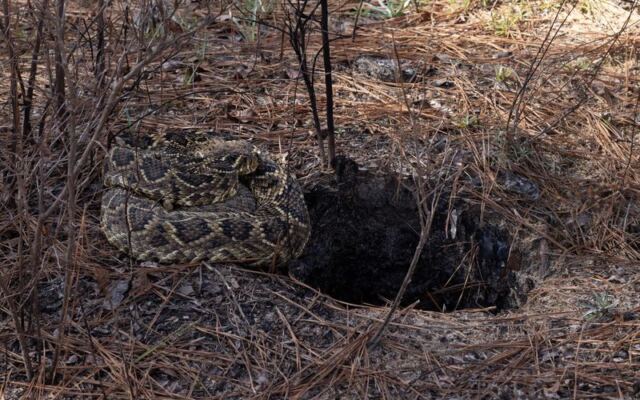
North America’s heaviest venomous snake lives right here in coastal South Carolina. The eastern diamondback wears a stunning pattern of dark diamonds outlined in cream.

Seeing one is rare, but it is a moment you will never forget.

When nights get chilly, widows also slip into garages, sheds, and outdoor storage bins.

On sunny fall days, these snakes like to bask in open, sandy spots to soak up warmth. Then they slip into gopher tortoise burrows, stump holes, or brush piles for the winter.

Yards that border pine flatwoods are the likeliest to get a visit.

A diamondback’s rattle is a clear warning, so back away slowly. Keep grass short along your property line, since tall cover gives them a place to linger.

4. Pygmy Rattlesnakes

Pygmy Rattlesnakes
© Reptiles of North Carolina

Small but feisty, that is the best way to describe the pygmy rattler. Most adults are barely longer than a ruler.

Their tiny rattle sounds more like a buzzing insect than a warning, so many people never hear it.

Pygmies love pine straw, mulch beds, and the edges of ponds. In late fall, they may tuck into garden borders or under landscape timbers where heat lingers.

Gardeners pulling weeds are the most likely to have a close call.

A bite is painful but rarely deadly for adults. Still, it needs a doctor’s attention, so look before you reach into mulch.

5. Cottonmouths

Cottonmouths
© The Greenville News

Live near a pond, ditch, or marsh? Then you may already know about the cottonmouth.

When threatened, it opens its mouth wide to show a bright white lining, a warning that is hard to misread.

As water cools, cottonmouths leave the shoreline and look for shelter in nearby banks, logs, and even crawl spaces. Homes along retention ponds in newer neighborhoods see more of them than you might guess.

They tend to hold their ground rather than flee.

Plenty of harmless water snakes get mistaken for cottonmouths. Even so, treat any thick, dark snake by water with caution and keep pets on a leash near the bank.

6. Black Widow Spiders
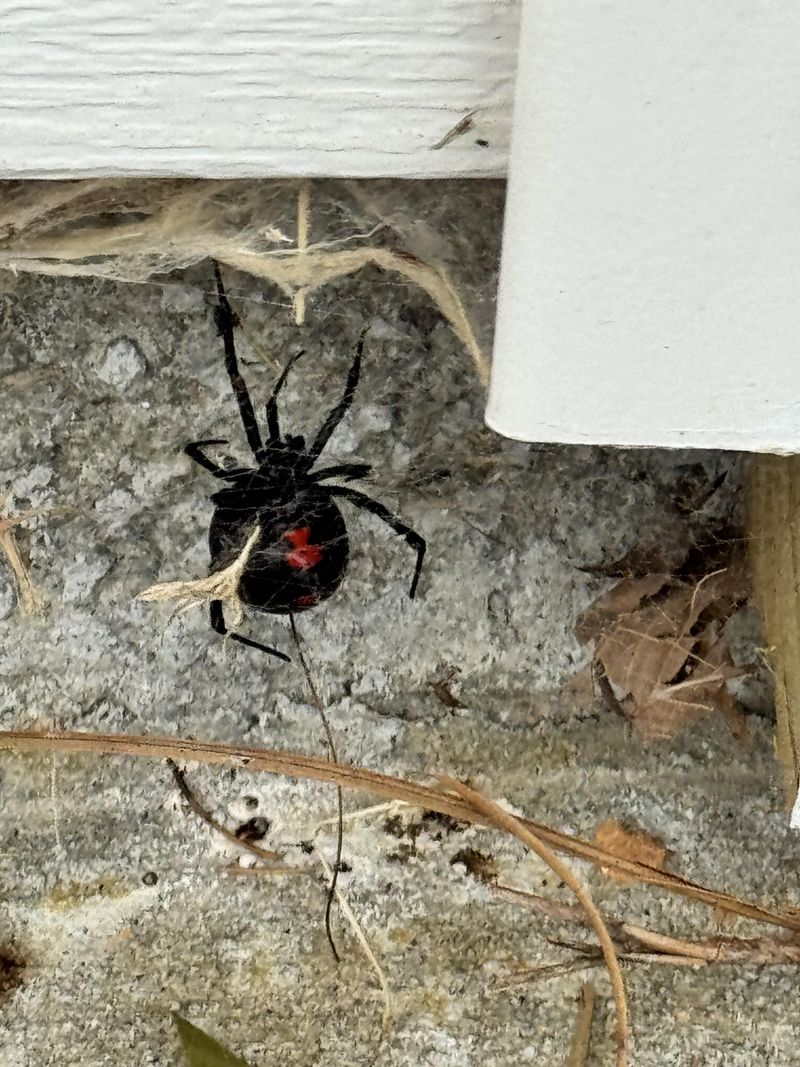
Black Widow Spiders
© Reddit

Here is a fall chore with a hidden risk: bringing in firewood. Black widows love the dark gaps between stacked logs.

That shiny black body and red hourglass are classic, but you often will not see them until your hand is right there.

When nights get chilly, widows also slip into garages, sheds, and outdoor storage bins. Their messy, tangled webs usually sit low and close to the ground.

Only females carry dangerous venom, and they are not aggressive unless pressed.

Shake out gloves and boots stored in the garage before using them. Stack firewood off the ground and away from your house walls.

7. Brown Recluse Spiders
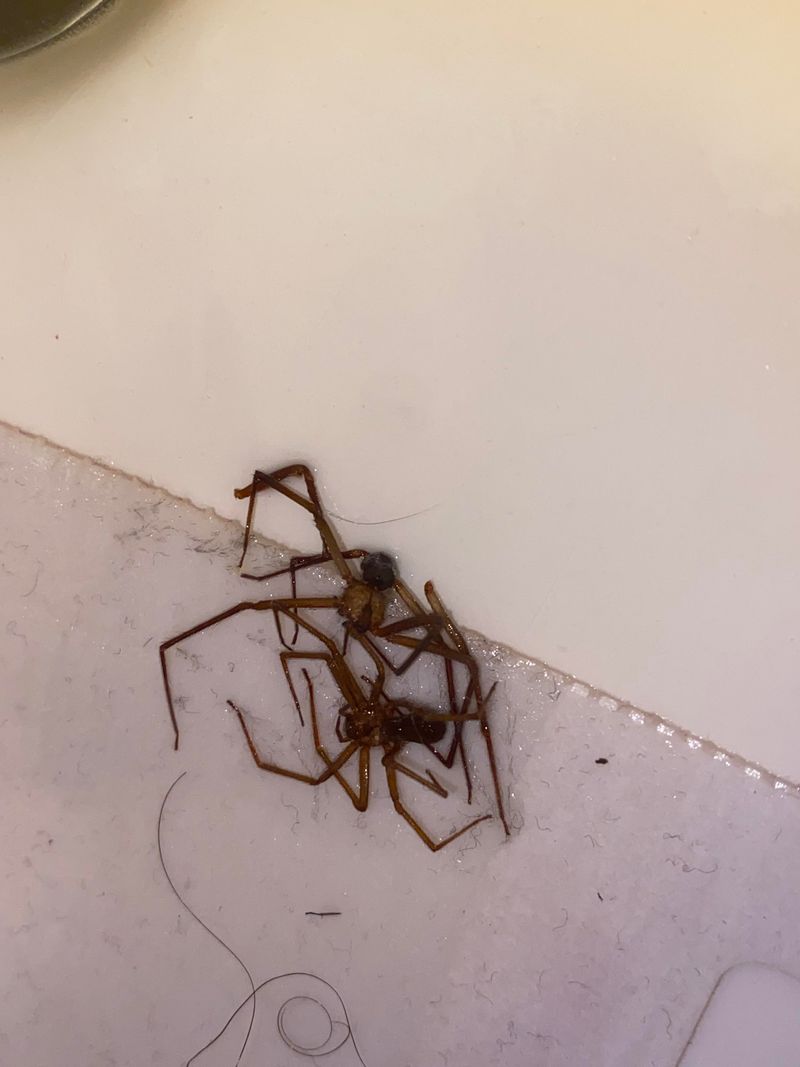
Brown Recluse Spiders

Honestly, the brown recluse has a bigger reputation than its real presence in South Carolina. Sightings are uncommon here, but they do happen, often in boxes shipped or moved from other states.

Look for a violin-shaped mark on its back and six eyes instead of eight.

Fall is when people haul out holiday decorations, and that is when recluses tucked inside dusty boxes get disturbed. They prefer quiet, cluttered spots like attics and closets.

Bites usually happen when a spider gets trapped against skin.

Use plastic bins with tight lids instead of cardboard. If you get a bite that turns into a spreading sore, see a doctor quickly.

8. Southern Devil Scorpions

Southern Devil Scorpions
© Spiders of North Carolina

Did you know South Carolina has its own scorpion? The southern devil scorpion is small, brownish, and usually less than two and a half inches long.

Many residents are shocked the first time they find one.

These little hunters live under bark, rocks, and leaf litter, especially in the Upstate. As temperatures drop, they may crawl indoors through cracks, showing up in basements or bathtubs.

Their sting feels like a bee sting and is not considered dangerous for most people.

Seal gaps around doors and foundations to keep them out. Fun fact: scorpions glow bright blue-green under a black light.

9. Yellow Jackets
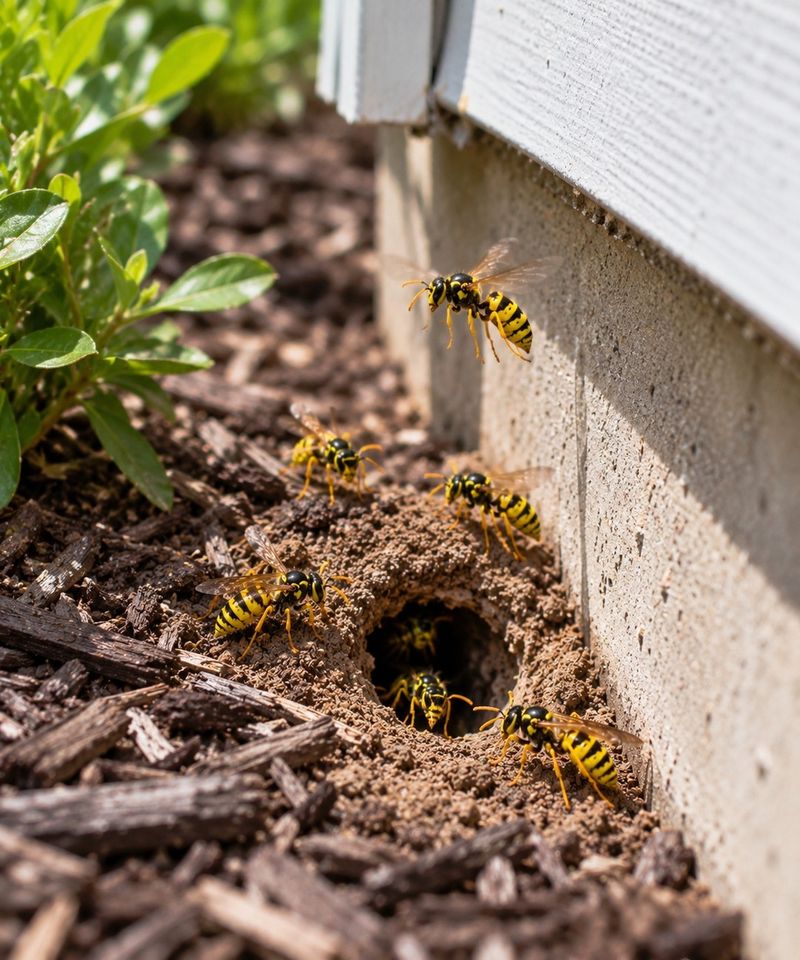
Yellow Jackets
© hunt_country_wildlife_

Ever had a picnic ruined by a buzzing gang that would not leave your soda alone? That is late fall yellow jacket behavior in a nutshell.

Their colonies are at peak size right now, sometimes holding thousands of workers.

As natural food runs low, they turn bold and hungry, chasing sweets and meats at cookouts and football tailgates. Many nest underground, so mowing over a hole can set off a furious swarm.

Unlike honeybees, they can sting again and again.

Keep drinks covered and trash cans sealed. The good news is that the first hard freeze wipes out most of the colony, leaving only the queens to hide until spring.

Share this story
BR

Written by

Beau Rutledge

More from Beau Rutledge →

About Gardening Latest

Gardening Latest provides in-depth guides to maintaining and enhancing your garden and backyard. Learn how to make the most of the space you have and create a beautiful garden.

More about us →

Latest stories

  • California GardeningIf a Gray Fox Keeps Trotting Through Your California Yard This Winter, Here’s What It’s After

    If a Gray Fox Keeps Trotting Through Your California Yard This Winter, Here’s What It’s After

    11 hr ago
  • Arizona GardeningWhen a Gray Fox Trots Through Your Arizona Yard This Winter, It’s on a Mission

    When a Gray Fox Trots Through Your Arizona Yard This Winter, It’s on a Mission

    12 hr ago
  • Texas GardeningNeighbor Vines Crossing Into Your Texas Yard: Texas Tree-Branch Guidance Is Clear, but the Answer for Vines Is Less Settled

    Neighbor Vines Crossing Into Your Texas Yard: Texas Tree-Branch Guidance Is Clear, but the Answer for Vines Is Less Settled

    12 hr ago
  • Wisconsin GardeningWisconsin Neighbors Fight Over Snow Piled on Their Property, and Here’s What the Law Actually Says

    Wisconsin Neighbors Fight Over Snow Piled on Their Property, and Here’s What the Law Actually Says

    12 hr ago
  • Missouri GardeningYellow Jackets Nesting Near Your Missouri Home? This Is What You Should Do First

    Yellow Jackets Nesting Near Your Missouri Home? This Is What You Should Do First

    12 hr ago

Gardening by state

Stories for your state, and the hardiness zone most of it gardens in.

Keep exploring

Read next

All South Carolina Gardening →
South Carolina GardeningThat Red Fox Trotting Through Your South Carolina Yard This Winter Is Hunting Mice Under the Leaves
South Carolina Gardening

That Red Fox Trotting Through Your South Carolina Yard This Winter Is Hunting Mice Under the Leaves

13 hr ago
South Carolina GardeningWondering Who Owns the Pecans Falling From Your Neighbor’s Tree Into Your South Carolina Yard?
South Carolina Gardening

Wondering Who Owns the Pecans Falling From Your Neighbor’s Tree Into Your South Carolina Yard?

15 hr ago
South Carolina GardeningThat Huge Brown Moth Resting on Your South Carolina Porch Light This Winter Has a Name
South Carolina Gardening

That Huge Brown Moth Resting on Your South Carolina Porch Light This Winter Has a Name

19 hr ago

More from South Carolina Gardening

  • For Every Seedling You Pull, Another Pops Up: The Invasive Tree Overrunning South Carolina Neighborhoods

    Nov 24
  • A Neighbor’s Tree Just Landed in Your South Carolina Yard, and Here’s Who Really Pays

    Nov 23
Back to top

Leave a response Cancel

Your email address stays private. Required fields are marked with an asterisk.

Gardening Latest

In-depth guides to maintaining and enhancing your garden and backyard: how to make the most of the space you have, and how to make it beautiful.

  • Facebook
  • X
  • Pinterest
  • YouTube

We may earn a portion of sales from products or services that are purchased through our site as part of our affiliate partnerships with retailers.

Explore

  • About GardeningLatest.com
  • Contact Us
  • Terms and Conditions
  • Privacy
  • Editorial Note:
  • FTC Disclosure

Newsletter

New garden guides and seasonal tips, straight to your inbox.

We’ll email you a link to confirm. Unsubscribe any time.

Almost there! Check your inbox and tap the link to confirm.

© 2026 Gardening Latest. All rights reserved.

Back to top