A tiny mammal with a venomous bite can hunt under the snow in Massachusetts all winter long. It is the northern short-tailed shrew, and its saliva contains a toxin that helps it subdue prey.
Knowing a bit about it helps you tell real wildlife clues from ordinary lawn damage. Here is what the research says, and what it does not say.
Which shrew lives in Massachusetts?
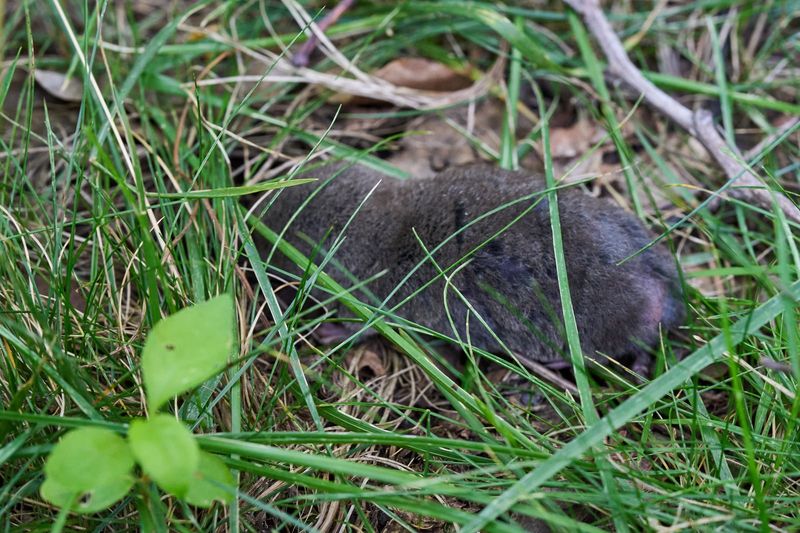
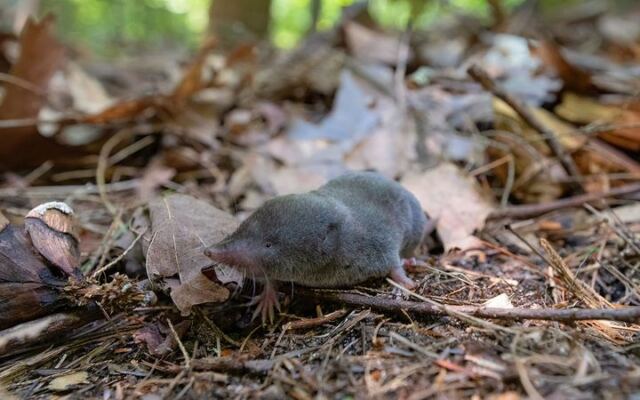
Meet the northern short-tailed shrew, known to scientists as Blarina brevicauda. It is a stocky, mouse-sized mammal with velvety gray fur, tiny eyes, a pointed snout, and, as the name says, a short tail.
It spends most of its life out of sight, moving through leaf litter, soil, and tunnels.
According to MassWildlife’s list of mammals in Massachusetts, this species is recorded statewide. That makes it a true neighbor for people from the Berkshires to Cape Cod.
It is a fair reason for Massachusetts readers to be curious about it.
Still, a statewide record is a broad statement about a whole state. It does not tell you that a shrew is living in your backyard, under your front walk, or beneath the patch of snow outside your window.
Some yards will have one, and many will not.
There is another catch. The northern short-tailed shrew is only one of several shrew species found in Massachusetts.
Calling an animal a shrew does not mean it is this one, and a quick glimpse of a small gray creature rarely settles the question.
Telling these look-alikes apart often takes a close look at size, tail length, and teeth, and sometimes an expert. So when you see the word shrew in a story, treat it as a family name rather than a species ID.
That small habit keeps the rest of this story in proportion.
Snow can shelter winter foraging
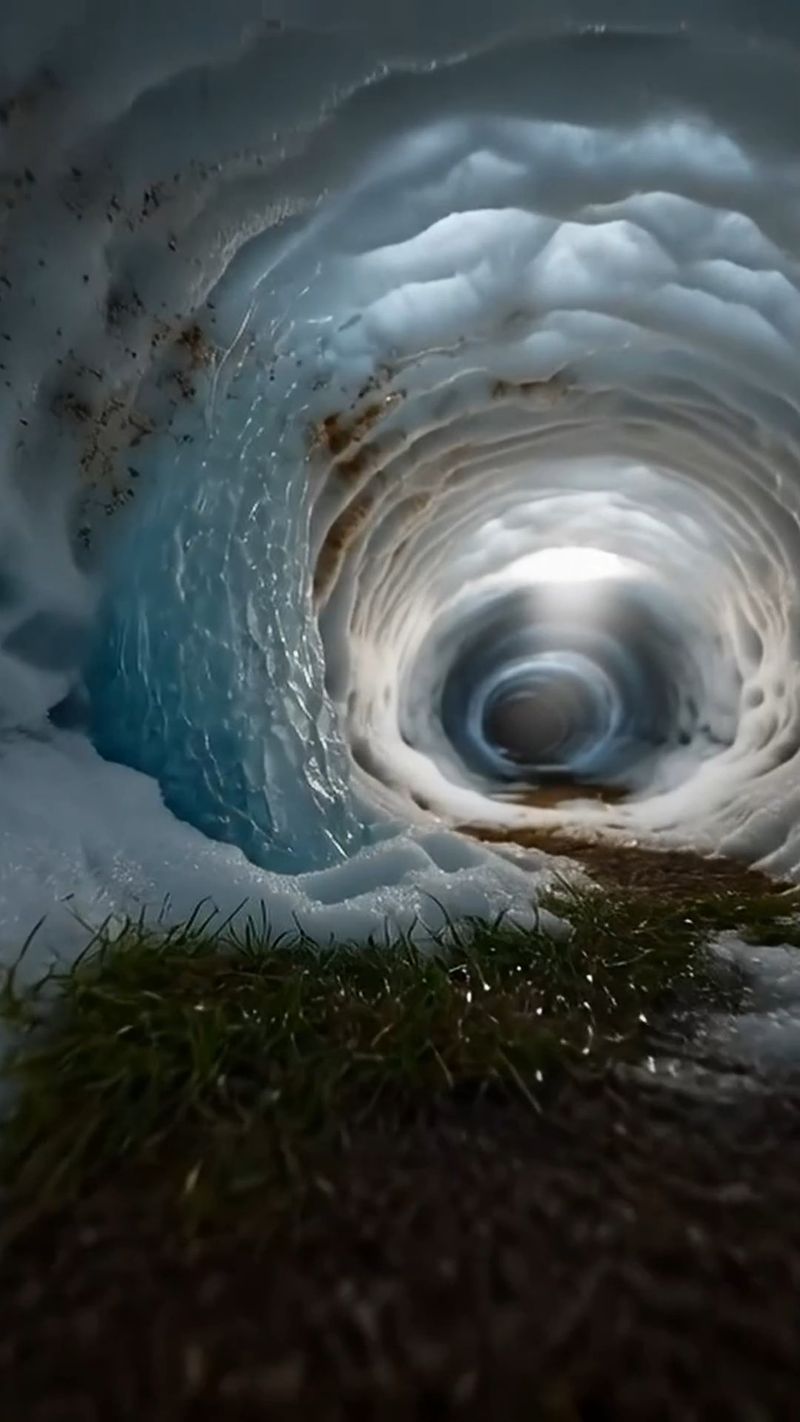
A blanket of snow looks like a closed door, but near the ground it can work more like a roof. The layer between soil and snow, with its small tunnels and gaps, is a habitat in its own right.
Mass Audubon’s Under the Snow guide lists shrews among the small mammals that use this space.
Many animals sleep through the cold, but short-tailed shrews do not hibernate. Animal Diversity Web describes winter activity and tunnels beneath the snow for the species.
In plain terms, a northern short-tailed shrew can forage through winter, hunting insects, worms, and other small prey in the leaf litter and soil.
That sentence has limits. It says the animal can forage in winter.
It does not say every shrew hunts nonstop, that one sits under every snowy lawn, or that the animal needs snow to survive. Snow is simply one kind of cover it can use.
Research on winter survival shows why. A Journal of Mammalogy study on short-tailed shrew winter adaptations describes winter foraging alongside reduced activity during cold periods.
A tiny animal with a fast metabolism has to balance the cost of hunting against the cold.
So picture a cautious forager rather than a relentless hunter. On milder days it may move more, and on harsh ones it may rest.
Either way, you will almost never see any of it from above.
Its saliva contains venom
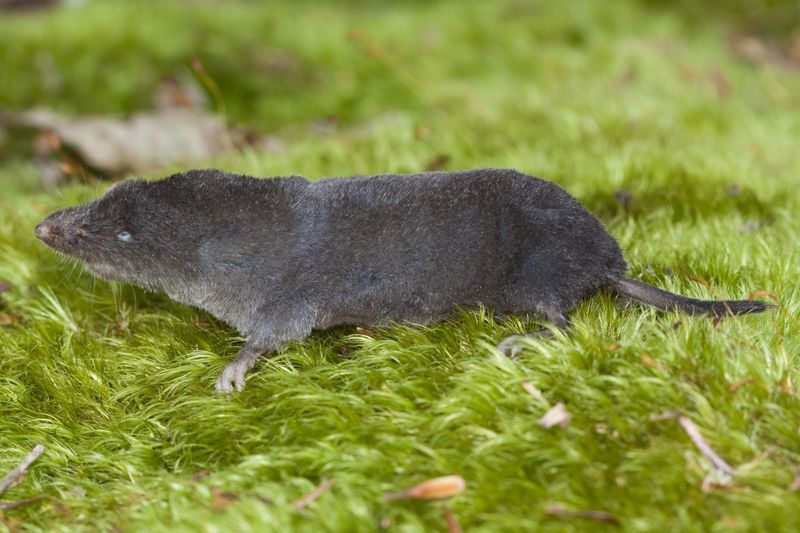
Few mammals produce venom, and the northern short-tailed shrew is one of them. Researchers isolated a protein from its saliva and named it blarina toxin, as described in a study by Oba and colleagues on blarina toxin.
The toxin is delivered when the shrew bites.
That delivery method is why the right word is venomous. Poisonous describes something that harms you when you eat or touch it, while venom is injected, usually by a bite or sting.
A shrew’s saliva works the second way.
The biology makes sense for such a small hunter. A shrew has a huge appetite and often tackles prey close to its own size, such as insects, worms, and snails.
Venom can help subdue that prey, which may then be easier to handle or keep for later.
In that research, the toxin showed strong lethal effects in laboratory animals, specifically mice. That finding tells us the venom is potent in those test conditions.
It does not tell us what happens to a person.
This gap matters because headlines tend to blur it. A result in mice is not a prediction for humans, and it is no evidence that a bite can kill or paralyze a person.
It is just as wrong to call a bite harmless. The honest summary is that the venom is real, and the human story is smaller and less certain.
What researchers know about bites to people
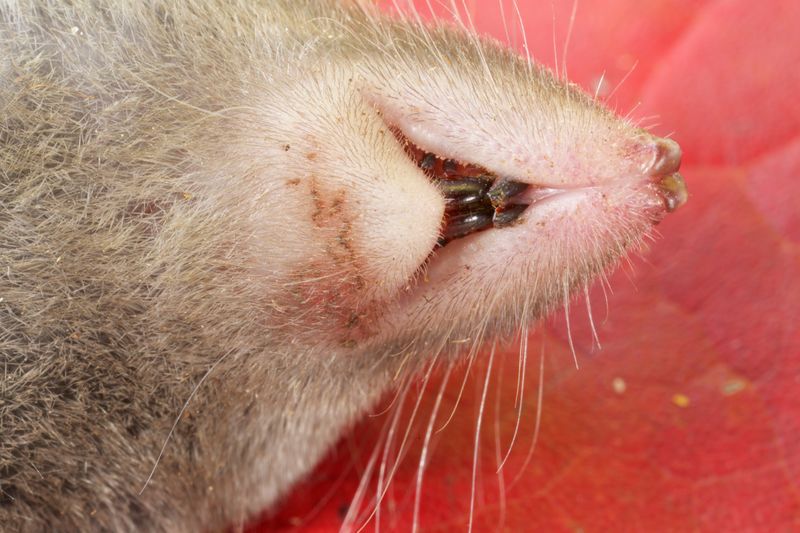
Bites to people appear to be rare, and the written record is thin. The same blarina toxin research mentions human bite accounts that describe localized burning and swelling.
Those are reports of people who were bitten, not the results of a clinical trial.
Notice how modest that is. The research does not offer a large set of medical cases.
It does not tell us how often burning and swelling happen, how long they last, or the full range of outcomes after a bite.
It helps to keep two kinds of evidence apart. In laboratory work, the toxin had strong lethal effects in mice.
In human accounts, the reported effects were local, at the bite site. One kind of evidence cannot stand in for the other.
For that reason, nobody can predict how a particular person would react. Age, health, the depth of the bite, and the condition of the skin all vary from case to case.
Any confident forecast, either scary or soothing, goes beyond what is known.
What you can take from this is a sense of proportion. A shrew bite deserves sensible first aid, as any wild animal bite does.
It is not a reason to panic, and it is not something to shrug off as nothing. The next section covers what to do.
Vole runways do not identify a shrew
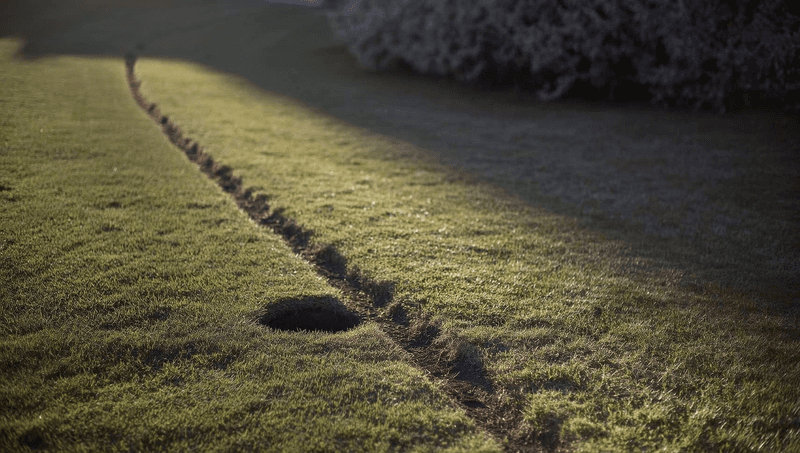
Spring melt can reveal a strange maze on the grass: narrow, winding paths of flattened or chewed turf. Many homeowners wonder if a shrew did it.
According to UMass Extension’s fact sheet on mole and vole damage, voles are the common cause of winter turf feeding and visible runways.
Voles are small, plant-eating rodents. Under the snow they nibble grass blades and bark and wear trails through the thatch.
Shrews, in contrast, mainly hunt small animals, so lawn grazing is not their usual job.
That means a runway is not a clue pointing to a shrew. A trail in the turf says that something small was moving or feeding there, and in lawns the likely answer is a vole.
Treat lawn marks as lawn marks, not as a wildlife ID.
The good news is that this damage is often temporary. Once the weather warms and the grass starts growing, many lawns bounce back by themselves.
You can help the recovery along. Gently raking the matted patches lets air and light reach the crowns of the grass.
If bare spots remain, overseeding can fill them in. There is no need for alarm, and no need to go looking for a shrew.
Keep your distance and wash any bite
The safest plan is the simplest one: leave wild animals alone. If you spot a shrew, do not pick it up, corner it, or try to move it by hand.
Bites usually happen when a wild animal is grabbed or trapped, so keeping your hands to yourself removes most of the risk.
Pets are another matter, since cats in particular catch small mammals. If a cat brings you one, wear thick gloves or use a tool and keep it from reaching your skin.
Wash your hands afterward.
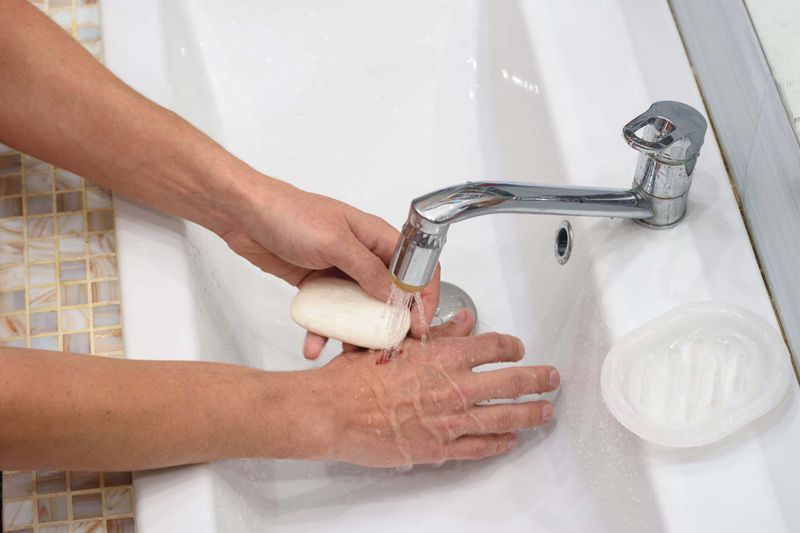
If you do get bitten, act promptly. Wash the wound well with warm soapy water, as CDC guidance on wildlife advises for bites and scratches.
Then contact a healthcare provider for advice, even if the bite seems minor.
Call sooner if the wound becomes red, painful, warm, or swollen. Those signs can mean infection and are worth a professional look.
Also check in if you are unsure about your tetanus status, since a provider can tell you whether you are up to date.
None of this requires a dramatic reaction. It is ordinary wound care plus a phone call.
A provider can look at the actual bite, which is something no article can do, and can decide what you need.
What the snow does—and does not—tell you
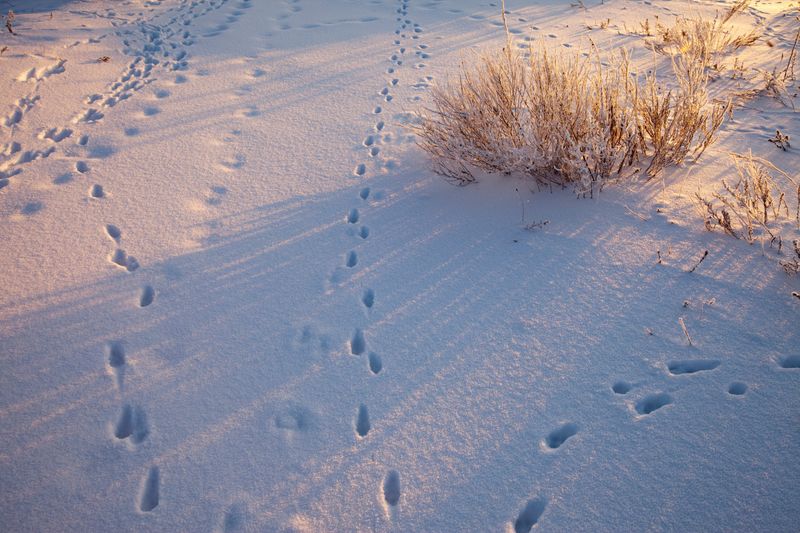
Here is the short version. MassWildlife records the species statewide, and Mass Audubon places shrews among the small mammals living under the snow.
Neither fact proves one is beneath your lawn.
If you see runways in spring, UMass Extension points to voles. Watch wildlife, skip the handling, and let the snow keep a few of its secrets.
Share this story