When the first hard frost hits Massachusetts, your garage starts to look like a warm hotel to the small animals living outside. Mice, rats, chipmunks, squirrels, and voles all go looking for shelter, and each one leaves behind its own set of signs.
Knowing how to read those clues helps you figure out who moved in and how to send them packing. A little detective work now can save your car wires, your stored food, and your peace of mind.
1. Deer Mouse
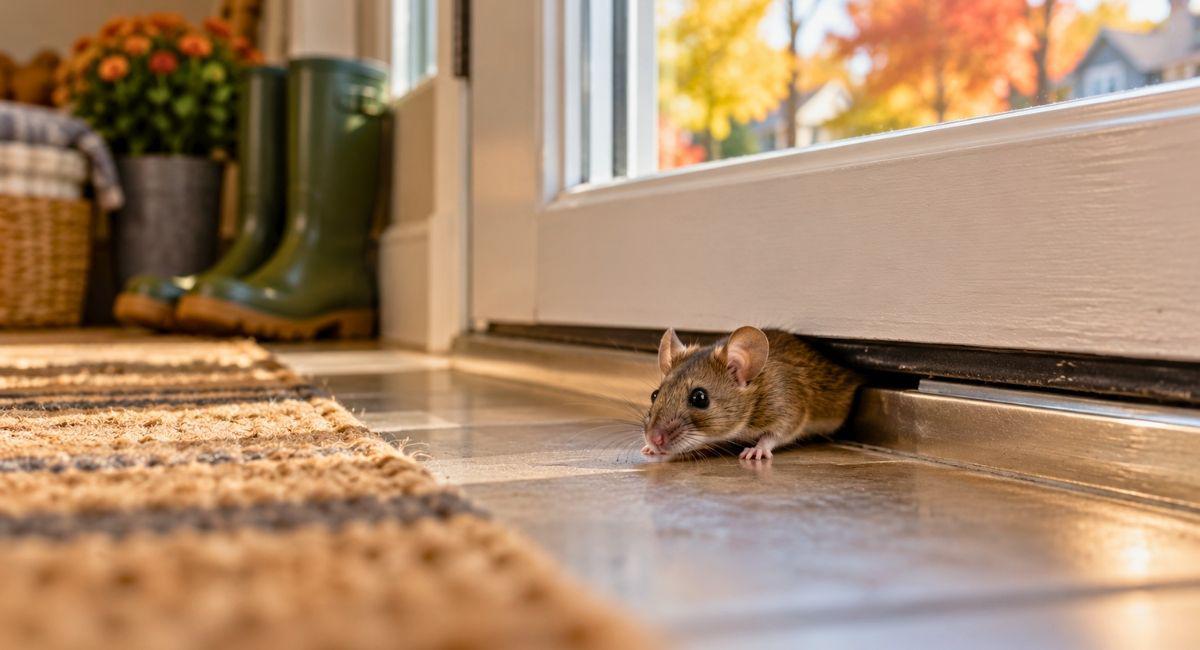
Picture opening your car’s air filter box and finding a fluffy nest of shredded insulation and acorn shells. That cozy surprise is classic deer mouse work, and it happens all over Massachusetts every winter.
These tiny rodents have white bellies, big eyes, and a talent for squeezing through gaps the size of a dime.
Look for droppings about the size of a grain of rice, pointed at both ends. You may also spot stashes of seeds tucked into boots, drawers, or old flower pots.
Chewed cardboard and bits of fluff are another strong hint.
Deer mice can carry hantavirus, so never sweep or vacuum their droppings dry. Spray the area with a bleach and water mix first, wear gloves, and wipe it up with paper towels.
Sealing small cracks with steel wool and caulk is the best way to keep them from coming back.
2. Norway Rat
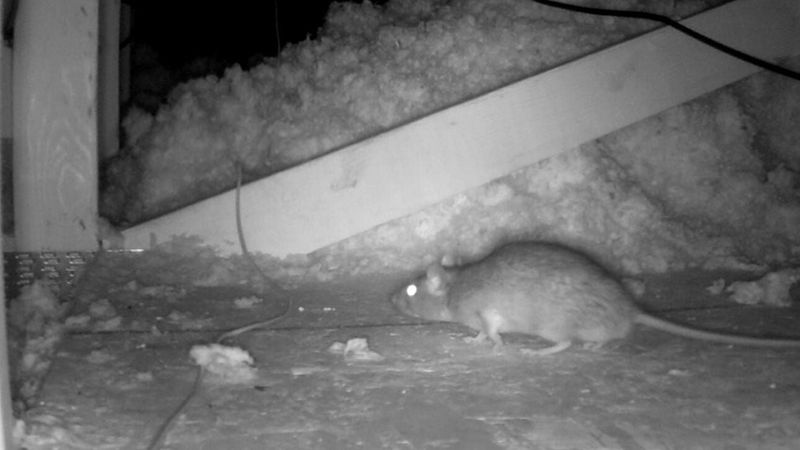
Bigger, bolder, and a lot less polite. The Norway rat is the heavyweight of garage invaders, and folks in Boston and Worcester know it well.
Its droppings are thick, blunt, and roughly the size of a raisin. You might notice greasy dark smudges along walls where its oily fur rubs as it travels the same path night after night.
Burrows near the foundation, with loose dirt piled outside, are another giveaway.
Rats chew constantly because their teeth never stop growing. Gnaw marks on plastic bins, wood trim, and even soft metal show up fast.
Some people hear scratching or squeaking after dark too.
Fun fact: despite the name, Norway rats probably came from Asia and simply hitched rides on ships. Store birdseed and pet food in metal cans with tight lids, and call a pro if the signs keep piling up.
3. House Mouse
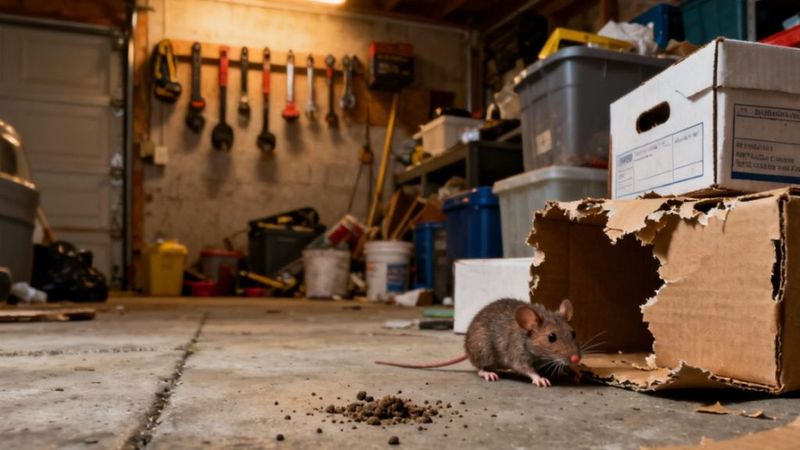
Honestly, the house mouse is the roommate nobody asked for. It’s gray all over, with no white belly, and it would happily live in your garage forever.
Unlike its deer mouse cousin, it leaves lots of droppings scattered everywhere, often 50 or more in a single night. A musty smell, almost like ammonia, tends to build up in corners where it hangs out.
You might also find tiny holes chewed into grass seed bags or dog food sacks.
Nests are usually made of paper, fabric, or shredded cardboard and hidden in quiet spots behind storage boxes. Snap traps baited with peanut butter along walls work well, since mice like running along edges instead of across open floors.
4. Eastern Chipmunk
Cute? Absolutely.
Harmless? Not quite.
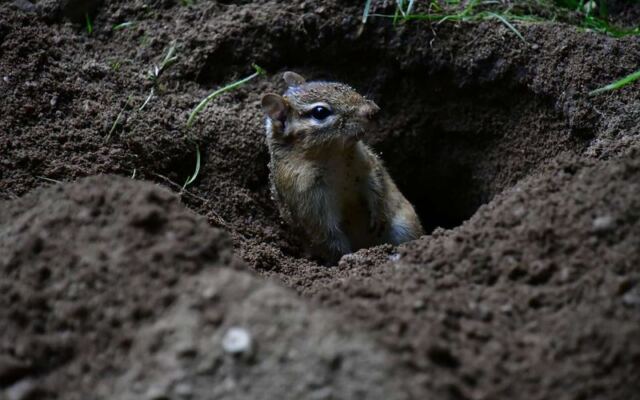
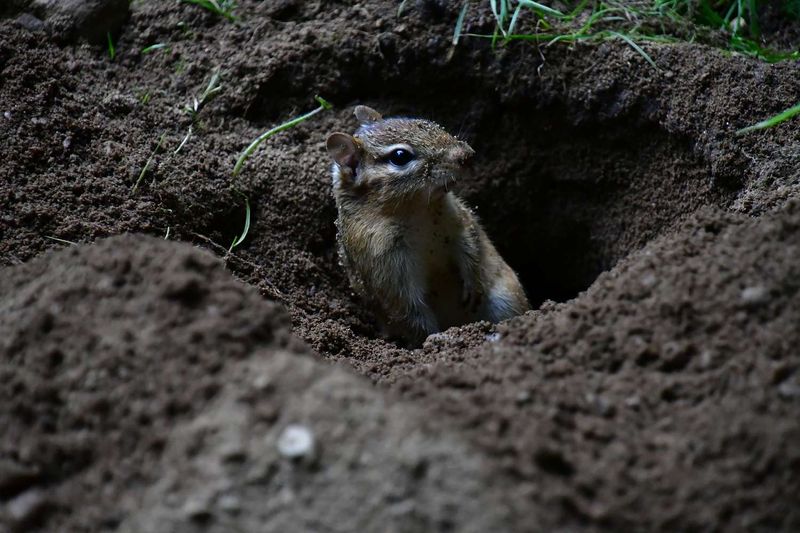
The eastern chipmunk spends fall stuffing its cheeks, and an open garage door looks like a free buffet.
Chipmunks don’t fully hibernate. They sleep in short stretches and wake up to snack on their hidden food.
That means you might find neat piles of sunflower seeds or acorns stored in a corner, or empty shells left behind.
Small round holes, about two inches wide, near the garage slab or along the driveway are a big clue. Their tunnels have no dirt mound outside, because chipmunks carry the soil away in their cheeks.
Sneaky little engineers!
Keep bird feeders away from the garage and fill gaps near the foundation with gravel or hardware cloth.
5. Red Squirrel
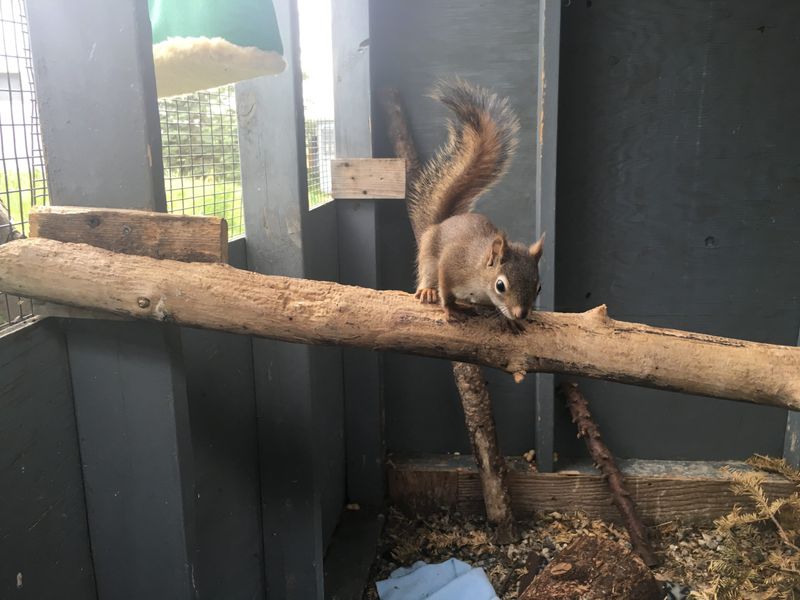
If something is chattering at you from the rafters like an angry alarm clock, meet the red squirrel. It’s smaller than a gray squirrel, rust colored, and full of attitude.
The best clue is a pile of pine cone scales, called a midden, often left on shelves or the floor. Red squirrels also chew holes into soffits and garage siding to get inside.
Shredded insulation in the attic space above is common too.
Since they’re awake all winter, you’ll hear them running around during the day, not just at night. Trimming tree branches back from the roof and covering vents with sturdy mesh helps a lot.
A licensed wildlife pro can safely remove them, and once they’re out, sealing every hole is what finally ends the standoff.
Share this story