Tennessee is full of creatures that look like trouble at first glance. Some have bright warning colors, some hiss and puff up, and others are just plain creepy to look at.
The truth is that many of these animals cannot hurt you at all, and they actually help keep our yards, forests, and gardens healthy. Knowing which ones are safe can save you a scare and save a helpful critter’s life too.
1. Eastern Hognose Snake
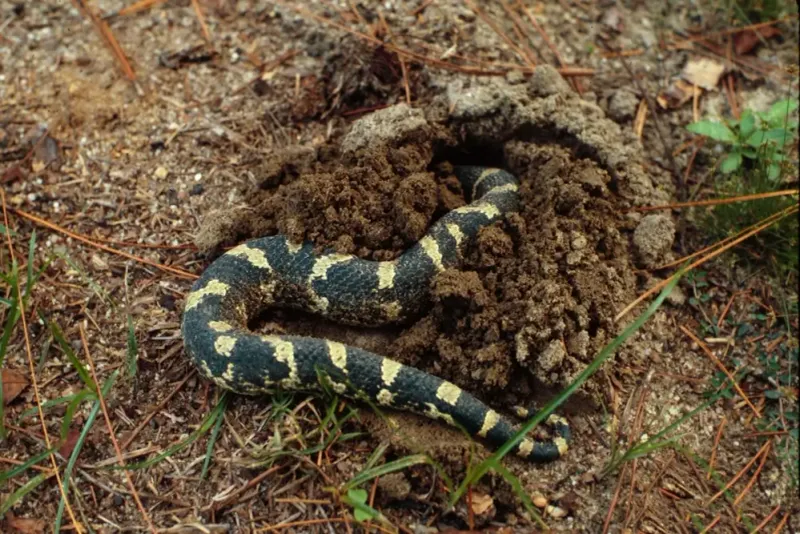
Picture a snake that flattens its neck like a cobra, hisses loudly, and lunges at you. Most people would sprint the other way, and that is exactly what the eastern hognose wants.
Its whole act is a bluff.
If the drama does not work, this snake moves on to plan B. It rolls onto its back, opens its mouth, sticks out its tongue, and plays dead.
Flip it right side up and it will often roll right back over, as if to insist it really is dead.
Hognose snakes almost never bite people, even when handled. They mostly eat toads, using their upturned snouts to dig them out of sandy soil.
Spot one in Tennessee and you have found one of the best actors in the reptile world.
2. Northern Water Snake

Ask almost any Tennessee angler, and they will swear they have seen a cottonmouth at the lake. Odds are good it was actually a northern water snake.
These thick, dark, banded snakes are the most commonly misidentified reptile near water in the state.
Water snakes can be grumpy. Grab one and it may bite and release a smelly musk, which is no fun at all.
Still, they carry no venom, and a bite is little more than a scratch.
A few clues help tell them apart from cottonmouths:
Water snakes have round pupils and slimmer heads. They usually dive and swim away fast instead of standing their ground.
Cottonmouths tend to float high on the water, while water snakes swim with most of their body under the surface.
3. Scarlet Kingsnake
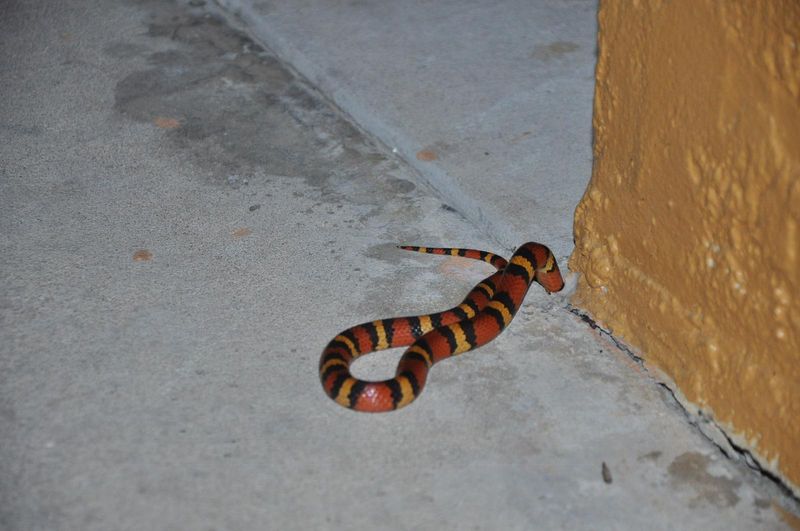
Red touches black, friend of Jack. Red touches yellow, kills a fellow.
Generations of hikers learned that rhyme to sort harmless snakes from coral snakes, and the scarlet kingsnake is the reason it exists.
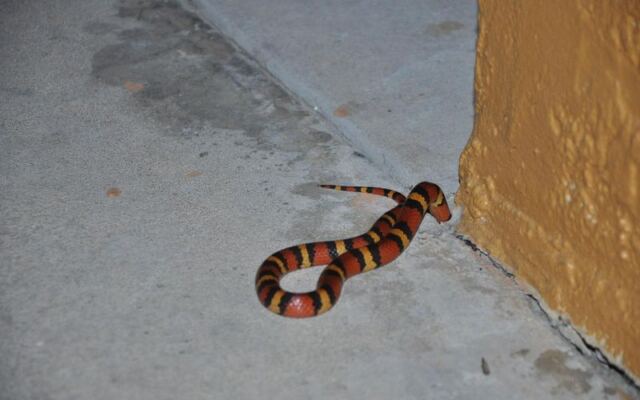
With bold red, black, and yellow bands, this small snake copies the look of a deadly coral snake. Here is the twist: coral snakes do not even live in Tennessee.
The scarlet kingsnake is wearing a costume for a party nobody else showed up to.
Shy and secretive, it hides under bark and rotting logs, eating lizards and small snakes. Most people go years without spotting one, so seeing one is a real treat.
4. Cicada Killer Wasp
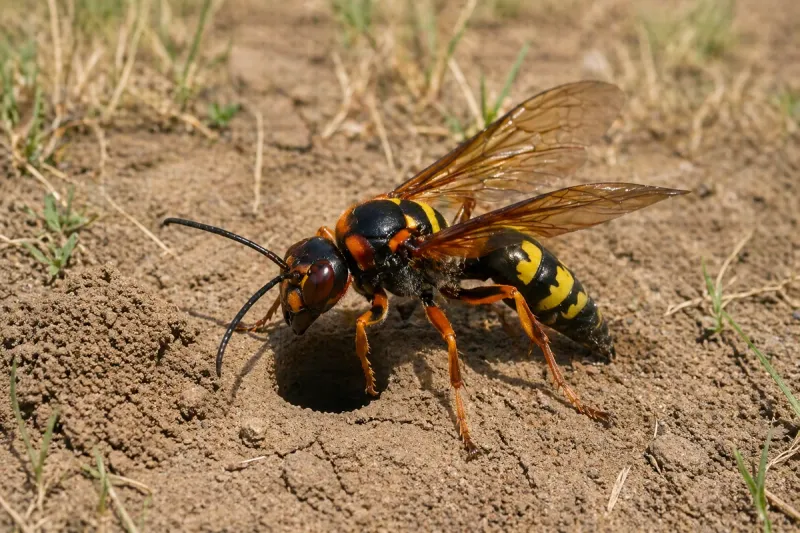
Nearly two inches long, striped like a hornet, and buzzing low over your lawn in July, the cicada killer looks like a monster. Homeowners panic every summer when these giants show up and start digging holes.
Relax. The males that zip around and chase you have no stinger at all.
Females do have one, but they save it for cicadas, which they paralyze and drag underground to feed their young.
Stings to people are extremely rare and usually only happen if one gets stepped on barefoot. Think of them as free pest control with a scary costume.
They also help aerate soil while digging.
5. Hickory Horned Devil
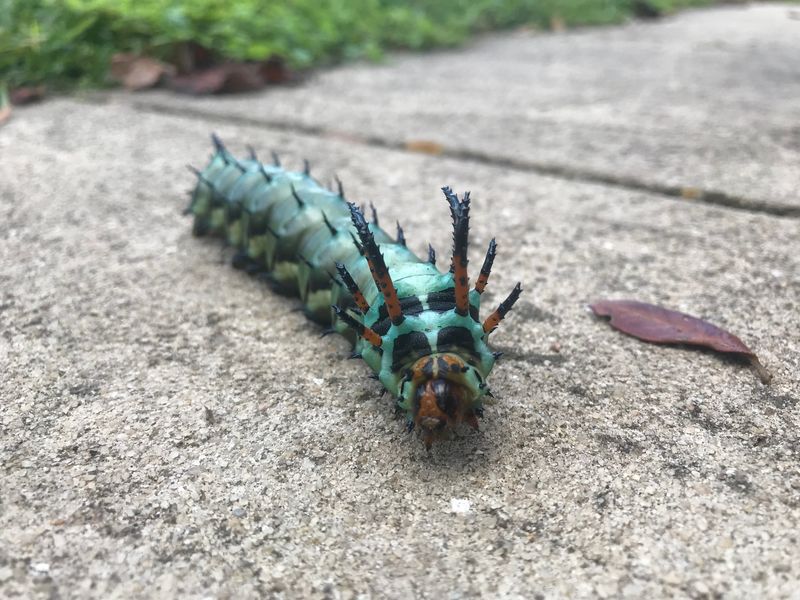
The name alone sounds like something from a horror movie. Now add a bright green body as big as a hot dog and a crown of curved orange horns tipped in black.
It is the largest caterpillar in North America, and it looks ready to fight.
Those horns are all for show. They cannot sting, poke, or poison anyone.
When bothered, the caterpillar just jerks its head around to look tough.
Fun fact: it grows up to be the regal moth, a gorgeous orange and gray beauty. Finding one on a Tennessee hickory or walnut tree in late summer is something you will remember for a long time.
6. Fishing Spider
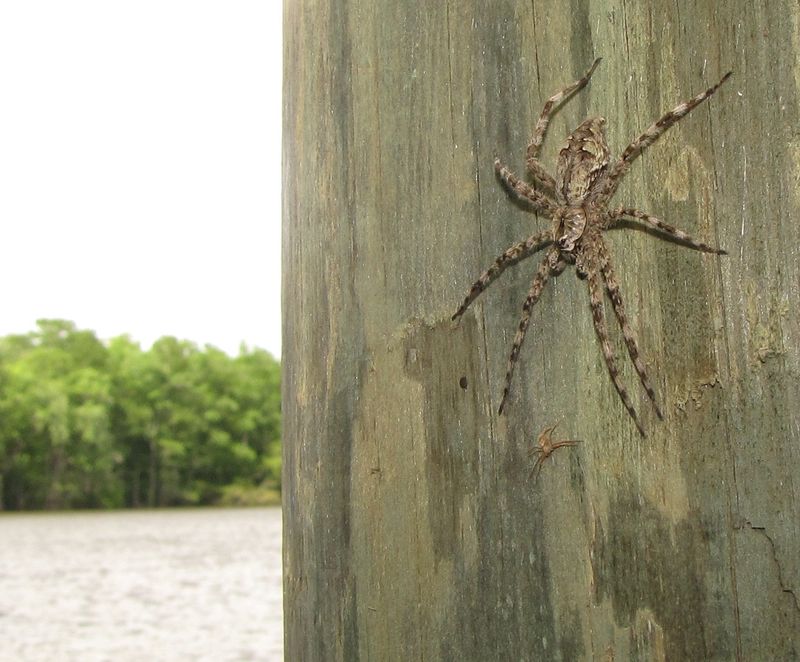
Few things will make a camper scream faster than a spider the size of a hand perched on the dock. Dark fishing spiders can stretch three inches across with their legs, and they love lakes, creeks, and even porches near the woods.
Size is their only scary trait. Their venom is weak, and a bite, which is rare, feels about like a bee sting.
They would much rather run or dive underwater than tangle with you.
Yes, they really can catch tiny fish and tadpoles. They sense ripples on the water and race across the surface to grab a meal.
Pretty impressive for a critter so many people want to swat.
7. Eastern Hellbender
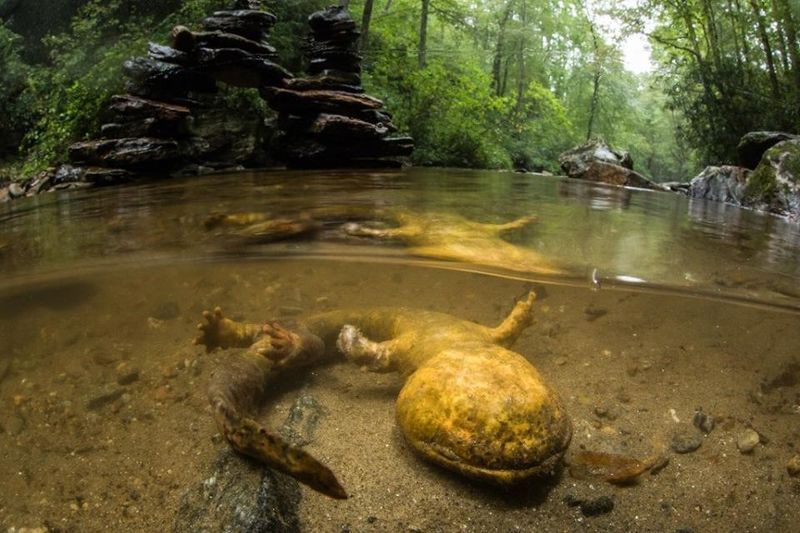
Snot otter. Devil dog.
Old lasagna sides. Locals have given the eastern hellbender plenty of rude nicknames, and with its flat head, slimy skin, and wrinkly folds, you can see why.
This giant salamander can top two feet long, making it one of the largest in the world. Many fishermen once believed it was poisonous and killed it on sight.
It is completely harmless and mostly eats crayfish.
Hellbenders need cold, clean, fast streams, like those in the Smokies. They are now protected in many places because their numbers have dropped.
If you ever see one, count yourself lucky and leave it be.
Share this story