Get the latest garden guides in your inbox →
Gardening Latest
  • General Gardening
  • Lawn Care
  • Plant Care
  • Composting
  • Soil Health
  • Backyard
  • Garden Muse Magazine
  • General Gardening
  • Lawn Care
  • Plant Care
  • Composting
  • Soil Health
  • Backyard
  • Garden Muse Magazine
  • News
  • Gardening Calendar
  • Garden Structures
  • Vegetable Garden
  • Vertical Garden
  • Raised Beds
  • Hydroponics
  • General Equipment
  • Community Gardens
Garden Themes
  • Spiritual Garden
  • Hydroseeding
  • Seeding and Laying Sod
  • Artificial Grass
  • Lawn Care Equipment
  • Plants
  • Trees
  • Planting Tools
  • Composting Basics
  • Fertilizer
  • Alternative Growing Mediums
  • Front Yard
  • Backyard Activities
  • Landscaping
Gardening Latest

Explore by state

Which state is your garden in?

Currently viewing Tennessee

All states

Northeast

  • Connecticut —
  • Delaware 33
  • Maine —
  • Maryland 19
  • Massachusetts 35
  • New Hampshire —
  • New Jersey 19
  • New York 28
  • Pennsylvania 28
  • Rhode Island —
  • Vermont —

Southeast

  • Alabama 19
  • Arkansas —
  • Florida 19
  • Georgia 19
  • Kentucky 33
  • Louisiana 18
  • Mississippi —
  • North Carolina 17
  • South Carolina 32
  • Tennessee 16
  • Virginia 18
  • West Virginia —

Midwest

  • Illinois 18
  • Indiana 20
  • Iowa 32
  • Kansas —
  • Michigan 19
  • Minnesota 18
  • Missouri 18
  • Nebraska —
  • North Dakota —
  • Ohio 19
  • South Dakota —
  • Wisconsin 34

Southwest

  • Arizona 19
  • Colorado —
  • Nevada —
  • New Mexico —
  • Oklahoma —
  • Texas 18
  • Utah —

West

  • Alaska —
  • California 19
  • Hawaii —
  • Idaho —
  • Montana —
  • Oregon —
  • Washington —
  • Wyoming —

No state matches that search.

Site menu

Gardening Latest
  • General Gardening
    • News
    • Gardening Calendar
    • Garden Structures
    • Vegetable Garden
    • Vertical Garden
    • Raised Beds
    • Hydroponics
    • General Equipment
    • Community Gardens
    Garden Themes
    • Spiritual Garden
  • Lawn Care
    • Hydroseeding
    • Seeding and Laying Sod
    • Artificial Grass
    • Lawn Care Equipment
  • Plant Care
    • Plants
    • Trees
    • Planting Tools
  • Composting
    • Composting Basics
  • Soil Health
    • Fertilizer
    • Alternative Growing Mediums
  • Backyard
    • Front Yard
    • Backyard Activities
    • Landscaping
  • Garden Muse Magazine

Explore

  • About GardeningLatest.com
  • Contact Us

Get the latest from the garden

New guides on lawn care, plants and backyard projects, sent when they go up.

Subscribe →

Follow

  • Facebook
  • X
  • Pinterest
  • YouTube
Tennessee Gardening

They Look Venomous Enough to Make You Run, but These 7 Tennessee Critters Are Harmless

Tennessee is full of creatures that look like trouble at first glance. Some have bright warning colors, some hiss and puff…

JM

By Jolene Mabry

November 25, 2026 · 5 min read

They Look Venomous Enough to Make You Run, but These 7 Tennessee Critters Are Harmless

Tennessee is full of creatures that look like trouble at first glance. Some have bright warning colors, some hiss and puff up, and others are just plain creepy to look at.

The truth is that many of these animals cannot hurt you at all, and they actually help keep our yards, forests, and gardens healthy. Knowing which ones are safe can save you a scare and save a helpful critter’s life too.

At a glance

Where
Tennessee Gardening
Hardiness zone
7 0 to 10°F
Read
5 minutes
Published
November 25, 2026

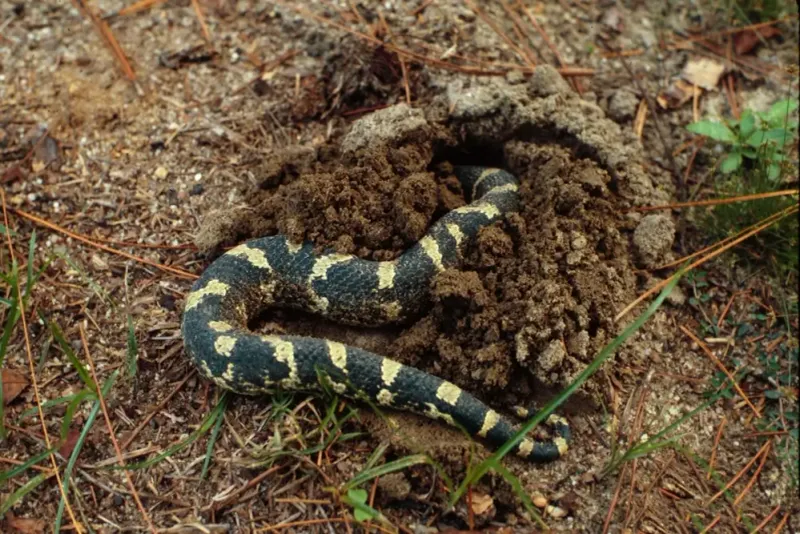
1. Eastern Hognose Snake

Eastern Hognose Snake
© NatureWorks

Picture a snake that flattens its neck like a cobra, hisses loudly, and lunges at you. Most people would sprint the other way, and that is exactly what the eastern hognose wants.

Its whole act is a bluff.

If the drama does not work, this snake moves on to plan B. It rolls onto its back, opens its mouth, sticks out its tongue, and plays dead.

Flip it right side up and it will often roll right back over, as if to insist it really is dead.

Hognose snakes almost never bite people, even when handled. They mostly eat toads, using their upturned snouts to dig them out of sandy soil.

Spot one in Tennessee and you have found one of the best actors in the reptile world.

2. Northern Water Snake

Northern Water Snake
© Mass.gov

Ask almost any Tennessee angler, and they will swear they have seen a cottonmouth at the lake. Odds are good it was actually a northern water snake.

These thick, dark, banded snakes are the most commonly misidentified reptile near water in the state.

Now add a bright green body as big as a hot dog and a crown of curved orange horns tipped in black.

Water snakes can be grumpy. Grab one and it may bite and release a smelly musk, which is no fun at all.

Still, they carry no venom, and a bite is little more than a scratch.

A few clues help tell them apart from cottonmouths:

Water snakes have round pupils and slimmer heads. They usually dive and swim away fast instead of standing their ground.

Cottonmouths tend to float high on the water, while water snakes swim with most of their body under the surface.

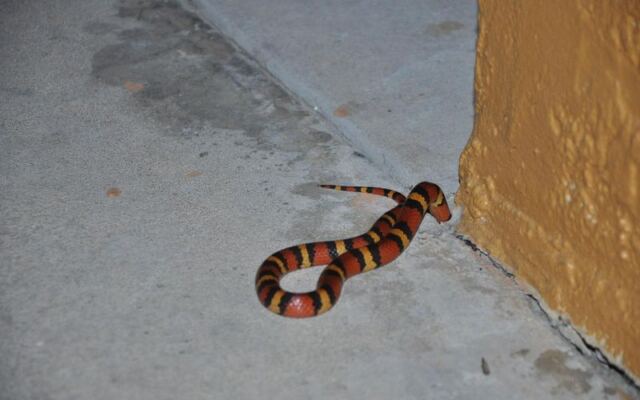
3. Scarlet Kingsnake
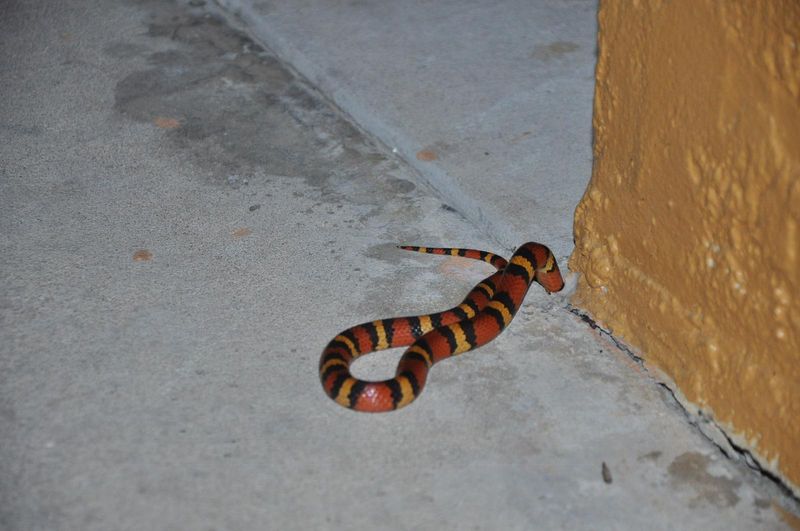
Scarlet Kingsnake
© Reddit

Red touches black, friend of Jack. Red touches yellow, kills a fellow.

Generations of hikers learned that rhyme to sort harmless snakes from coral snakes, and the scarlet kingsnake is the reason it exists.

With bold red, black, and yellow bands, this small snake copies the look of a deadly coral snake. Here is the twist: coral snakes do not even live in Tennessee.

The scarlet kingsnake is wearing a costume for a party nobody else showed up to.

Shy and secretive, it hides under bark and rotting logs, eating lizards and small snakes. Most people go years without spotting one, so seeing one is a real treat.

4. Cicada Killer Wasp
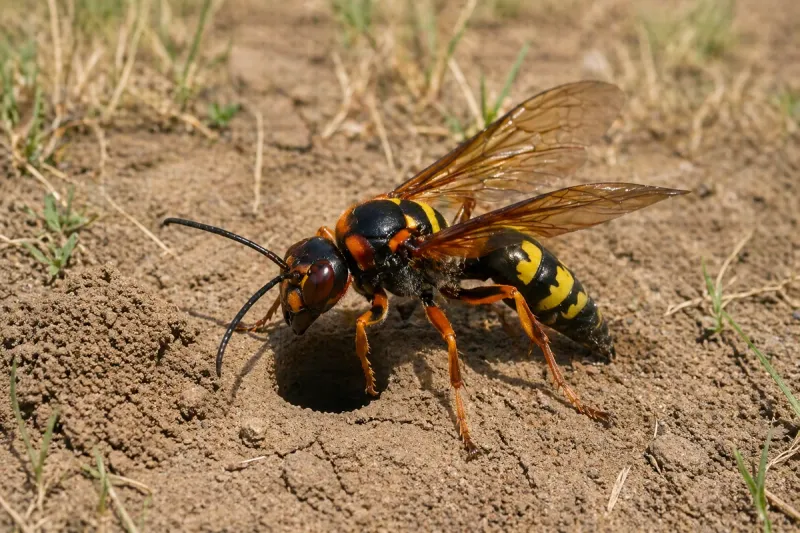
Cicada Killer Wasp
© Pest Me Off

Nearly two inches long, striped like a hornet, and buzzing low over your lawn in July, the cicada killer looks like a monster. Homeowners panic every summer when these giants show up and start digging holes.

Relax. The males that zip around and chase you have no stinger at all.

Females do have one, but they save it for cicadas, which they paralyze and drag underground to feed their young.

Stings to people are extremely rare and usually only happen if one gets stepped on barefoot. Think of them as free pest control with a scary costume.

They also help aerate soil while digging.

5. Hickory Horned Devil
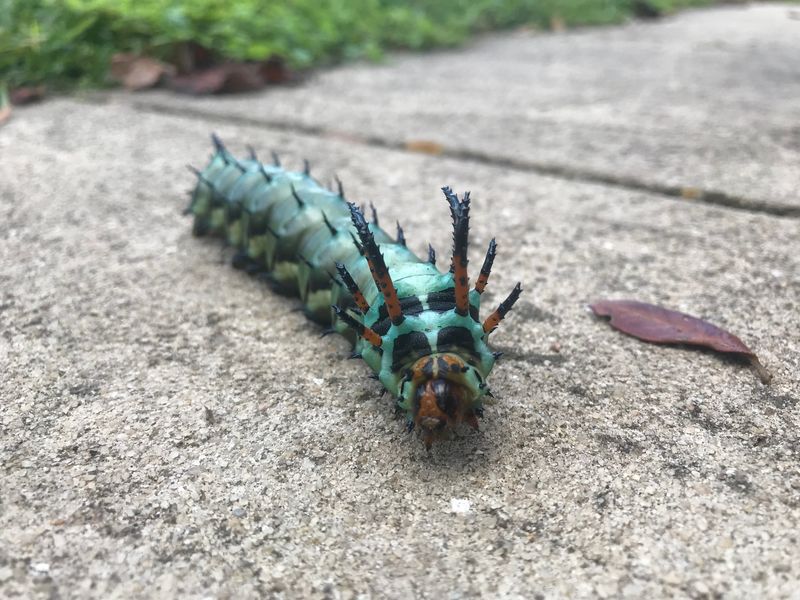
Hickory Horned Devil
© Florida Native Plant Society Blog

The name alone sounds like something from a horror movie. Now add a bright green body as big as a hot dog and a crown of curved orange horns tipped in black.

It is the largest caterpillar in North America, and it looks ready to fight.

Those horns are all for show. They cannot sting, poke, or poison anyone.

When bothered, the caterpillar just jerks its head around to look tough.

Fun fact: it grows up to be the regal moth, a gorgeous orange and gray beauty. Finding one on a Tennessee hickory or walnut tree in late summer is something you will remember for a long time.

6. Fishing Spider
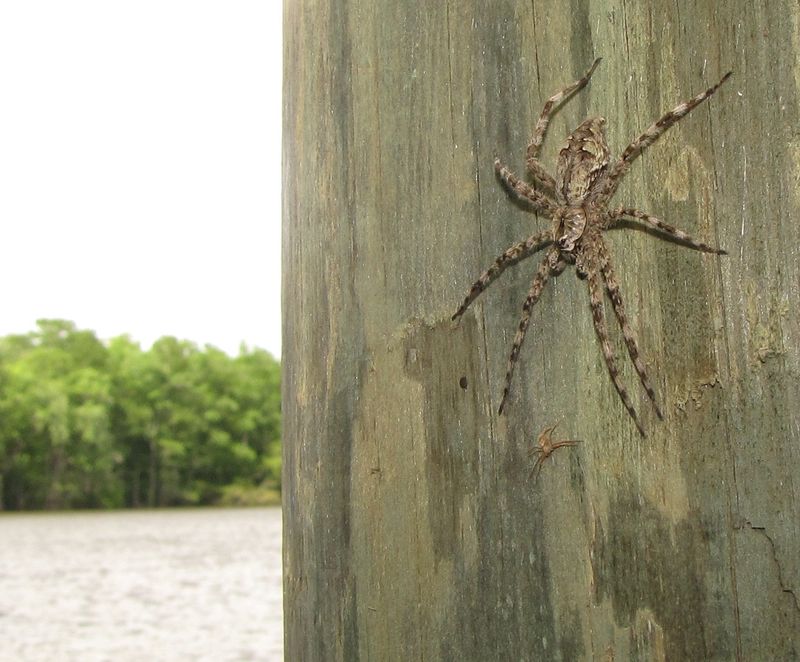
Fishing Spider
© Bug Eric – Blogger

Few things will make a camper scream faster than a spider the size of a hand perched on the dock. Dark fishing spiders can stretch three inches across with their legs, and they love lakes, creeks, and even porches near the woods.

Size is their only scary trait. Their venom is weak, and a bite, which is rare, feels about like a bee sting.

They would much rather run or dive underwater than tangle with you.

Yes, they really can catch tiny fish and tadpoles. They sense ripples on the water and race across the surface to grab a meal.

Pretty impressive for a critter so many people want to swat.

7. Eastern Hellbender
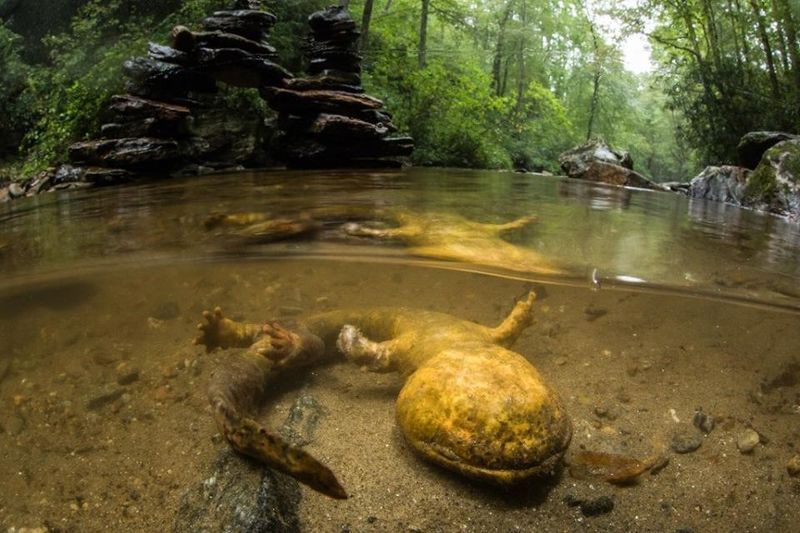
Eastern Hellbender
© Beyond the Riverbend

Snot otter. Devil dog.

Old lasagna sides. Locals have given the eastern hellbender plenty of rude nicknames, and with its flat head, slimy skin, and wrinkly folds, you can see why.

This giant salamander can top two feet long, making it one of the largest in the world. Many fishermen once believed it was poisonous and killed it on sight.

It is completely harmless and mostly eats crayfish.

Hellbenders need cold, clean, fast streams, like those in the Smokies. They are now protected in many places because their numbers have dropped.

If you ever see one, count yourself lucky and leave it be.

Share this story
JM

Written by

Jolene Mabry

More from Jolene Mabry →

About Gardening Latest

Gardening Latest provides in-depth guides to maintaining and enhancing your garden and backyard. Learn how to make the most of the space you have and create a beautiful garden.

More about us →

Latest stories

  • California GardeningIf a Gray Fox Keeps Trotting Through Your California Yard This Winter, Here’s What It’s After

    If a Gray Fox Keeps Trotting Through Your California Yard This Winter, Here’s What It’s After

    7 hr ago
  • Arizona GardeningWhen a Gray Fox Trots Through Your Arizona Yard This Winter, It’s on a Mission

    When a Gray Fox Trots Through Your Arizona Yard This Winter, It’s on a Mission

    7 hr ago
  • Texas GardeningNeighbor Vines Crossing Into Your Texas Yard: Texas Tree-Branch Guidance Is Clear, but the Answer for Vines Is Less Settled

    Neighbor Vines Crossing Into Your Texas Yard: Texas Tree-Branch Guidance Is Clear, but the Answer for Vines Is Less Settled

    7 hr ago
  • Wisconsin GardeningWisconsin Neighbors Fight Over Snow Piled on Their Property, and Here’s What the Law Actually Says

    Wisconsin Neighbors Fight Over Snow Piled on Their Property, and Here’s What the Law Actually Says

    7 hr ago
  • Missouri GardeningYellow Jackets Nesting Near Your Missouri Home? This Is What You Should Do First

    Yellow Jackets Nesting Near Your Missouri Home? This Is What You Should Do First

    7 hr ago

Gardening by state

Stories for your state, and the hardiness zone most of it gardens in.

Keep exploring

Read next

All Tennessee Gardening →
Tennessee GardeningTennessee Yards Hide More Venomous Creatures Than Just Copperheads, And Here’s How To Spot Each One
Tennessee Gardening

Tennessee Yards Hide More Venomous Creatures Than Just Copperheads, And Here’s How To Spot Each One

8 hr ago
Tennessee GardeningThere’s A Yellow Jacket Nest Near Your Tennessee Home, So Here’s What You Should Do
Tennessee Gardening

There’s A Yellow Jacket Nest Near Your Tennessee Home, So Here’s What You Should Do

10 hr ago
Tennessee GardeningFire Ant Mounds Rising Overnight After a Tennessee Rain Point to What’s Happening Underground
Tennessee Gardening

Fire Ant Mounds Rising Overnight After a Tennessee Rain Point to What’s Happening Underground

17 hr ago

More from Tennessee Gardening

  • Who Actually Pays After a Neighbor’s Tree Crashes Down on Your Tennessee Property

    Nov 24
  • Coyote Yips Near Your Tennessee Home After Dark Reveal Some Things, Just Not What Most People Assume

    Nov 23
Back to top

Leave a response Cancel

Your email address stays private. Required fields are marked with an asterisk.

Gardening Latest

In-depth guides to maintaining and enhancing your garden and backyard: how to make the most of the space you have, and how to make it beautiful.

  • Facebook
  • X
  • Pinterest
  • YouTube

We may earn a portion of sales from products or services that are purchased through our site as part of our affiliate partnerships with retailers.

Explore

  • About GardeningLatest.com
  • Contact Us
  • Terms and Conditions
  • Privacy
  • Editorial Note:
  • FTC Disclosure

Newsletter

New garden guides and seasonal tips, straight to your inbox.

We’ll email you a link to confirm. Unsubscribe any time.

Almost there! Check your inbox and tap the link to confirm.

© 2026 Gardening Latest. All rights reserved.

Back to top