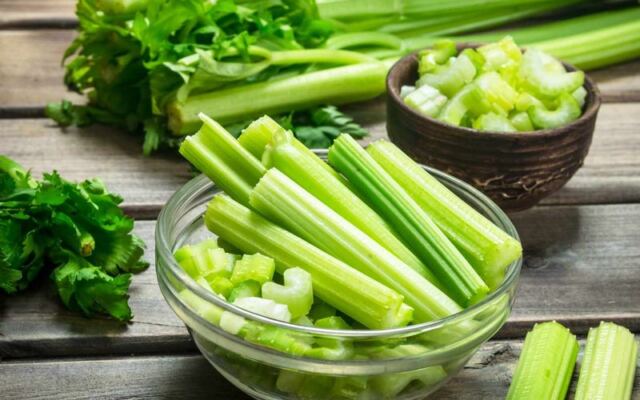
Eat celery every day in Arizona, and the clearest change is simple: you add more water and a bit of fiber to your meals. That may sound small, but it connects to things many desert residents think about, like staying hydrated in the heat and getting enough fiber.
Celery grows in Arizona fields and winter gardens, and it sits in nearly every grocery store year-round. Here is what daily celery can and cannot do for your body, and how to keep it in perspective.
Celery adds water and fiber to the diet
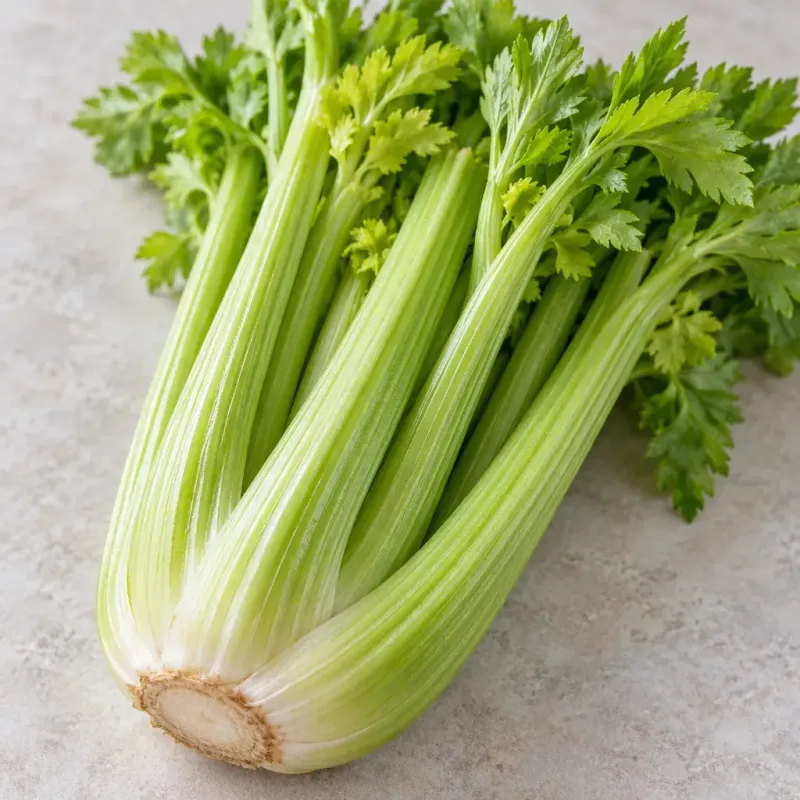
Eating celery adds two things to your day: water and some fiber. That is the solid, concrete part of the story.
Beyond that, nobody can promise a dependable set of changes in your body from celery alone.
Here is a useful number. USDA nutrient data for raw celery list about 95% water and 1.6 g of fiber per 100 grams.
Those figures are measured by weight, so they are not a promise for one stalk. Stalk sizes differ, and food records can differ too.
What you actually get depends on your portion. A few crunchy sticks at lunch add less than a big bowl of chopped celery in a salad.
A person who snacks on celery daily gets a small, steady boost, not a dramatic one.
Your overall diet matters even more. If you already eat plenty of vegetables, beans, and whole grains, celery is one more helper on a full team.
If your meals are low in produce, celery can fill a gap, though it works best alongside other plant foods.
So what might you notice? Possibly a bit more fullness from a crunchy, watery snack, or an easy way to eat more vegetables.
Those are modest and personal. Treat celery as a useful ingredient, not a body-changing event.
Arizona’s celery season depends on where you live
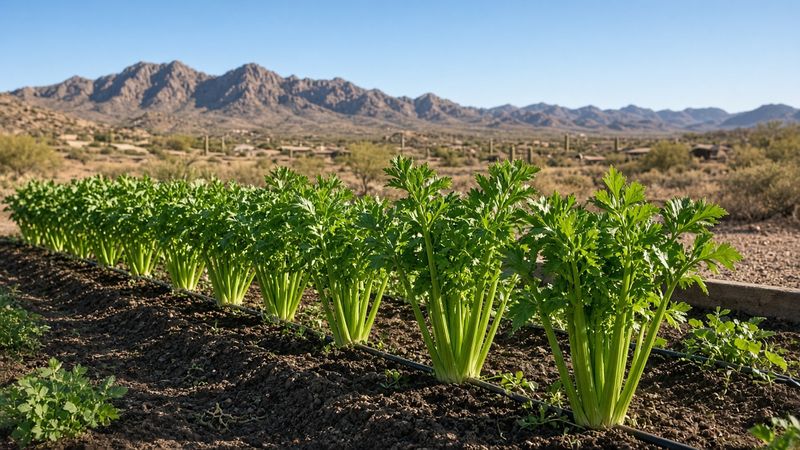
Celery has real roots in Arizona. University of Arizona material on celery production describes commercial growing during the fall and winter, when desert fields are cooler.
That is why fresh celery is a familiar sight in Arizona markets through the cool months.
Home gardens are a different story. Arizona stretches from low, hot desert to high, chilly mountain country.
Planting times shift with elevation and local climate, so there is no single statewide calendar for everyone.
The University of Arizona Cooperative Extension offers a guide to building a successful vegetable garden that is a good starting point. Check it against your own area before you plant.
A gardener in Yuma will plan very differently from one in Flagstaff.
Not every reader grows celery, and that is fine. Store-bought celery is available all year.
This section is about the local setting only, and the farming calendar tells us nothing about health effects. Think of it as a way to know when the local crop is at its freshest.
Celery can contribute water in hot weather
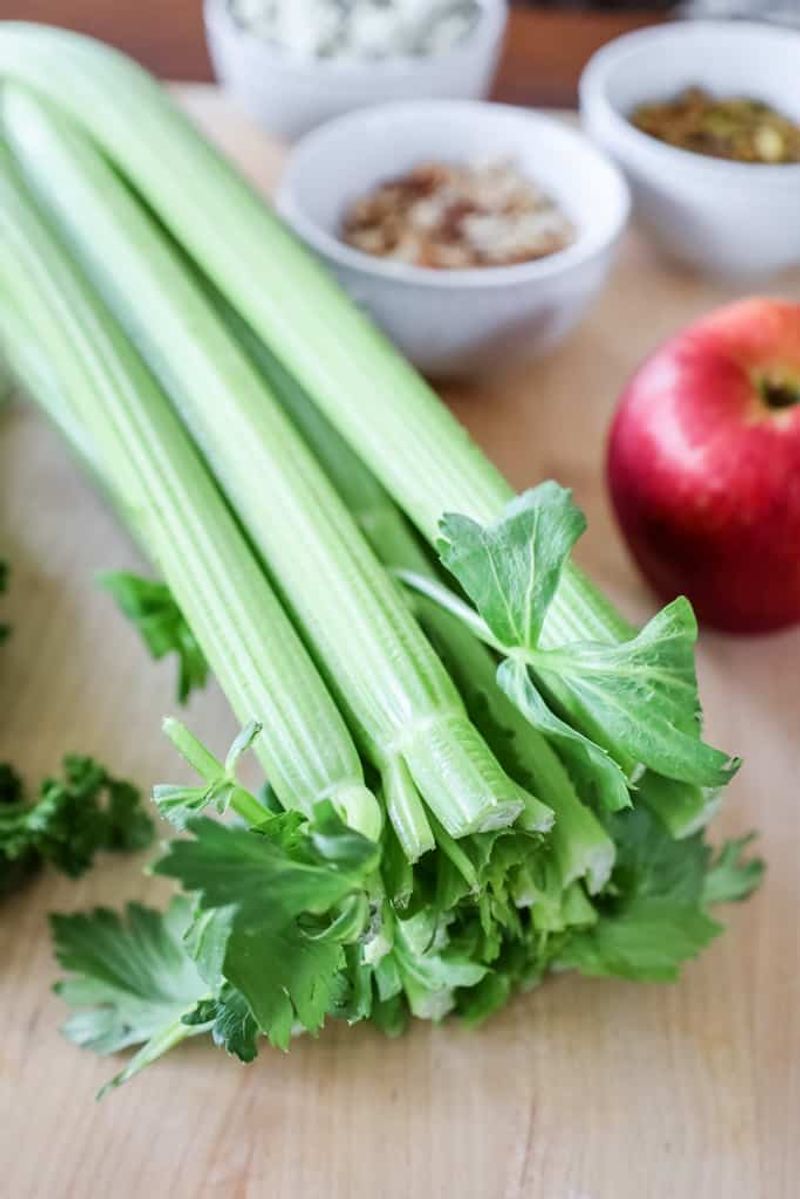
When temperatures climb past 100 degrees, every bit of fluid counts. Foods with lots of water, like celery, can add to your fluid intake, as CDC guidance on water and healthier drinks explains.
Celery is one possible contributor, though, not a replacement for a glass of water.
How much it helps depends on the portion. Using the USDA figure of about 95% water by weight, a handful of celery holds some water, but it is a small share of a full day’s needs.
Food is only one part of total intake.
Fluid needs also differ from person to person. Climate, activity level, and individual factors all play a role.
A hiker on a Phoenix trail needs far more than someone relaxing in an air-conditioned office.
That is why heat safety stays the priority. CDC heat and health information recommends drinking fluids and watching for signs of heat illness.
Celery is a food, not a heat-illness remedy.
A practical move: pack celery sticks with your water bottle, not instead of it. If you feel dizzy, nauseated, or confused in the heat, get to a cool place and seek help.
Celery’s fiber is one part of digestion

Fiber gets plenty of attention for digestion, and celery does supply some. But one serving is not going to settle a digestive problem on its own.
Celery is a single piece of a bigger picture.
For constipation, NIDDK nutrition guidance points to three habits: get enough fiber overall, raise your fiber gradually, and drink enough liquids. Fiber needs water to do its job well.
Jumping up too fast can cause gas and bloating.
NIDDK gives an adult daily fiber range of 22 to 34 grams. Needs vary by age and sex, and that range refers to your total intake across all foods, not celery alone.
Consider the math. At about 1.6 grams per 100 grams, celery contributes a small slice of that daily target.
Beans, oats, berries, and whole grains often carry much more fiber per serving.
So add celery to a mix, perhaps with hummus or in a bean soup. If constipation keeps coming back or comes with pain, a clinician can help sort out the cause.
Celery studies do not prove benefits from ordinary stalks
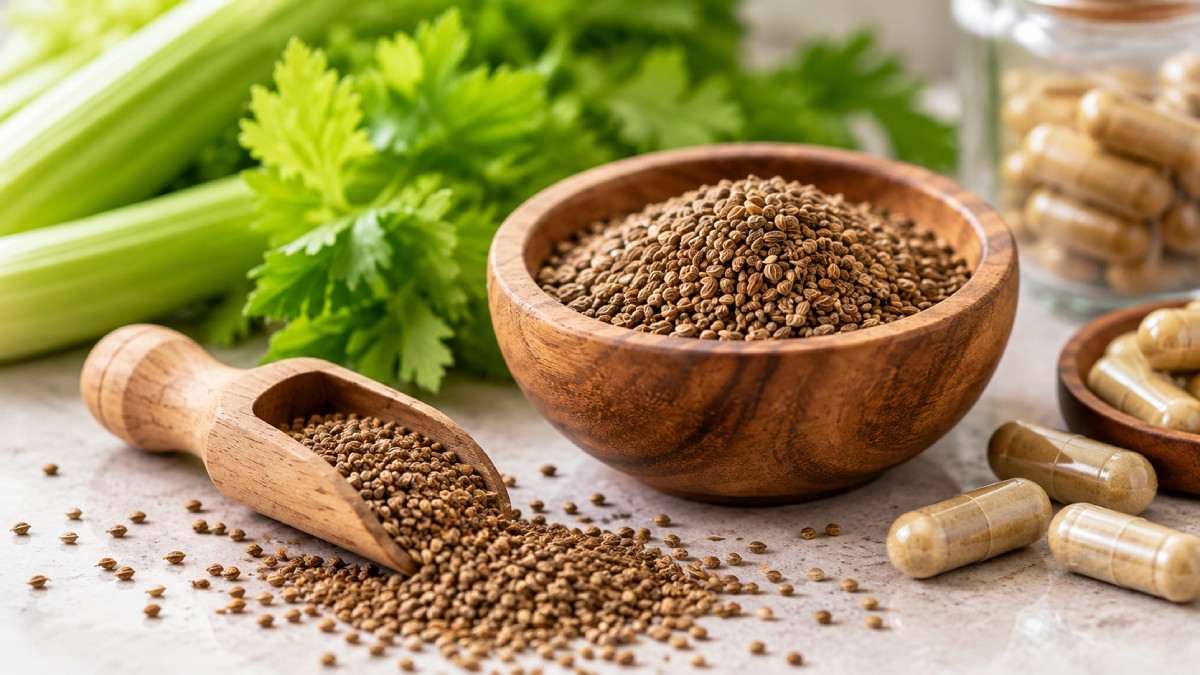
Headlines about celery and blood pressure often come from studies of celery preparations, not plain stalks. A 2022 randomized trial tested celery-seed extract capsules in 52 people with hypertension.
That tells us about a concentrated supplement, not a daily snack.
A 2025 meta-analysis pooled 10 trials of varied celery preparations with 511 participants. The authors reported substantial heterogeneity, meaning the studies differed a lot, and the sample sizes were limited.
They called for higher-quality trials. These results are early, and they do not show that ordinary stalks lower blood pressure, blood sugar, or cholesterol.
The weight-loss idea has a similar problem. You may have heard celery has negative calories, meaning you burn more digesting it than it provides.
In a small study of 15 healthy women, 100 grams of celery supplied 16 kcal, while the energy used to digest it was about 13.8 kcal. That is less than the celery provided.
The study was small, so it is not the last word for every person. Still, the evidence does not support negative calories or guaranteed weight loss from celery.
None of this means celery has no place in a healthy eating plan. A low-calorie, crunchy vegetable can fit nicely into meals.
Just do not count on it to change your blood pressure or your scale by itself.
A few readers should check allergies and vitamin K

For most people, celery is an everyday vegetable with no drama. A few groups deserve a heads-up, though.
If you take warfarin, vitamin K matters. The NIH Office of Dietary Supplements vitamin K fact sheet advises keeping your vitamin K intake consistent.
Talk with your clinician before making a substantial, sustained change in your diet. This is about overall vitamin K intake.
It does not mean you must avoid celery.
Allergies are the other piece. Celery can trigger pollen-food allergy syndrome in some people who have pollen allergies, as the American College of Allergy, Asthma and Immunology explains.
Typical signs are an itchy mouth or scratchy throat after eating raw celery.
Arizona has plenty of pollen, so this may be familiar to some readers. If you notice mouth symptoms, mention them to a clinician.
Be more careful with symptoms beyond the mouth, such as hives, swelling, trouble breathing, or stomach upset. Systemic reactions can occur, so seek clinical advice and urgent care if breathing is affected.
Treat celery as food, not a remedy
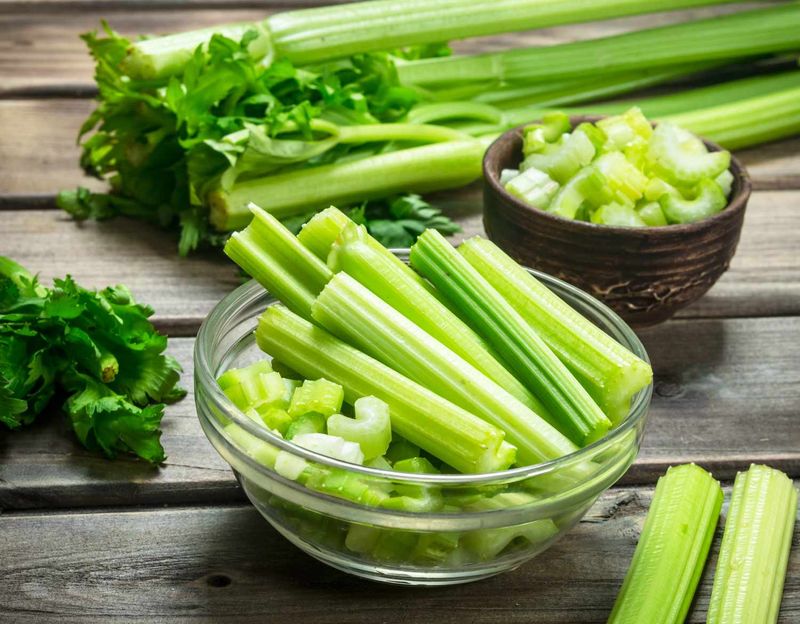
Celery is a fine daily food. It adds water and some fiber, as USDA data per 100 grams show, but no guaranteed change in your body comes with it.
Keep drinking fluids and follow CDC heat precautions, and rely on water first. Do not swap celery in for prescribed treatment or medical advice.
A crisp stalk is a snack, and a snack is enough.
Share this story