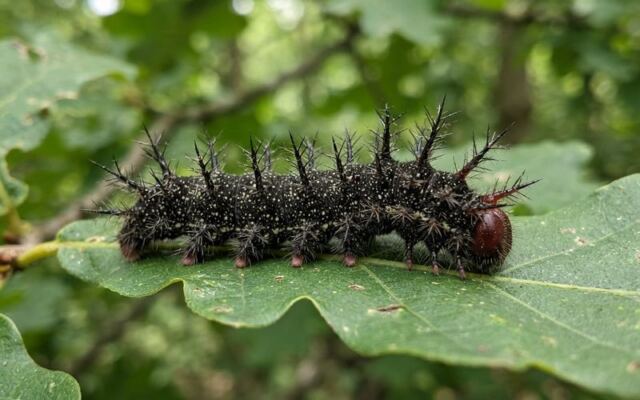
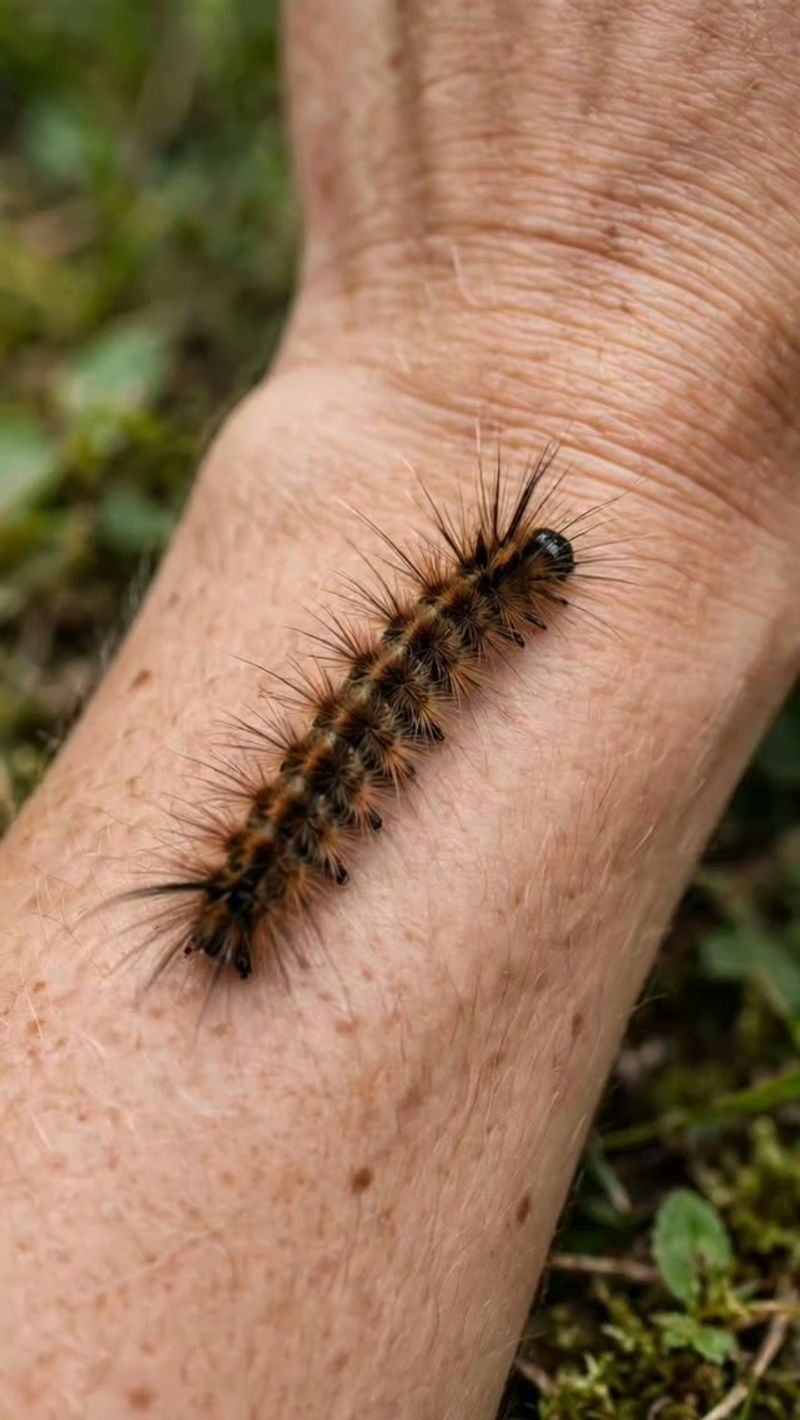
If a spiny caterpillar touches your skin, do not brush it off with your hand. Gently press adhesive tape over the spot to lift the hairs or spines, wash with soap and water, and use a cloth-wrapped cold pack to ease the pain.
Call 911 for trouble breathing or swallowing, collapse, or another severe emergency. Here is how each step works, what symptoms matter, and what Arizona gardeners should know about mesquite and catclaw acacia.
Lift exposed hairs, then wash the skin
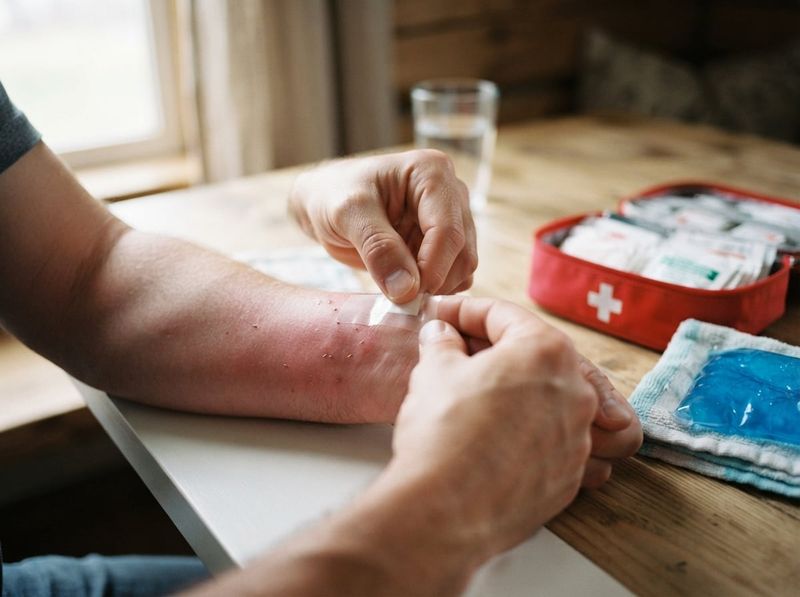
Stop what you are doing the moment you feel a sharp sting or spot a spiny caterpillar on your arm, neck, or clothing. Do not touch it with bare hands, and do not swat or brush it off, because that can spread or press spines deeper into the skin.
If the caterpillar is still on you, flick it away with a stick or tool rather than your fingers.
Next, take care of the exposed skin. Poison Control advises placing tape gently over the area, lifting it off, and repeating with a fresh piece as needed.
Clear packing tape, cellophane tape, or duct tape all work for this. Press lightly and pull straight up instead of rubbing.
After the tape, wash the area gently with soap and water. Skip scrubbing, because rough handling can push more hairs into the skin.
If clothing touched the caterpillar, handle it carefully and wash it separately later.
Keep realistic expectations. Tape may lift hairs or spines, but it does not guarantee they are all gone, and it does not neutralize venom.
It is a first step, and pain may continue for a while. Poison center guidance also warns against rubbing or scratching the site, so resist the urge even if it itches or burns.
This sequence is general caterpillar-exposure guidance. It has not been tested specifically on Arizona buck moth species, but it is the standard advice from poison control and extension sources.
Use a cold pack for discomfort

Once the skin is washed, a cold pack can take the edge off the throbbing and burning. Wrap it in a thin cloth or towel first.
Skin that is already irritated does not need a block of ice pressed straight against it.
Extension guidance backs this up. Texas A&M AgriLife Extension suggests an ice pack on the sting site for stinging caterpillars.
MedlinePlus also describes using a cold compress with a cloth barrier.
Think of cold as comfort care. It can ease discomfort, but it is not a cure, it does not neutralize venom, and it will not prevent every reaction.
Use it for short stretches, check the skin now and then, and take breaks instead of leaving ice in place for a long time.
It is tempting to reach for pantry or medicine cabinet remedies. Stick with the basics described here, and ask a poison center before trying anything else.
If the pain gets worse or new symptoms appear, move on to the warning signs in the next section instead of waiting it out.
Know which symptoms need urgent help
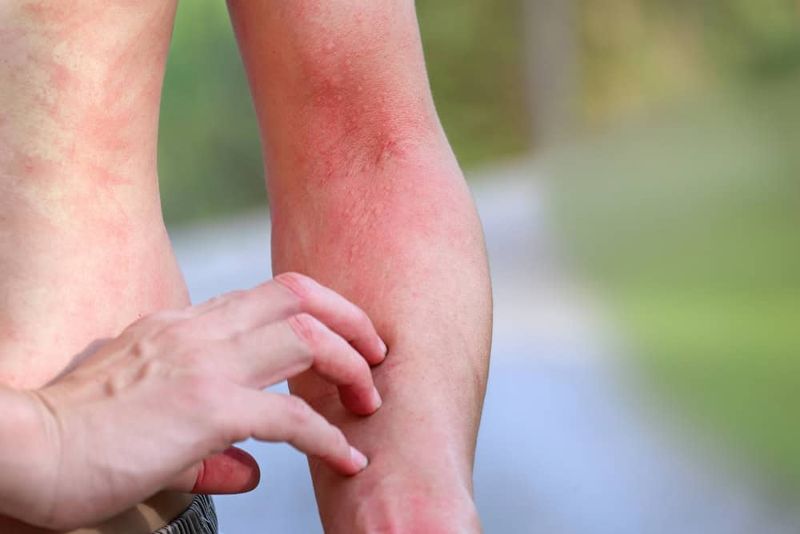
Most people expect a local reaction, and reactions vary from person to person. Poison Control lists pain, burning, itching, redness, swelling, welts, and sometimes blisters.
Headache and nausea are also reported after some caterpillar exposures.
A sting that hurts a lot but stays on the skin is different from a body-wide problem. Nobody can judge a particular exposure just by guessing which caterpillar did it.
Treat each sting as its own situation, and pay attention to how you feel over the next hours.
Call 911 right away for trouble breathing or swallowing, collapse, or another severe emergency. Poison Control’s emergency guidance is clear that serious symptoms call for emergency help.
Do not wait to see whether tape or a cold pack fixes it.
Not every sting means a trip to the emergency room. If symptoms are milder but worry you, such as swelling that keeps growing, pain that is getting worse, or blisters, call the Arizona Poison and Drug Information Center at 1-800-222-1222 for advice.
If you are unsure whether something is an emergency, calling is a safe choice. The poison center line does not replace 911 when symptoms are severe.
Children, and anyone who has reacted strongly to stings before, deserve extra attention. Stay with them and watch closely after contact.
Rinse an eye exposure and get advice
Hairs or spines in the eye need different handling than a sting on the arm. Do not use tape near the eye, and do not rub it.
Rinse the eye with room-temperature water, letting it run gently over the eye.
MedlinePlus says eye contact calls for flushing and medical help. Poison center guidance likewise points to professional advice because tiny spines can irritate or injure the eye.
After rinsing, promptly seek poison-center or medical advice. Eye exposure needs a professional opinion even if the pain eases, since small hairs can remain.
In Arizona, you can call the Arizona Poison and Drug Information Center at 1-800-222-1222. The center explains when to call, and exposure questions are exactly what it handles.
Staff can advise whether you need to be seen in person.
That call is not a substitute for emergency response. If you have trouble breathing or swallowing, collapse, or another severe emergency, call 911 first.
Mesquite and catclaw can narrow the possibilities
Gardeners often meet spiny caterpillars while trimming mesquite or catclaw acacia, so a buck moth is one possibility. But a caterpillar on a plant is not proof of its identity.
Many insects share the same shrubs, and a quick look during yard work can easily mislead.
Two Arizona species show how the details differ. Butterflies and Moths of North America associates the Juno buck moth, H. juno, with mesquite and reports eggs hatching in April or May.
The tricolor buck moth, H. tricolor, is a different story. That species page records it on mesquite and catclaw acacia, among other hosts, with eggs hatching in July.
So there is no single statewide caterpillar season, and not every Hemileuca species uses the same plants. The life cycles are not interchangeable.
Because identification can be uncertain, treat any spiny caterpillar with caution. If you want a photo for identification, take it from a distance, and never pick the caterpillar up bare-handed.
Take precautions before pruning again

A little planning cuts down the odds of a second sting. Before you prune, look over the branches for clusters of caterpillars, and keep your hands off them.
Use long-handled tools so you can work at a distance, and take care when you drag cut branches across bare skin.
Covering up is sensible too. A buck moth management review recommends protective clothing, including long sleeves and gloves.
That review covers H. maia, not Arizona species, so treat it as general prevention guidance rather than Arizona-specific research.
Keep a roll of tape in your gardening kit so you can act quickly. If a caterpillar does touch you, follow Poison Control’s steps: do not swat it, lift hairs with tape, then wash gently.
When you are unsure what to do, call the Arizona Poison and Drug Information Center at 1-800-222-1222. The center’s guidance lists when to call, and staff can give advice for your situation.
For severe symptoms, 911 comes first.
A caterpillar the size of a paperclip can ruin an afternoon, but a quick look before you reach in costs you nothing.
Share this story