Nobody can point to a clear South Carolina rule that says who owns pecans that drop from a neighbor’s tree into your yard. The state does have laws about walking onto someone else’s land to gather fruit and about harming someone else’s tree.
Those rules matter most when a pile of free nuts tempts you to step over the line. Here is what the law covers, what it leaves open, and how to handle it without starting a feud.
What South Carolina law establishes about fallen pecans
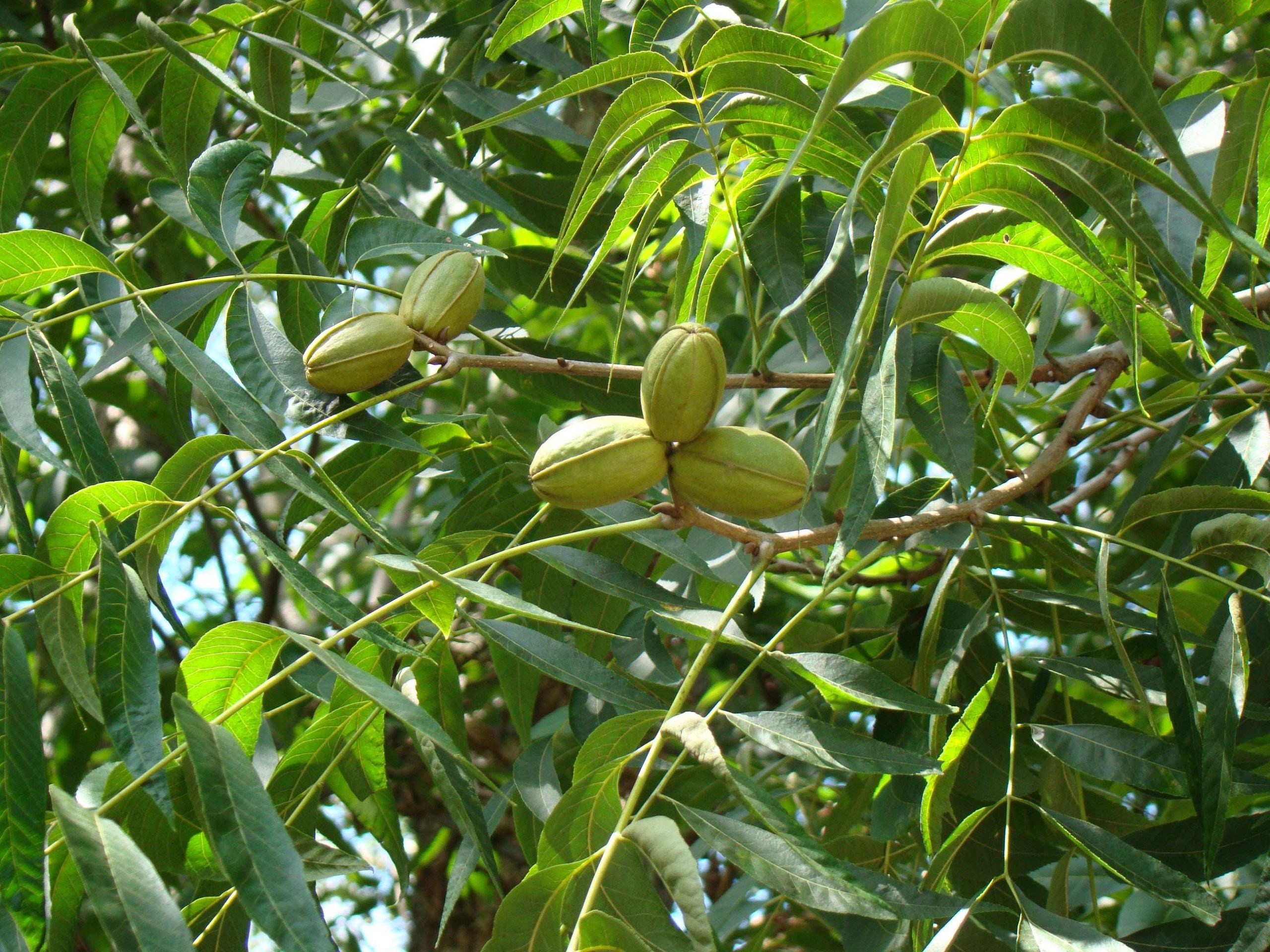
The South Carolina sources reviewed do not establish who owns pecans that fall naturally from a neighbor’s tree onto your land. No South Carolina appellate decision that we located squarely answers that question.
So anyone who tells you the nuts automatically belong to the yard owner, or automatically stay with the tree owner, is claiming more than the sources show.
What the state does address is narrower. Title 16, Chapter 11 of the South Carolina Code covers entering another person’s land for certain purposes, including gathering fruit, and it covers injuring another person’s tree.
Neither topic is the same as deciding who keeps a nut once it lands on the ground across a boundary.
Court opinions can look relevant but often are not. One example is an unpublished Court of Appeals opinion, Kennedy v.
Johnson, which dealt with a low-hanging limb and a public right-of-way. It was about control and duty in that setting, not about fruit or nuts.
You may be tempted to borrow a rule from somewhere else. National summaries from FindLaw note that laws and court approaches to fallen fruit differ.
That mix of answers is exactly why another state’s rule cannot fill the gap here. Without South Carolina authority behind it, treat any confident claim about fallen pecans as unproven.
The law addresses entering a neighbor’s land to gather fruit

Picture a neighbor’s yard carpeted with pecans while yours has only a few. South Carolina Code Section 16-11-610 speaks to that moment.
It makes it an offense to enter another person’s land without the owner’s or manager’s consent for the purpose of gathering fruit, among other listed activities, and you can read it in Chapter 11 of Title 16.
In plain terms, stepping into a neighbor’s yard to collect pecans without a yes from them is the risky move. The law is about the entry, so a good intention or a small harvest does not change the picture.
It is also worth knowing what the section does not do. It does not say who owns pecans that already sit on your side of the line.
It is a rule about where you may walk, not a ruling on who keeps the nuts.
A separate trespass-after-warning provision covers entering premises after being warned not to, or refusing to leave when asked, without legal cause or good excuse. The South Carolina Attorney General discussed consent in relation to trespass in a 2019 opinion.
The takeaway is practical: permission matters, and a neighbor’s warning matters too.
None of this settles ownership of windfallen nuts. It simply gives you a clear reason to ask first before you cross over.
Nuts on the ground and nuts on a branch are different situations
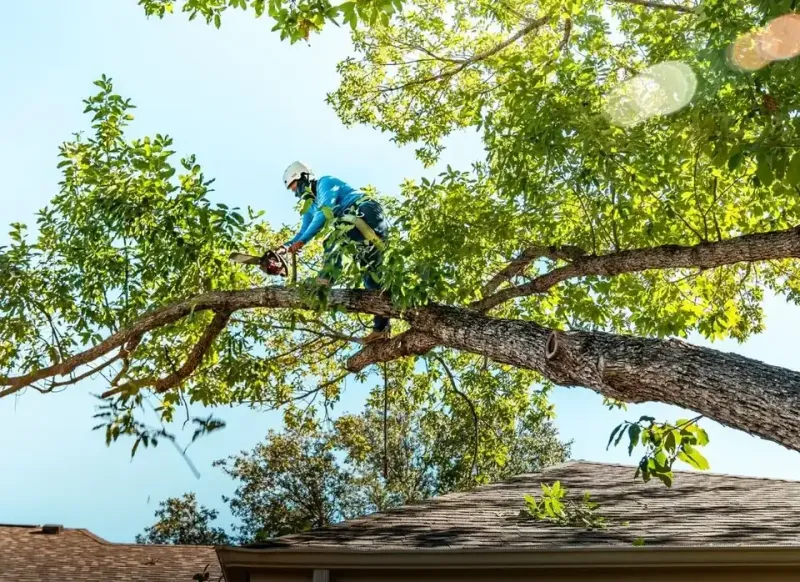
Not every way of getting pecans is the same act. Picking up nuts that have already landed on your lawn is one thing.
Picking nuts still attached to a branch that hangs over your yard is another. Walking into the neighbor’s yard to collect them is a third.
For the first, the South Carolina authorities we reviewed do not conclusively say who owns those nuts. For the second, they do not establish a right to harvest from the overhang.
Both questions remain open, so neither one should be treated as settled in your favor.
The third is where the statute speaks up. Section 16-11-610 clearly addresses entering another person’s land without consent to gather fruit.
That is the one situation with a direct statutory reference.
Be careful not to stretch that section too far. It does not expressly decide who owns nuts on your side, and it does not resolve the narrow act of reaching from your yard across the boundary to pick something.
Each scenario stands on its own.
A handy example: a nut sitting in your flower bed, a nut dangling six inches past your fence, and a nut under the neighbor’s tree are three different questions. Only the last matches the wording of the statute.
Outside South Carolina, approaches vary. FindLaw’s overview notes that fallen fruit rules are not uniform, which is another reason to stay cautious.
An overhanging branch is not permission to cross the line
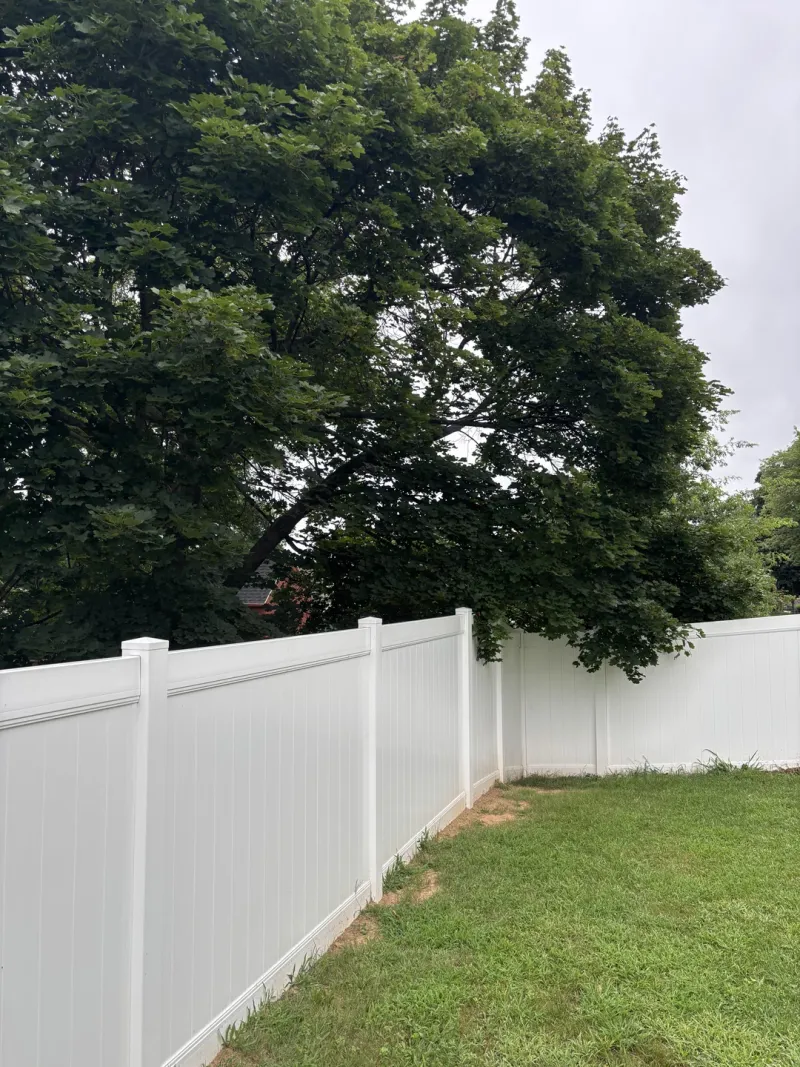
A branch full of nuts hanging over your fence can feel like an invitation. It is not one.
An overhang does not give you permission to enter the tree owner’s property, and a nut’s position does not create a right to cross the boundary.
The safest move is to ask. A quick knock or a friendly note costs nothing, and it avoids guessing about a right the sources do not establish.
Skip the shortcuts, too. Do not shake, strike, cut, or otherwise damage the tree to bring pecans down.
Section 16-11-520 addresses willful and malicious injury to another person’s tree. It does not mean every touch or gathering from a tree breaks the law, but whacking limbs for nuts is the kind of conduct you want to avoid.
Trimming is a common worry. A South Carolina law firm says the state has no statute expressly authorizing the trimming of overhanging branches and no published appellate decision squarely deciding it.
It describes limited trimming as commonly accepted but flags legal risk. That is uncertain guidance about branches, not authority to pick fruit.
You may also hear about Kennedy v. Johnson.
That Court of Appeals opinion concerned a low-hanging limb and control of a public right-of-way. It says nothing about who owns pecans.
Ask before keeping a disputed harvest
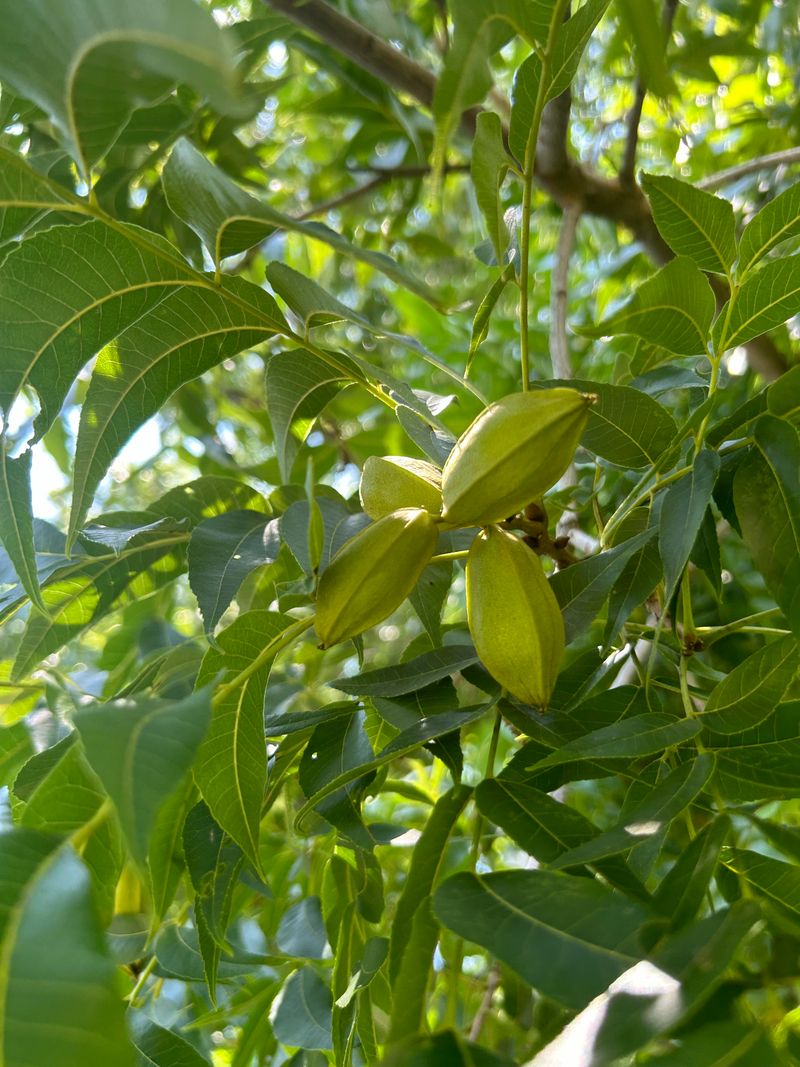
Suppose the pecans are piling up on your side and your neighbor starts eyeing them. The available sources do not decide who keeps nuts that have fallen onto your land.
Neither of you has a guaranteed claim that the sources support.
Here is a cautious, neighborly way to handle it. This is practical advice, not a legal requirement.
Stay out of the neighbor’s yard, and let them know you would like to gather the nuts that landed on your side.
Asking first keeps things simple. You might offer to split the harvest, or agree that each person keeps what lands on their own lawn.
A short chat now beats an argument later.
Keep the entry rules in mind if the talk goes badly. South Carolina’s statutes address entering another person’s land without consent to gather fruit.
If a neighbor tells you to stay off, treat that seriously. The Attorney General’s trespass and consent discussion shows why consent and warnings matter.
One more point: the sources reviewed do not establish a general South Carolina duty for a neighbor to clean up fallen pecans. So do not demand that they do, and do not assume the mess is automatically yours either.
A friendly offer to help rake can go a long way.
Stay on your side and get permission

South Carolina’s sources do not settle who owns naturally fallen pecans, but they do speak to entering another person’s land to gather fruit and damaging a neighbor’s tree. So keep your feet on your own ground, and do not assume that fallen or overhanging pecans are automatically yours.
When the harvest is disputed, ask the neighbor and reach an agreement.
A pecan pie tastes better when nobody is angry about the nuts.
Share this story