Pokeweed’s glossy purple berries have a bad name, yet its young spring leaves were once cooked and eaten as a dish called poke sallet. That strange pairing of poison and pot is what makes this weed so interesting.
The cooking tradition is documented in Southern and Appalachian foodways, and the plant still grows along fences and field edges across Virginia. Here is how the food history and the poison warnings fit together, and what to do if someone eats the wrong part.
Pokeweed has a food history as well as a poisonous reputation
Few roadside plants carry two stories like pokeweed does. Medical guidance treats it as toxic to people, and MedlinePlus names the roots, leaves, and stems as holding the highest amounts of poison.
Yet foodways writers have recorded young shoots and leaves being cooked as greens.
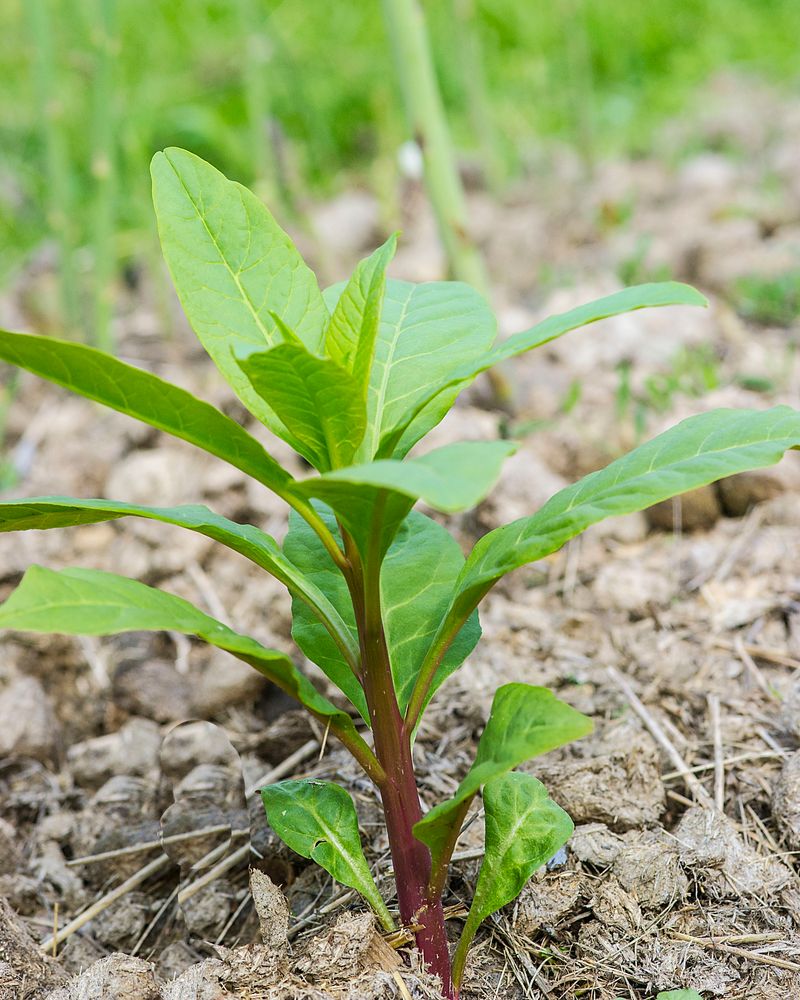
That dish is called poke sallet, and The New Encyclopedia of Southern Culture describes it as made from young leaves and tender shoots. So the plant really does have a place in regional cooking history.
Seeing both facts side by side is the point of this article. A recipe tradition tells us what people did, and it does not tell us that the plant is safe to eat.
The medical record and the cooking record answer different questions.
In the sections ahead, we look at where poke sallet appears in the record, what makes the plant harmful, and why illness has followed even the traditional method of cooking it. We also cover berries, birds, and the steps to take after a suspected exposure.
Treat the history as a window into the past, not an invitation to forage a pot of greens.
Poke sallet appears in Southern and Appalachian foodways
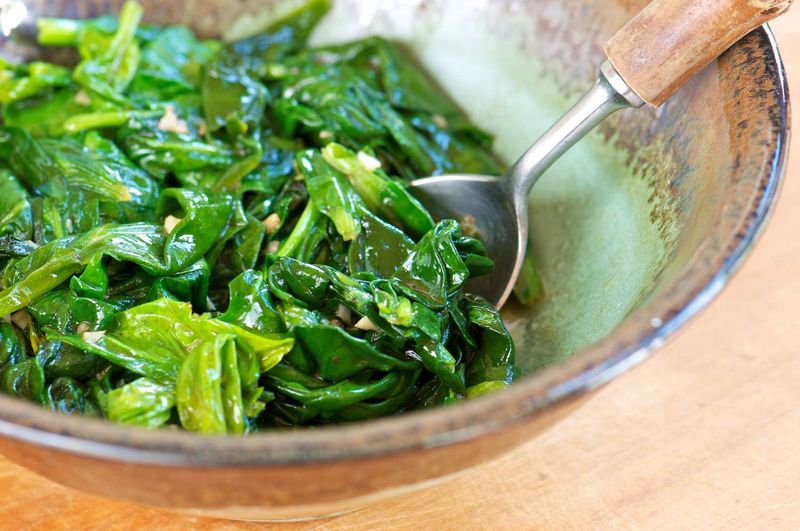
Ask a food historian about poke sallet and the answer points south and into the mountains. The reference entry in The New Encyclopedia of Southern Culture describes it as a dish made from young pokeweed leaves and tender shoots.
The word sallet is an old form of salad, though the dish was a cooked green.
A poison center gives a matching picture from the medical side. The Missouri Poison Center notes that poke sallet is common in the South and Appalachia.
Two very different kinds of sources agree on the region.
That regional label matters for the title of this article. Pokeweed grows wild in Virginia, which sits inside the broader Southern and Appalachian world.
But the sources gathered here do not show that Virginia cooks in particular prized the dish, so the safest description is a regional tradition that Virginians may well have shared.
It also helps to be clear about what the sources leave out. They do not give us exact dates, family customs, or reasons that cooks chose this plant.
Anyone who tells a detailed origin story is going beyond the record.
What we can say is modest but solid. Young shoots and leaves were cooked and eaten in parts of the South and Appalachia, and that practice was written down in foodways references.
The record shows a custom, and it does not vouch for the plant’s safety.
What makes pokeweed poisonous to people
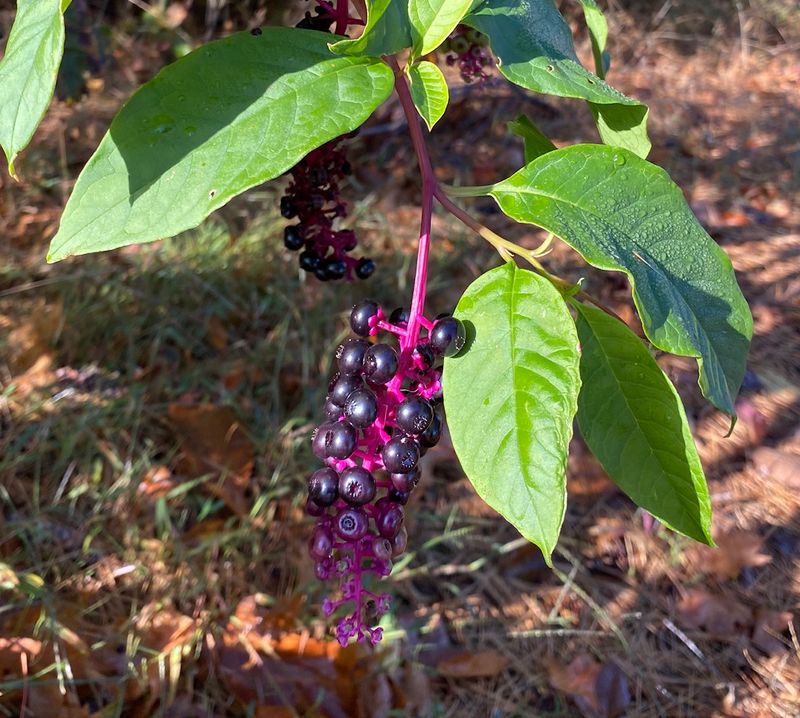
The poison in pokeweed is not limited to one part. According to MedlinePlus, the roots, leaves, and stems hold the highest amounts, and the roots should never be eaten.
For safety, treat every part of the plant as toxic to humans.
Symptoms usually begin with the stomach. People may have nausea, vomiting, abdominal pain, and diarrhea, and these signs often show up within hours of eating the plant.
Severe cases can be worse. The same medical source lists bloody diarrhea and low blood pressure among the serious effects, which is why a bad reaction needs a medical team and not a wait-and-see approach.
Outcomes are not the same for everyone. The amount eaten, the plant part, and the age and size of the person all matter, and children can be hit harder by smaller amounts.
Variation like that is not a comfort. It means no one can look at a plant and predict how a particular person will react.
A practical clue for families is timing. If stomach pain and vomiting start a few hours after someone handled or tasted wild plants, mention the plant when you call for help.
That detail can guide the advice you receive.
Boiling does not guarantee safety
Old accounts of poke sallet often mention cooking the young greens in water more than once. Some conservation and poison-center sources describe this repeated boiling with water changes.
Sources do not agree on the details, and some describe two water changes while others describe it differently.
A real outbreak shows why that matters. A CDC report on a 1980 outbreak found illness after young leaves had been boiled, drained, and reboiled.
Of 51 people interviewed, 16 met the case definition for illness, and four were hospitalized for vomiting and dehydration.
Poison experts echo the caution. Poison Control notes that stomach symptoms have occurred despite the commonly described double-boiling method, and the Middle Tennessee Poison Center also reviews the toxicity question for this plant.
Official plant guides stay firm as well. The Missouri Department of Conservation still says all parts should be considered poisonous, and the Missouri Poison Center advises avoiding the plant as food.
For that reason, this article gives no recipe and no cooking steps. A method that was passed along for generations is still not a promise.
Boiling cannot be counted on to remove the risk.
Birds eating the berries does not make them safe for people
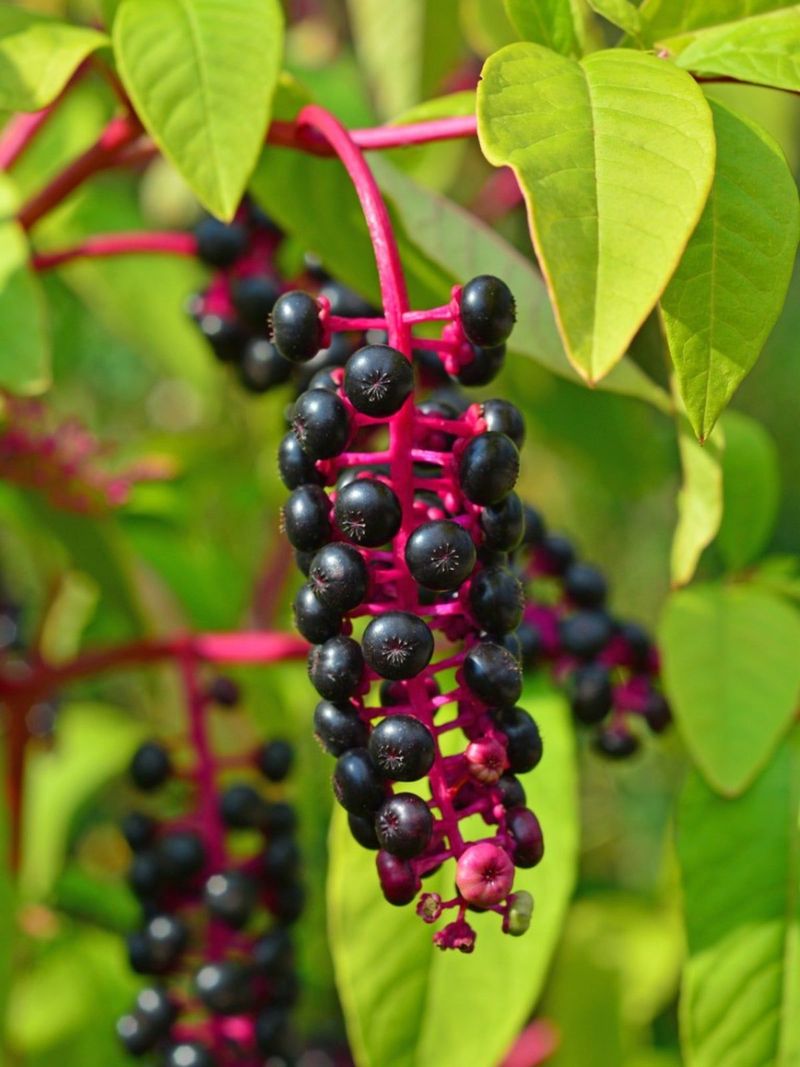
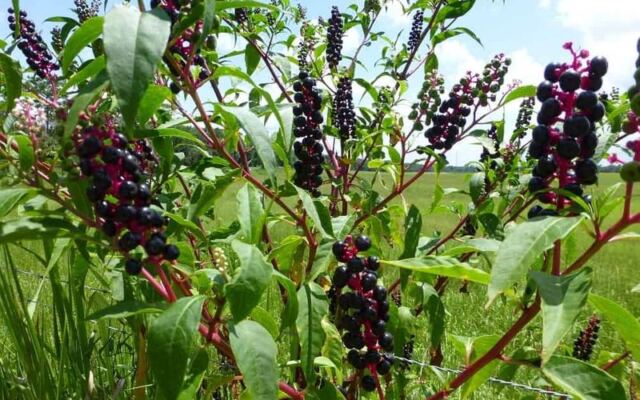
Watch a pokeweed patch in late summer and you may see birds feeding on the dark berries. The Missouri Department of Conservation reports that several bird species eat them, while it warns that the fruits are toxic to humans.
Birds and people have very different bodies, so one tells us nothing about the other.
Berries also tempt children, since they look a bit like grapes. Poison Control says a child who eats one or two berries is unlikely to develop symptoms, while several may cause stomach illness.
Medical guidance sounds a stronger alarm at higher amounts. MedlinePlus warns that more than 10 uncooked berries can cause serious problems in children.
Those numbers describe what poison specialists have seen in specific cases. They are not safe limits, and no one should treat them as a count that is acceptable to eat.
Risk depends on the amount and the person.
The practical lesson is simple. If you have young children, teach them that the purple clusters are not snacks, and consider removing plants near play areas.
If a child does eat some, call for advice rather than guessing.
What to do after a suspected exposure
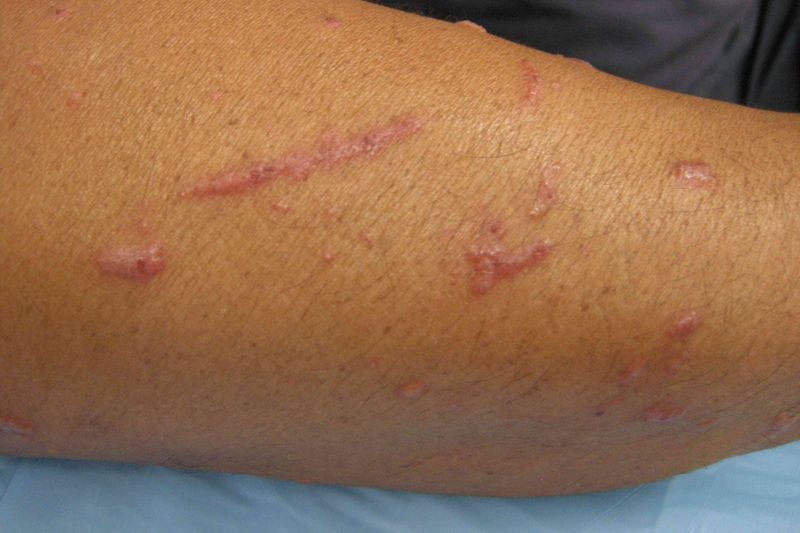
Quick action beats worry. If someone in the United States may have eaten any part of pokeweed, call Poison Control at 1-800-222-1222.
The specialists can judge the situation based on the plant part, the amount, and the person’s age and health.
Do not try to make the person vomit unless a poison specialist or clinician tells you to. MedlinePlus gives this same direction, and it also says to seek immediate medical help for a severe reaction or an emergency.
Have a few facts ready before you call. Note what part was eaten, about how much, when it happened, and the person’s age and weight.
A photo or a sample of the plant can help, as can a description of any symptoms.
Berries are a common worry. Poison Control notes that pokeberries and grapes can be mistaken for each other, so mention if a child may have picked fruit from a vine or a shrub.
Keep the number saved in your phone. Calling is free and confidential, and an early call can save a long, worried night.
A food tradition is not a safety test
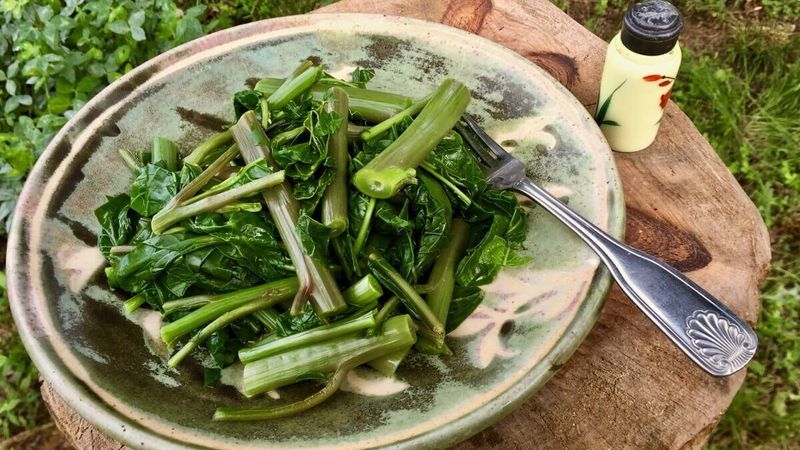
Poke sallet earned its place in the record. The New Encyclopedia of Southern Culture documents it as a Southern dish made from young leaves and shoots, and that history is worth knowing.
Yet a long tradition is only a story about what people did. A CDC outbreak report shows illness even after leaves were boiled, drained, and reboiled, and MedlinePlus treats the plant as poisonous.
The sources here do not tell us how local cooks felt about the berries or the greens. They tell us that a custom existed and that harm has been recorded.
Pokeweed teaches that a dish can belong to history without belonging on your stove.
Share this story