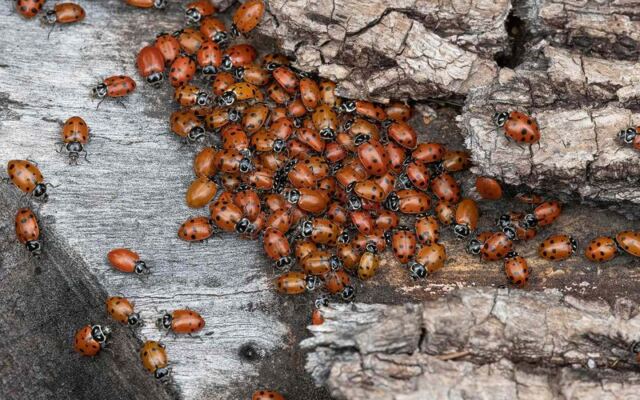
Every fall, clusters of orange beetles show up on sunny Kentucky window frames and siding, and some sneak inside. Many people call them ladybugs, while others swear they bite.
The truth sits somewhere in between, and knowing it helps you deal with them calmly. Here is how to recognize them, what they can actually do, and how to keep them out.
It is a lady beetle, and color alone cannot identify it
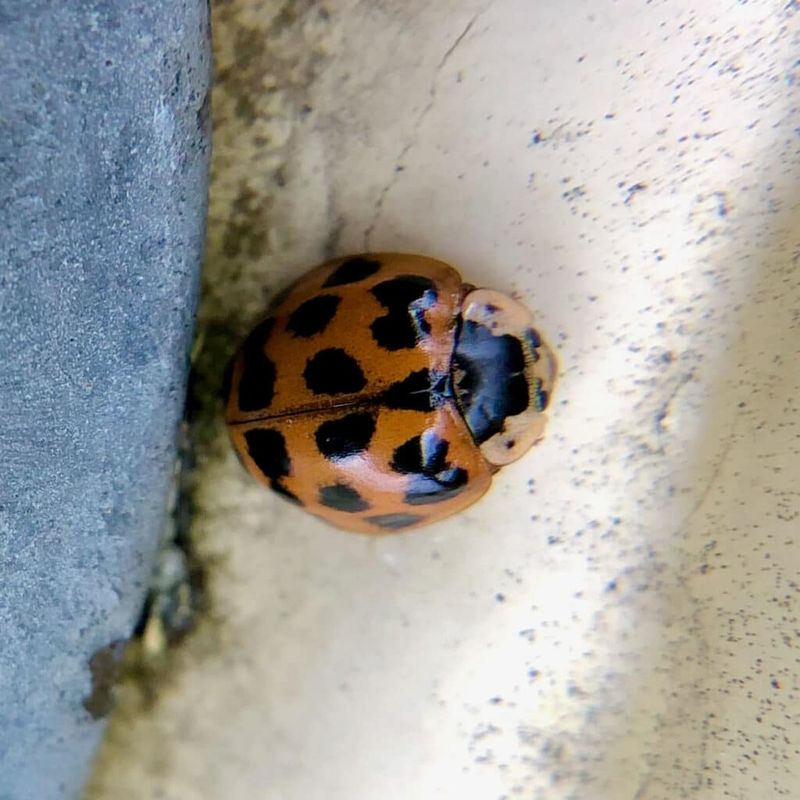
Despite what the headline might suggest, the beetle at your window is a ladybug relative. The multicolored Asian lady beetle, Harmonia axyridis, belongs to the lady beetle family, and ladybug is a common name for that whole group.
As University of Minnesota Extension explains, the name is about what we call them, not about them being a different kind of insect.
So how do you tell which beetle you have? Color and spots will not settle it.
These beetles range from pale yellow-orange to deep red, and some have many spots, a few spots, or none at all. An orange beetle with black dots could be this species or one of several native lady beetles.
A better clue is the pale area just behind the head. On this species it often carries a dark M-shaped or W-shaped mark.
University of Kentucky Entomology describes that marking as useful, though it can vary and may be hard to see without a close look or a magnifying glass.
Treat the marking as a helpful hint rather than a foolproof test. Where the beetles are found matters too.
A crowd of them on the sunny side of a house in autumn points strongly toward this species. A single beetle on a garden plant in summer tells you much less.
With that starting point, the fall gatherings start to make sense, and the next section explains why they happen.
Why do they gather on Kentucky buildings in fall?
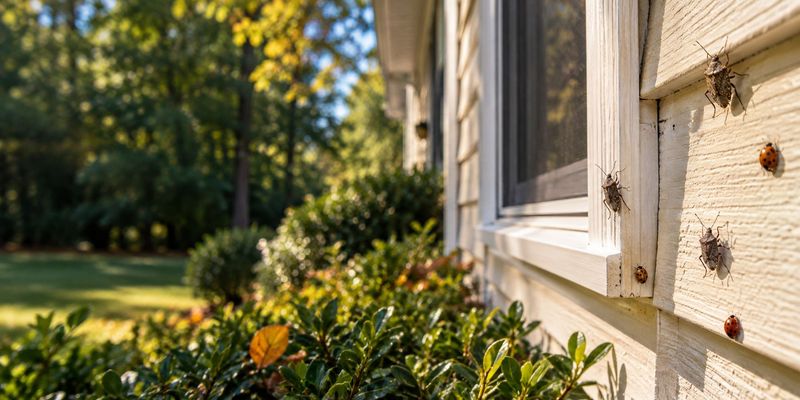
Adult beetles spend summer outdoors eating aphids and other small insects. When days shorten and nights cool, they look for a sheltered place to wait out winter.
In nature that might be rock crevices and cliffs, and a house can look like a very good substitute.
Sunny, bright building surfaces draw them in, often on the southwest-facing sides. From there they crawl into cracks and gaps and reach wall voids, attics, and other protected spaces.
University of Kentucky Entomology notes that flights are often strongest on sunny afternoons after cooler weather, once temperatures climb into the mid-60s Fahrenheit.
Timing depends on place and weather. The same UK source says flights to buildings can happen from September through November, with most Kentucky migration occurring in October.
Activity also changes from day to day, so a cold, cloudy stretch can quiet things down and a warm afternoon can bring a sudden crowd.
That means no single date applies to every town. Your neighbor across the county may see a different pattern than you do, and a late-November beetle sighting does not prove a statewide peak.
UK’s landscape pest calendar for Kentucky also warns that exact dates shift with local weather and conditions.
If you notice beetles collecting on one wall, that is your clue about where to look for gaps next year.
A pinch is possible, but it is usually minor
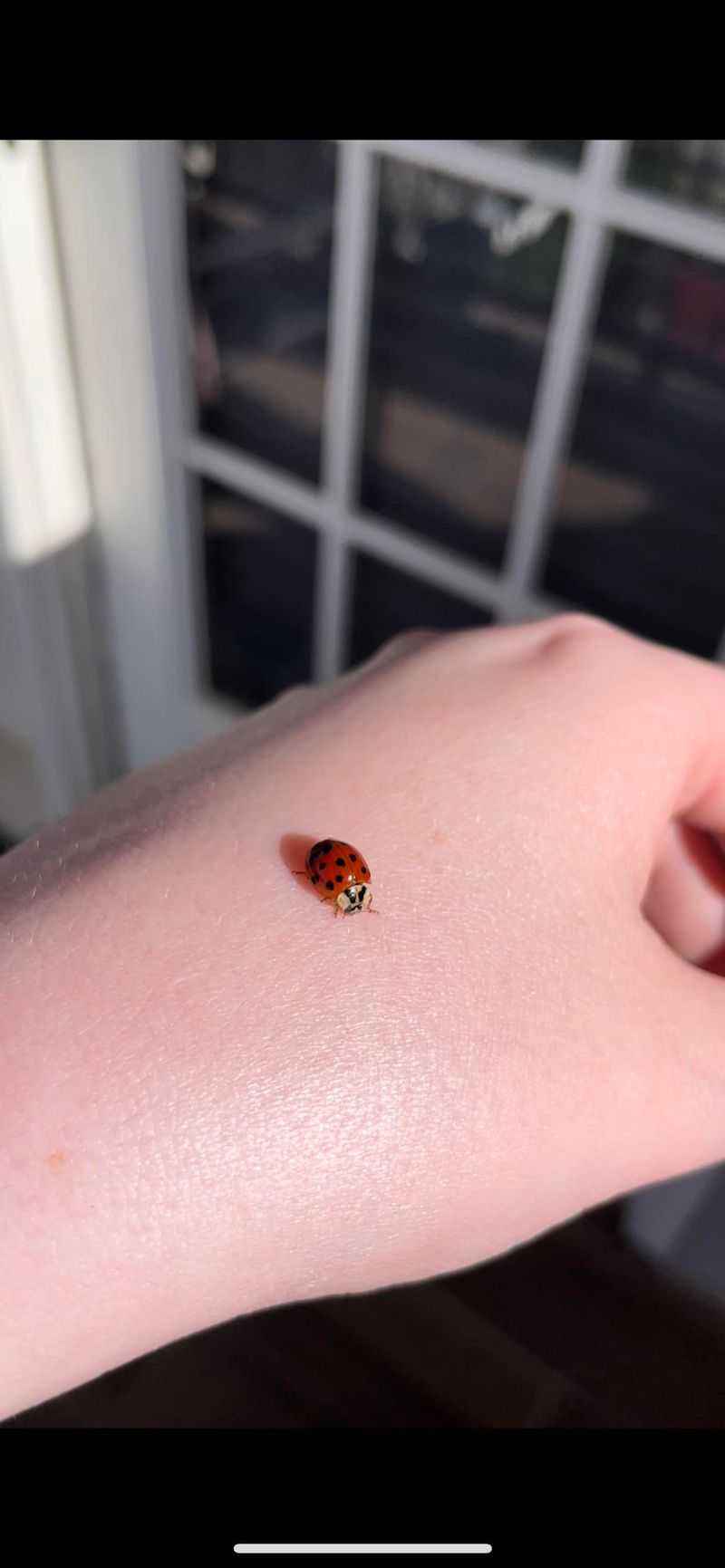
Here is the fair version of the bite story. These beetles may occasionally pinch or bite, but they are not generally considered biting pests.
When it does happen, the effect is usually minor, like a tiny nip that you barely notice. University of Kentucky Entomology advises simply avoiding handling them.
A pinch does not point to one species, either. University of Minnesota Extension notes that other lady beetles can bite too, so a nip does not prove what you are holding.
Extension sources also say the beetles do not carry or spread disease, and a University of California Q&A describes the bites as minor.
Allergies are a separate question. Small clinical studies, such as a 2007 study of Asian ladybugs as a seasonal indoor allergen and a 2007 report from an allergy practice, found that some patients became sensitized.
That research is limited in size and location. It does not mean most people will react, and it cannot tell you whether the beetles caused any one person’s asthma or allergy.
If you have symptoms that worry you, a doctor is the right person to ask.
Their defensive fluid causes the odor and can stain
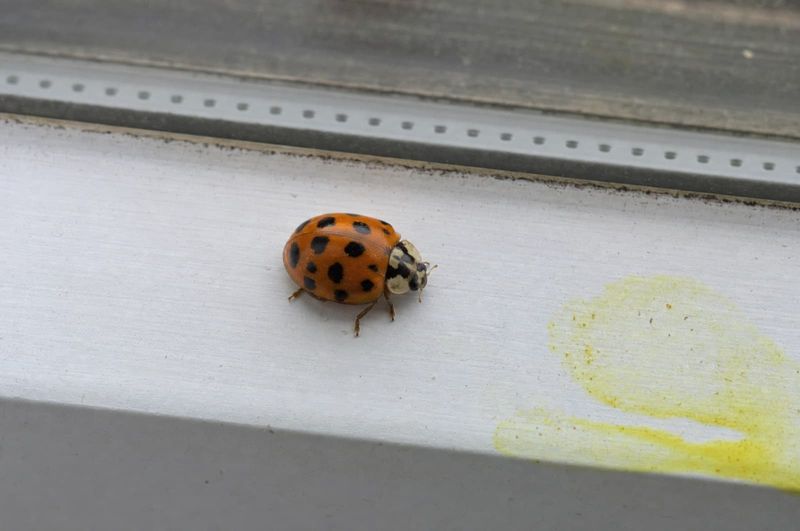
Ever notice a faint, unpleasant smell near a cluster of beetles? That comes from a defensive reflex.
When disturbed, the beetle can release a yellowish fluid from joints in its legs, a process often called reflex bleeding.
The fluid is meant to discourage predators, and it works on people too, because it can smell bad. University of Kentucky Entomology reports that it may stain some surfaces.
Light walls, curtains, and fabrics are the usual worry.
Not every beetle leaves a mark, and the fluid is a household annoyance rather than a serious hazard. University of Minnesota Extension also describes the odor and staining as part of the nuisance.
The practical lesson is to avoid startling them more than needed. Crushing or sweeping beetles makes staining more likely, so wiping a cluster off a wall is likely to leave a smear.
Gently collecting them is a better move, and the next sections cover how.
If a stain does appear, try a mild soap and water on a hidden spot first. Test any cleaner on a small area before treating the whole surface.
Sealing gaps before fall is the lasting prevention
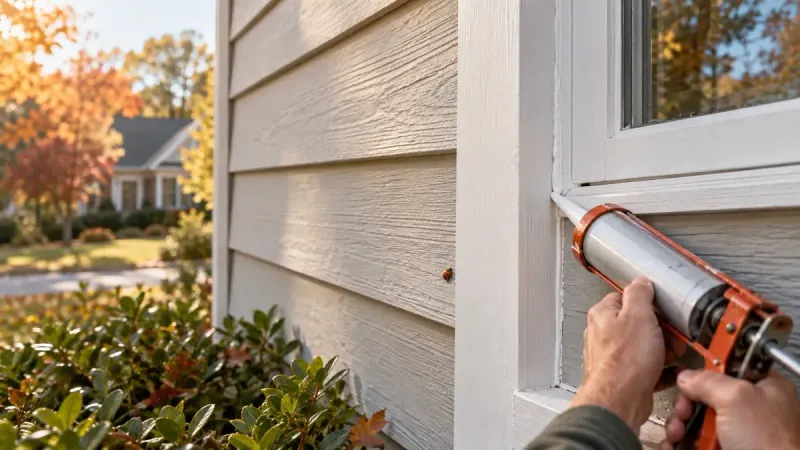
Keeping beetles out beats cleaning them up. Exclusion is the main long-term measure, and it works because the beetles only get inside through openings.
University of Kentucky Entomology lays out a clear checklist.
Start with cracks and gaps around windows, doors, siding, fascia, soffits, and places where utility lines enter the house. Seal them with a good exterior caulk.
Repair torn window and door screens, cover attic vents with screening, and fit door sweeps along the bottom of exterior doors.
Do not assume a tiny gap is safe. UK warns that gaps of 1/8 inch or less can still let beetles through, so check closely, especially on the sunny sides of the house.
Timing matters. Plan to do this work in late spring or summer, well before the fall flights begin.
Once beetles are already crowding a wall, sealing can trap some of them inside.
Pesticides are a secondary option. UK describes exterior barrier treatments as seasonal, usually timed for late September to early October in Kentucky, and that varies with conditions.
Check the current product label and local rules before using any product, and treat sealing as the real solution.
What should you do when beetles are already inside?
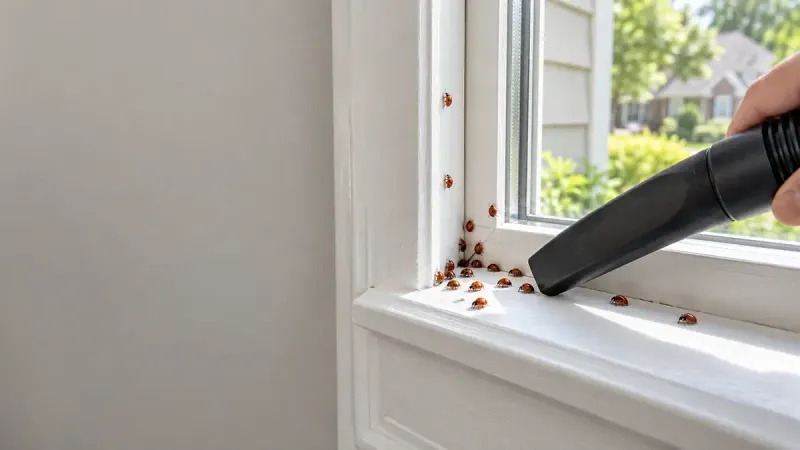
Once beetles are in the room, a vacuum is your best tool. It removes them quickly without crushing them, which keeps the smell and staining down.
University of Kentucky Entomology recommends vacuuming as a practical removal method.
Empty the vacuum outdoors afterward, or tie off the bag and throw it away, since beetles left inside may release their odor. A bit of nylon stocking secured over the hose end can work as a trap, though that is a handy trick rather than a requirement.
Skip the spray cans and foggers. UK says indoor sprays and foggers are generally ineffective for these overwintering beetles and may leave residues or stains of their own.
You may spot a beetle in January or March and wonder where it came from. Beetles seen indoors in winter or spring generally entered the previous fall and were hiding in walls or attics until warm spells woke them.
They do not reproduce indoors, and they do not attack food, wood, or clothing. A few stragglers will turn up, but that is not a sign of a growing infestation.
The useful distinction is nuisance, not danger
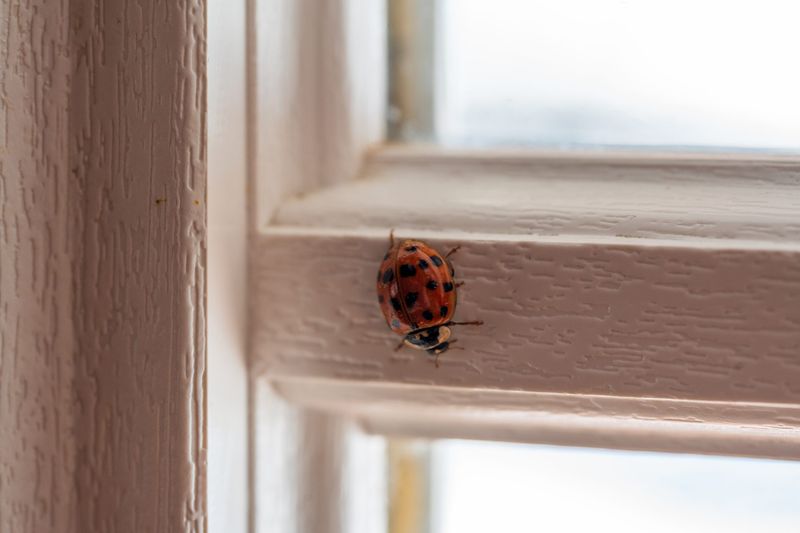
The beetle on your window is a lady beetle, and when it shows up depends on where you live and what the weather does. The household concerns are real but modest: entry through small gaps, an occasional minor pinch, an unpleasant odor, and possible stains on some surfaces.
The calm response is seasonal sealing before fall and vacuuming whatever gets in, as University of Kentucky Entomology advises. Indoor pesticide treatments are not the answer.
Think of them as uninvited guests that overstay, not as a threat.
Share this story