Get the latest garden guides in your inbox →
Gardening Latest
  • General Gardening
  • Lawn Care
  • Plant Care
  • Composting
  • Soil Health
  • Backyard
  • Garden Muse Magazine
  • General Gardening
  • Lawn Care
  • Plant Care
  • Composting
  • Soil Health
  • Backyard
  • Garden Muse Magazine
  • News
  • Gardening Calendar
  • Garden Structures
  • Vegetable Garden
  • Vertical Garden
  • Raised Beds
  • Hydroponics
  • General Equipment
  • Community Gardens
Garden Themes
  • Spiritual Garden
  • Hydroseeding
  • Seeding and Laying Sod
  • Artificial Grass
  • Lawn Care Equipment
  • Plants
  • Trees
  • Planting Tools
  • Composting Basics
  • Fertilizer
  • Alternative Growing Mediums
  • Front Yard
  • Backyard Activities
  • Landscaping
Gardening Latest

Explore by state

Which state is your garden in?

Currently viewing South Carolina

All states

Northeast

  • Connecticut —
  • Delaware 33
  • Maine —
  • Maryland 19
  • Massachusetts 35
  • New Hampshire —
  • New Jersey 19
  • New York 28
  • Pennsylvania 28
  • Rhode Island —
  • Vermont —

Southeast

  • Alabama 19
  • Arkansas —
  • Florida 19
  • Georgia 19
  • Kentucky 33
  • Louisiana 18
  • Mississippi —
  • North Carolina 17
  • South Carolina 32
  • Tennessee 16
  • Virginia 18
  • West Virginia —

Midwest

  • Illinois 18
  • Indiana 20
  • Iowa 32
  • Kansas —
  • Michigan 19
  • Minnesota 18
  • Missouri 18
  • Nebraska —
  • North Dakota —
  • Ohio 19
  • South Dakota —
  • Wisconsin 34

Southwest

  • Arizona 19
  • Colorado —
  • Nevada —
  • New Mexico —
  • Oklahoma —
  • Texas 18
  • Utah —

West

  • Alaska —
  • California 19
  • Hawaii —
  • Idaho —
  • Montana —
  • Oregon —
  • Washington —
  • Wyoming —

No state matches that search.

Site menu

Gardening Latest
  • General Gardening
    • News
    • Gardening Calendar
    • Garden Structures
    • Vegetable Garden
    • Vertical Garden
    • Raised Beds
    • Hydroponics
    • General Equipment
    • Community Gardens
    Garden Themes
    • Spiritual Garden
  • Lawn Care
    • Hydroseeding
    • Seeding and Laying Sod
    • Artificial Grass
    • Lawn Care Equipment
  • Plant Care
    • Plants
    • Trees
    • Planting Tools
  • Composting
    • Composting Basics
  • Soil Health
    • Fertilizer
    • Alternative Growing Mediums
  • Backyard
    • Front Yard
    • Backyard Activities
    • Landscaping
  • Garden Muse Magazine

Explore

  • About GardeningLatest.com
  • Contact Us

Get the latest from the garden

New guides on lawn care, plants and backyard projects, sent when they go up.

Subscribe →

Follow

  • Facebook
  • X
  • Pinterest
  • YouTube
South Carolina Gardening

That Red Fox Trotting Through Your South Carolina Yard This Winter Is Hunting Mice Under the Leaves

A red fox crossing your yard on a cold winter day is most likely looking for a meal, and mice…

BR

By Beau Rutledge

November 26, 2026 · 6 min read

That Red Fox Trotting Through Your South Carolina Yard This Winter Is Hunting Mice Under the Leaves

A red fox crossing your yard on a cold winter day is most likely looking for a meal, and mice under the leaves are a good bet. Red foxes eat rodents and can hear small animals moving beneath leaf litter.

A single sighting cannot tell you everything, though, so it helps to know what is likely and what is only a guess. A few simple habits can keep your pets, chickens, and yard safe while you enjoy the view.

At a glance

Where
South Carolina Gardening
Hardiness zone
8 10 to 20°F
Read
6 minutes
Published
November 26, 2026

What a yard sighting can tell you

What a yard sighting can tell you
© Wildlife Rescue League

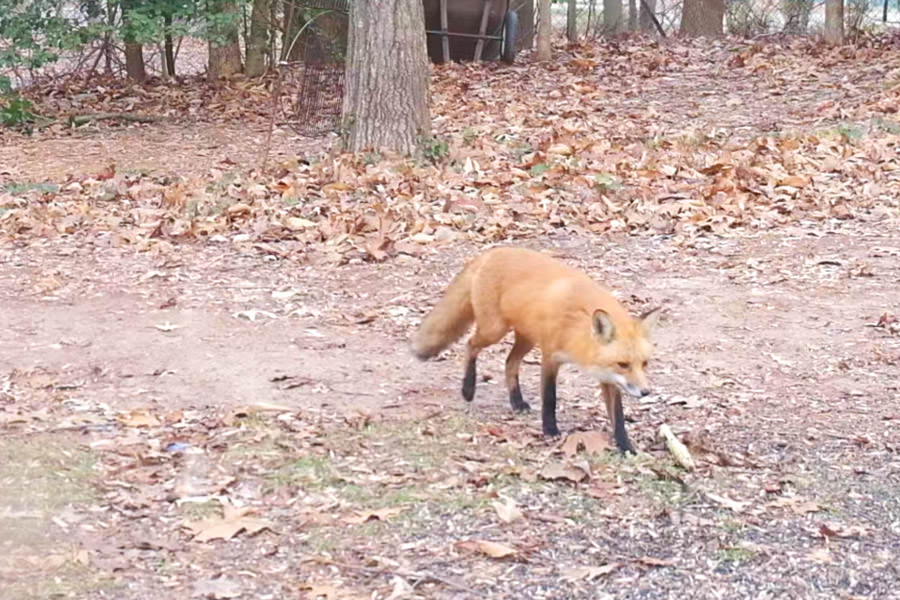
Red foxes eat mice, and they can find prey hidden beneath leaf litter. So a fox nosing and pouncing among fallen leaves in your yard has a credible explanation: it may be foraging for small animals.

That is a sensible reading of the scene, and it fits what we know about the animal.

A quick glimpse has limits, though. You usually cannot tell from a few seconds at a window what the animal was actually doing.

It might have been hunting, traveling between patches of woods, or simply cutting across your lot.

Species is another open question. According to the South Carolina Department of Natural Resources red fox profile, red foxes occur statewide, but gray foxes are more numerous.

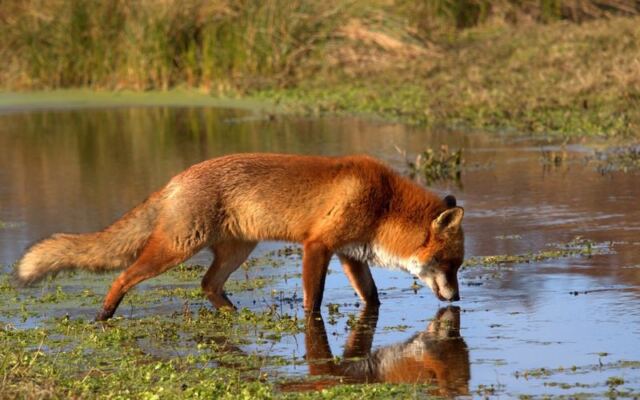
Gray foxes are smaller and grayer, with a black-tipped tail and rusty patches on the sides. At dusk or through a window, the two can be hard to tell apart.

If you want a firmer answer, look for details. Note the tail tip, the leg color, and the overall color pattern.

A phone photo taken from a safe distance helps a lot. Without those clues, the honest answer is that a fox, possibly a red one, passed through and may have been looking for food.

Why a fox might search beneath leaves
Why a fox might search beneath leaves
© Cornell Chronicle – Cornell University

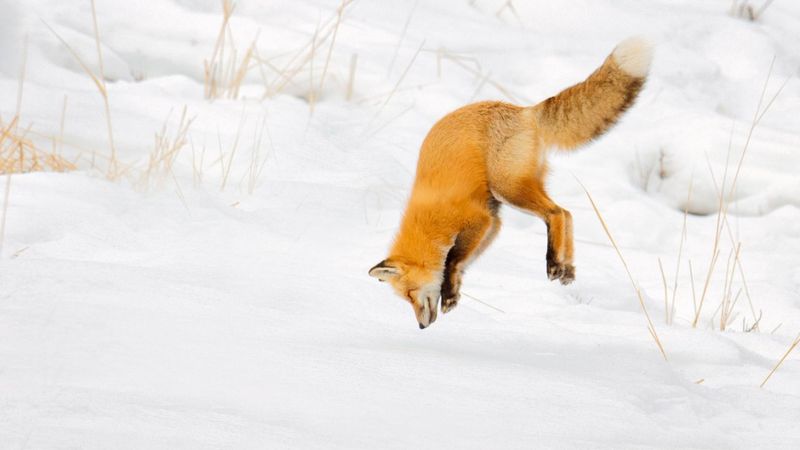
Leaf litter hides plenty of small animals, and a fox is well equipped to find them. The University of Maryland Extension notes that red foxes can hear prey under leaf litter, vegetation, or even underground.

That sharp hearing explains the head-tilting and sudden pounce that people often describe.

Instead of guessing at a fox’s purpose, you can change what your yard offers.

South Carolina red foxes do eat mice and other small prey. They also eat rabbits, birds, insects, fruit, berries, and carrion, and the state describes them as opportunistic feeders.

A fox may take whatever is easiest to find on a given night.

That variety matters when you try to read a sighting. A fox poking around leaves could be after a mouse, a beetle, a fallen berry, or something else entirely.

Watching it for a minute cannot tell you what it was hunting, or whether it caught anything.

Some homeowners hope a fox will take care of the mice around the property. Foxes do eat rodents, but nothing in the sources promises reliable rodent control for any one yard.

If mice are a problem, treat that as a separate job to handle around the house, and view a passing fox as a bonus rather than a pest service.

South Carolina red fox breeding runs from December through February
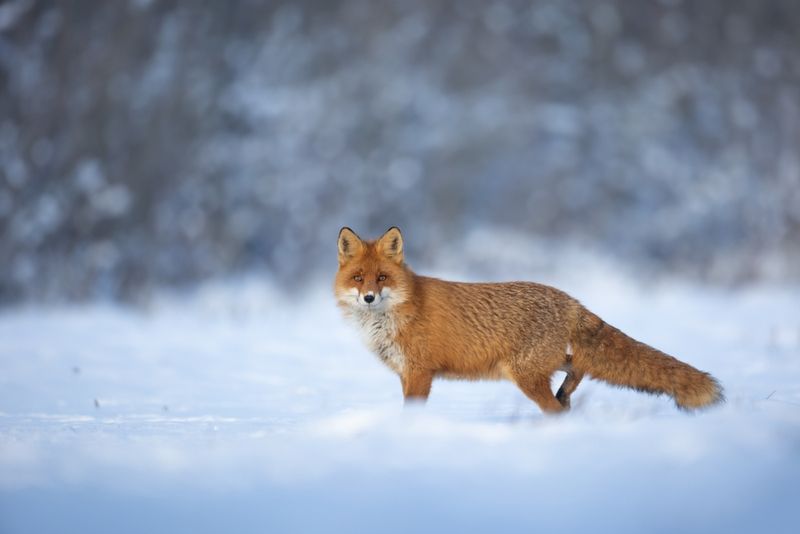
South Carolina red fox breeding runs from December through February
© Rjourney

Winter is mating time for foxes in much of the country. The South Carolina Department of Natural Resources gives red foxes in the state a breeding period of December through February.

That means January sits squarely inside the season, not ahead of it. Gestation lasts about 53 days.

That timing is stated for red foxes. It should not be applied to gray foxes or to foxes as a group, since the state profile speaks only about the red fox.

Foxes do use dens to breed and raise their young. Even so, a fox crossing your lawn does not show that it is checking out a den spot.

It could be moving between territories, following a mate, or looking for food, and nothing in the sources lets us pick one.

Details about den selection add another caution. Rutgers Cooperative Extension describes den-site selection in spring, before birth, but that account comes from a northern region.

It should not be treated as a South Carolina certainty. The practical takeaway is simple: stay alert to places a fox could shelter, such as under decks and sheds, without assuming that any one visitor plans to stay.

Make the yard less rewarding
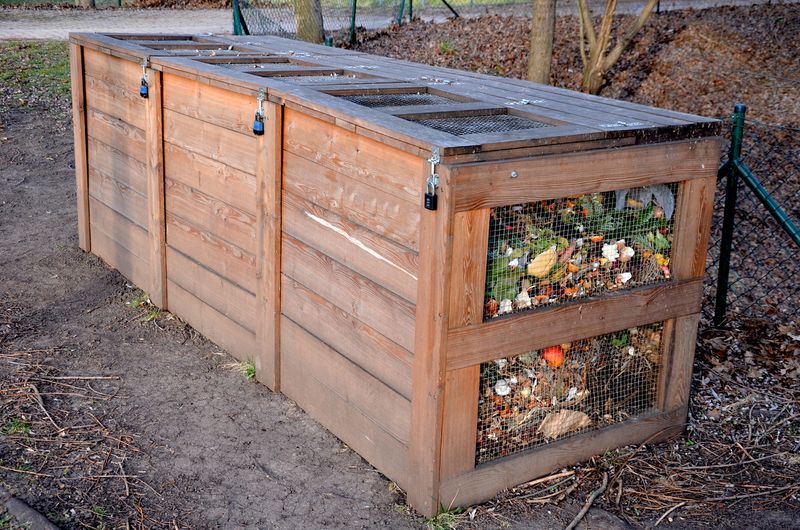
Make the yard less rewarding
© The Mesh Company

Instead of guessing at a fox’s purpose, you can change what your yard offers. Foxes stick around where food is easy.

The SCDNR fox guidance lists several simple steps that make a property less appealing.

Start with the bowls. Do not leave pet food or water outdoors, especially overnight.

A dish on the porch is an easy meal for a fox, a raccoon, or an opossum.

Next, look at garbage and compost. Dispose of trash properly, using bins with tight lids, and put them out the morning of pickup rather than the night before.

Secure compost piles with a covered bin so scraps are not available.

Then think about rodents. Mice and rats gather around barns, crawl spaces, sheds, and garages, and they can draw predators along with them.

Tidy up clutter, store feed and birdseed in sturdy containers, and fix the conditions that let rodents settle in.

Fallen birdseed under feeders deserves a mention too. It feeds mice, and mice can draw hunters.

A quick weekly sweep of the area can make a visible difference.

Protect pets and poultry
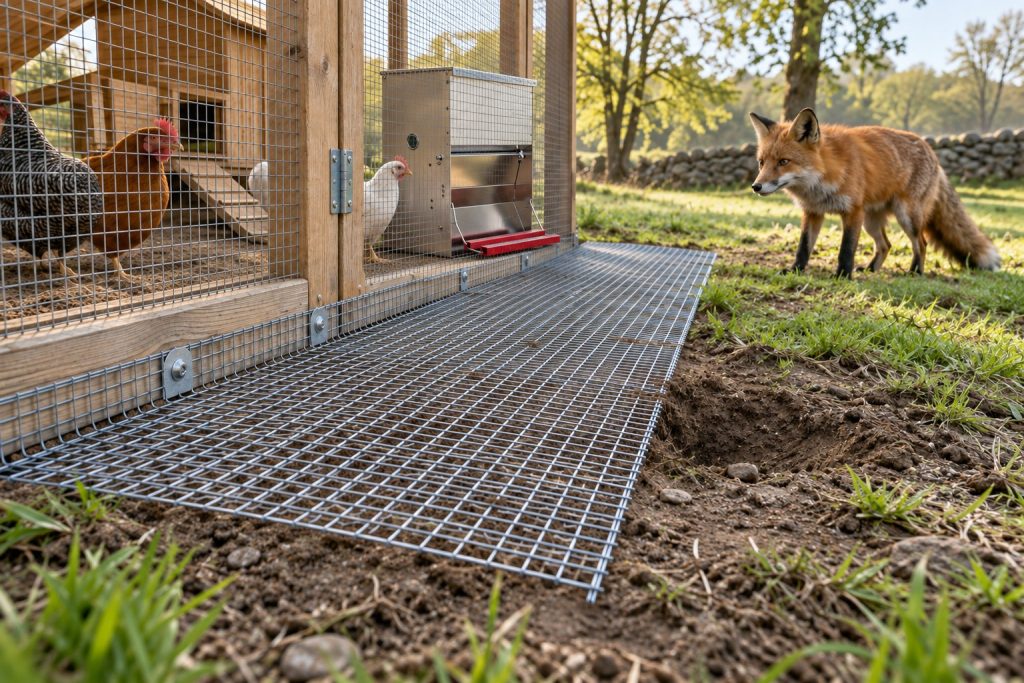
Protect pets and poultry
© My Favorite Chicken

Wild animals and pets do best when they stay apart. The CDC guidance on wildlife and pets recommends supervising your animals outdoors and preventing them from approaching or interacting with wildlife.

A leash or a quick walk to the door at dusk handles most situations.

Vaccines matter as well. CDC rabies prevention advice says to keep pets’ rabies vaccinations current.

If a pet ever tangles with wildlife, that protection gives you a head start, and your vet can tell you what to do next.

Chicken keepers have a few extra jobs. The SCDNR fox guidance recommends securing poultry structures and closing them at night.

Check latches, wire, and the ground along the base of the run for gaps.

These are sensible habits, not signs of danger. Seeing a fox does not mean an attack is likely, and most foxes want to avoid people and dogs.

Think of the steps as locking the car: cheap, quick, and worth doing every time.

What to do if a fox seems sick or makes contact
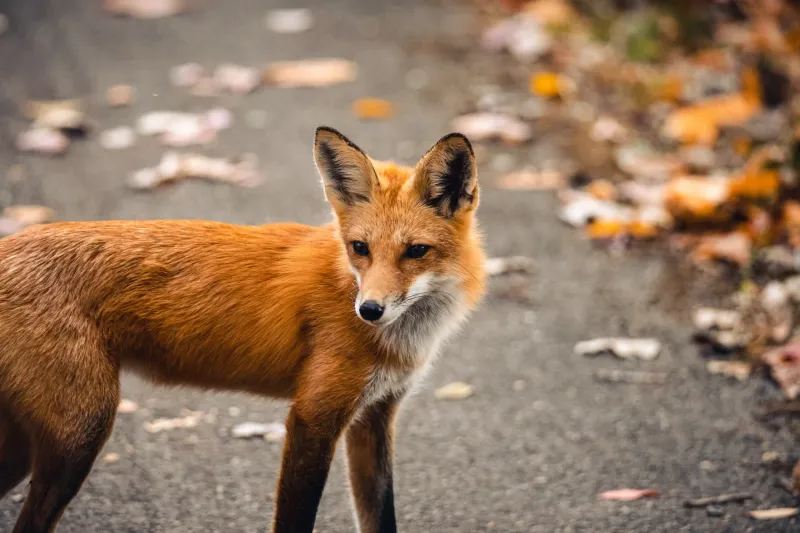
What to do if a fox seems sick or makes contact
© Orrell Park Pharmacy and Vaccination Centre

Spotting a fox in daylight can feel alarming, but time of day alone tells you little. Rutgers Extension cautions that seeing a fox during the day does not by itself mean it is sick.

A mother feeding young or a hungry fox in a cold snap may be out in full light.

Distance is your best tool. Keep away from any wild fox, bring pets inside, and do not try to feed, touch, or corner it.

If the animal appears sick or behaves unusually, call your local animal control.

If someone is bitten or scratched, act right away. As the CDC explains, wash the wound immediately with soap and water.

Then contact a health professional or public-health authority promptly so they can assess the exposure.

Appearance and timing are poor guides for diagnosing rabies, so leave that judgment to the experts. Remove food attractants, keep pets supervised, and shut the henhouse at night.

A fox that finds nothing interesting in your yard will usually keep moving.

Share this story

BR

Written by

Beau Rutledge

More from Beau Rutledge →

About Gardening Latest

Gardening Latest provides in-depth guides to maintaining and enhancing your garden and backyard. Learn how to make the most of the space you have and create a beautiful garden.

More about us →

Latest stories

  • California GardeningIf a Gray Fox Keeps Trotting Through Your California Yard This Winter, Here’s What It’s After

    If a Gray Fox Keeps Trotting Through Your California Yard This Winter, Here’s What It’s After

    11 hr ago
  • Arizona GardeningWhen a Gray Fox Trots Through Your Arizona Yard This Winter, It’s on a Mission

    When a Gray Fox Trots Through Your Arizona Yard This Winter, It’s on a Mission

    12 hr ago
  • Texas GardeningNeighbor Vines Crossing Into Your Texas Yard: Texas Tree-Branch Guidance Is Clear, but the Answer for Vines Is Less Settled

    Neighbor Vines Crossing Into Your Texas Yard: Texas Tree-Branch Guidance Is Clear, but the Answer for Vines Is Less Settled

    12 hr ago
  • Wisconsin GardeningWisconsin Neighbors Fight Over Snow Piled on Their Property, and Here’s What the Law Actually Says

    Wisconsin Neighbors Fight Over Snow Piled on Their Property, and Here’s What the Law Actually Says

    12 hr ago
  • Missouri GardeningYellow Jackets Nesting Near Your Missouri Home? This Is What You Should Do First

    Yellow Jackets Nesting Near Your Missouri Home? This Is What You Should Do First

    12 hr ago

Gardening by state

Stories for your state, and the hardiness zone most of it gardens in.

Keep exploring

Read next

All South Carolina Gardening →
South Carolina GardeningWondering Who Owns the Pecans Falling From Your Neighbor’s Tree Into Your South Carolina Yard?
South Carolina Gardening

Wondering Who Owns the Pecans Falling From Your Neighbor’s Tree Into Your South Carolina Yard?

15 hr ago
South Carolina GardeningThat Huge Brown Moth Resting on Your South Carolina Porch Light This Winter Has a Name
South Carolina Gardening

That Huge Brown Moth Resting on Your South Carolina Porch Light This Winter Has a Name

19 hr ago
South Carolina GardeningLate Fall In South Carolina Is When Venomous Critters Start Showing Up Around Your Yard
South Carolina Gardening

Late Fall In South Carolina Is When Venomous Critters Start Showing Up Around Your Yard

22 hr ago

More from South Carolina Gardening

  • For Every Seedling You Pull, Another Pops Up: The Invasive Tree Overrunning South Carolina Neighborhoods

    Nov 24
  • A Neighbor’s Tree Just Landed in Your South Carolina Yard, and Here’s Who Really Pays

    Nov 23
Back to top

Leave a response Cancel

Your email address stays private. Required fields are marked with an asterisk.

Gardening Latest

In-depth guides to maintaining and enhancing your garden and backyard: how to make the most of the space you have, and how to make it beautiful.

  • Facebook
  • X
  • Pinterest
  • YouTube

We may earn a portion of sales from products or services that are purchased through our site as part of our affiliate partnerships with retailers.

Explore

  • About GardeningLatest.com
  • Contact Us
  • Terms and Conditions
  • Privacy
  • Editorial Note:
  • FTC Disclosure

Newsletter

New garden guides and seasonal tips, straight to your inbox.

We’ll email you a link to confirm. Unsubscribe any time.

Almost there! Check your inbox and tap the link to confirm.

© 2026 Gardening Latest. All rights reserved.

Back to top