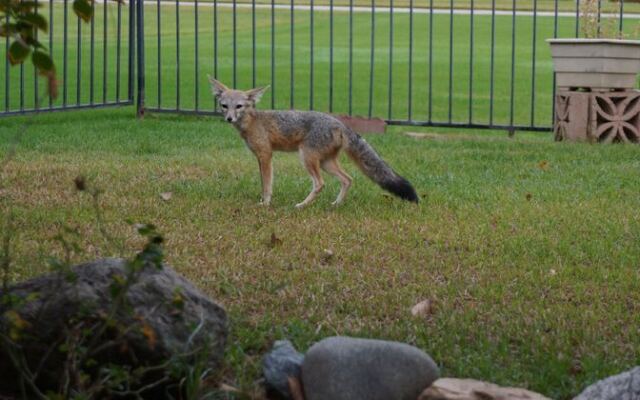
A gray fox trotting through your California yard is most likely looking for a meal or simply moving through its home range. These small, quiet foxes are native to the state, and seeing one can feel exciting and a little unsettling.
A quick glimpse cannot tell you exactly what the animal wants, but it can help you decide what to do. Here is what is known about gray foxes and how to respond safely.
What can one quick crossing tell you?
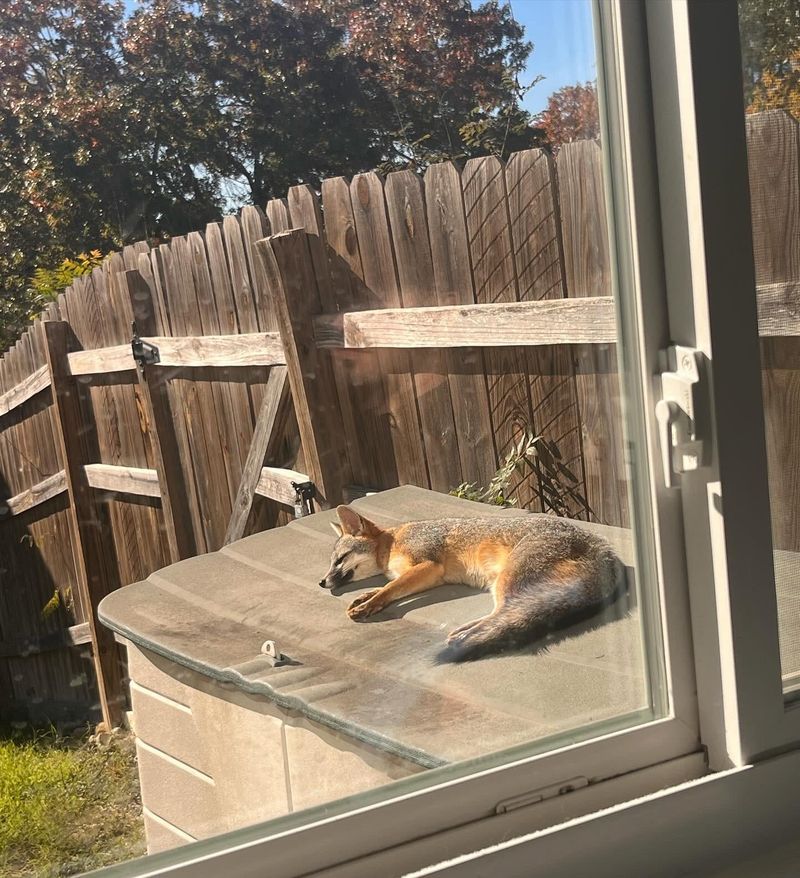
Most likely, the fox is foraging or traveling through its home range. Gray foxes are native to California and live across much of the state, according to California Department of Fish and Wildlife (CDFW) fox guidance.
They use shrublands, brushy woodland, streamside areas, and other habitats, so a yard near any of those can sit right along a travel route.
The state’s gray fox life-history account describes these animals as permanent residents that stay active all year and do not migrate. That means a fox moving through in winter is not unusual in itself.
The same animal may well cross the same stretch of land in other seasons without anyone noticing.
What a single sighting cannot do is tell you the animal’s purpose. A fox trotting along a fence line might be checking for food, heading toward a resting spot, or simply following a path it has used before.
You only saw a few seconds of its night or morning.
Think of it like spotting a neighbor walking past your house. You know they were out, but you do not know whether they were headed to the store, a friend’s place, or just stretching their legs.
Treating the fox the same way keeps you from guessing too much.
The helpful part is that you do not need to know its motive to respond well. Understanding what gray foxes typically eat, how they use cover, and what keeps them wild will guide your choices.
The next sections walk through each of those points.
Gray foxes eat both animals and plants
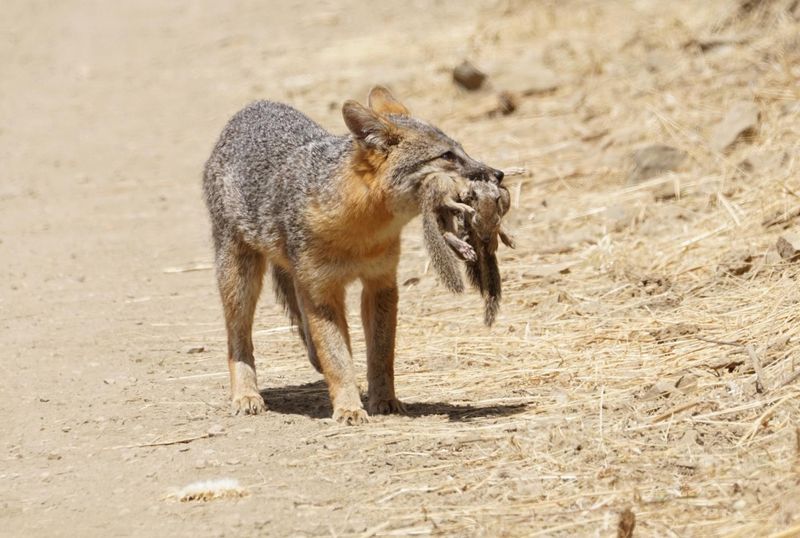
Gray foxes are omnivores, which means they eat both animals and plants. California sources list rodents and rabbits among their foods, along with squirrels, insects, berries, and nuts.
You can see this on the CDFW fox page.
The state’s life-history account also includes carrion, which is the remains of animals that have already died. So the menu is wide, and it stretches from small mammals to beetles to wild fruit.
A varied menu leaves many explanations open. A fox crossing your lawn could be after a rodent, a few insects, fallen fruit, or a nut.
It could also be ignoring all of that and just heading somewhere else.
That is why it is best to treat each food as a possibility, not as an answer. Nobody can say that this fox is hunting a mouse, looking for berries, or eyeing a pet based on a short sighting.
Each of those could be true, and none can be confirmed from the porch.
The practical lesson is that a yard can offer several kinds of appeal at once. Fallen fruit, rodents under a woodpile, insects near a porch light, and unsecured scraps all fit a diet this broad.
Keeping those in mind helps you spot what might be worth tidying up, without assuming the fox came for any one thing.
Winter changes food options, not what you can know
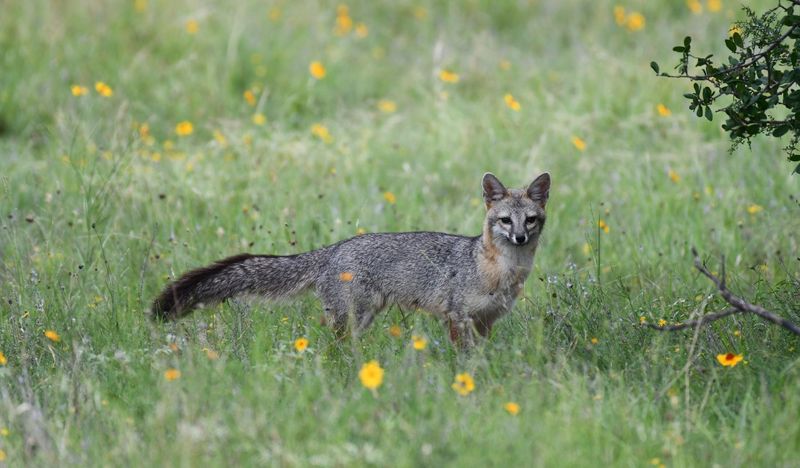
Winter can change which foods are easy to find, but it does not tell you why one fox visited your yard. The state’s gray fox account notes that these animals are active all year.
A fox out in January is simply a fox doing what gray foxes do.
A CDFW review of harvested furbearers in California says gray fox diets vary with local food availability. In plain terms, what a fox eats depends on what is around it.
That says something about the species in general, not about the animal you saw.
Some broader research looks at winter diets more closely. A U.S.
Forest Service species review reports that small mammals are important winter foods in some of the regions studied. Notice the limits there.
It covers certain places, not every fox, and it cannot explain a single California visit.
So it would be a stretch to say cold weather or hunger pushed this fox into your yard. A healthy fox might cross your property on a mild night just as easily as a cold one.
Nothing about the season proves what the animal wanted.
If you want a useful takeaway, try this. Notice when and where you see the fox, and jot it down.
A short log of dates and times is more informative than any theory about winter.
A yard crossing does not prove there is a den
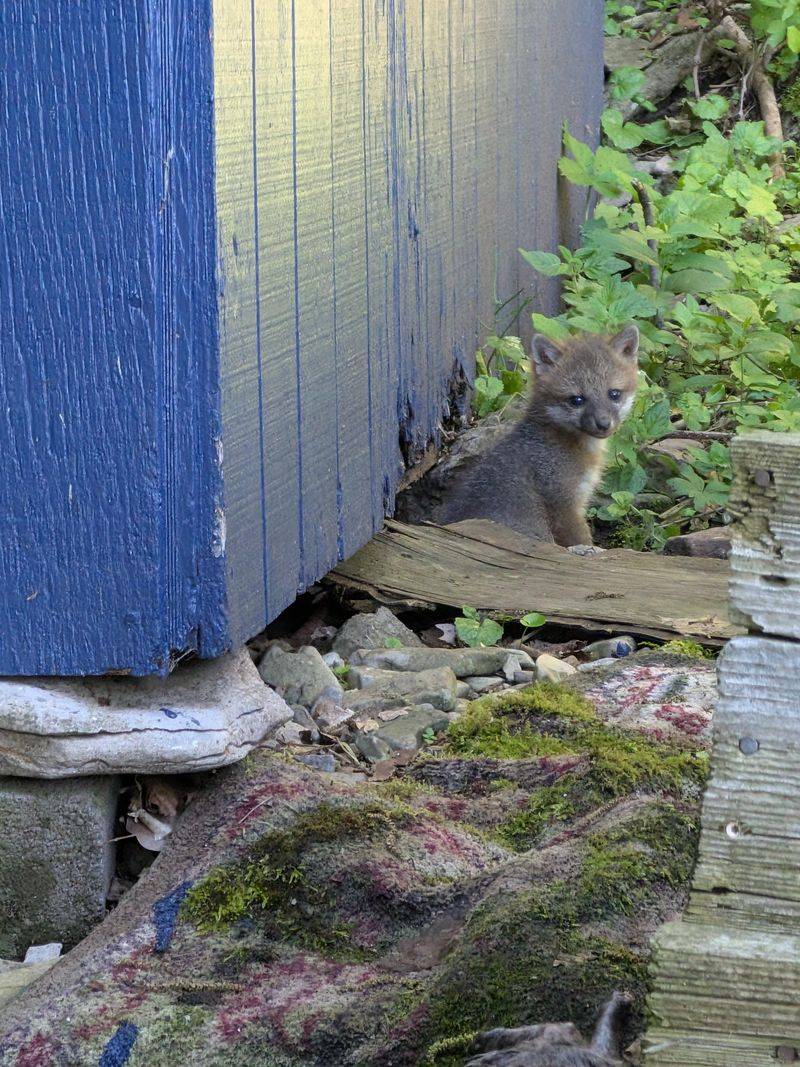
Crossing a yard and living in one are very different things. A fox that trots through and keeps going is traveling.
A fox that returns to the same spot to rest or raise young is using the property in a different way.
The CDFW life-history account says gray foxes use brush and cavities for cover. They also occasionally use human-made structures, and they may den under buildings.
That makes it reasonable to glance at sheds, decks, and crawl spaces, but one sighting does not mean any of them is a den.
Look for repeated signs before drawing conclusions. Seeing a fox at the same hole day after day, or noticing a gap that looks freshly used, tells you much more than one pass across the lawn.
Without that, the safer assumption is that the animal was just moving through.
If you do suspect a fox is using a space under a structure, avoid poking around or blocking it in the dark. Sealing an entrance while an animal is inside can trap it.
Contact local animal control or CDFW for guidance on what is appropriate where you live.
For most people, a calm approach works best. Keep an eye on the area, keep pets and children away from any suspected den, and let the evidence build before acting.
Make your yard less inviting without feeding foxes

You cannot control where a wild fox walks, but you can limit what your yard offers. Start with the easy wins.
CDFW’s fox guidance points to removing obvious food attractants.
Bring pet food and water bowls inside at night. Secure trash cans with tight lids, and keep compost in a closed bin instead of an open pile.
These small habits take away easy meals for all sorts of wildlife, not just foxes.
If you keep chickens, rabbits, or other small animals, protect their enclosures. Sturdy wire, latched doors, and a secure space at night are far better than hoping nothing wanders by.
A coop that is locked up tight removes a temptation before it becomes a problem.
CDFW also advises against feeding foxes. Feeding can make them used to people and may raise disease risks for wildlife and pets.
Even a handout that seems harmless can teach a wild animal to expect food from people.
Think of these steps as ways to reduce opportunities, not as a guarantee. A fox may still pass through, since your yard may sit on its route regardless.
That is fine. The goal is a yard that gives it nothing to linger over, so that any visit stays a quick crossing.
A walk around your property at dusk can reveal weak spots. Look for open bins, loose fencing, and fallen fruit, then fix what you find.
Rodent poison can harm foxes
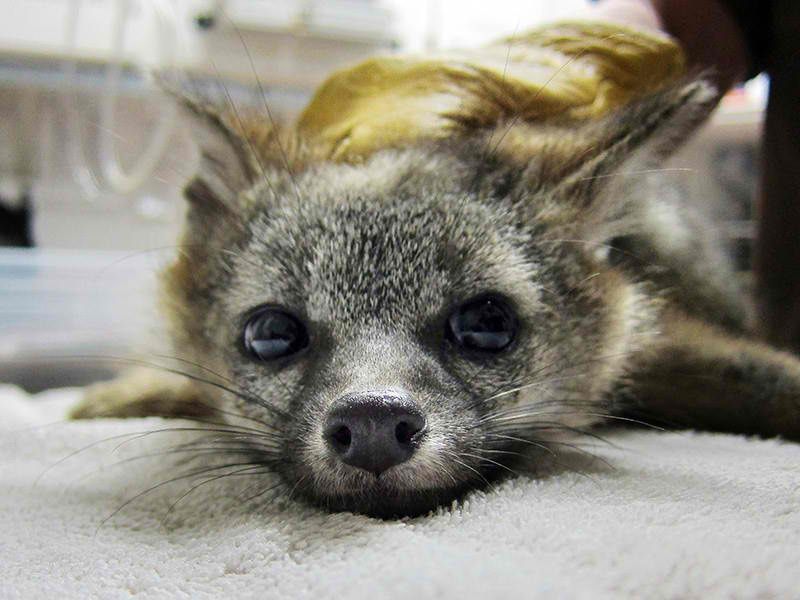
Poisoning rodents might seem like a way to remove a fox’s food, but it is not an appropriate way to make a fox leave. Poison does not stay neatly inside the animal that eats it.
It can pass through the food chain and harm other creatures.
A CDFW and National Park Service notice, Protect Your Local Wildlife, reports a California gray fox that died from anticoagulant rodenticide intoxication. That is a documented case involving the same species you may be seeing in your yard.
The same notice separately carries a broader warning from CDFW that kit foxes are at high risk of rodenticide poisoning. Kit foxes are a different species, so that warning should not be read as describing gray foxes.
The two points stand side by side, and each is worth knowing.
If rodents are a problem, focus on prevention. Seal gaps around buildings, store pet and bird food in sturdy containers, and clear brush piles that give rodents shelter.
Those steps lower the pull for rodents without putting wildlife at risk.
Choosing not to use poison also protects pets and neighborhood animals that might find a bait station or a sick rodent. It is a simple choice that keeps your yard safer for everything that shares it.
Give the fox space, especially if it acts strangely
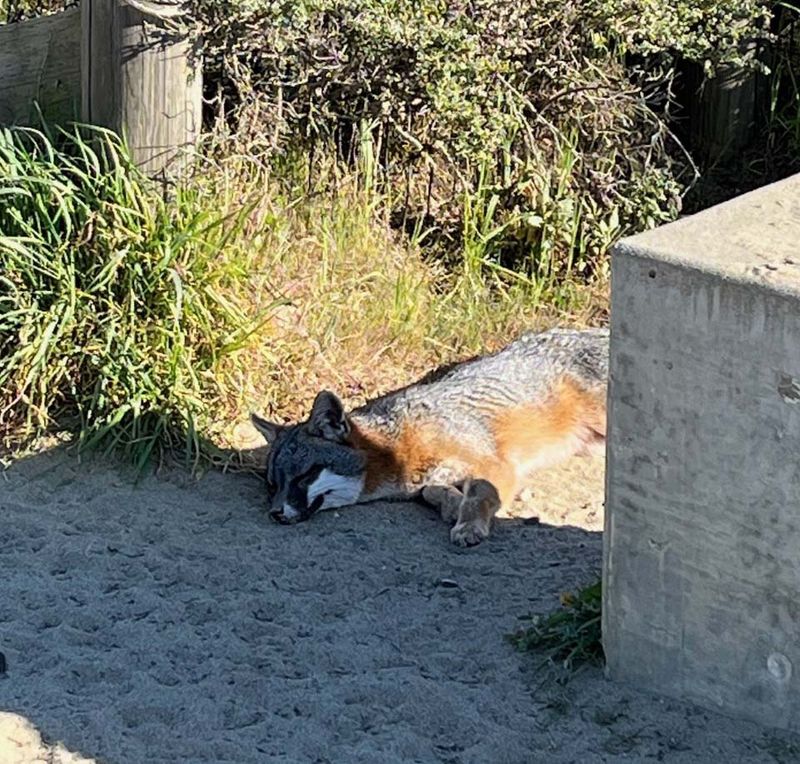
Gray foxes are mainly active around dawn and at night, but they can also be active in daytime. The CDFW life-history account describes that pattern.
A fox out in daylight is not, by itself, proof that it is sick.
What matters more is how the animal behaves. If a fox seems conspicuously abnormal, such as appearing ill, disoriented, or unusually aggressive, keep away from it.
Contact local animal control or CDFW rather than trying to judge the cause yourself.
Whatever the fox is doing, CDFW’s fox guidance is clear that you should not feed, approach, or handle it. Watch from a window or a distance, and bring pets inside.
Calm, quiet distance is usually the best response.
If someone is bitten or scratched, Los Angeles County Public Health advises washing the wound thoroughly with soap and water, seeking medical care promptly, and reporting the bite. That reporting process comes from Los Angeles County, so check with your own local health department or animal control for the steps where you live.
Most gray fox visits end with the animal simply moving on. Respect that, and you both get to go about your night.
Share this story