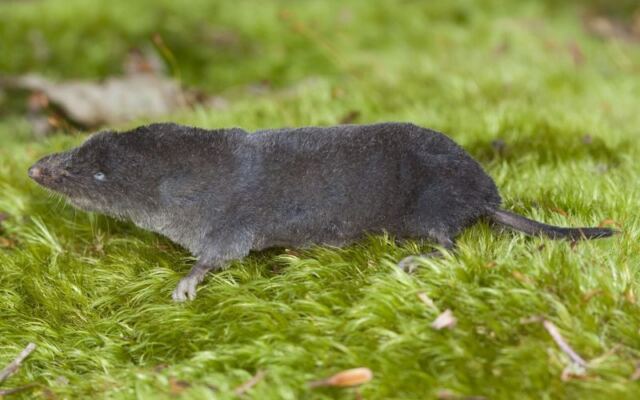
A tiny, thumb-sized shrew with venomous saliva is the story people tell about the southern short-tailed shrew in Georgia. This small mammal does turn up in parts of the state, and a government field guide calls its bite venomous.
Scientists have not tested its saliva directly, though, so the full picture is more interesting than the headline alone. Here is what is known, what is still a question, and how to enjoy a shrew sighting safely.
Where the southern short-tailed shrew lives
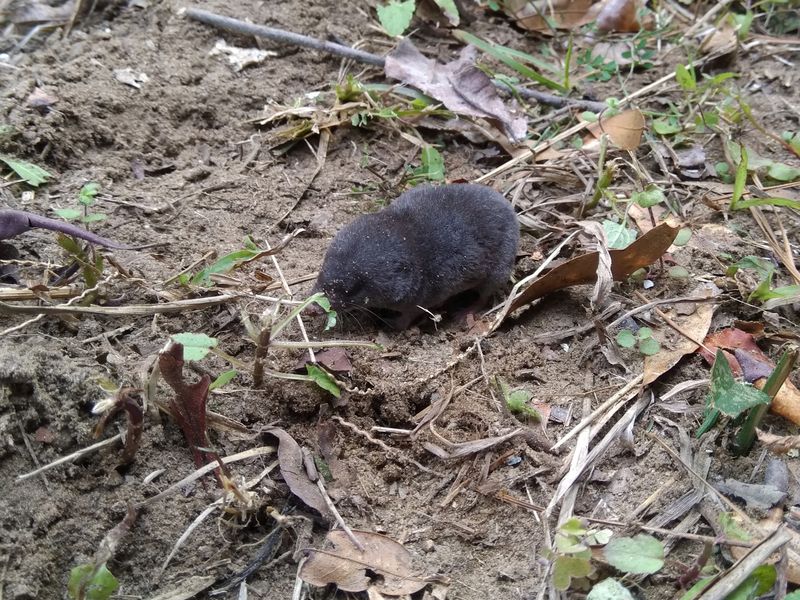
Start with the map. According to the species account in Mammalian Species, the southern short-tailed shrew, Blarina carolinensis, is documented throughout Georgia’s Coastal Plain and in the state’s northwest.
That is a narrower statement than calling it common everywhere in Georgia, and it is the safest way to describe where this animal has been recorded.
Within that range, the shrew is not picky about scenery. The same account records it in pine forests, brush, hardwood forests, and mixed pine-hardwood forests.
Reports also mention it in managed and disturbed habitats, so it can cope with some human influence on the land.
What these places share is cover. Shrews are small and fast, and they spend much of their lives hidden under leaves, logs, and loose ground material.
Thick litter and damp pockets of soil may suit them well, and the USDA Forest Service mammal guide for the South places the species in woodland and brushy settings.
So where does pine straw come in? A layer of pine needles in a wooded yard could look a lot like the litter a shrew likes.
Still, the sources do not show that residential pine straw is a defining or reliable home for this animal. Think of the yard scene as a possibility in the right neighborhood, not a rule.
How small is it?
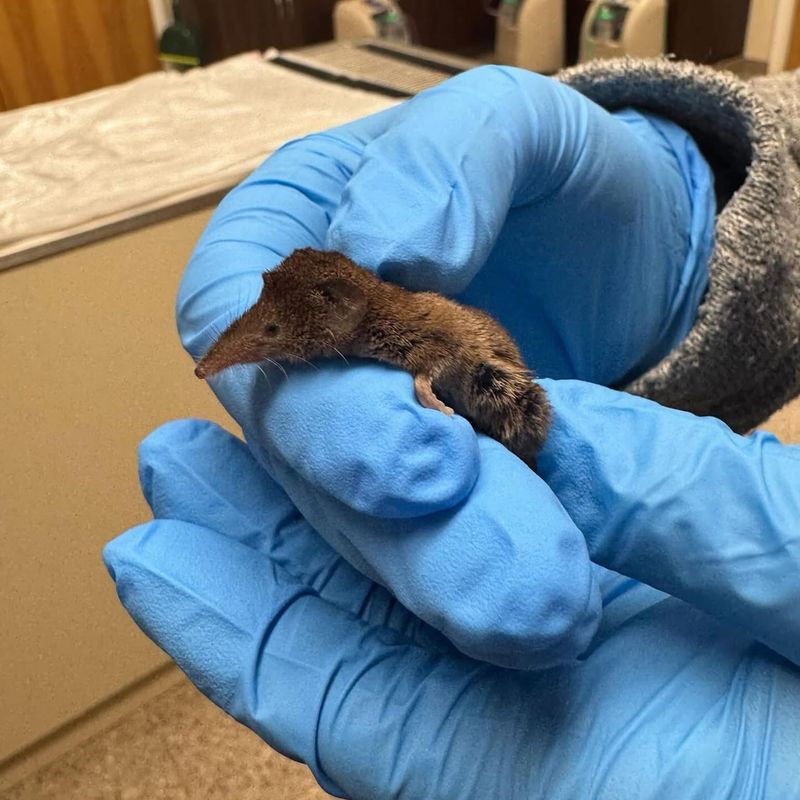
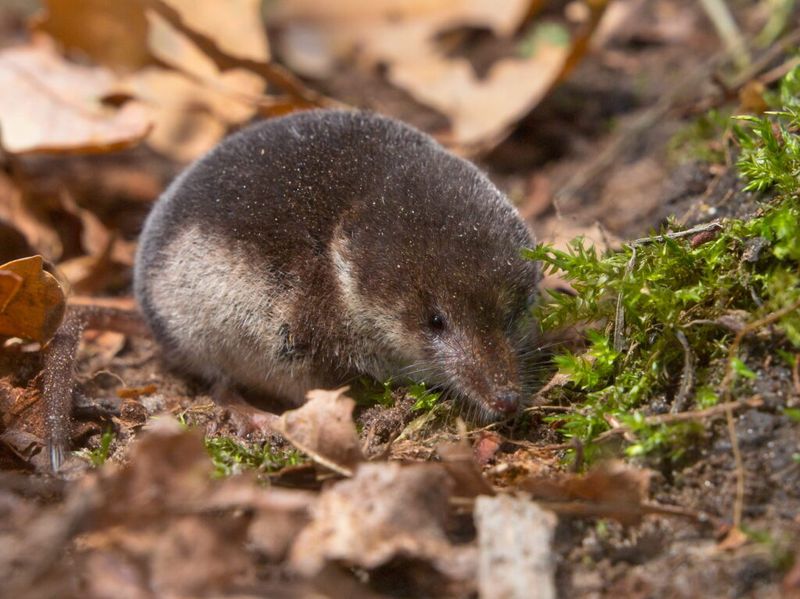
Numbers beat comparisons here. The USDA Forest Service guide reports a total body length, tail included, of 79 to 123 millimeters for the southern short-tailed shrew.
That works out to roughly 3 to nearly 5 inches from nose to tail tip.
The weight range is 8 to 15 grams. For a sense of scale, that is about the weight of a few coins, which makes it a very light animal for a mammal that hunts on its own.
Now to the headline’s word. Thumb-sized is a loose, friendly comparison, and thumbs vary a lot from person to person.
The shrew is certainly small, with a stocky look, short tail, and tiny eyes, but the guide’s measurements are the better yardstick.
As for how often anyone actually meets one, the sources give no firm answer. Shrews stay low and hidden, so many people may never notice one even when it lives nearby.
What modified salivary glands tell us
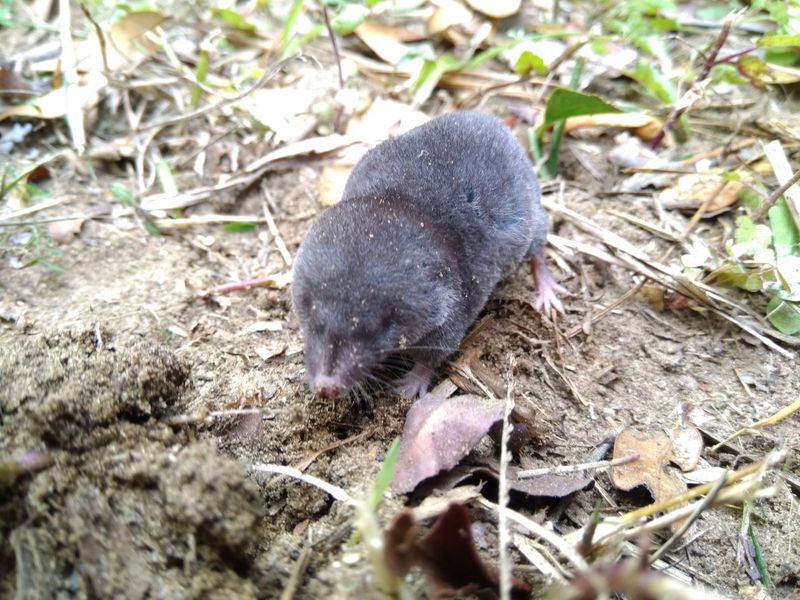
Here is where the venom talk begins. The USDA Forest Service guide says the southern short-tailed shrew has modified salivary glands and describes its bite as venomous.
Plenty of readers see that line and take it as settled.
Other sources are more cautious. A scholarly review of venom in shrew-like mammals describes the evidence for venom in this species as indirect and says its saliva has not been experimentally tested.
The Animal Diversity Web account likewise notes that venom in this species has not been experimentally tested.
Think of it like finding a well-equipped kitchen. Special tools suggest something is being cooked, but you have not tasted the food.
Unusual glands are a good reason to suspect venom, yet they do not prove what the saliva actually does.
The fairest way to put it is that venom in the southern short-tailed shrew is suspected or attributed, not confirmed. A guide’s description records a long-standing belief, and that is different from a lab result showing toxic effects.
Until someone tests the saliva directly, the question stays open.
The studied toxin comes from a different shrew
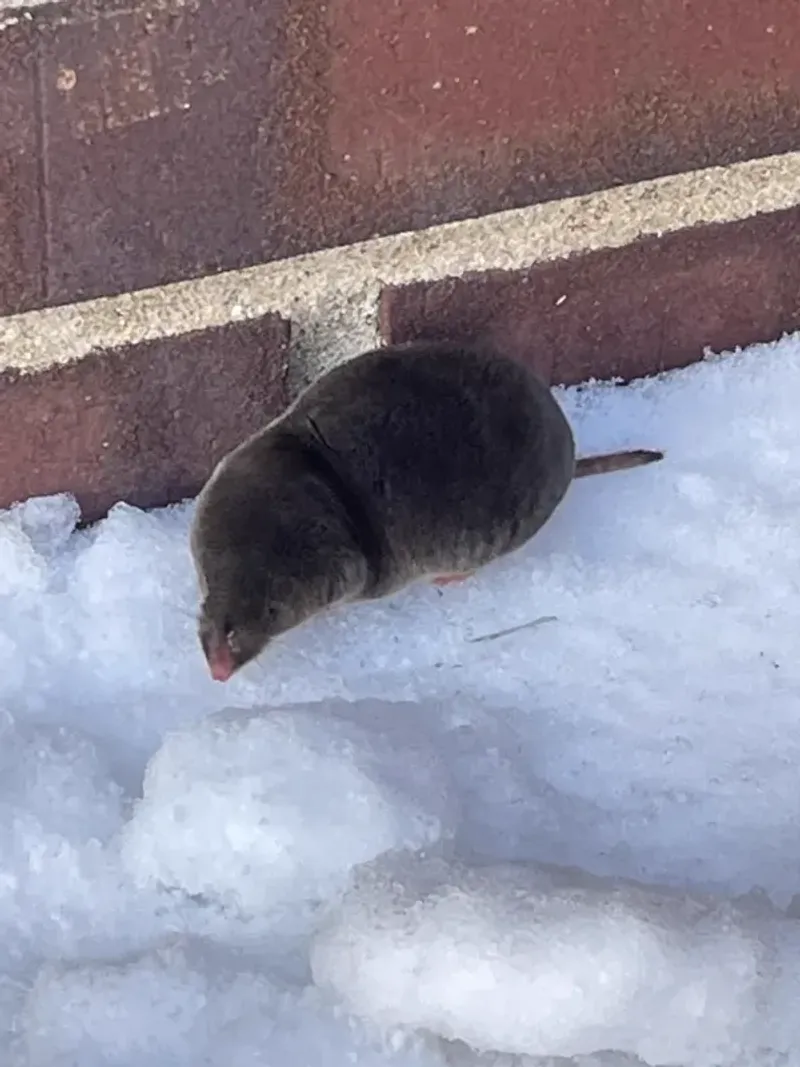
A cousin gets most of the lab attention. The northern short-tailed shrew, Blarina brevicauda, lives farther north, and it is the animal behind the best-known research on shrew toxin.
The two look alike, which is part of why their stories get blended together.
In a study published in PNAS, Kita and colleagues isolated and characterized a toxin from the northern short-tailed shrew and named it blarina toxin, or BLTX. They described it as a lethal venom component in that species, and they backed the claim with experiments.
That work is a real scientific milestone, but it belongs to Blarina brevicauda. Results from one species cannot by themselves prove the same toxin exists in another, even a close relative.
The southern short-tailed shrew, Blarina carolinensis, was not the animal tested in that study.
A handy habit is to check the Latin name whenever you read a shrew venom claim. If the name is brevicauda, the findings describe the northern shrew.
If it is carolinensis, you are reading about the Georgia species, and the direct testing is still missing.
What the evidence says about prey and people
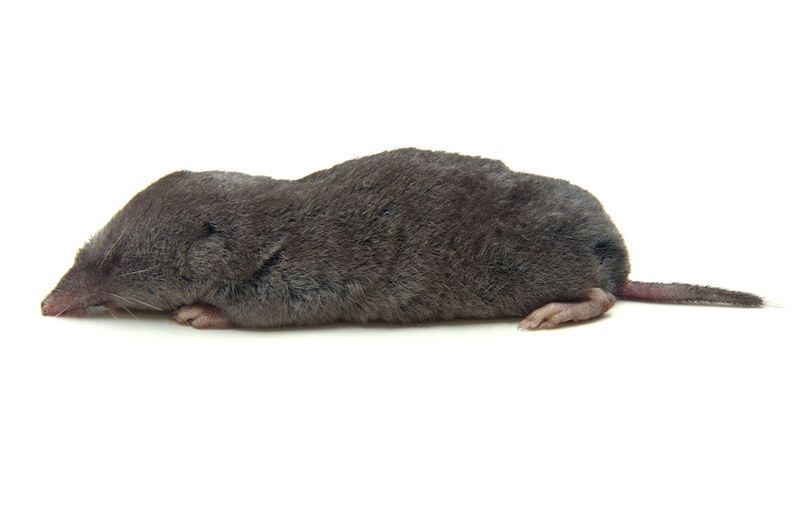
Shrews eat a lot of small animals, so it is tempting to picture venom doing the work in every hunt. For the southern species, that step is unconfirmed.
Nobody has shown that its saliva subdues or kills prey, so it is best not to say that it does.
The review of venom across shrew relatives, Evolution of venom across extant and extinct eulipotyphlans, treats the southern shrew’s venom as indirectly supported. Quick biting and strong jaws could help a shrew handle prey without any toxin involved, and the research has not sorted that out.
People are a separate question. Accounts of bites from Blarina shrews mention local burning and swelling, and the toxin research discusses such reports.
Those descriptions are not sound proof that the southern species’ saliva is venomous, and they cannot predict how any one person would react.
A sore bite can have many causes, including a scratch, bacteria, or a person’s own sensitivity. So there is no honest way to call this shrew harmless, and no honest way to give it a risk label for humans.
What we can say is that findings about other Blarina shrews stay with those species, and the Georgia shrew’s story is still being written.
How to respond if you find one

Say you spot a shrew darting across a mulch bed. The best move is also the easiest one: leave it alone.
Do not pick it up, corner it, or try to test anything, because wild animals bite when they feel trapped.
According to CDC guidance on wildlife, keeping your distance helps prevent bites and scratches, and bites can injure and spread germs. Keep children and pets back too, since a curious cat or dog is more likely to get nipped than a person who simply watches.
If a bite does happen, wash the wound right away with warm, soapy water. Then pay attention to how it looks and feels over the next few days.
Spreading redness, growing pain, swelling, or fever are good reasons to call a health care provider.
Questions about rabies are also worth a call. The CDC’s page on when to seek care after a possible rabies exposure explains who should get medical advice and when.
Staying calm and practical is plenty, since shrew encounters are rarely dramatic.
What remains unknown
Some parts of the story are solid. The southern short-tailed shrew is recorded in Georgia, and it has modified salivary glands.
What nobody has done yet is test its saliva directly, so venom and prey-subduing effects remain unconfirmed.
Until that changes, enjoy shrews from a distance, as CDC wildlife advice suggests. A tiny hunter under the leaves can keep its secrets a while longer.
Share this story