
A red fox trotting across your Indiana yard in winter is most likely hunting, and it could also be in its mating season. A fox may even be scouting a spot for later in the year, though that is harder to know.
One sighting can’t tell you which it is, and that is the interesting part. Here is what the sighting can mean, what it can’t, and what to do about it.
What a winter sighting can and can’t tell you

Picture a red fox crossing your snowy lawn. There are a few believable reasons it is there.
It may be hunting, since the National Park Service notes that red foxes eat mice and other small mammals and can be active in winter. It may also be breeding season, because Purdue Extension lists Indiana mating as January through March.
Den hunting is a third possibility, but it is the least certain one. Indiana DNR says red foxes seldom use dens except to rear young, so a fox passing through in midwinter is not automatically picking a home.
Here is the catch. Being seen tells you that a fox was in your yard, and not much more.
You can’t read its purpose from one glimpse, and you can’t tell whether it has chosen a den site. Behavior over time, such as repeated visits at the same hour, gives better clues than a single look.
The sections below take each possibility in turn. They also cover practical steps, so you can respond calmly whatever the fox is up to.
Read as a set, they give you a sensible way to think about the animal outside your window, according to Indiana DNR guidance.
Why a fox may hunt during the day in winter

Mice, voles, and other small mammals make up a big part of a red fox’s menu. In winter, those animals keep moving under the snow, and a fox can listen for them and pounce.
The National Park Service describes this winter hunting and says foxes can be more active during the day in the cold months.
That helps explain a fox crossing your yard at noon. Grass edges, brush piles, woodpiles, and garden beds can hold rodents, so a yard may simply be part of a hunting route.
Your fox may well be after the mice already living near your shed.
Still, a fox hunting is only one reasonable guess. You can’t be sure that is what the animal you saw was doing, because a trotting fox and a hunting fox can look alike from a window.
Daylight alone also does not mean a fox is sick. A fox that moves steadily, looks alert, and has a full coat is often just going about its day.
Watch for the animal’s condition and behavior rather than the clock. Signs that point to trouble are covered in the last section.
When courtship is seasonally possible in Indiana
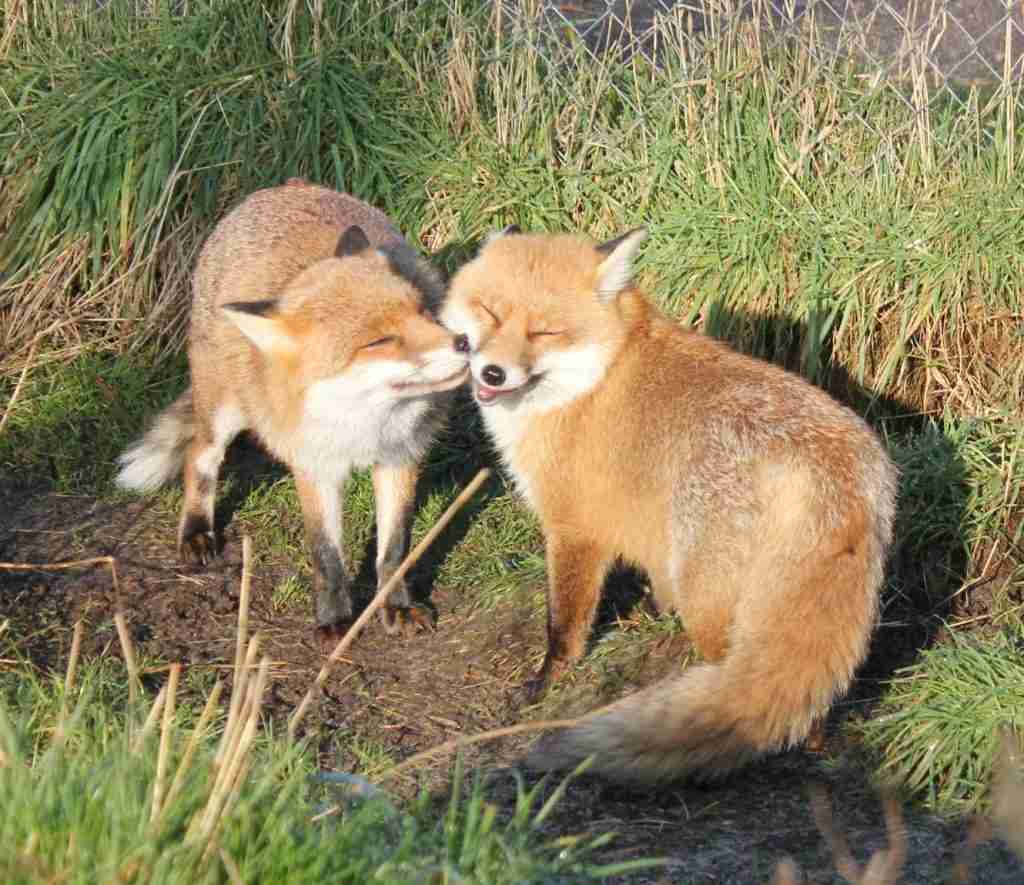
Late winter is not only cold, it is also breeding time. Purdue Extension gives Indiana’s red fox mating period as January through March.
That is why courtship is a believable reason for a fox to be roaming more than usual.
Dates are not exact, though. A U.S.
Forest Service review notes that breeding timing varies by region, so a general window is the most anyone can honestly offer.
Think of the season as background, not a verdict. A fox seen on a January morning could be courting, hunting, or just passing through.
Nothing you can see from your kitchen window settles that for any one animal.
So avoid putting a date or a storyline on the fox. Saying it is courting today goes further than the facts allow.
What you can say is that the calendar makes it one of several reasonable explanations.
If you see two foxes together, that fits the season, but it still isn’t proof of anything beyond two foxes sharing the same space. Keep your distance and let them move along.
What a fox sighting can tell you about a den
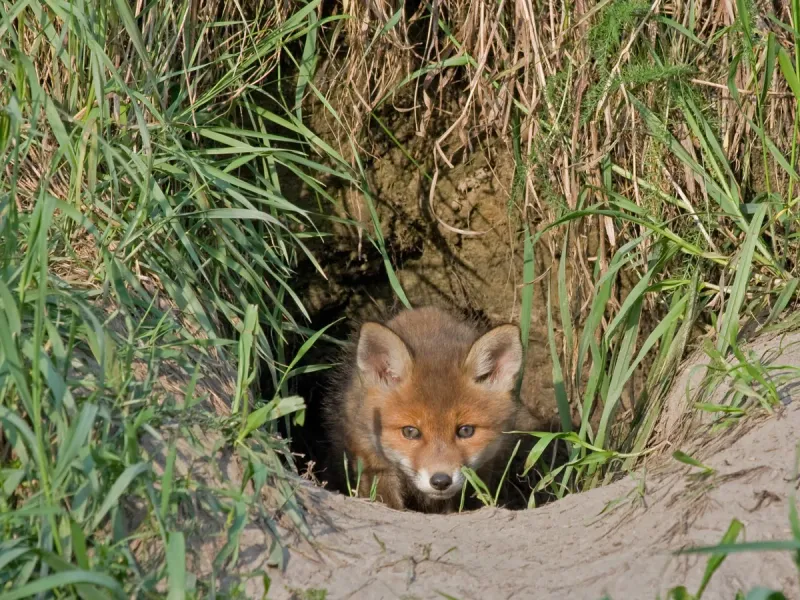
Seeing a fox does not establish whether a den is nearby or occupied. A fox can pass through a yard without any burrow within a long walk.
Even a hole in the ground doesn’t tell you who, if anyone, is using it.
According to Indiana DNR, red foxes seldom use dens except to rear young. Pups are born in March or April, so a den that matters to a fox is tied to that spring window.
Outside of it, a fox usually rests above ground.
That is why a midwinter sighting is a weak clue about dens. A fox may be checking out an area, but one pass through your yard can’t confirm that it is choosing a den site, and it can’t show that you have a den at all.
If you think a burrow may be in use, please leave it alone. Do not block the entrance while it may be occupied, because animals could be trapped inside.
DNR advises closing den entrances only after the young have moved on, in late fall.
Meanwhile, you can keep pets and children away from the area, stay back, and let the fox family handle its own business. If a den under a deck or shed worries you, plan to deal with the space once late fall arrives.
Make your yard less attractive to foxes
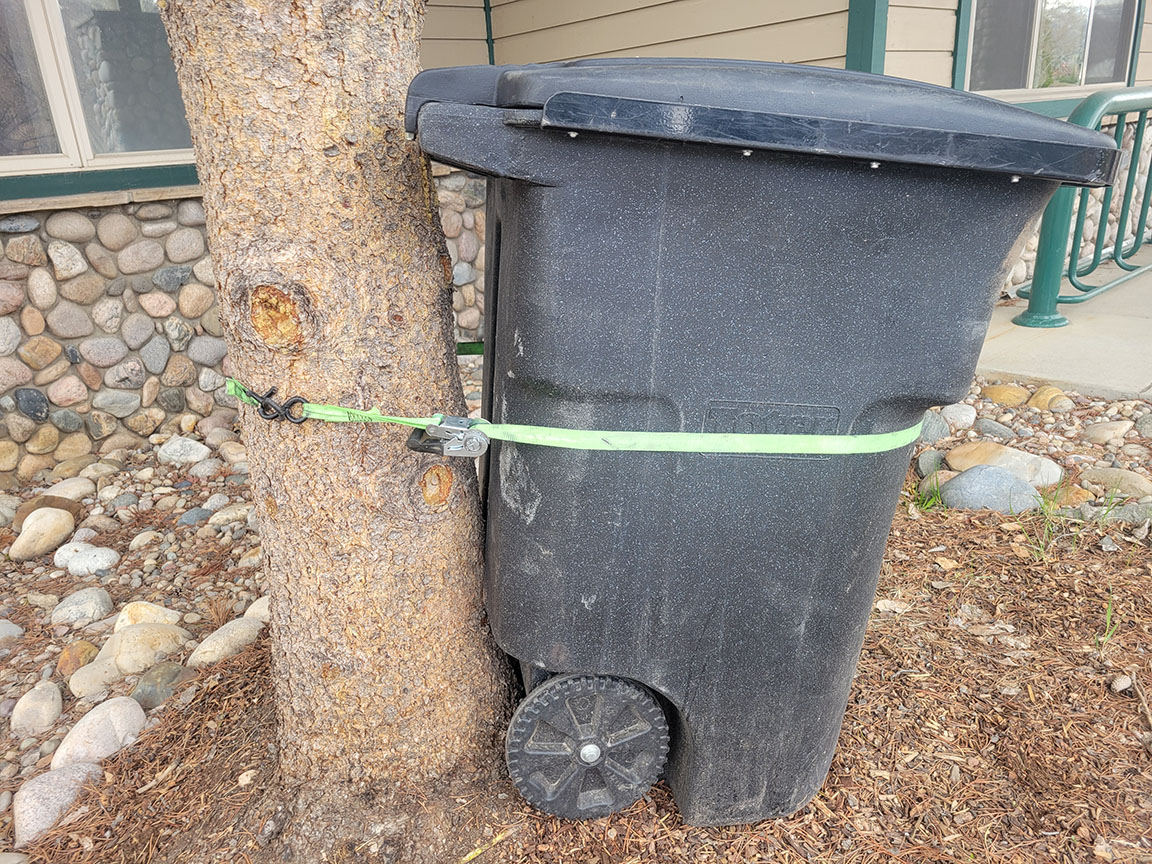
If you would rather the fox not stop by, start with the things that give it a reason to. Indiana DNR suggests bringing pet food and water dishes indoors, securing garbage and compost, and cleaning up fallen fruit.
Those steps remove easy meals, and they cost very little.
Next, look at hiding cover. DNR also advises trimming brush and shrubs where a fox could rest unseen.
A more open yard feels less comfortable to a wary animal.
A fox that does show up can be encouraged to leave. Clap, shout, or make other loud noise from a safe distance, or spray it with a garden hose.
This tells the fox your yard is not a quiet place to linger.
Stay well back while you do it. Never walk up to a fox, try to catch it, or handle it, and don’t offer it food.
Feeding is the surest way to turn a passing visitor into a regular one.
A practical routine helps. Check the yard at dusk, bring in bowls, close lids tightly, and look for windfall fruit under trees.
Small habits like these add up, and they keep your pets safer too, according to Indiana DNR.
When to keep away and get help
Most foxes you see are healthy and want nothing to do with you. Seeing one in daylight is not enough to call it sick, as the National Park Service notes that winter daytime activity can be normal.
Condition and behavior matter more than the time of day.
Worry if a fox seems confused, stumbles, seems unable to move well, or looks injured or very thin. A fox that appears sick calls for distance.
Keep people and pets away, don’t feed it, and don’t try to handle it. Indiana DNR asks residents to report sick wildlife through its sick-wildlife reporting channel.
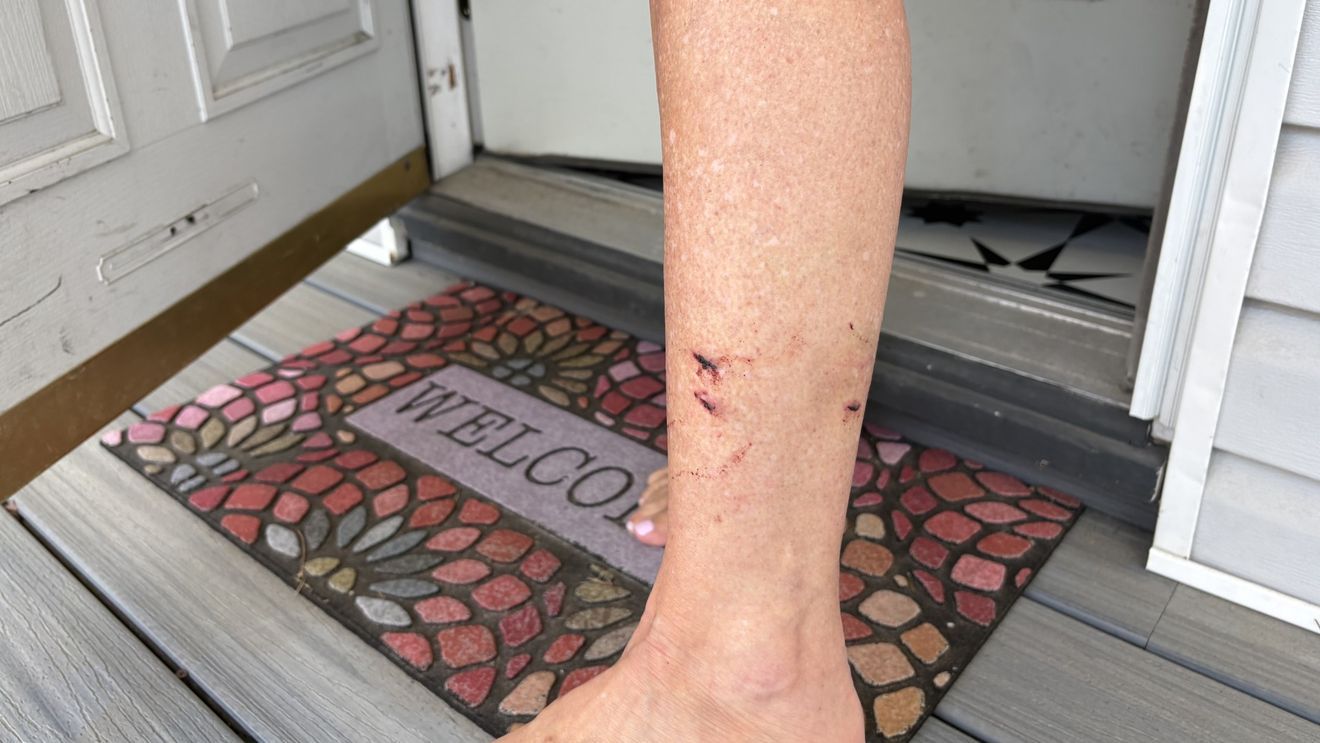
If anyone is bitten or scratched, wash the wound well with soap and water. Then call a doctor or your local health department promptly to talk about rabies risk.
Indiana’s rabies information and CDC guidance both point to that quick step.
Also let a professional know if your pet had contact with the animal. Don’t wait to see whether symptoms appear.
A fox in the yard is usually just a neighbor passing through, and your calm distance is the best welcome.
Share this story