Your Indiana backyard is home to more venomous creatures than you might guess, and most of them stay hidden all summer long. When the nights turn chilly in October and November, many of these critters start looking for warm places to spend the winter.
That search often brings them into garages, basements, woodpiles, and even your shoes by the door. Knowing who they are and where they hide can help you stay safe without panicking over every crawling thing you see.
1. Brown Recluse Spider
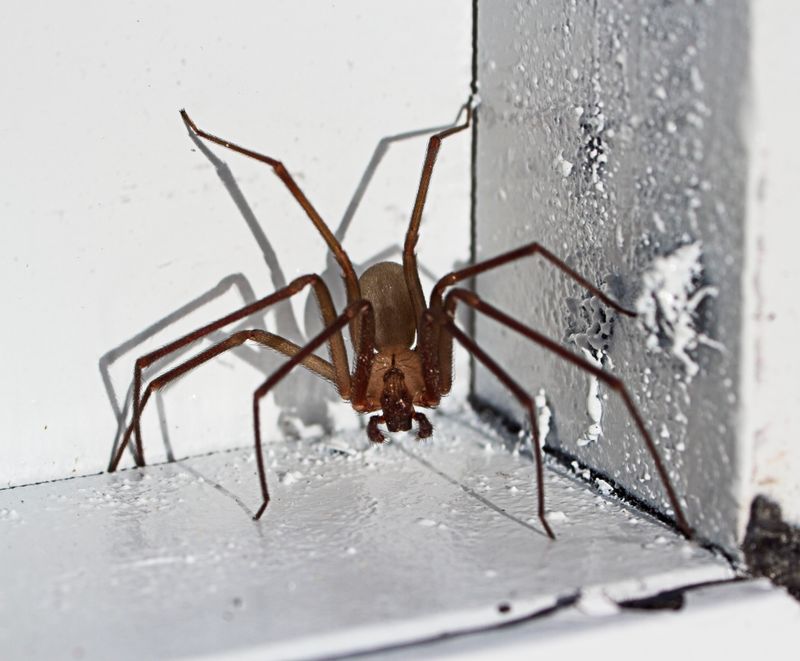
Picture a cardboard box of Halloween decorations that has not been touched since last year. Tucked inside, a small tan spider with a dark violin shape on its back may be waiting.
Brown recluses are found mostly in southern Indiana, though they hitch rides north in boxes and furniture.
As fall cools things down, they wander indoors and settle into closets, attics, and storage bins. They are shy and rarely bite unless pressed against skin, like when you pull on a sweater they crawled into.
A bite can cause a slow-healing sore in some people, so shake out stored clothes and use sealed plastic bins instead of cardboard. Sticky traps along baseboards are a simple way to check whether you have them.
2. Black Widow Spider
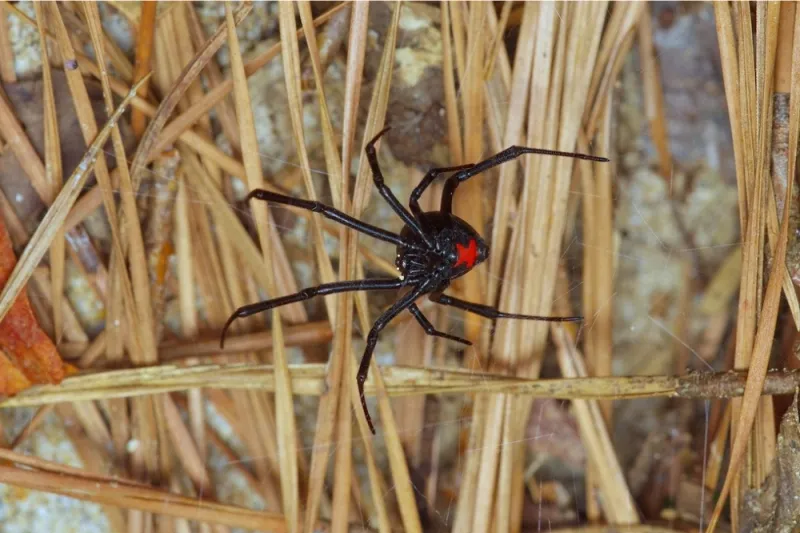
Shiny, black, and marked with a red hourglass, the female black widow is the celebrity of venomous spiders. Indiana has both the southern and northern black widow, and they love quiet, cluttered corners.
Woodpiles, flower pot rims, deck undersides, and old tires are favorite hangouts. In late fall, people start hauling firewood and cleaning up patio furniture, which is exactly when hands meet webs.
Wear thick gloves for outdoor chores and never reach blindly into dark spaces. Their venom affects nerves and muscles, so anyone bitten should get medical help, especially kids and older adults.
3. Eastern Copperhead
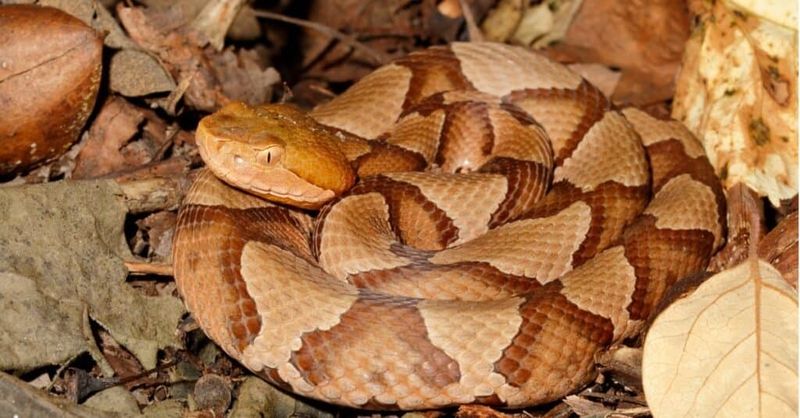
Hiding in a pile of fallen oak leaves, a copperhead is almost invisible. Its copper and tan bands look just like autumn foliage, which is a clever trick until someone rakes too close.
Copperheads live mostly in the wooded hills of southern Indiana. In fall they travel toward rocky dens to spend the winter, sometimes passing through yards near forests.
Their bites are painful but rarely deadly with prompt care. Keep leaf piles away from the house, wear boots when doing yard work, and give any snake plenty of room to leave on its own.
4. Timber Rattlesnake
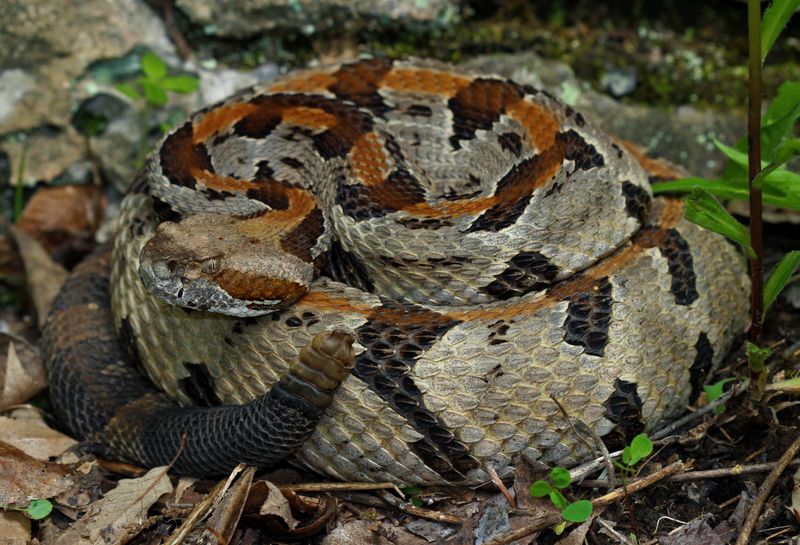
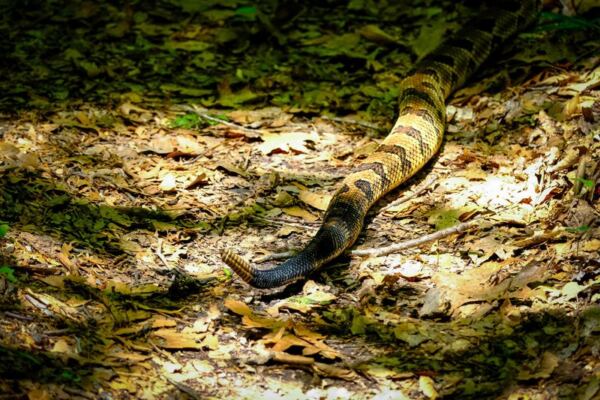
Few sounds stop a hiker faster than a dry, buzzing rattle. The timber rattlesnake is Indiana’s largest venomous snake, and it is also an endangered species here, so seeing one is rare.
They live in rugged forests of south-central Indiana, especially around Brown County and Hoosier National Forest. Come late fall, they gather near rocky den sites, sometimes basking on warm stones during sunny afternoons.
Timber rattlers are calm and prefer to stay still rather than strike. It is illegal to harm them in Indiana, so the best move is to back away slowly and enjoy a once-in-a-lifetime sighting from a safe distance.
5. Eastern Massasauga Rattlesnake
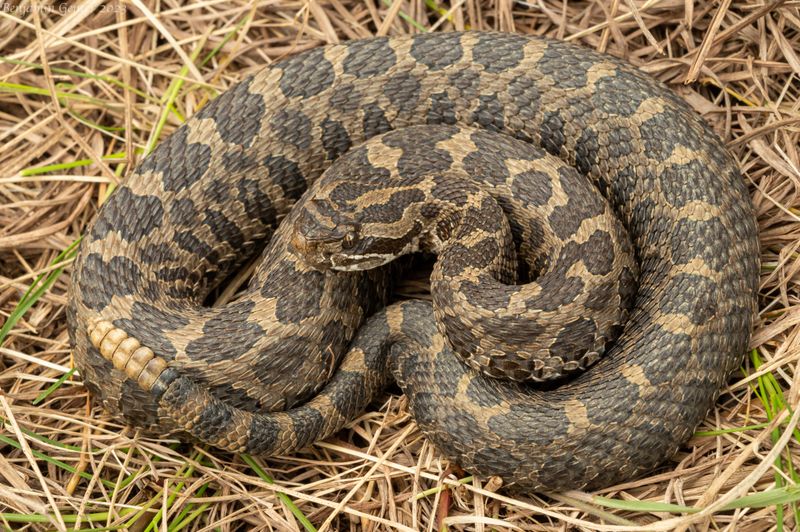
Small, secretive, and federally threatened, the eastern massasauga is the swamp rattler of northern Indiana. Adults usually stay under three feet long.
They live in wet prairies and marshes, and in fall they move toward crayfish burrows where they will sleep through winter underground. Homes near wetlands sometimes see them crossing paths during this move.
Fun fact: their name comes from an Ojibwe word meaning great river mouth. Bites are uncommon, but if you spot one, leave it alone and consider reporting the sighting to the Indiana DNR, which tracks these rare snakes.
6. Yellowjackets
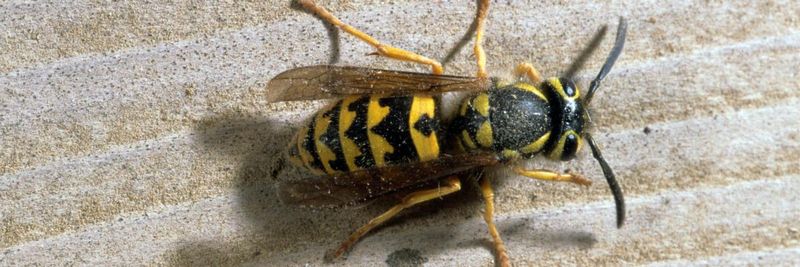
Ever notice how yellowjackets turn grumpy right around football season? There is a reason.
By late summer and fall, their colonies are huge, and their food supply of caterpillars is shrinking.
Hungry workers then go after sweet drinks, fruit, and trash cans. Many nests are underground, so mowing over one can bring an angry cloud out fast.
Unlike honeybees, they can sting again and again. Cover drinks outdoors, keep trash lids tight, and remember that the first hard freeze usually ends the colony, leaving only new queens to survive winter.
7. Bald-Faced Hornet
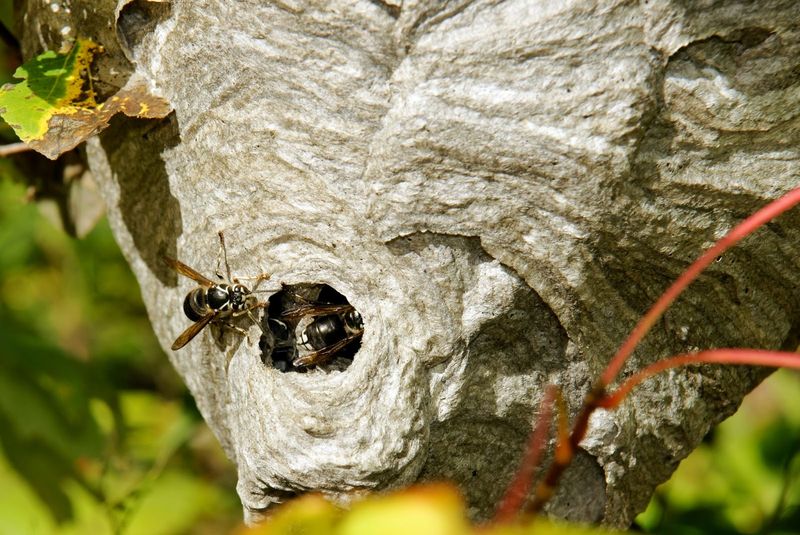
Late fall has a funny way of revealing secrets. Once maple leaves drop, many Indiana homeowners finally spot a giant gray paper ball hanging in a tree, built all summer by bald-faced hornets.
These black and white insects are actually a kind of yellowjacket. They guard their nest fiercely and can even squirt venom toward the eyes of an intruder.
Good news: by the time you see the nest in November, it is usually empty or nearly so. The colony dies off in cold weather and the old nest is not reused, so you can admire it as a piece of natural art.
8. Paper Wasps
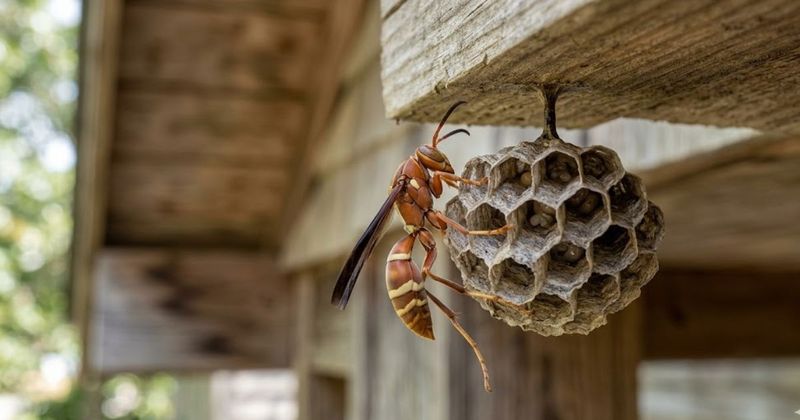
A slow, sleepy wasp crawling across your living room window in November is probably a paper wasp queen. She was looking for a cozy spot to wait out winter and found your house instead.
During summer, these wasps build umbrella-shaped nests under eaves, porch ceilings, and grill lids. In fall, mated queens slip into wall gaps, attics, and window frames.
They are not very aggressive, but a squeezed wasp will sting. Seal cracks around windows and siding before October, and gently scoop up indoor wanderers with a cup and paper rather than swatting barehanded.
9. Saddleback Caterpillar
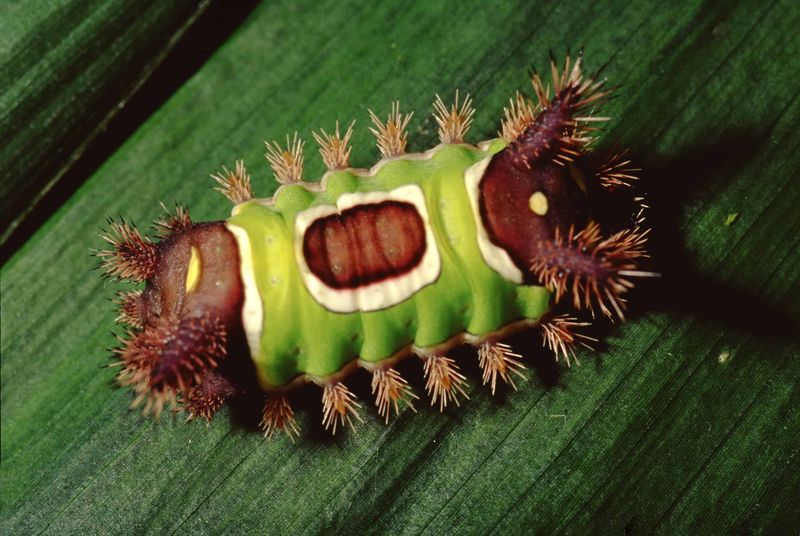
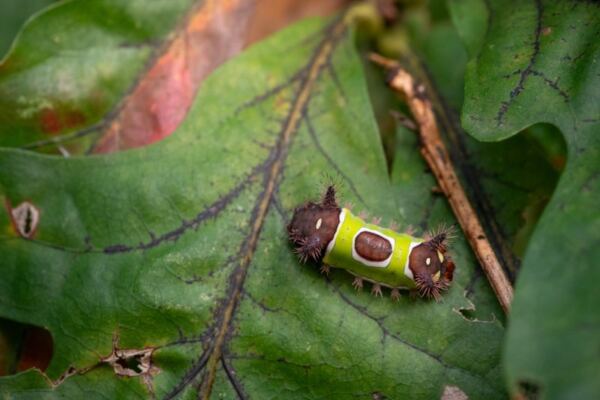
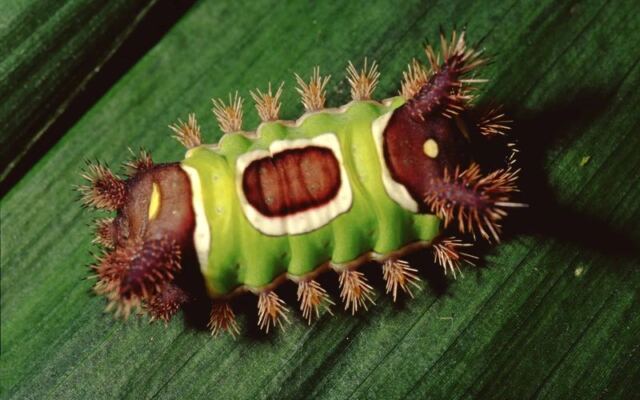
It looks like it is wearing a tiny green saddle blanket, which is adorable until you touch it. The saddleback caterpillar is covered in hollow spines that inject venom on contact.
Found on shrubs, corn, and ornamental plants, they show up in late summer and early fall when gardeners are busy harvesting and trimming. A brush against one can feel like a strong bee sting and leave a red, itchy rash.
Wear gloves while pruning, and if stung, press tape on the area to pull out spines. Washing with soap and an ice pack usually helps calm things down.
10. Northern Short-Tailed Shrew
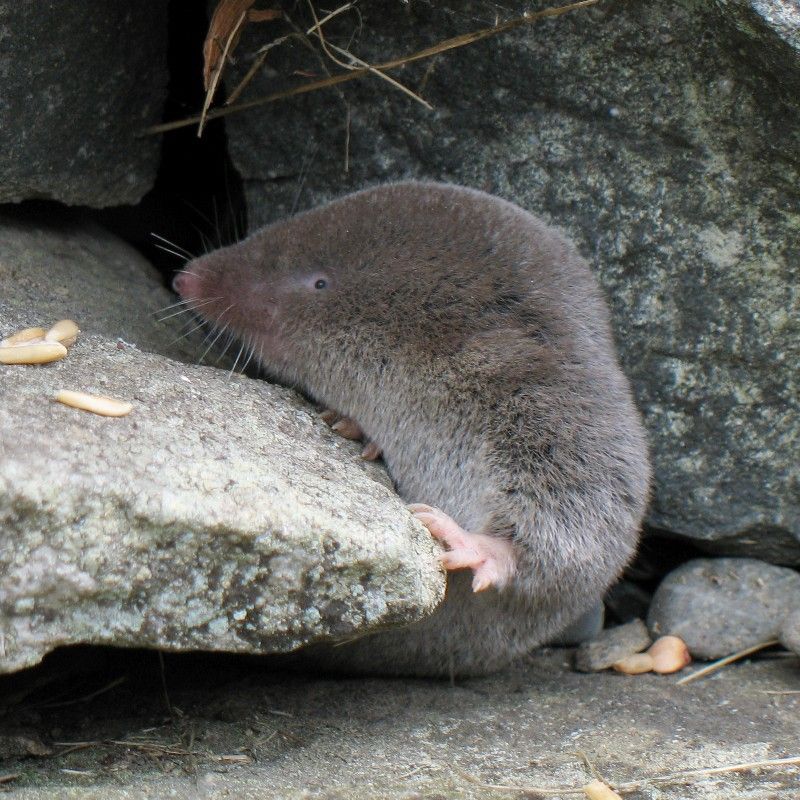
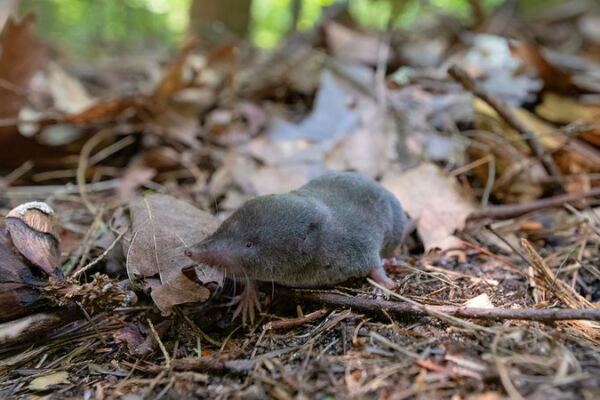
Here is a surprise for trivia night: one of the few venomous mammals in North America may be living under your shed. The northern short-tailed shrew has venomous saliva that helps it subdue insects, worms, and even mice.
These tiny, mouse-sized animals are common across Indiana. In late fall, they become more noticeable as they hunt hard to stay warm, and cats often bring them to the doorstep.
Their bite is harmless to people beyond mild pain and swelling. Honestly, they are helpful neighbors that eat lots of garden pests, so let them be and simply avoid handling them.
Share this story