When the leaves start piling up in Ohio, so do the surprise visitors hiding under them. Late fall pushes spiders, snakes, and stinging insects closer to our homes as they hunt for warm places to spend the winter.
That means raking, stacking firewood, and cleaning the garage can lead to some unexpected and painful meetings. Knowing who these critters are and where they hide can keep your family safe all season long.
1. Brown Recluse Spider
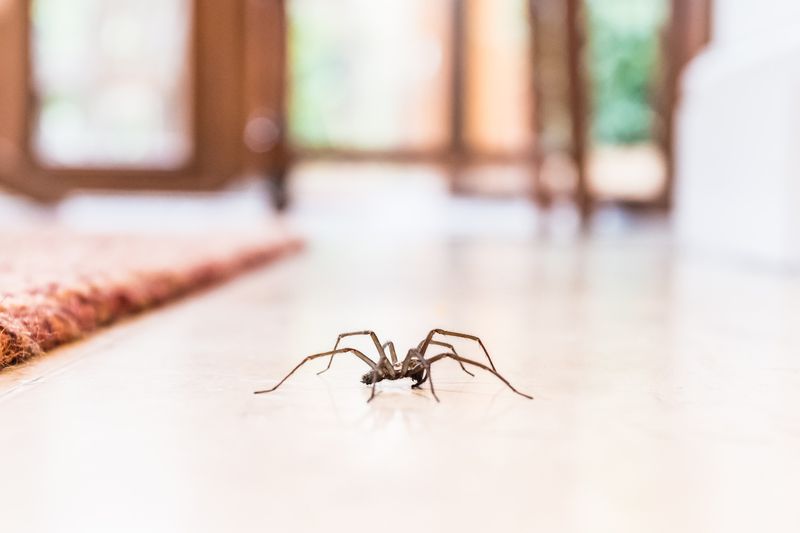
Picture a stack of old cardboard boxes in your basement, untouched since spring. To a brown recluse, that pile is a five-star hotel.
Southern Ohio counties report these shy spiders more often than northern ones, but they turn up statewide.
Cooler nights drive them deeper indoors, and fall is when people start digging out holiday decorations and winter clothes. Reaching blindly into a bin is the classic way bites happen.
The spider is not aggressive at all, it just gets pressed against skin.
Look for a light brown body with a darker violin shape on its back. Shake out shoes and gloves, store items in sealed plastic tubs, and wear gloves when sorting through storage.
A bite that turns into a spreading sore deserves a doctor visit, not a wait-and-see approach.
2. Northern Black Widow
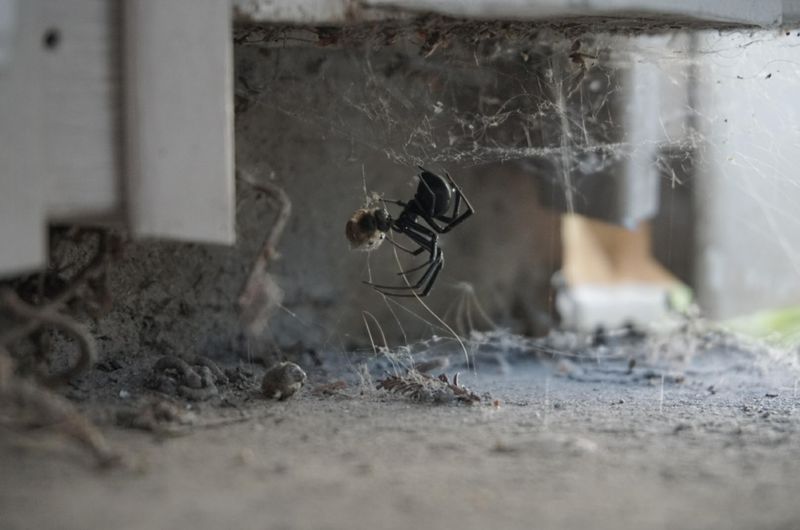
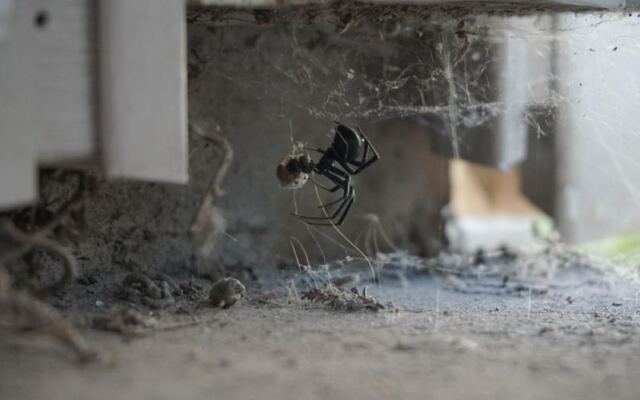
Shiny, round, and wearing a red hourglass like a warning badge, the northern black widow is hard to forget once you spot one. Ohio is home to this species, and it loves tight, sheltered gaps.
Firewood piles are prime real estate. Every October, homeowners grab logs bare-handed for that first cozy fire, and a widow tucked between pieces may bite in self-defense.
Her messy, tangled web near the ground is a clue she is home.
Fun fact: only the females carry venom strong enough to bother people, and males are much smaller. Keep woodpiles off the ground and away from the house, wear thick gloves, and never carry logs against your chest.
Muscle cramps or heavy pain after a bite mean it is time for medical care.
3. Eastern Yellowjacket
Ever noticed yellowjackets seem crankier in October? You are not imagining it.
By late fall, colonies are at their biggest, and their natural food supply is drying up.
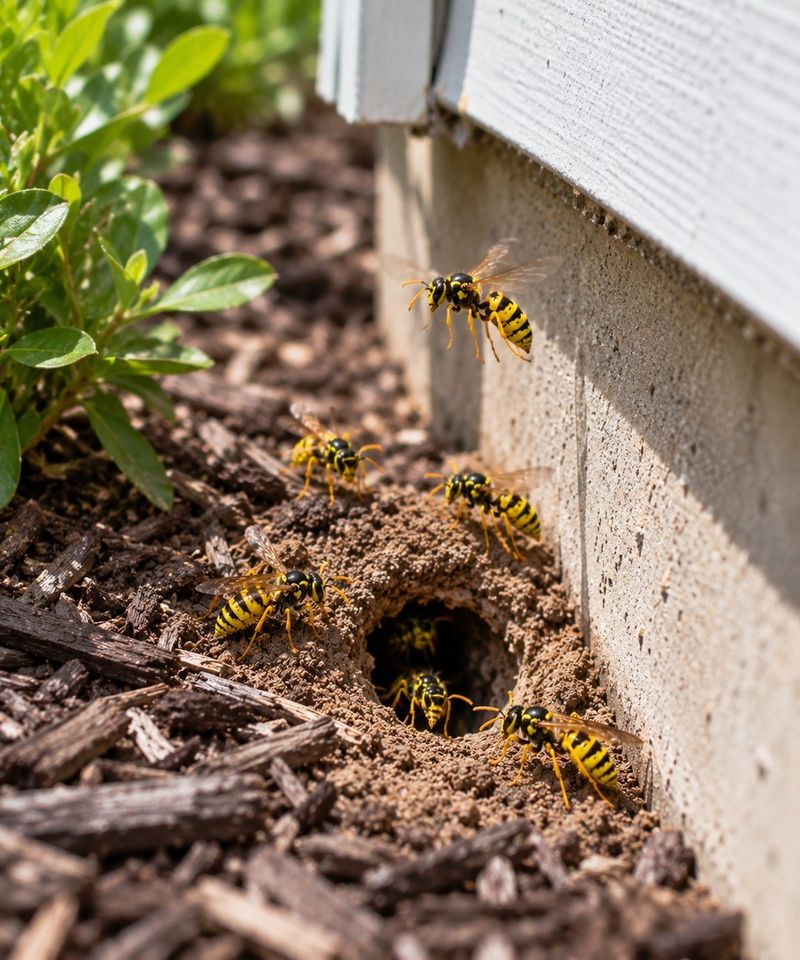
Workers that spent summer hunting caterpillars suddenly crave sugar, so they crash cookouts, trash cans, and fallen apples. Ground nests also get disturbed when people mow, rake, or aerate the lawn one last time.
One bump can send dozens out at once.
Since they can sting again and again, a nest surprise is no joke, especially for anyone allergic. Cover drinks outside, keep trash lids tight, and pick up rotting fruit.
Watch for a steady stream of wasps flying in and out of a hole before you mow over it.
4. Eastern Massasauga Rattlesnake
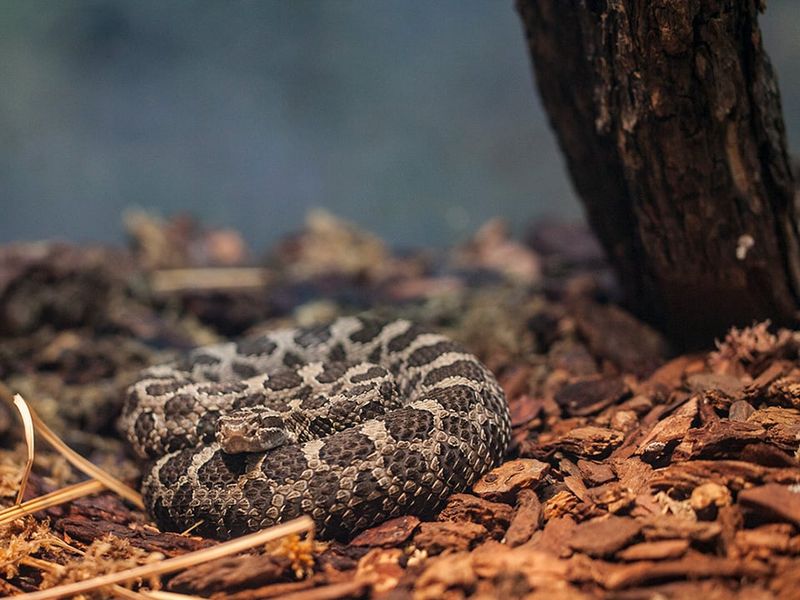
Few Ohioans ever see one, which makes the eastern massasauga feel almost like a legend. This small, federally threatened rattlesnake lives in scattered wet prairies and marshy spots, mostly in the northern and western parts of the state.
Fall is when massasaugas travel toward crayfish burrows and low wet areas to hibernate. That short migration can bring them across trails, field edges, and rural yards that border wetlands.
Sunny afternoons find them basking to soak up the last warmth.
Bites are rare and the snake usually freezes or slips away. If you live near wetland habitat, watch where you step and keep brush trimmed.
Spotting one is a special sighting, so give it room and enjoy it from a distance.
5. Northern Copperhead
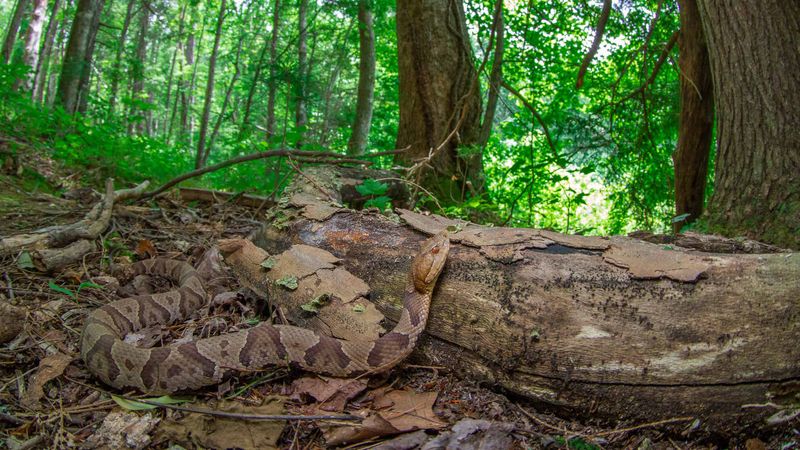
Lay a copperhead on a bed of fallen oak leaves and it practically vanishes. That perfect autumn camouflage is exactly why fall run-ins happen.
In Ohio, copperheads stick mainly to the rocky, wooded hills of the southeast.
As temperatures drop, these snakes gather near rocky dens to overwinter, sometimes alongside other snakes. Homes built near wooded ridges may see them cross driveways or rest under stone walls and leaf piles on warm days.
Copperhead bites hurt and need a hospital trip, though they are rarely deadly. Rake with long-handled tools, wear boots, and use a flashlight on evening walks.
Keeping stone piles and leaf heaps away from doorways cuts down on hiding spots fast.
6. Bald-Faced Hornet
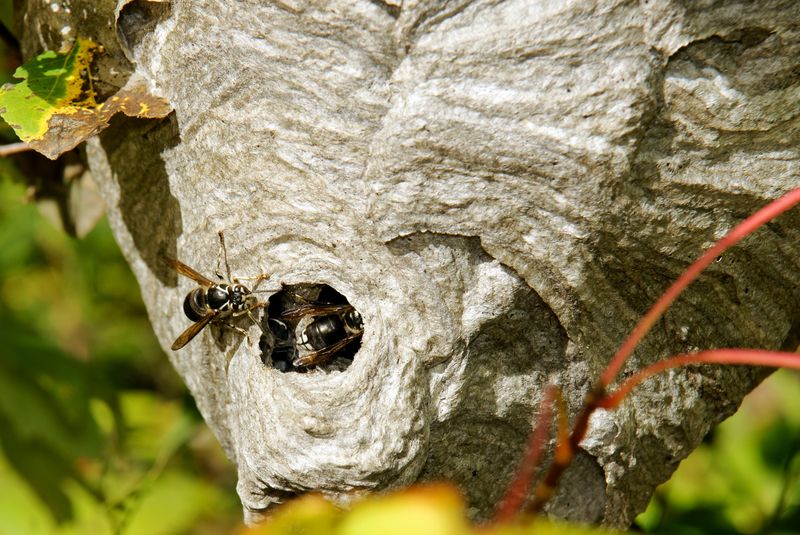
Here is a fall surprise many folks share: the leaves drop, and suddenly a giant gray paper ball appears in the maple tree. It was there all summer, just hidden.
Bald-faced hornets are actually a type of yellowjacket, and they guard their nests fiercely. Early fall colonies are still active, and trimming branches or cleaning gutters can put you face to face with angry defenders.
They have even been known to squirt venom toward eyes.
The good news? After a hard freeze, the colony dies off and the nest is not reused.
If you find one in October, leave it alone or call a pro. Wait until winter if you want to take it down as a cool nature souvenir.
7. Saddleback and Hag Moth Caterpillars
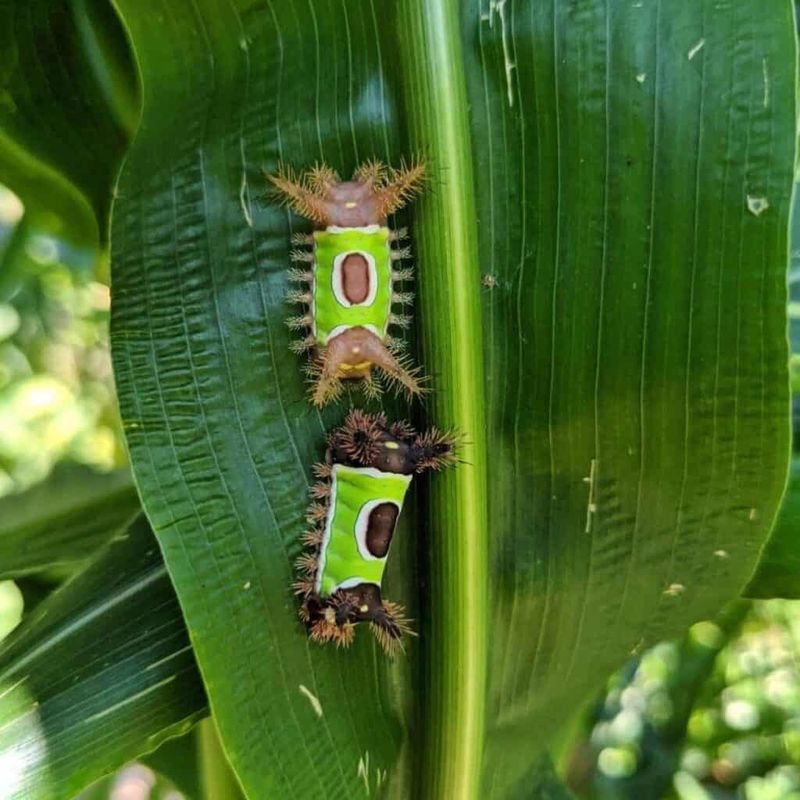
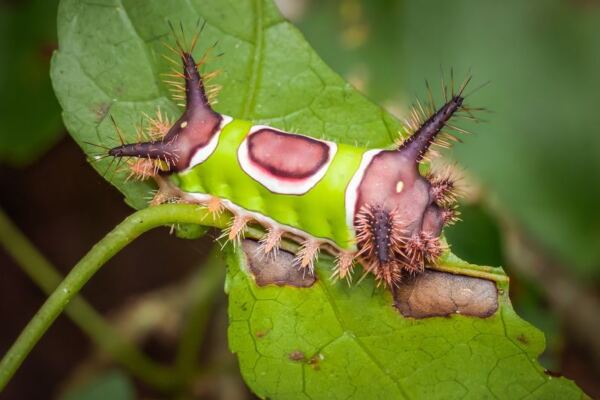
Not every venomous critter has fangs or a stinger. Some look like tiny cartoon characters, and the saddleback caterpillar is a great example with its bright green saddle and spiky horns.
These caterpillars and their odd cousin, the hairy hag moth caterpillar, feed on garden shrubs and trees through early fall. People pulling plants, picking up leaves, or clearing beds can brush against their stinging spines.
The result is a burning rash that can last for hours.
Kids are often drawn to their strange looks, so teach them a simple rule: admire, do not touch. Wear gloves for garden cleanup.
If you get stung, press clear tape on the spot to lift out spines, then wash with soap and water.
Share this story