
If a saddleback caterpillar stings you, lift the spines out gently with sticky tape, wash the skin with soap and water, and rest a wrapped ice pack on the spot for comfort. Call 911 right away if you have trouble breathing, faint, or notice swelling of your lips, face, or tongue.
Cutting back perennials and shrubs puts your hands close to leaves where small hazards can hide. Knowing these steps ahead of time keeps a painful moment from turning into a frantic one.
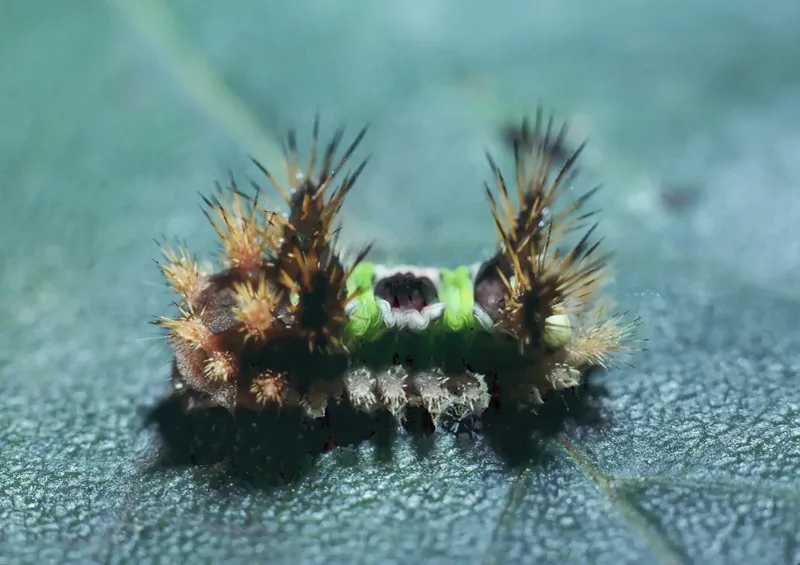
What a saddleback caterpillar looks like
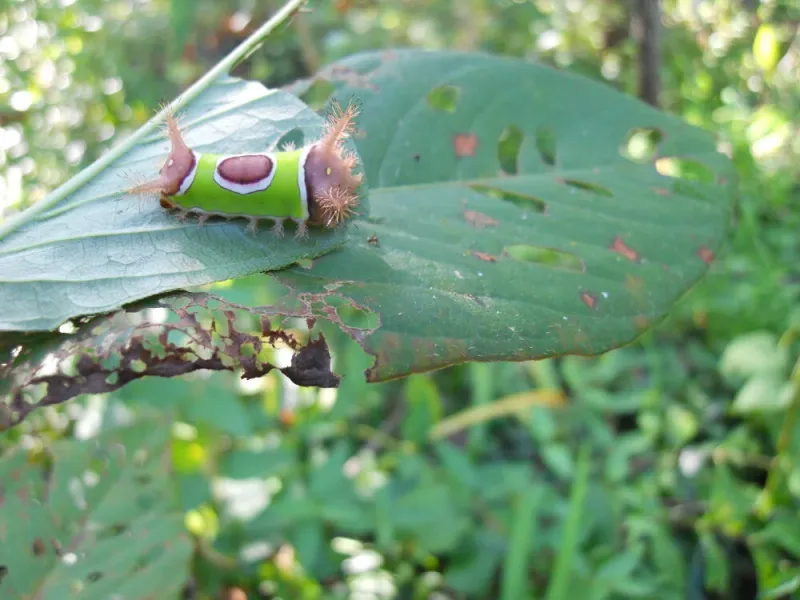
Yard work in late summer and fall brings your hands into leaves and stems, and a stinging caterpillar is one possible surprise. That does not mean every Pennsylvania gardener will meet one.
Still, it helps to know what to look for.
According to NC State Extension, a saddleback caterpillar has a brown saddle-shaped patch on a green back, with stinging hairs on prominent knobs and along its sides. Treat those colors as clues, not proof.
Other caterpillars can look different or similar, so if you are unsure, avoid touching it.
The caterpillar feeds on many trees and shrubs, so contact during garden work is possible. Virginia Cooperative Extension reports saddlebacks on shade trees and ornamental shrubs in late summer.
UF/IFAS describes a range reaching north to New York and Massachusetts. Together, that makes contact plausible in the region, though it does not show how common it is in Pennsylvania.
Reactions vary from person to person. A sting may cause burning pain, redness, itching, swelling, welts, or sometimes blisters.
Redness and swelling can last more than a week in some cases.
Use tape gently to lift embedded spines
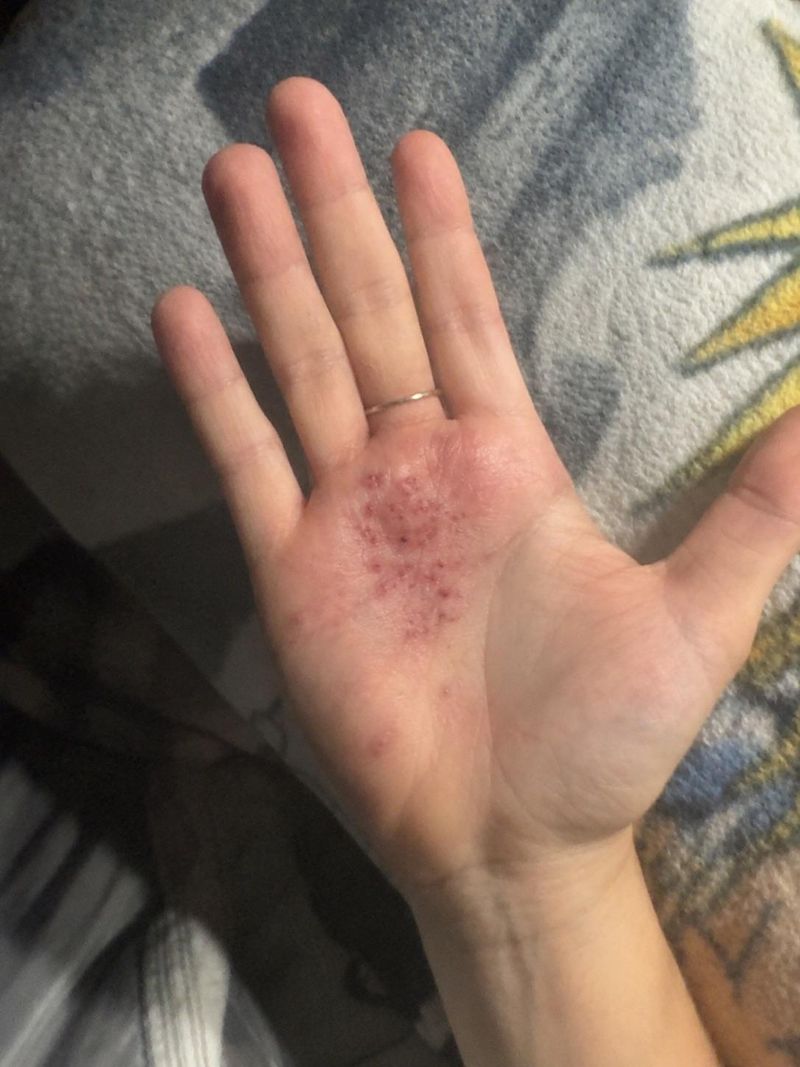
Start by checking whether the caterpillar is still on your skin. If it is, remove it with a tool or another object, such as a stick, a folded piece of paper, or tweezers.
Do not use bare hands, since that can push more spines into your fingers.
Next comes the tape. Poison Control recommends pressing sticky tape onto the affected skin, sticky side down, and lifting it away gently to pull out embedded hairs or spines.
If spines still seem to be there, use a fresh piece of tape and repeat.
Then wash the area with soap and water. Sources do not fully agree on the order.
North Carolina Poison Control describes tape followed by washing, while NC State Extension suggests washing first, letting the skin air-dry, and then using tape for any remaining spines. Neither order has been shown to be better, so pick one and be gentle.
Avoid scrubbing hard. Do not rub, scrape, or pick at the spot with bare fingers, because that can break spines and leave more of them in the skin.
Tape is recommended to lift embedded hairs, but it may not catch every spine, and it cannot promise relief from the pain.
Wrapped ice can ease pain and swelling
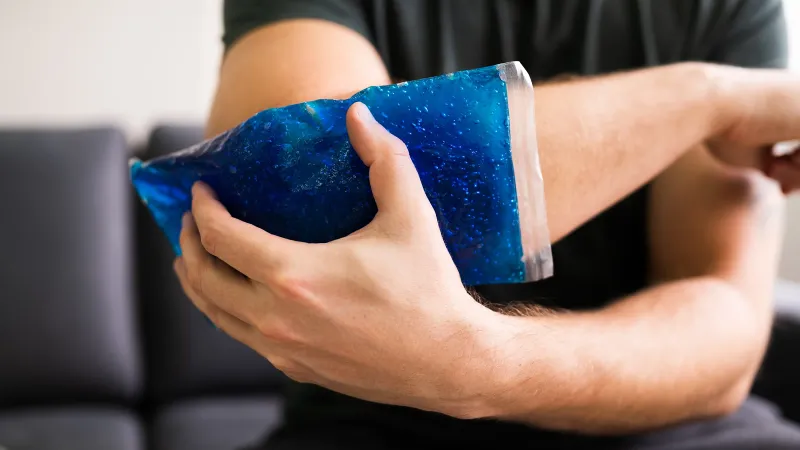
After the spines are lifted, comfort care can make the next hour easier. Wrap an ice pack or ice in a clean cloth and hold it against the sore area.
Placing ice directly on skin can irritate it further.
MedlinePlus suggests ice for 10 minutes, then 10 minutes off, repeating as needed. People with blood-flow problems should shorten the icing time.
If you are unsure whether that applies to you, ask a clinician or Poison Control.
Keep the purpose of ice clear. It can ease pain and swelling, but it does not pull out spines or neutralize venom.
Tape is the step meant to lift embedded hairs.
Poison Control also notes that common oral pain relievers may help some people. Think of those as optional comfort, not a replacement for first aid.
If warning signs appear, comfort measures should not delay medical care.
Know when to get medical help
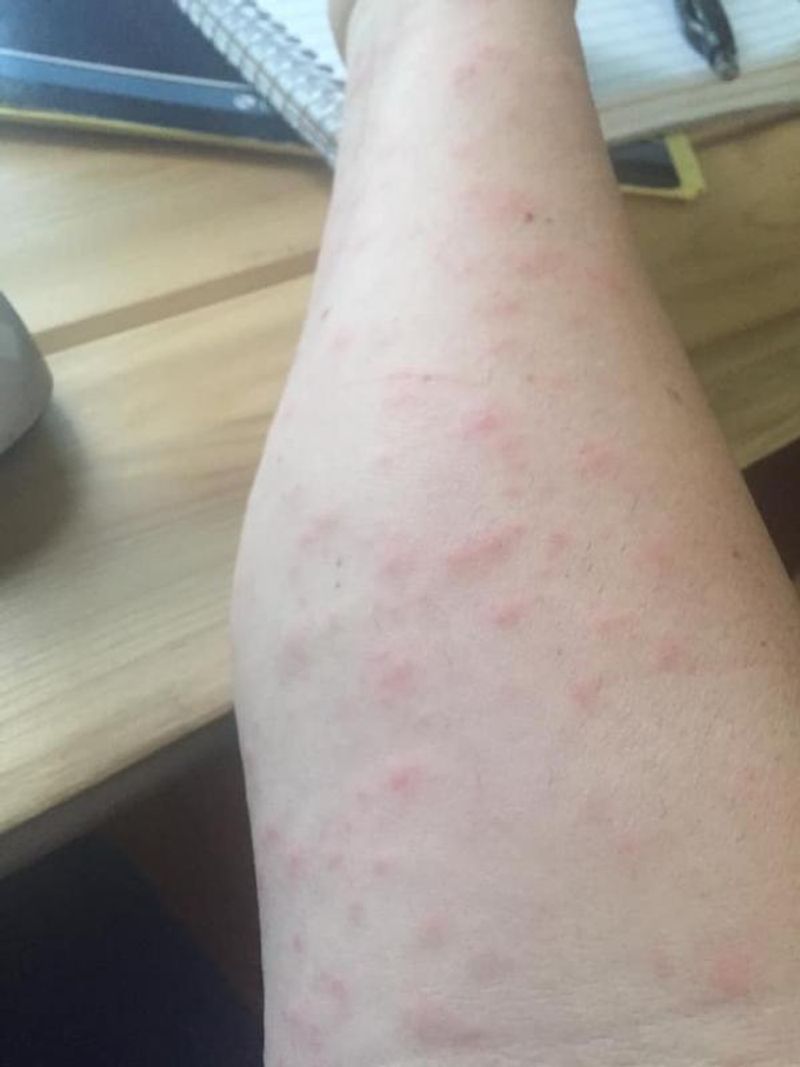
Most stings call for local care at home, but a few signs mean you should act fast. Call 911 for difficulty breathing, fainting, or swelling of the lips, face, or tongue.
Do not wait to see if those symptoms settle.
Other symptoms call for medical advice without being emergencies. Contact a clinician or urgent care if you suspect a localized allergic reaction, if blisters are significant, or if eye irritation does not go away.
Poison Control lists these as reasons to seek guidance.
In the U.S., you can call Poison Control at 1-800-222-1222 for advice specific to your exposure. They can help you decide whether home care is enough.
Having the number saved in your phone is a small step that pays off in a stressful moment.
Ordinary local reactions can include burning pain, redness, itching, swelling, welts, and sometimes blisters. Some people also get a headache or nausea.
Do not expect everything to fade within hours, because NC State Extension notes that redness and swelling may last more than a week.
Not every sting is an emergency, but severe symptoms should never be brushed off as harmless. If something feels wrong beyond the sore patch of skin, trust that feeling and get help.
Rinse eye exposure and get help for inhaled hairs
Spines and hairs do not always land on arms and hands. If one gets in an eye, skip the tape and rinse the eye with water.
Poison Control advises lukewarm water, and MedlinePlus advises plenty of water followed by medical help.
Do not rub the eye. If pain, redness, blurred vision, or irritation lingers after rinsing, get medical advice promptly.
Eye symptoms deserve professional attention rather than waiting it out.
Inhaled hairs are a separate situation. If you think you breathed in caterpillar hairs, seek medical care.
Tape, soap, and ice are skin measures and will not help in that case.
If breathing becomes difficult at any point, call 911.
Reduce contact while gardening

The simplest prevention is to avoid touching any spiny caterpillar, even if you are not sure what it is. Poison Control notes that gloves and a hat can reduce accidental contact while gardening.
Glance over leaves and stems before you grab or cut them.
Gear lowers the odds but does not remove the risk. Saddlebacks are not a routine hazard in Pennsylvania yards, so there is no need to dread cleanup season.
A little attention goes a long way.
If a sting does happen, lift spines gently with tape, wash the skin, use wrapped ice for comfort, and act on any serious warning signs. A quick look before each cut is cheaper than any first-aid kit.
Share this story