Get the latest garden guides in your inbox →
Gardening Latest
  • General Gardening
  • Lawn Care
  • Plant Care
  • Composting
  • Soil Health
  • Backyard
  • Garden Muse Magazine
  • General Gardening
  • Lawn Care
  • Plant Care
  • Composting
  • Soil Health
  • Backyard
  • Garden Muse Magazine
  • News
  • Gardening Calendar
  • Garden Structures
  • Vegetable Garden
  • Vertical Garden
  • Raised Beds
  • Hydroponics
  • General Equipment
  • Community Gardens
Garden Themes
  • Spiritual Garden
  • Hydroseeding
  • Seeding and Laying Sod
  • Artificial Grass
  • Lawn Care Equipment
  • Plants
  • Trees
  • Planting Tools
  • Composting Basics
  • Fertilizer
  • Alternative Growing Mediums
  • Front Yard
  • Backyard Activities
  • Landscaping
Gardening Latest

Explore by state

Which state is your garden in?

Currently viewing Pennsylvania

All states

Northeast

  • Connecticut —
  • Delaware 36
  • Maine —
  • Maryland 22
  • Massachusetts 38
  • New Hampshire —
  • New Jersey 22
  • New York 31
  • Pennsylvania 31
  • Rhode Island —
  • Vermont —

Southeast

  • Alabama 22
  • Arkansas —
  • Florida 22
  • Georgia 23
  • Kentucky 36
  • Louisiana 21
  • Mississippi —
  • North Carolina 20
  • South Carolina 35
  • Tennessee 19
  • Virginia 21
  • West Virginia —

Midwest

  • Illinois 21
  • Indiana 23
  • Iowa 35
  • Kansas —
  • Michigan 22
  • Minnesota 21
  • Missouri 21
  • Nebraska —
  • North Dakota —
  • Ohio 22
  • South Dakota —
  • Wisconsin 37

Southwest

  • Arizona 22
  • Colorado —
  • Nevada —
  • New Mexico —
  • Oklahoma —
  • Texas 21
  • Utah —

West

  • Alaska —
  • California 21
  • Hawaii —
  • Idaho —
  • Montana —
  • Oregon —
  • Washington —
  • Wyoming —

No state matches that search.

Site menu

Gardening Latest
  • General Gardening
    • News
    • Gardening Calendar
    • Garden Structures
    • Vegetable Garden
    • Vertical Garden
    • Raised Beds
    • Hydroponics
    • General Equipment
    • Community Gardens
    Garden Themes
    • Spiritual Garden
  • Lawn Care
    • Hydroseeding
    • Seeding and Laying Sod
    • Artificial Grass
    • Lawn Care Equipment
  • Plant Care
    • Plants
    • Trees
    • Planting Tools
  • Composting
    • Composting Basics
  • Soil Health
    • Fertilizer
    • Alternative Growing Mediums
  • Backyard
    • Front Yard
    • Backyard Activities
    • Landscaping
  • Garden Muse Magazine

Explore

  • About GardeningLatest.com
  • Contact Us

Get the latest from the garden

New guides on lawn care, plants and backyard projects, sent when they go up.

Subscribe →

Follow

  • Facebook
  • X
  • Pinterest
  • YouTube
Pennsylvania Gardening

Here’s What Actually Helps When a Saddleback Caterpillar Stings You During Pennsylvania Fall Cleanup

If a saddleback caterpillar stings you, lift the spines out gently with sticky tape, wash the skin with soap and water…

MY

By Martha Yoder

November 26, 2026 · 5 min read

Here’s What Actually Helps When a Saddleback Caterpillar Stings You During Pennsylvania Fall Cleanup
Here's What Actually Helps When a Saddleback Caterpillar Stings You During Pennsylvania Fall Cleanup

If a saddleback caterpillar stings you, lift the spines out gently with sticky tape, wash the skin with soap and water, and rest a wrapped ice pack on the spot for comfort. Call 911 right away if you have trouble breathing, faint, or notice swelling of your lips, face, or tongue.

Cutting back perennials and shrubs puts your hands close to leaves where small hazards can hide. Knowing these steps ahead of time keeps a painful moment from turning into a frantic one.

At a glance

Where
Pennsylvania Gardening
Hardiness zone
6 −10 to 0°F
Read
5 minutes
Published
November 26, 2026

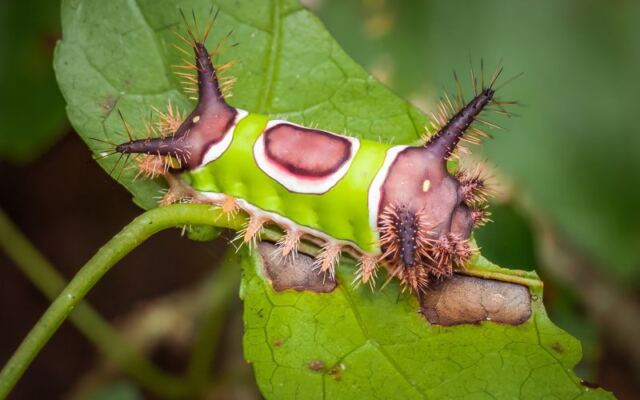
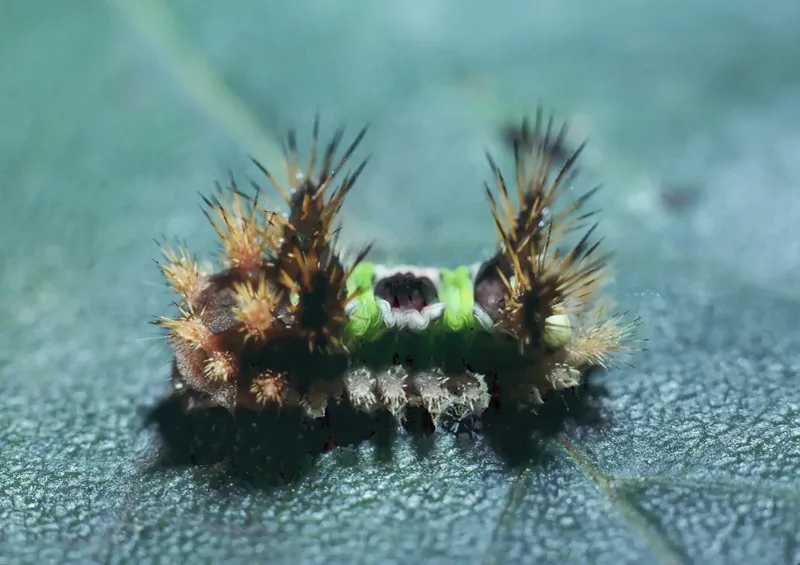
What a saddleback caterpillar looks like
What a saddleback caterpillar looks like
© Gardening Charlotte

Yard work in late summer and fall brings your hands into leaves and stems, and a stinging caterpillar is one possible surprise. That does not mean every Pennsylvania gardener will meet one.

Still, it helps to know what to look for.

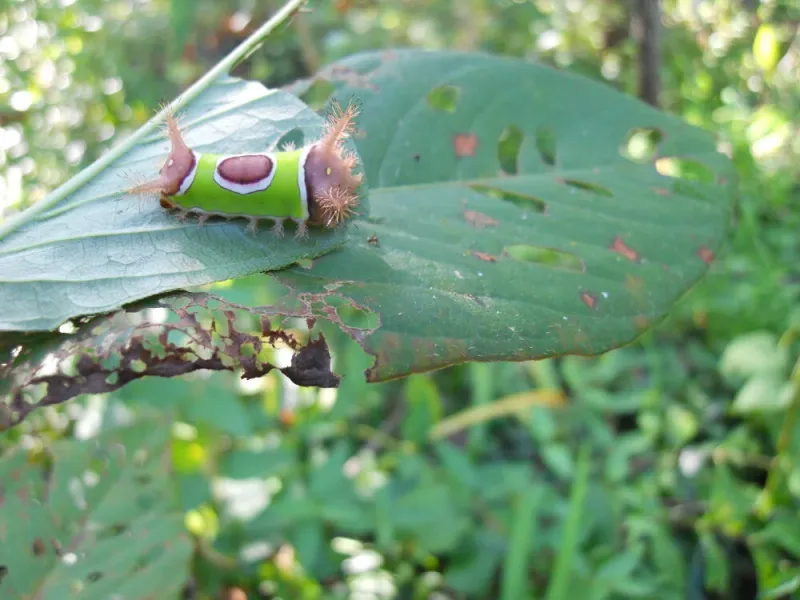
According to NC State Extension, a saddleback caterpillar has a brown saddle-shaped patch on a green back, with stinging hairs on prominent knobs and along its sides. Treat those colors as clues, not proof.

Other caterpillars can look different or similar, so if you are unsure, avoid touching it.

The caterpillar feeds on many trees and shrubs, so contact during garden work is possible. Virginia Cooperative Extension reports saddlebacks on shade trees and ornamental shrubs in late summer.

UF/IFAS describes a range reaching north to New York and Massachusetts. Together, that makes contact plausible in the region, though it does not show how common it is in Pennsylvania.

Reactions vary from person to person. A sting may cause burning pain, redness, itching, swelling, welts, or sometimes blisters.

Redness and swelling can last more than a week in some cases.

Use tape gently to lift embedded spines
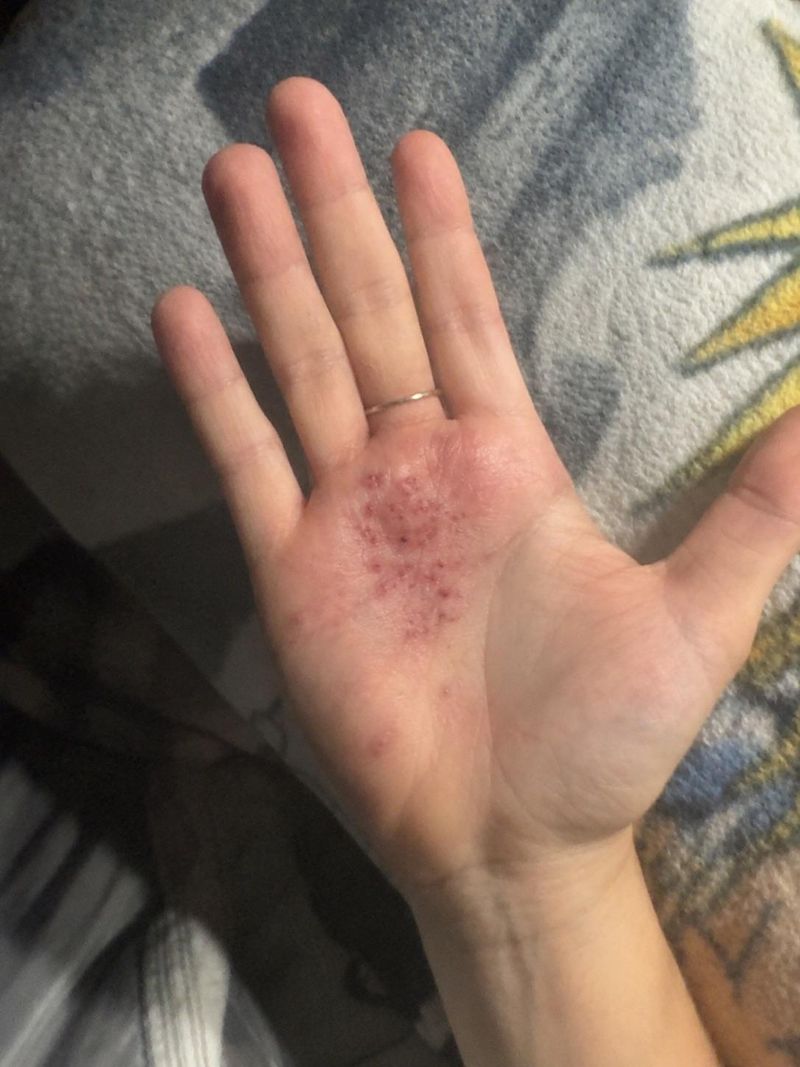
Use tape gently to lift embedded spines
© Reddit

Start by checking whether the caterpillar is still on your skin. If it is, remove it with a tool or another object, such as a stick, a folded piece of paper, or tweezers.

Do not use bare hands, since that can push more spines into your fingers.

Most stings call for local care at home, but a few signs mean you should act fast.

Next comes the tape. Poison Control recommends pressing sticky tape onto the affected skin, sticky side down, and lifting it away gently to pull out embedded hairs or spines.

If spines still seem to be there, use a fresh piece of tape and repeat.

Then wash the area with soap and water. Sources do not fully agree on the order.

North Carolina Poison Control describes tape followed by washing, while NC State Extension suggests washing first, letting the skin air-dry, and then using tape for any remaining spines. Neither order has been shown to be better, so pick one and be gentle.

Avoid scrubbing hard. Do not rub, scrape, or pick at the spot with bare fingers, because that can break spines and leave more of them in the skin.

Tape is recommended to lift embedded hairs, but it may not catch every spine, and it cannot promise relief from the pain.

Wrapped ice can ease pain and swelling
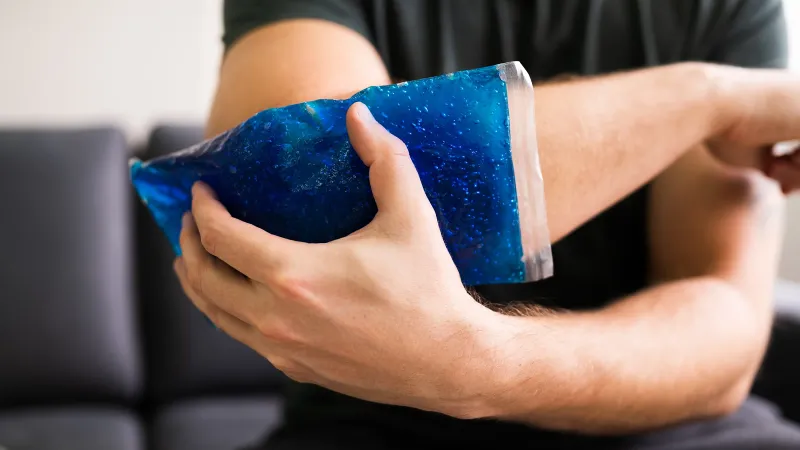
Wrapped ice can ease pain and swelling
© GoodRx

After the spines are lifted, comfort care can make the next hour easier. Wrap an ice pack or ice in a clean cloth and hold it against the sore area.

Placing ice directly on skin can irritate it further.

MedlinePlus suggests ice for 10 minutes, then 10 minutes off, repeating as needed. People with blood-flow problems should shorten the icing time.

If you are unsure whether that applies to you, ask a clinician or Poison Control.

Keep the purpose of ice clear. It can ease pain and swelling, but it does not pull out spines or neutralize venom.

Tape is the step meant to lift embedded hairs.

Poison Control also notes that common oral pain relievers may help some people. Think of those as optional comfort, not a replacement for first aid.

If warning signs appear, comfort measures should not delay medical care.

Know when to get medical help
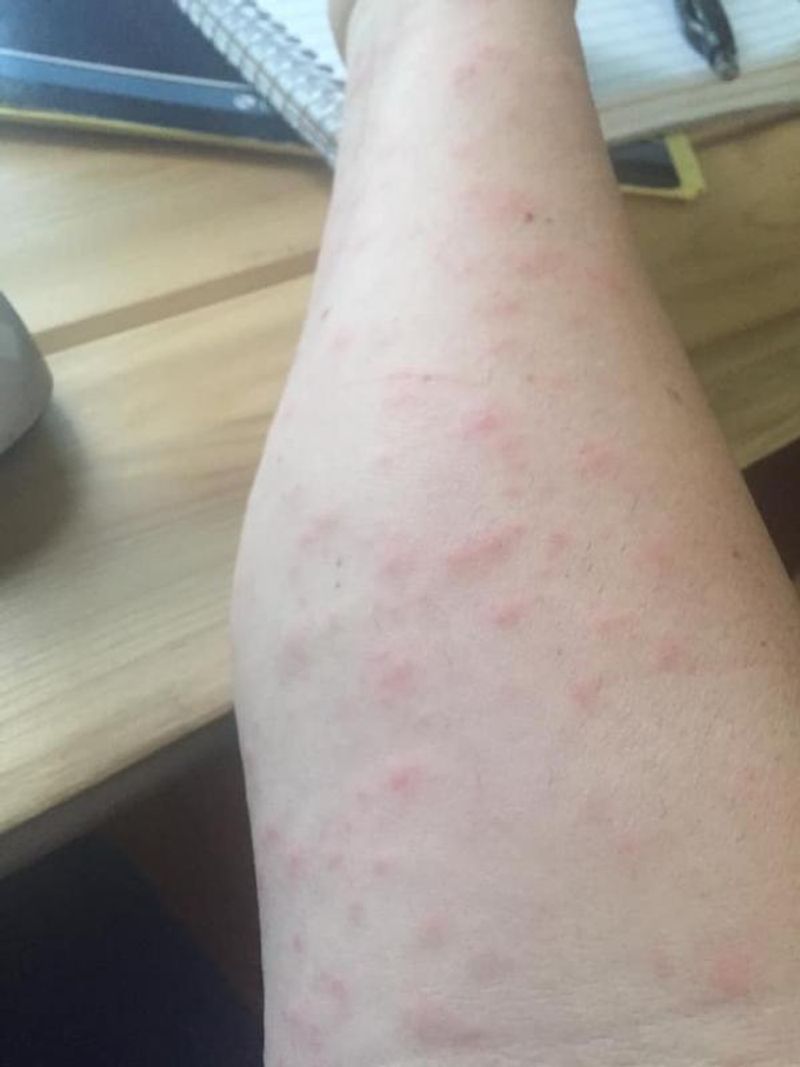
Know when to get medical help
© PenBay Pilot

Most stings call for local care at home, but a few signs mean you should act fast. Call 911 for difficulty breathing, fainting, or swelling of the lips, face, or tongue.

Do not wait to see if those symptoms settle.

Other symptoms call for medical advice without being emergencies. Contact a clinician or urgent care if you suspect a localized allergic reaction, if blisters are significant, or if eye irritation does not go away.

Poison Control lists these as reasons to seek guidance.

In the U.S., you can call Poison Control at 1-800-222-1222 for advice specific to your exposure. They can help you decide whether home care is enough.

Having the number saved in your phone is a small step that pays off in a stressful moment.

Ordinary local reactions can include burning pain, redness, itching, swelling, welts, and sometimes blisters. Some people also get a headache or nausea.

Do not expect everything to fade within hours, because NC State Extension notes that redness and swelling may last more than a week.

Not every sting is an emergency, but severe symptoms should never be brushed off as harmless. If something feels wrong beyond the sore patch of skin, trust that feeling and get help.

Rinse eye exposure and get help for inhaled hairs
Rinse eye exposure and get help for inhaled hairs
© Poison Control

Spines and hairs do not always land on arms and hands. If one gets in an eye, skip the tape and rinse the eye with water.

Poison Control advises lukewarm water, and MedlinePlus advises plenty of water followed by medical help.

Do not rub the eye. If pain, redness, blurred vision, or irritation lingers after rinsing, get medical advice promptly.

Eye symptoms deserve professional attention rather than waiting it out.

Inhaled hairs are a separate situation. If you think you breathed in caterpillar hairs, seek medical care.

Tape, soap, and ice are skin measures and will not help in that case.

If breathing becomes difficult at any point, call 911.

Reduce contact while gardening
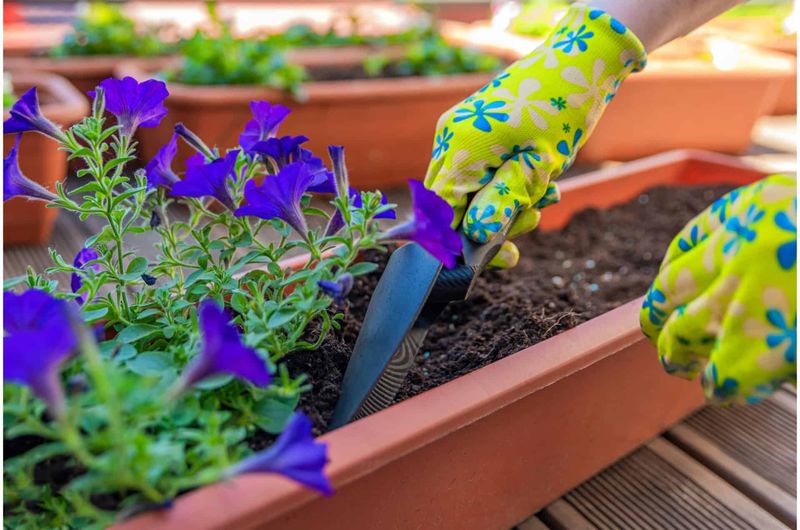
Reduce contact while gardening
© Midwest Garden Gal

The simplest prevention is to avoid touching any spiny caterpillar, even if you are not sure what it is. Poison Control notes that gloves and a hat can reduce accidental contact while gardening.

Glance over leaves and stems before you grab or cut them.

Gear lowers the odds but does not remove the risk. Saddlebacks are not a routine hazard in Pennsylvania yards, so there is no need to dread cleanup season.

A little attention goes a long way.

If a sting does happen, lift spines gently with tape, wash the skin, use wrapped ice for comfort, and act on any serious warning signs. A quick look before each cut is cheaper than any first-aid kit.

Share this story
MY

Written by

Martha Yoder

More from Martha Yoder →

About Gardening Latest

Gardening Latest provides in-depth guides to maintaining and enhancing your garden and backyard. Learn how to make the most of the space you have and create a beautiful garden.

More about us →

Latest stories

  • Arizona GardeningMonsoon Winds Toppled Your Neighbor’s Tree Into Your Arizona Yard, So Here’s Who Pays for the Damage

    Monsoon Winds Toppled Your Neighbor’s Tree Into Your Arizona Yard, So Here’s Who Pays for the Damage

    3 min ago
  • Texas GardeningBefore You Cut That Tall Flower Stalk Off Your Texas Cilantro, Here’s What It Actually Means

    Before You Cut That Tall Flower Stalk Off Your Texas Cilantro, Here’s What It Actually Means

    8 min ago
  • Georgia GardeningCaught a Red Fox Trotting Through Your Georgia Yard This Winter? Blame Mating Season

    Caught a Red Fox Trotting Through Your Georgia Yard This Winter? Blame Mating Season

    13 min ago
  • Wisconsin GardeningA Wild Turkey Flock Keeps Roosting in Your Wisconsin Trees This Winter, and Here’s Why They Picked Your Yard

    A Wild Turkey Flock Keeps Roosting in Your Wisconsin Trees This Winter, and Here’s Why They Picked Your Yard

    19 min ago
  • Missouri GardeningSeeing an Opossum Around Your Missouri Home This Winter Has a Simple Explanation, and Here’s What to Do

    Seeing an Opossum Around Your Missouri Home This Winter Has a Simple Explanation, and Here’s What to Do

    25 min ago

Gardening by state

Stories for your state, and the hardiness zone most of it gardens in.

Keep exploring

Read next

All Pennsylvania Gardening →
Pennsylvania GardeningEvery Pennsylvania Gardener Should Know How To Recognize The Venomous Creatures Sharing Their Yard
Pennsylvania Gardening

Every Pennsylvania Gardener Should Know How To Recognize The Venomous Creatures Sharing Their Yard

5 hr ago
Pennsylvania GardeningDo Late-Night Coyote Howls in Pennsylvania Carry a Seasonal Message? What We Can and Can’t Tell
Pennsylvania Gardening

Do Late-Night Coyote Howls in Pennsylvania Carry a Seasonal Message? What We Can and Can’t Tell

9 hr ago
Pennsylvania GardeningEating Celery Every Day: What Research Actually Shows
Pennsylvania Gardening

Eating Celery Every Day: What Research Actually Shows

23 hr ago

More from Pennsylvania Gardening

  • This Popular Pennsylvania Garden Plant Is Poisonous To Dogs, And Many Owners Have No Idea

    Nov 24
  • Thinking About Burning That Leaf Pile? Here’s What Pennsylvania Law Actually Allows

    Nov 24
Back to top

Leave a response Cancel

Your email address stays private. Required fields are marked with an asterisk.

Gardening Latest

In-depth guides to maintaining and enhancing your garden and backyard: how to make the most of the space you have, and how to make it beautiful.

  • Facebook
  • X
  • Pinterest
  • YouTube

We may earn a portion of sales from products or services that are purchased through our site as part of our affiliate partnerships with retailers.

Explore

  • About GardeningLatest.com
  • Contact Us
  • Terms and Conditions
  • Privacy
  • Editorial Note:
  • FTC Disclosure

Newsletter

New garden guides and seasonal tips, straight to your inbox.

We’ll email you a link to confirm. Unsubscribe any time.

Almost there! Check your inbox and tap the link to confirm.

© 2026 Gardening Latest. All rights reserved.

Back to top