Get the latest garden guides in your inbox →
Gardening Latest
  • General Gardening
  • Lawn Care
  • Plant Care
  • Composting
  • Soil Health
  • Backyard
  • Garden Muse Magazine
  • General Gardening
  • Lawn Care
  • Plant Care
  • Composting
  • Soil Health
  • Backyard
  • Garden Muse Magazine
  • News
  • Gardening Calendar
  • Garden Structures
  • Vegetable Garden
  • Vertical Garden
  • Raised Beds
  • Hydroponics
  • General Equipment
  • Community Gardens
Garden Themes
  • Spiritual Garden
  • Hydroseeding
  • Seeding and Laying Sod
  • Artificial Grass
  • Lawn Care Equipment
  • Plants
  • Trees
  • Planting Tools
  • Composting Basics
  • Fertilizer
  • Alternative Growing Mediums
  • Front Yard
  • Backyard Activities
  • Landscaping
Gardening Latest

Explore by state

Which state is your garden in?

Currently viewing Pennsylvania

All states

Northeast

  • Connecticut —
  • Delaware 34
  • Maine —
  • Maryland 21
  • Massachusetts 37
  • New Hampshire —
  • New Jersey 21
  • New York 30
  • Pennsylvania 30
  • Rhode Island —
  • Vermont —

Southeast

  • Alabama 20
  • Arkansas —
  • Florida 21
  • Georgia 21
  • Kentucky 35
  • Louisiana 19
  • Mississippi —
  • North Carolina 19
  • South Carolina 33
  • Tennessee 17
  • Virginia 20
  • West Virginia —

Midwest

  • Illinois 19
  • Indiana 22
  • Iowa 34
  • Kansas —
  • Michigan 21
  • Minnesota 19
  • Missouri 19
  • Nebraska —
  • North Dakota —
  • Ohio 21
  • South Dakota —
  • Wisconsin 35

Southwest

  • Arizona 20
  • Colorado —
  • Nevada —
  • New Mexico —
  • Oklahoma —
  • Texas 19
  • Utah —

West

  • Alaska —
  • California 20
  • Hawaii —
  • Idaho —
  • Montana —
  • Oregon —
  • Washington —
  • Wyoming —

No state matches that search.

Site menu

Gardening Latest
  • General Gardening
    • News
    • Gardening Calendar
    • Garden Structures
    • Vegetable Garden
    • Vertical Garden
    • Raised Beds
    • Hydroponics
    • General Equipment
    • Community Gardens
    Garden Themes
    • Spiritual Garden
  • Lawn Care
    • Hydroseeding
    • Seeding and Laying Sod
    • Artificial Grass
    • Lawn Care Equipment
  • Plant Care
    • Plants
    • Trees
    • Planting Tools
  • Composting
    • Composting Basics
  • Soil Health
    • Fertilizer
    • Alternative Growing Mediums
  • Backyard
    • Front Yard
    • Backyard Activities
    • Landscaping
  • Garden Muse Magazine

Explore

  • About GardeningLatest.com
  • Contact Us

Get the latest from the garden

New guides on lawn care, plants and backyard projects, sent when they go up.

Subscribe →

Follow

  • Facebook
  • X
  • Pinterest
  • YouTube
Pennsylvania Gardening

Every Pennsylvania Gardener Should Know How To Recognize The Venomous Creatures Sharing Their Yard

Your tomato patch and flower beds are home to more than just plants and pollinators.

MY

By Martha Yoder

November 26, 2026 · 5 min read

Every Pennsylvania Gardener Should Know How To Recognize The Venomous Creatures Sharing Their Yard

Your tomato patch and flower beds are home to more than just plants and pollinators. A handful of Pennsylvania critters carry venom, and most of them would rather hide than bother you.

Knowing what they look like helps you garden with confidence instead of fear. Here are ten creatures worth recognizing before you reach under that next leaf pile.

At a glance

Where
Pennsylvania Gardening
Hardiness zone
6 −10 to 0°F
Read
5 minutes
Published
November 26, 2026

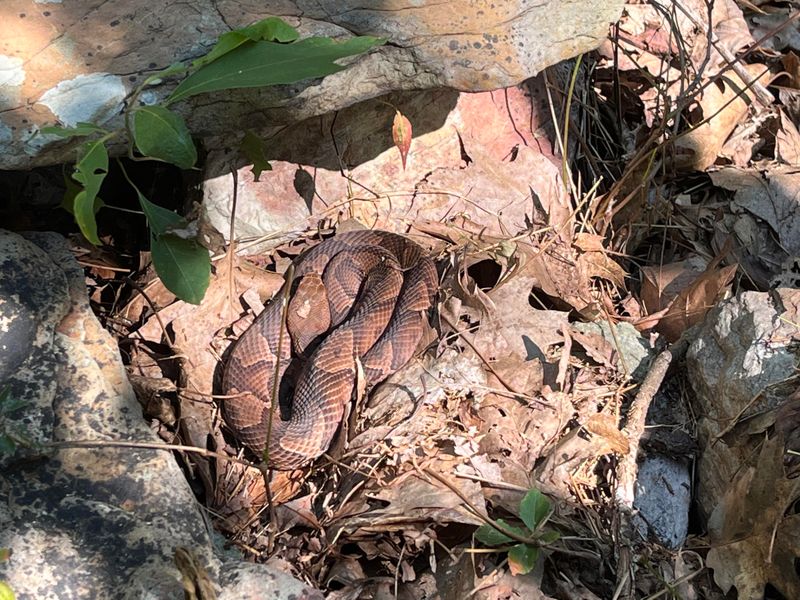
1. Eastern Copperhead

Eastern Copperhead
© Reddit

Picture a pile of autumn leaves next to your woodpile. Now picture one of those leaves moving.

The copperhead is Pennsylvania’s most common venomous snake, and its coppery hourglass bands blend almost perfectly into leaf litter.

Look for a thick body, a broad triangular head, and dark bands that are wide on the sides and narrow along the spine, like a row of Hershey’s Kisses seen from above. Young copperheads have bright yellow tail tips they wiggle to lure frogs.

Bites are painful but rarely deadly. Wear gloves and sturdy shoes when moving stacked wood, rocks, or mulch, and give any snake you spot plenty of room.

2. Timber Rattlesnake
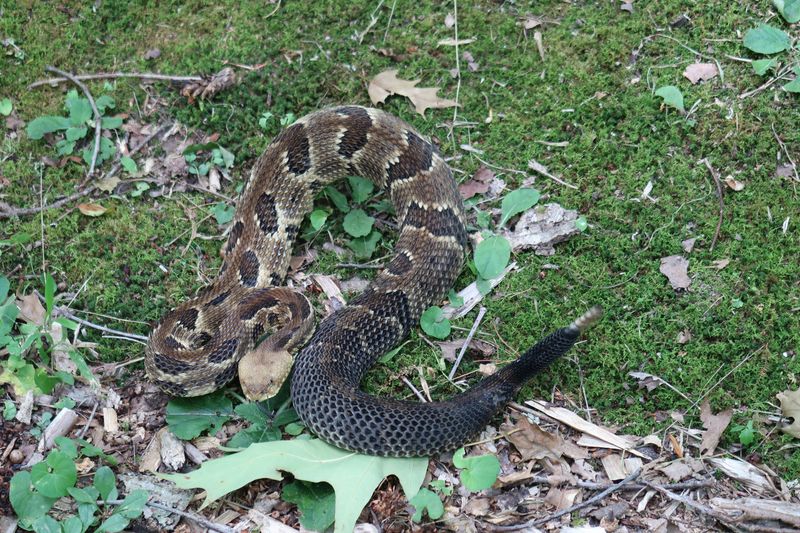
Timber Rattlesnake
© Smokies Life

Gardeners living near rocky ridges in central and northern Pennsylvania occasionally meet a true local legend. The timber rattlesnake can grow over four feet long and wears dark, zigzag chevrons across a yellow, tan, or nearly black body.

Its velvety black tail ends in a rattle, though these snakes often stay silent and still, trusting camouflage first. Fun fact: a timber rattlesnake appeared on early American flags as a symbol of independence.

Rattlers are a protected species here, so never try to kill or move one. Back away slowly, keep pets close, and call the Pennsylvania Fish and Boat Commission if one settles in too close.

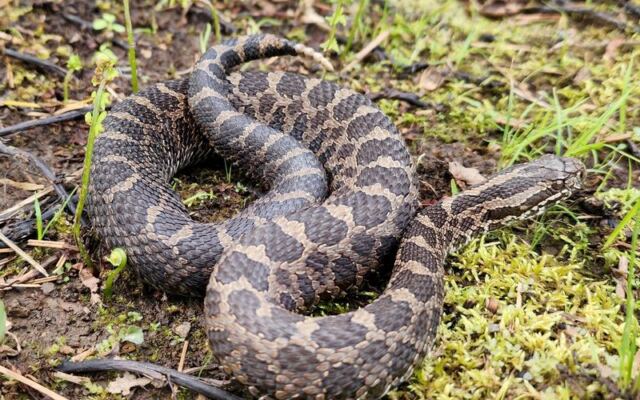
3. Eastern Massasauga
Eastern Massasauga
© Pittsburgh Post-Gazette

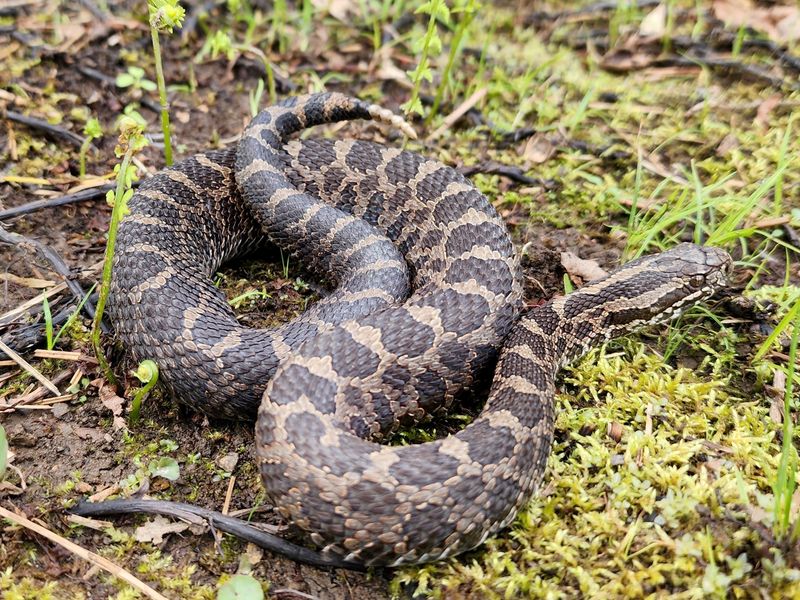
Honestly, most Pennsylvanians will never see one. The eastern massasauga is a small, endangered rattlesnake found only in a few wet meadows and old fields in western counties like Butler and Venango.

It is stocky, gray to brownish, with rounded dark blotches down its back and a tiny rattle. Adults rarely top two and a half feet.

Technically a type of yellowjacket, they are black with white markings on the face and tail end.

If your garden borders damp prairie-like land in that region, mow carefully and watch your step. Spotting one is actually valuable to scientists, so snap a photo from a distance and report it.

4. Black Widow Spider
Black Widow Spider
© Rigo Pest Prevention

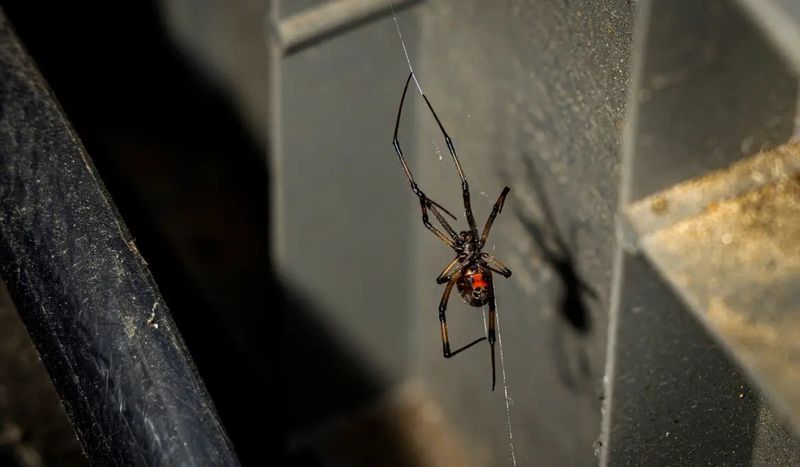
Flip over a plastic nursery pot in late summer, and a glossy black spider might stare back. The northern black widow lives across Pennsylvania, favoring dark, undisturbed spots like water meter boxes, woodpiles, and the undersides of planters.

Females are shiny black with a red hourglass on the belly. In the northern species, that hourglass is often broken into two pieces, so do not rely on a perfect shape.

Their webs look tangled and messy rather than neat circles. A bite can cause cramps and sweating, so wear gloves when tidying storage areas and seek medical help if bitten.

5. Brown Recluse Spider
Brown Recluse Spider
© Mosquito Assassin Blog – Mosquito Assassin Pest Control LLC

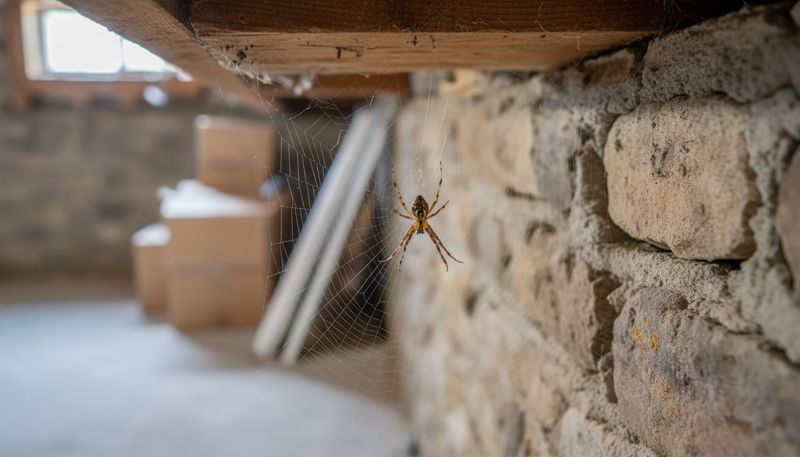
Here is a twist: brown recluses are not native to Pennsylvania. They sometimes hitchhike in boxes and furniture from southern states, and a few have been confirmed indoors here.

Look for a tan spider with a dark violin shape on its back, the neck of the violin pointing toward the rear. Unusually, it has six eyes arranged in pairs instead of eight.

Many brown spiders get blamed wrongly, so check those features before panicking. Shake out gloves and boots stored in sheds, especially if you recently moved belongings from the South.

6. Yellowjacket
Yellowjacket
© A-Z Animals

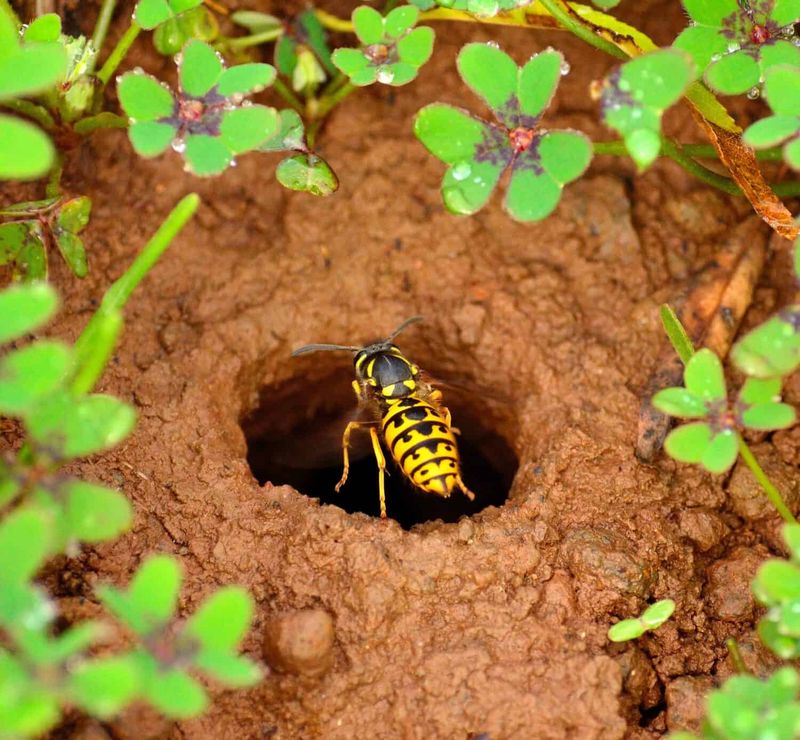
Ask any veteran gardener about their worst summer memory, and a yellowjacket nest usually shows up in the story. These black-and-yellow wasps often build nests underground, sometimes right in the lawn you are about to mow.

They are sleek, shiny, and nearly hairless, unlike fuzzy bees. Each one can sting repeatedly, and an angry colony will chase you.

Watch for a steady stream of insects flying in and out of a small ground hole. Mark the spot and avoid it, especially in August and September when colonies get large and cranky.

7. Bald-Faced Hornet
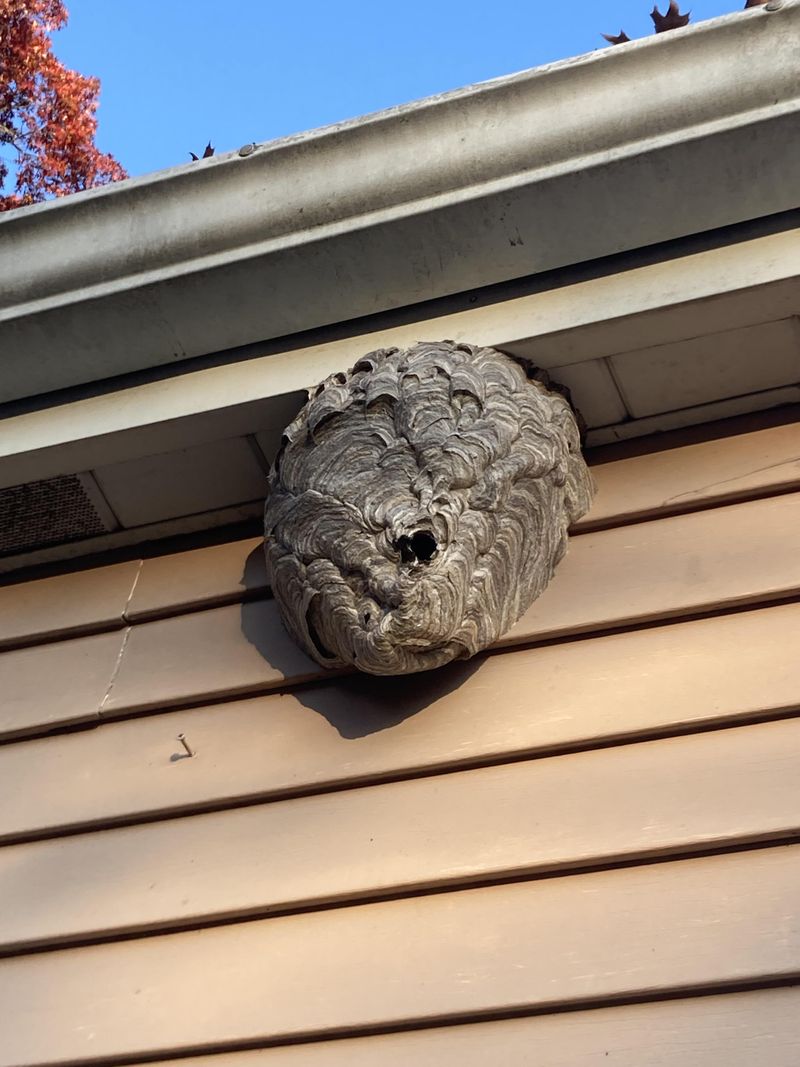
Bald-Faced Hornet
© Reddit

That gray paper football hanging in your maple tree? Admire it from far away.

Bald-faced hornets build those impressive nests and defend them fiercely.

Technically a type of yellowjacket, they are black with white markings on the face and tail end. They can even squirt venom toward a threat’s eyes.

Nests sometimes hide in shrubs at hedge-trimming height. Before pruning, tap the bush gently with a long stick and listen for buzzing.

8. European Paper Wasp
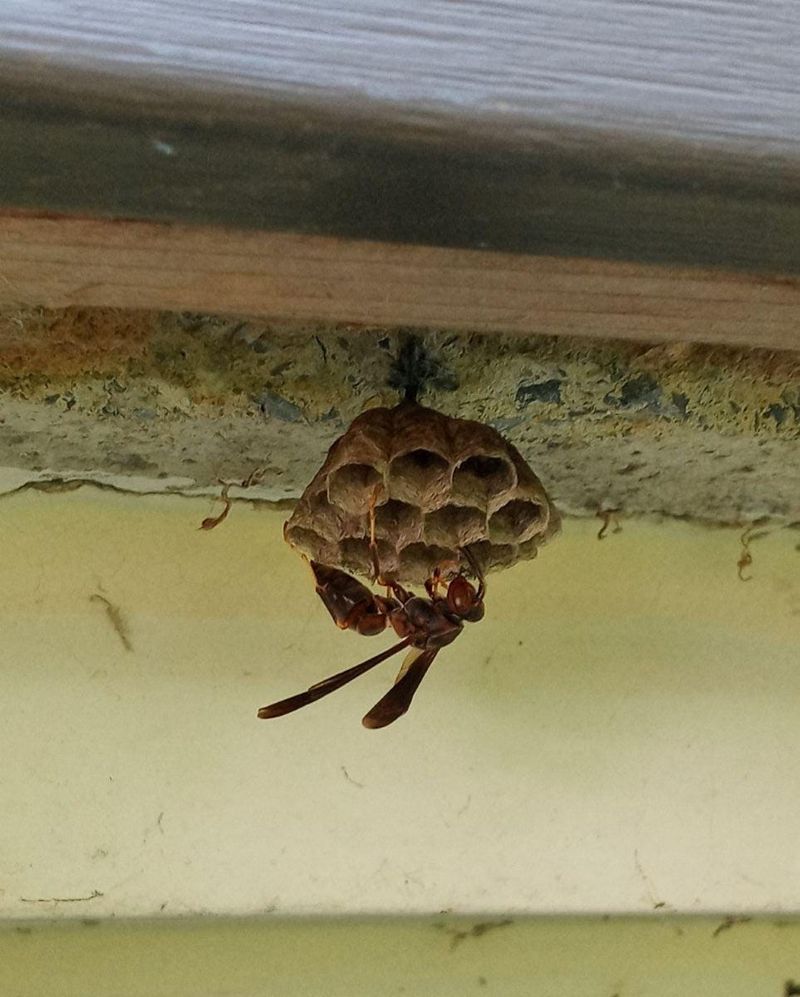
European Paper Wasp
© Penn State Extension

Under the porch railing, inside a birdhouse, beneath the trellis: paper wasps love tucked-away corners. Their nests look like small upside-down umbrellas with open, visible cells.

The European paper wasp is now common across Pennsylvania and is easily mistaken for a yellowjacket. Watch it fly, though, and you will see long legs dangling below its body.

They are less aggressive than hornets and even eat caterpillars that chew your plants. Still, a sting hurts, so check hidden spots before reaching in.

9. Saddleback Caterpillar
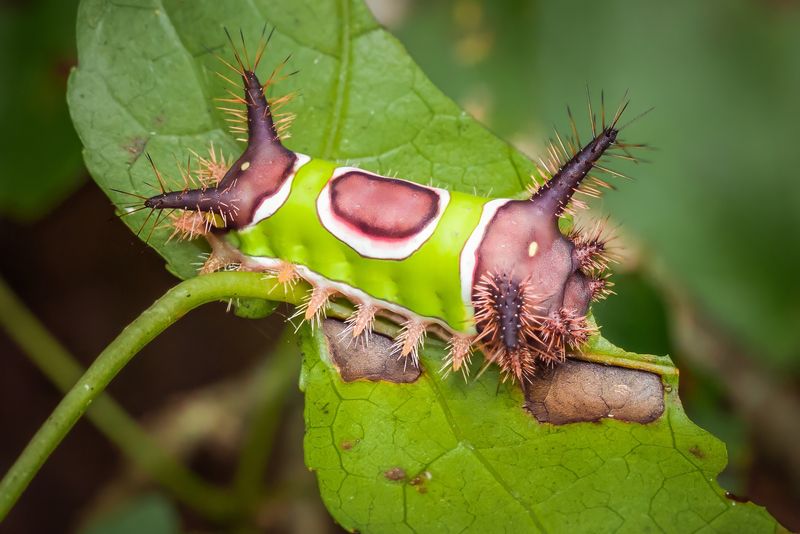
Saddleback Caterpillar
© Wikipedia

It looks like a tiny cartoon creature wearing a green saddle blanket. The saddleback caterpillar is adorable, and also loaded with stinging spines.

Brown on both ends, it has a bright green middle with a brown spot in the center. Venomous bristles cover its fleshy horns.

Brushing one while weeding can cause burning pain, swelling, and a rash. Wear long sleeves around shrubs and corn in late summer, and use tape to pull out any stuck spines.

10. Puss Caterpillar
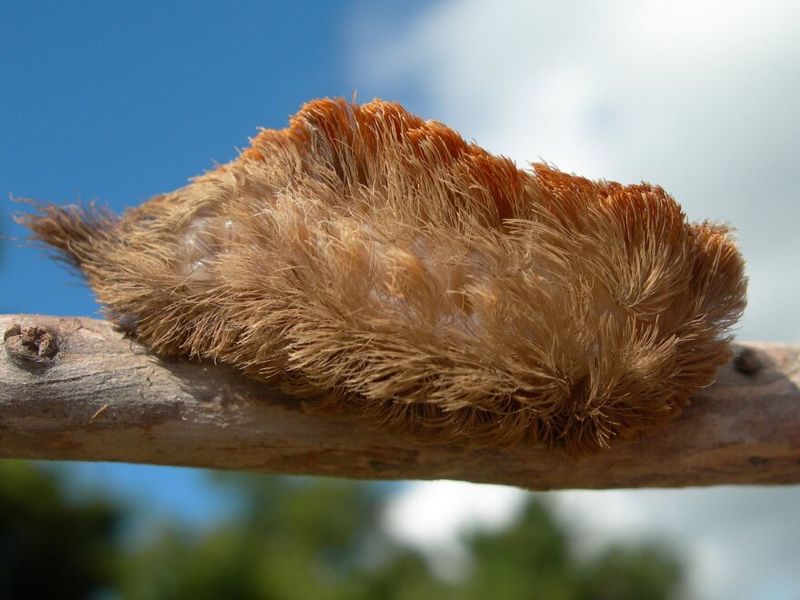
Puss Caterpillar
© 90.5 WESA

Soft, fuzzy, and totally untouchable. The puss caterpillar looks like a tiny wig or a tuft of cat fur, which tempts kids to pet it.

Hidden in that fluff are venomous spines that can deliver one of the most painful caterpillar stings in North America. It is found mainly in southern Pennsylvania on oaks, elms, and garden shrubs.

Teach children a simple rule: never touch fuzzy caterpillars. If stung, ice the area and call a doctor if pain spreads.

Share this story
MY

Written by

Martha Yoder

More from Martha Yoder →

About Gardening Latest

Gardening Latest provides in-depth guides to maintaining and enhancing your garden and backyard. Learn how to make the most of the space you have and create a beautiful garden.

More about us →

Latest stories

  • Kentucky GardeningWhy Kentucky Deer Are Rubbing the Bark Off Your Young Trees, and How to Stop the Damage Before Spring

    Why Kentucky Deer Are Rubbing the Bark Off Your Young Trees, and How to Stop the Damage Before Spring

    2 min ago
  • Florida GardeningFlorida Is Full of Harmless Critters That Look Venomous, and These 7 Send People Running

    Florida Is Full of Harmless Critters That Look Venomous, and These 7 Send People Running

    8 min ago
  • Maryland GardeningThere’s an Invasive Tree Moving Through Maryland Neighborhoods, and Hand-Pulling Can’t Keep Pace

    There’s an Invasive Tree Moving Through Maryland Neighborhoods, and Hand-Pulling Can’t Keep Pace

    15 min ago
  • Iowa GardeningWhen Snow Falls in Iowa, These Six Birds Show Up at Your Feeder, and Here’s How to Tell Them Apart

    When Snow Falls in Iowa, These Six Birds Show Up at Your Feeder, and Here’s How to Tell Them Apart

    21 min ago
  • Virginia GardeningBefore You Stack Firewood In Your Virginia Garage, Check Corners For Black Widow Egg Sacs

    Before You Stack Firewood In Your Virginia Garage, Check Corners For Black Widow Egg Sacs

    27 min ago

Gardening by state

Stories for your state, and the hardiness zone most of it gardens in.

Keep exploring

Read next

All Pennsylvania Gardening →
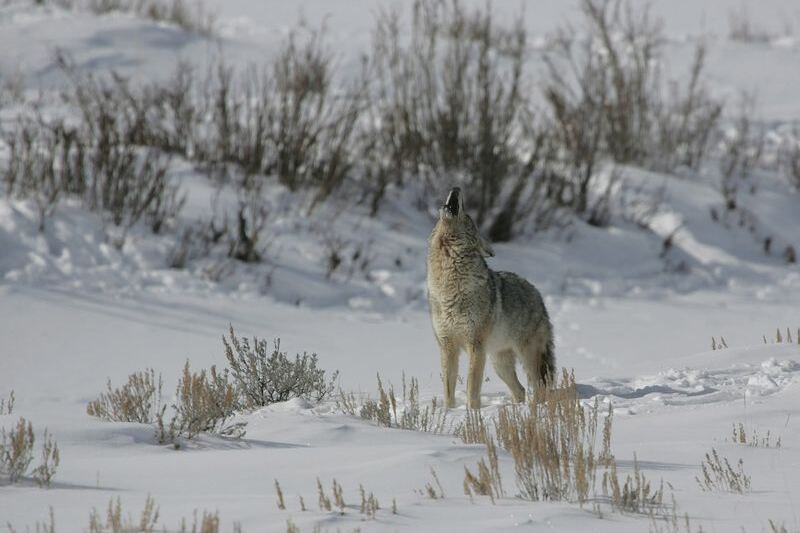
Pennsylvania GardeningDo Late-Night Coyote Howls in Pennsylvania Carry a Seasonal Message? What We Can and Can’t Tell
Pennsylvania Gardening

Do Late-Night Coyote Howls in Pennsylvania Carry a Seasonal Message? What We Can and Can’t Tell

4 hr ago
Pennsylvania GardeningEating Celery Every Day: What Research Actually Shows
Pennsylvania Gardening

Eating Celery Every Day: What Research Actually Shows

19 hr ago
Pennsylvania Gardening7 Smells Mice Hate That Keep Them Out Of Your Pennsylvania Kitchen All Winter
Pennsylvania Gardening

7 Smells Mice Hate That Keep Them Out Of Your Pennsylvania Kitchen All Winter

21 hr ago

More from Pennsylvania Gardening

  • Thinking About Burning That Leaf Pile? Here’s What Pennsylvania Law Actually Allows

    Nov 24
  • 7 Animals Sleeping Through Winter Right Under Your Pennsylvania Yard

    Nov 24
Back to top

Leave a response Cancel

Your email address stays private. Required fields are marked with an asterisk.

Gardening Latest

In-depth guides to maintaining and enhancing your garden and backyard: how to make the most of the space you have, and how to make it beautiful.

  • Facebook
  • X
  • Pinterest
  • YouTube

We may earn a portion of sales from products or services that are purchased through our site as part of our affiliate partnerships with retailers.

Explore

  • About GardeningLatest.com
  • Contact Us
  • Terms and Conditions
  • Privacy
  • Editorial Note:
  • FTC Disclosure

Newsletter

New garden guides and seasonal tips, straight to your inbox.

We’ll email you a link to confirm. Unsubscribe any time.

Almost there! Check your inbox and tap the link to confirm.

© 2026 Gardening Latest. All rights reserved.

Back to top