Not all firewood is created equal, and your woodstove knows it. Some Virginia trees throw off steady, roaring heat all night, while others hiss, pop, and fill your chimney with smoke.
Picking the right wood can save you money, keep your house warmer, and lower the risk of a chimney fire. Here are nine common trees from the Blue Ridge to the Tidewater, ranked by how hot they burn and how clean they stay.
1. Black Locust
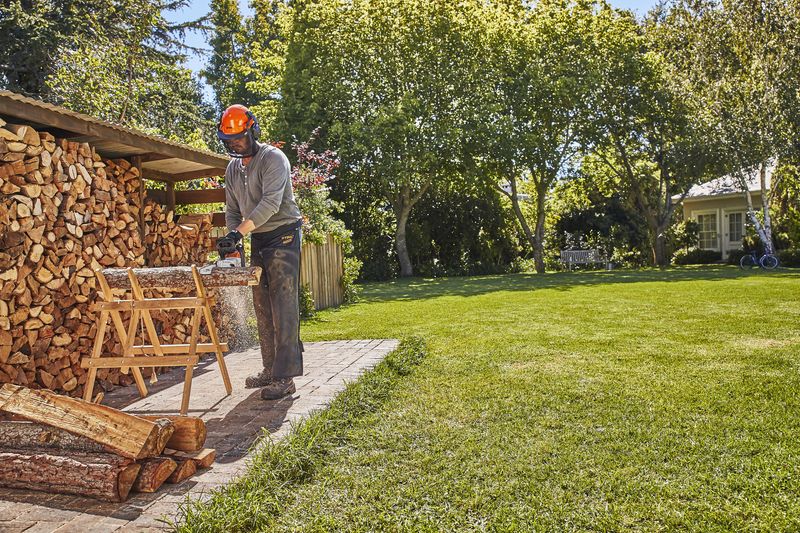
Old Virginia farmers used black locust for fence posts because it refused to rot for decades. That same toughness makes it a monster in the firebox, with roughly 27 million BTUs per cord, close to what you get from coal.
Once seasoned for a year, locust burns long, hot, and surprisingly clean. Smoke is minimal, though it can spark a bit, so keep the stove door closed.
The catch? Locust is hard to split and the thorny branches will bite you.
Wear good gloves and use a maul, and you will be rewarded with the best heat in the Commonwealth.
2. Shagbark Hickory
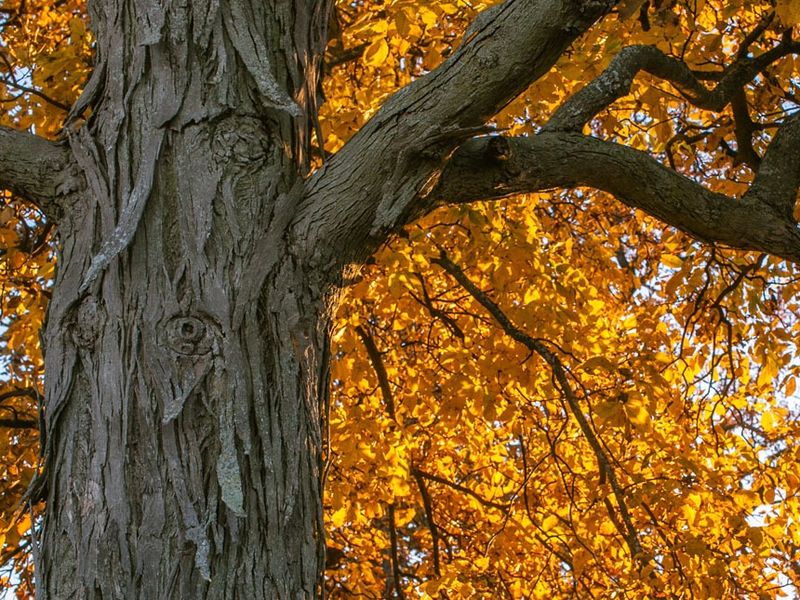
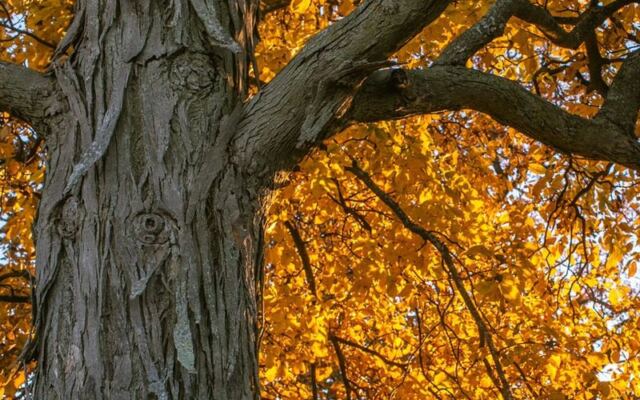
Ever wonder why barbecue pitmasters love hickory? It’s dense, packed with energy, and smells amazing when it burns.
Shagbark and its cousins like mockernut deliver around 25 to 27 million BTUs per cord. Coals hang around for hours, so you can load the stove at bedtime and still find glowing embers at sunrise.
Well-seasoned hickory produces very little smoke. Give it at least 12 to 18 months under cover, because green hickory is heavy with water and will smolder instead of blaze.
3. White Oak
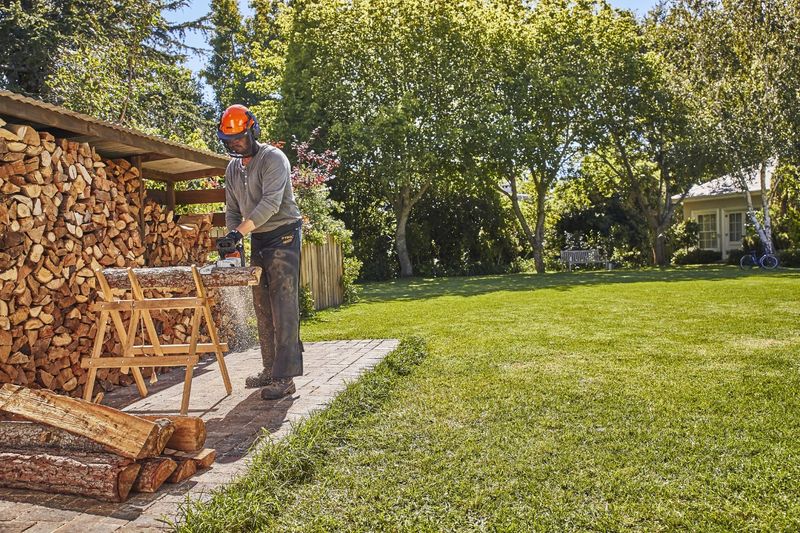
Patience is the price of admission with white oak. Split it this spring, and it might be ready by winter after next.
The wait is worth it. White oak gives off about 25 million BTUs per cord and burns slow and steady, making it the backbone of many Virginia woodpiles.
Burned too early, though, oak will sizzle, smoke, and coat your flue with creosote. Check the ends for deep cracks and listen for a hollow clunk when two pieces knock together before tossing it in.
4. Red Oak
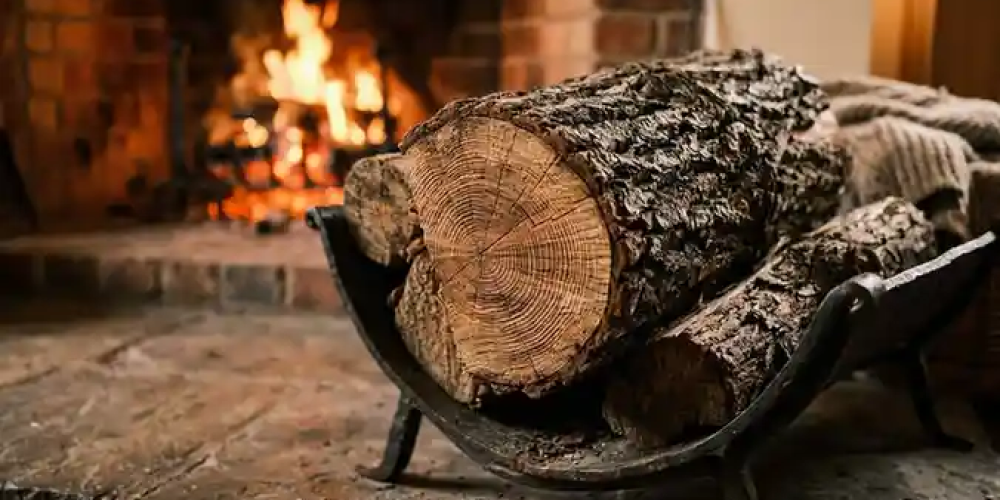
Red oak is everywhere in Virginia, which is exactly why so many people burn it. Roughly 24 million BTUs per cord puts it right behind its white cousin.
Here’s a fun trick: red oak is so porous you can blow bubbles through the end of a dry piece with dish soap. Those open pores help it dry a little faster than white oak.
Still, give it a full year or more. Underseasoned red oak is one of the smokiest woods you can burn, and it tends to leave a sour smell in the house.
5. Sugar Maple
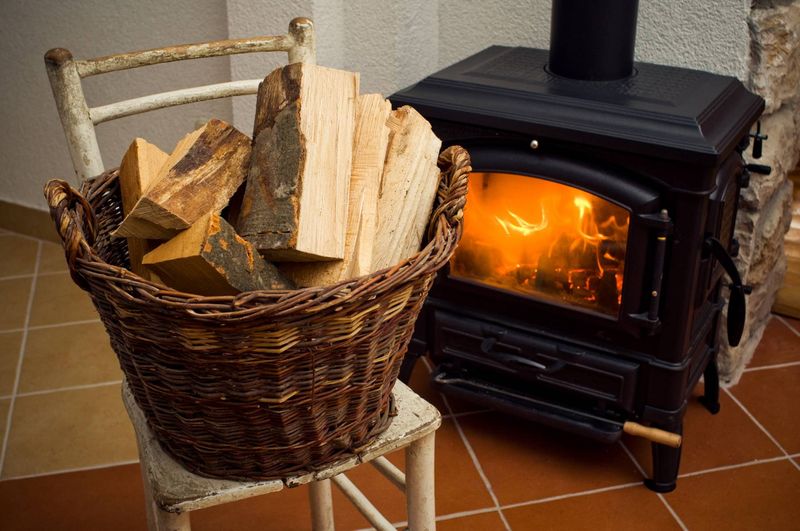
Up in Highland County, folks tap sugar maples for syrup every March. When an old tree finally comes down, it heads straight to the woodpile.
Hard maple burns hot, around 24 million BTUs per cord, and catches easily. It splits cleanly too, which your back will appreciate.
Smoke stays low once it’s dry, usually after about a year. The flame is bright and cheerful, great for watching through the stove glass on a snowy evening.
6. White Ash
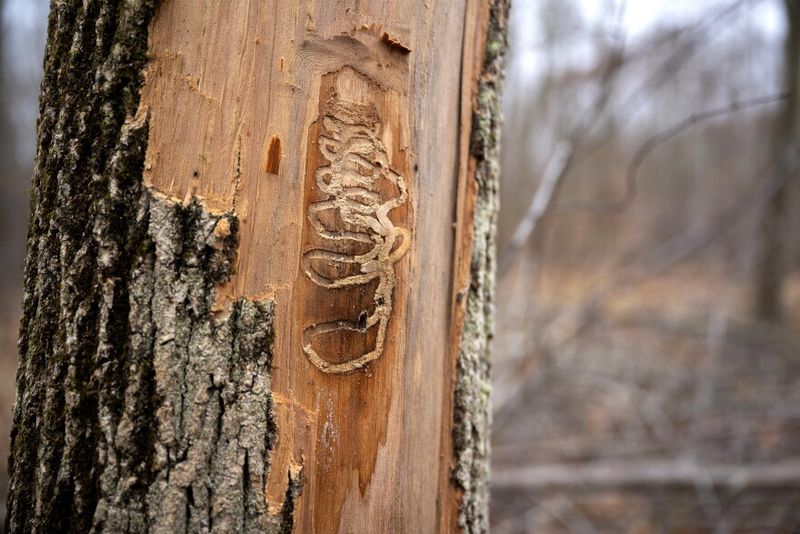
Sadly, the emerald ash borer has killed countless ash trees across Virginia. The silver lining is a lot of standing dead wood that’s already half dried.
Ash is the rare wood you can burn with less seasoning, since its moisture content starts low. It puts out about 20 to 24 million BTUs per cord with a clean, steady flame and very little smoke.
One caution: don’t haul ash firewood to other counties. Buy and burn local to keep the borer from spreading further.
7. Black Cherry
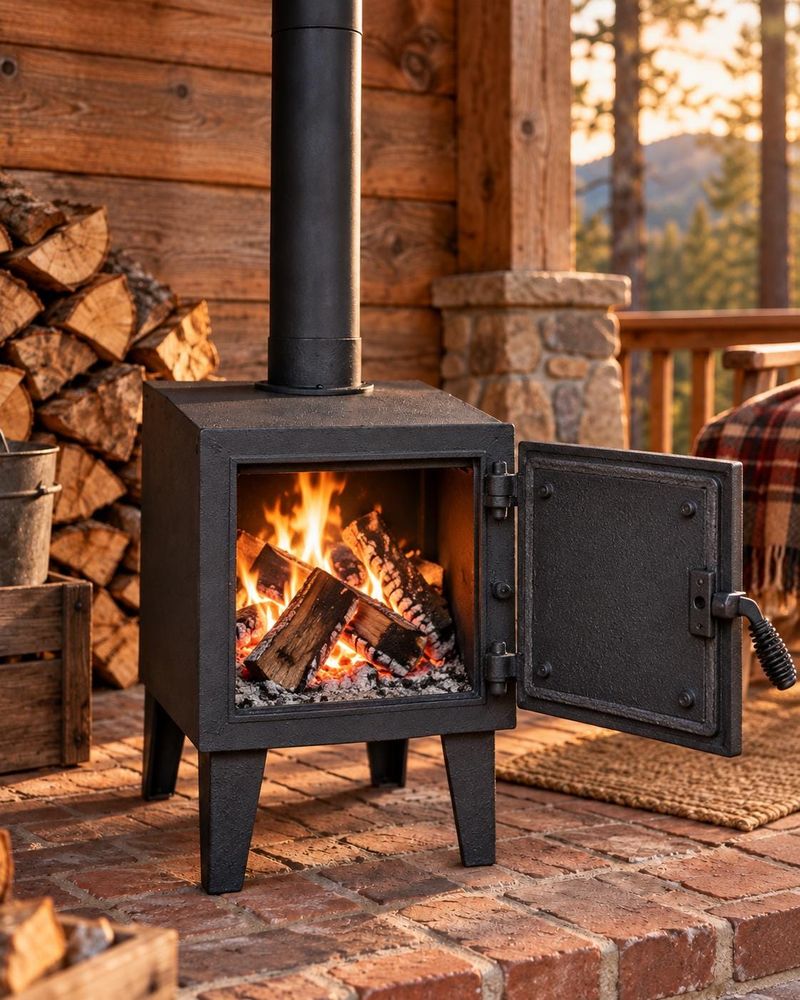
Close your eyes and you might think someone is baking a pie. Black cherry fills the room with a sweet, fruity scent when it burns.
Heat-wise it’s middle of the road, around 20 million BTUs per cord. That makes it a great shoulder-season wood for chilly October nights when oak would overheat the house.
Dry cherry burns with little smoke and few sparks. Mix it with hickory or oak in the dead of winter for both warmth and that cozy smell.
8. Tulip Poplar
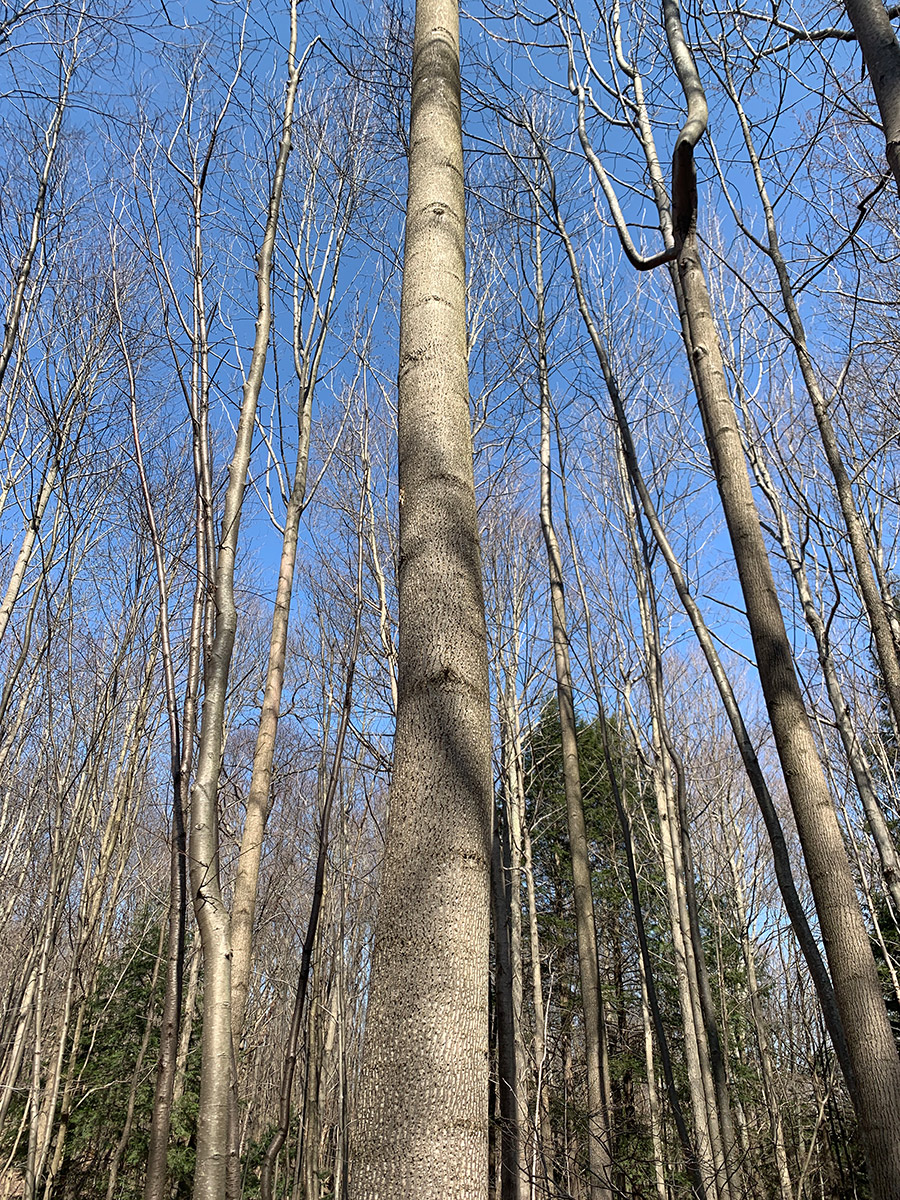
Virginia’s tallest hardwood is a lightweight in the firebox. Tulip poplar offers only about 15 to 16 million BTUs per cord, so it burns fast and leaves few coals.
That doesn’t make it useless. It lights quickly and dries in just a few months, which makes it great kindling or a fire starter for heavier wood.
Burned wet, however, poplar smokes and leaves a mess of soot. Keep it dry and use it to get things going, not to carry you through the night.
9. Eastern White Pine and Virginia Pine
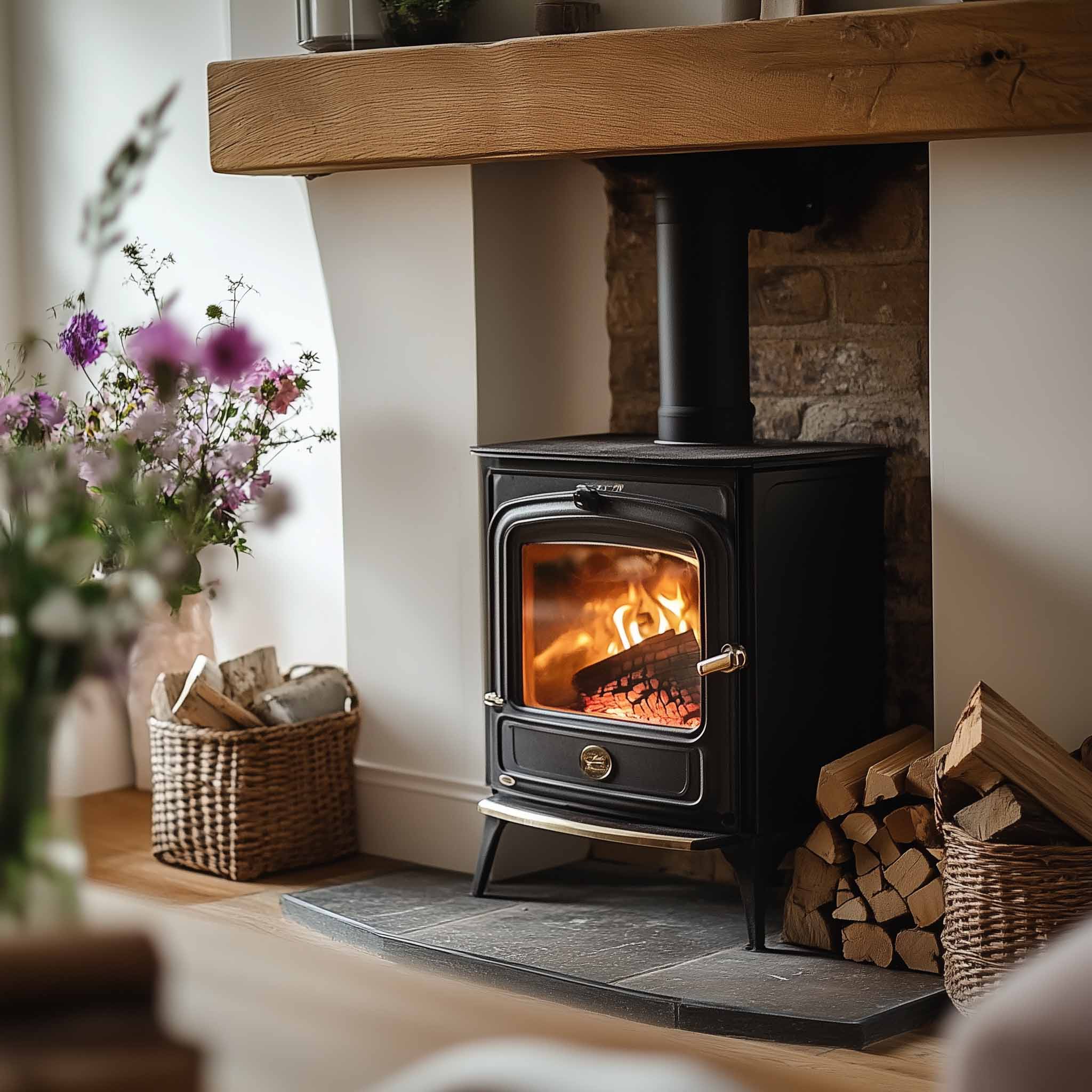
Pine gets a bad reputation, and some of it is earned. Sap-heavy Virginia pine and white pine burn fast, crackle, pop, and throw off the most smoke of any tree on this list.
The real danger is creosote. Burning a lot of pitchy, poorly dried pine coats your chimney with tar that can ignite into a dangerous chimney fire.
Fully seasoned pine is fine in small amounts for kindling. Just sweep your chimney every year, and save the hardwoods for the long, cold nights ahead.
Share this story