Some Massachusetts dog owners say they find ticks on their pets after a snowy stretch, and the reason is warm winter weather, not the snow itself. Adult deer ticks, also called blacklegged ticks, can look for a host during a warm enough spell in winter.
That can feel strange when the yard still looks like January. Here is what the weather really tells you, and what to do when a tick turns up.
A winter thaw can reopen a window for tick activity
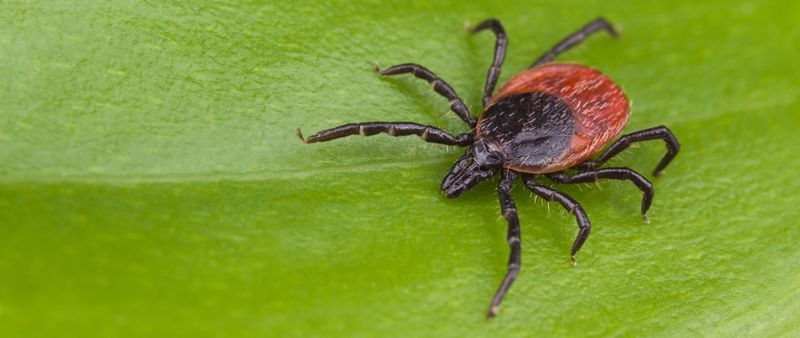
Frost does not always end tick season in Massachusetts. The state’s tick-borne disease prevention guidance says adult blacklegged ticks, also known as deer ticks, may search for a host during winter when temperatures rise above freezing.
That is a broad rule meant for the public, and it explains why a tick can turn up in the middle of the cold season.
It helps to treat that rule as a starting point, not a precise switch. UMass Extension describes these ticks as sluggish until temperatures climb above 40°F.
A study of adult blacklegged ticks on Long Island found an apparent questing threshold of about 4°C, or 39.2°F. A day that barely clears 32°F may not be enough.
So the practical answer is a careful one. A sufficiently warm winter spell can give adult ticks an opportunity to seek hosts, but it does not guarantee they are out on every above-freezing day.
A sunny thaw with temperatures in the 40s is a better reason to pay attention than a gray day at 33°F.
Stories of Massachusetts homeowners repeatedly finding ticks on their dogs in winter are anecdotal. They fit what the guidance describes, but they are not proof of a statewide trend.
Still, finding a tick in winter is unsettling for good reason, and a quick check after time outside is a sensible habit during any mild stretch.
Snow cover limits questing but does not tell the whole survival story

Snow and ticks are easy to mix up, so it helps to pull two ideas apart. UMass Extension says deer ticks do not quest through snow.
A fresh blanket of snow does not push ticks onto your dog.
The second idea is about survival. A Maine study found that snow cover and leaf litter contributed to the overwinter survival of blacklegged tick nymphs.
In plain terms, a layer of snow and leaves can act like a blanket for ticks resting below.
Those two facts do not conflict. Surviving under cover is not the same as actively hunting for a host on top of the snow.
The Maine research looked at nymphs staying alive through winter, not at how likely a bite is on a given winter day.
Cold exposure, snow cover, leaf litter, tick species, and microclimate all play a part, so no one rule works everywhere. Frost does not wipe out every tick, and a snowy winter does not promise a particular tick population or bite risk.
What does this mean for a tick found after a snowfall? The snow was probably not the trigger.
A more reasonable explanation is a warm spell, or an exposed, snow-free patch such as a sunny edge of the yard, a path, or a south-facing slope where the ground had cleared.
A tick on a dog is not automatically a deer tick
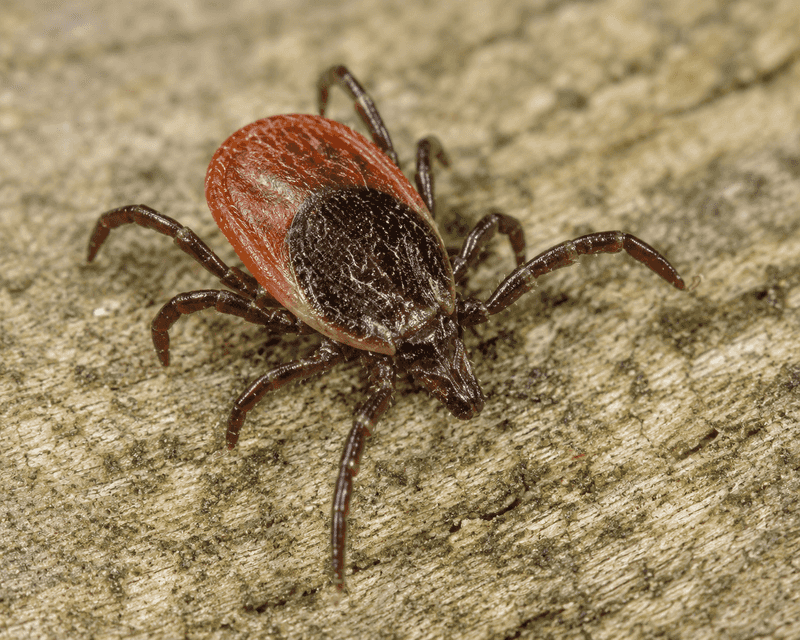
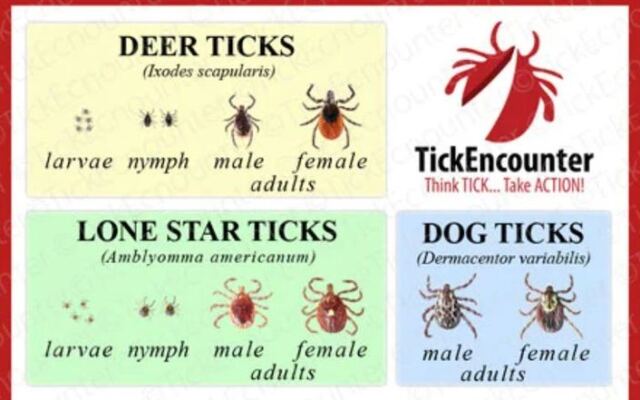
“Deer tick” is simply another name for the blacklegged tick, Ixodes scapularis. It is a different species from the American dog tick, Dermacentor variabilis.
Massachusetts lists them separately and describes different seasonal patterns for each.
The name can cause confusion. Finding a tick on a dog does not tell you what kind it is, and the dog’s own name for a tick does not either.
Plenty of ticks ride along on dogs without being deer ticks.
That matters because the winter details in this article apply to blacklegged ticks. If the tick on your dog is a different species, those seasonal claims may not fit it at all.
Guessing from the setting is a shaky way to decide what you found.
If you want to know for sure, take a clear, well-lit photo with something for scale, such as a coin or ruler. Saving the tick in a sealed container can also help if someone needs to look at it in person.
A veterinarian or a tick identification service can usually give a more reliable answer than a quick look at home.
Where should owners check first?

A short routine after outdoor time works better than a long, stressful search. CDC guidance recommends checking dogs for ticks every day, especially after they have been outside.
Start with the spots the CDC highlights: the ears, the eyelids, and under the collar. Then move to the legs, between the toes, and around the tail.
Ticks tend to settle in places where the skin is thin or warm and hard to reach.
Use your fingertips and go slowly. Press lightly against the skin and feel for a small bump, since a tick can be tiny and easy to miss by eye alone.
Part the fur as you go, and a thick coat may call for extra patience.
Keep the habit simple and steady. A check does not mean a certain walk or place put your dog at risk, and it works the same after a trip to the park or a few minutes in the backyard.
The goal is to catch an attached tick early so you can deal with it promptly.
Making it a calm moment helps too. Some owners pair the check with a treat or a brushing session so the dog stays relaxed and cooperative.
Remove an attached tick with slow, steady traction
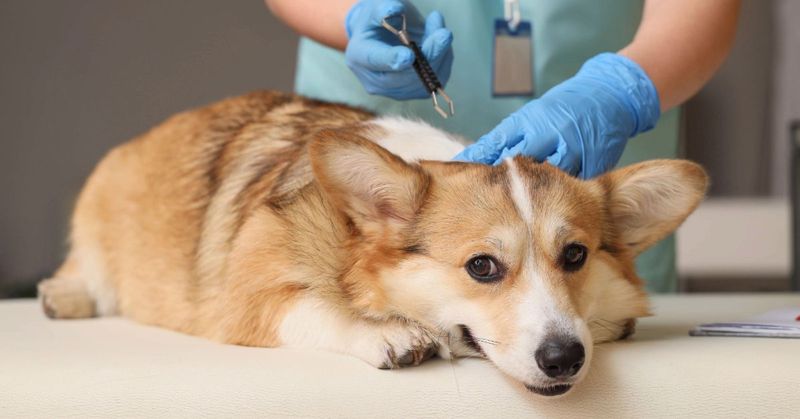
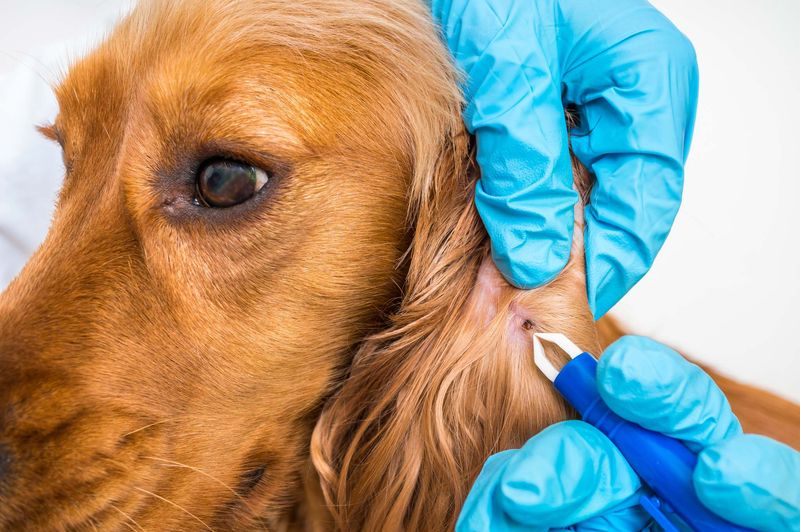
Spotting a tick can make your stomach drop, but removal is usually straightforward. Cornell’s veterinary guidance says to use tweezers or a tick-removal device and to act promptly.
Grasp the tick as close to the dog’s skin as you can. Then pull upward with slow, steady traction.
Try to keep the pressure even so the tick comes out in one piece.
A few things to avoid are just as important. Do not burn the tick, twist it, or coat it with petroleum jelly, nail polish, or any other substance.
The CDC warns against those methods for tick removal in people, and the same sensible approach applies here.
Wearing gloves keeps your hands clear of the tick. Afterward, wash your hands and clean the spot on your dog’s skin.
Some owners seal the tick in a small container so a veterinarian can identify it later if needed.
Stay calm and keep the dog still, perhaps with a helper or a treat. If you cannot get the tick out cleanly, or the skin looks irritated afterward, call your veterinarian for advice.
Year-round prevention deserves a veterinarian’s input

Because warm spells can show up in any month, tick control works best as a long-term plan. The CDC recommends a tick preventive for dogs, and the Companion Animal Parasite Council recommends year-round tick control.
The harder question is which product to use. No single option suits every dog, so the best step is to talk with your veterinarian.
They can weigh your dog’s health history, age, and lifestyle, along with the tick risks in your part of Massachusetts.
Some products contain a class of ingredients called isoxazolines. The FDA considers them safe and effective for most pets.
It also notes that some animals have had neurologic reactions, including tremors, ataxia, and seizures.
That is not a reason to panic or to skip prevention. It is a reason to have a real conversation with your vet, especially if your dog has a history of seizures or other neurologic concerns.
Bring up any other pets or children in the home and how much time your dog spends in wooded or brushy areas. Those details help your veterinarian match a product to your household instead of choosing one off the shelf.
A tick finding calls for attention, not a diagnosis
A tick on your dog tells you about exposure, not illness. Finding one does not establish that it carried a pathogen or that your dog became sick.
Massachusetts guidance notes that blacklegged ticks can transmit several pathogens, but not every tick does.
There is some reassurance here. Cornell notes that most dogs that test positive for Lyme do not become sick.
If you are worried about your dog’s health, or something seems off, call your veterinarian.
The takeaway is simple. Keep checking during warm winter spells, remove attached ticks promptly, and make prevention choices with your vet.
A calm routine beats a nervous guess, even in January.
Share this story