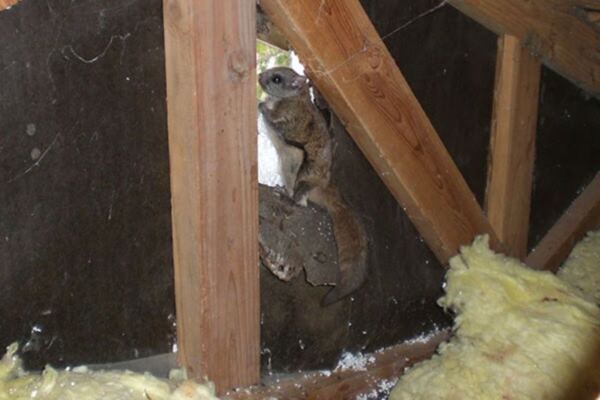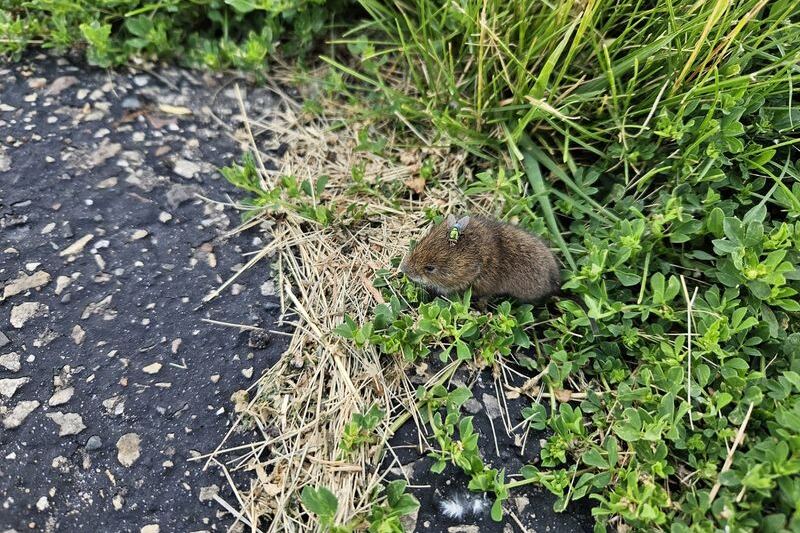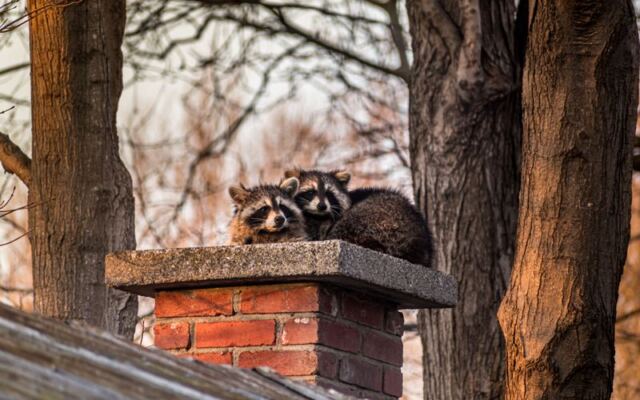
A raccoon in your Iowa chimney may well be a mother with young, and that changes how you should handle it. Raccoons treat chimneys like cozy dens, and a family group can be tucked inside while snow piles up outside.
The wrong move, like lighting a fire, can hurt animals and your home. Here is how to protect your household and the wildlife in a calm, safe way.
Raccoons can den with older young in winter
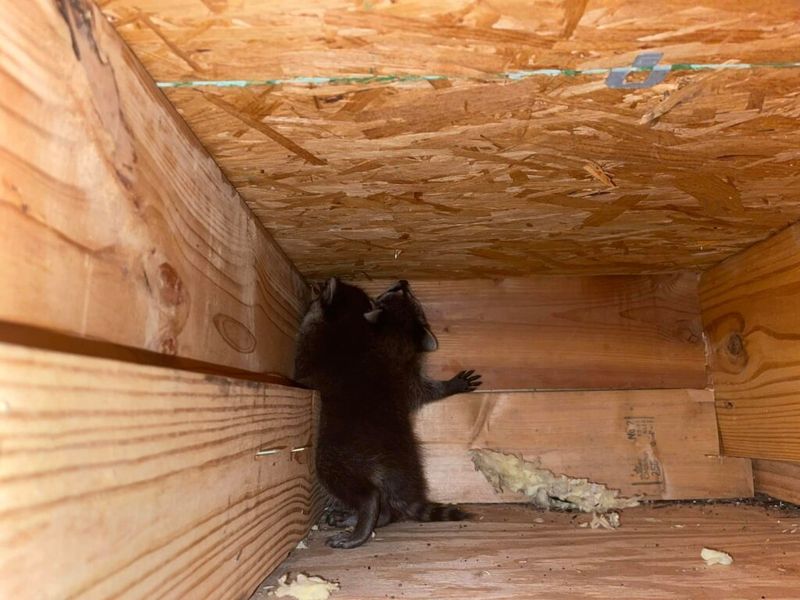
Raccoons use buildings, attics, and chimneys as dens, and an Iowa chimney can look like a hollow tree to them. According to the Iowa DNR Nuisance Wildlife Control Operator Manual, raccoons may den during severe cold but do not hibernate.
That means a raccoon that goes quiet for a few days is not necessarily sick, and quiet does not prove anything about young.
Timing matters here. Most Iowa raccoon kits are born in late April or May, so tiny newborns are unlikely to be inside your chimney in early winter.
Iowa State University’s Mammals of Iowa also notes that young raccoons may stay with their mother over winter.
So the picture looks like this. A mother with older young, now about half grown, is a real possibility.
A lone adult is also possible, and so is a different animal altogether.
Newborn kits are blind, helpless, and entirely dependent on mom. Older young can move around, eat solid food, and follow their mother, but they still rely on her through the cold months.
In both cases, a family group is possible but not certain, and you cannot know without a proper check. Treat the chimney as a possible home until someone qualified says otherwise.
Scratching cannot tell you who is inside
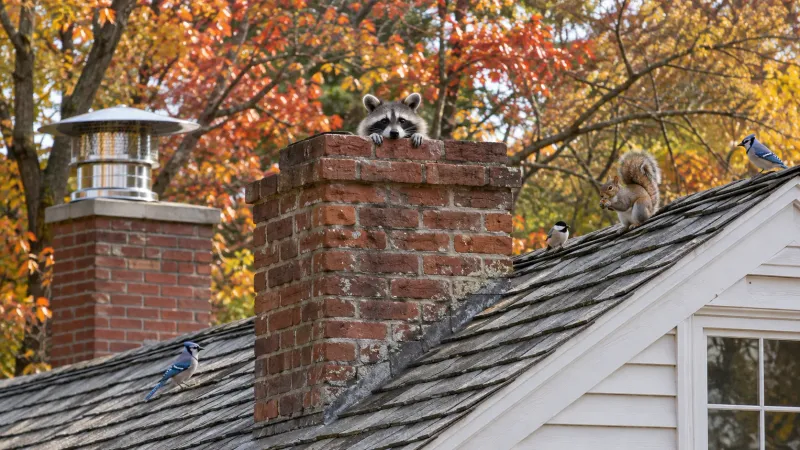
Thumps, chirps, and scratching from a flue can be unsettling, and it is natural to want to decode them. The trouble is that chimney sounds are poor evidence.
Birds, squirrels, bats, opossums, and other wildlife can all make noise in a flue, as the Canadian Wildlife Federation chimney guidance points out.
Sound alone cannot reliably tell you the species. It also cannot reveal the animal’s age, whether it is stuck or simply denning, or whether young are with it.
Two animals can sound alike, and one animal can sound different from hour to hour.
That is why a list of sounds and their meanings would only give false confidence. A chittering noise does not prove kits, and silence does not prove an empty chimney.
Guessing wrong can lead to a harmful choice, such as sealing up a family or trying to chase out an animal that is actually trapped.
Use the noise as a signal to get help, not as a diagnosis. Note when you hear it, whether it is day or night, and whether it changes, then pass those details along to a professional.
Keep the damper closed, keep pets and children away from the fireplace, and let someone trained work out what is actually in there.
Do not use fire, smoke, or fumigants to force an exit
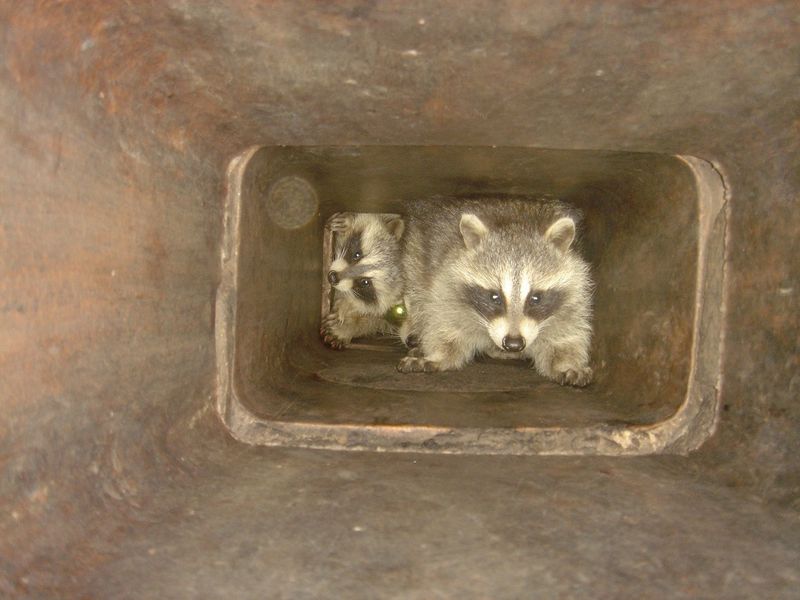
When something is living above your fireplace, the urge to light a fire can be strong. Please do not.
Wildlife groups such as the Wisconsin Humane Society warn that fire and smoke can burn animals or cause smoke inhalation.
There is a second danger. If young are present, a frightened mother may flee without them, leaving kits trapped and unable to follow.
Smoke can also push smoke and gases back into your home.
The same goes for fumigants. Iowa State University Extension’s raccoon damage management page says mothballs and naphthalene are not approved for raccoon exclusion and can pose health hazards to people and pets.
Strong smells in a flue can drift into living spaces.
Loud noises, bright lights, and other hazing are also not a promise that a whole family will leave safely. Hazing can risk a mother abandoning one or more young, and you cannot see inside the flue to know who has left.
The Canadian Wildlife Federation likewise urges caution with chimney wildlife.
Skip the do-it-yourself tricks. Keep the damper closed, keep the fireplace unused, and move on to getting a qualified assessment.
Ask an Iowa-licensed operator to assess the chimney
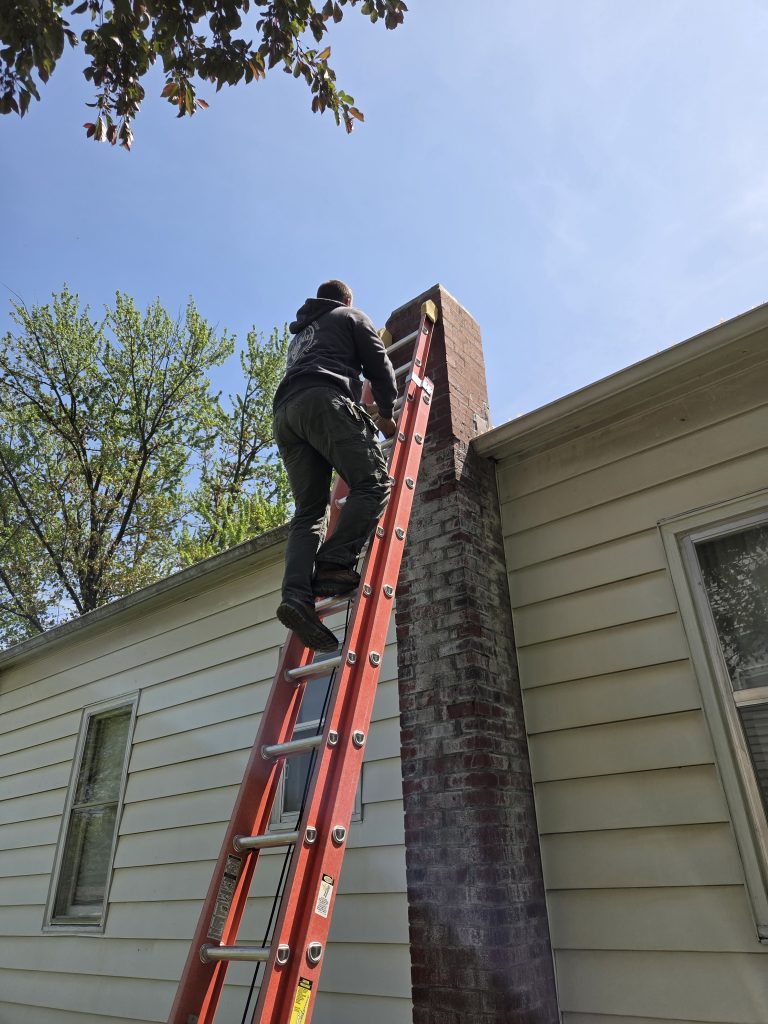
The safest next call is to an Iowa-licensed nuisance wildlife control operator, often called an NWCO. The Iowa DNR nuisance wildlife control page recommends contacting a licensed operator for nuisance wildlife problems and publishes a current operator list.
The job of the operator is to work out what is really happening. Is the animal denning, trapped, or accompanied by young?
That answer shapes everything else, so it should come before any removal plan.
When you call, ask a few direct questions. How will you check for young?
If a litter is present, how will you avoid separating the mother from her kits? What are your steps if the animal turns out to be something other than a raccoon?
A good operator can explain these plainly and will not promise a method before seeing the chimney. The Iowa DNR’s operator manual sets out the procedures licensed operators follow, so you can expect a professional to be familiar with them.
While you wait for the visit, keep the damper closed and keep people and pets back from the hearth. Write down what you have heard and when, and mention any droppings you have seen.
Avoid touching anything yourself.
Iowa wildlife rules depend on the situation
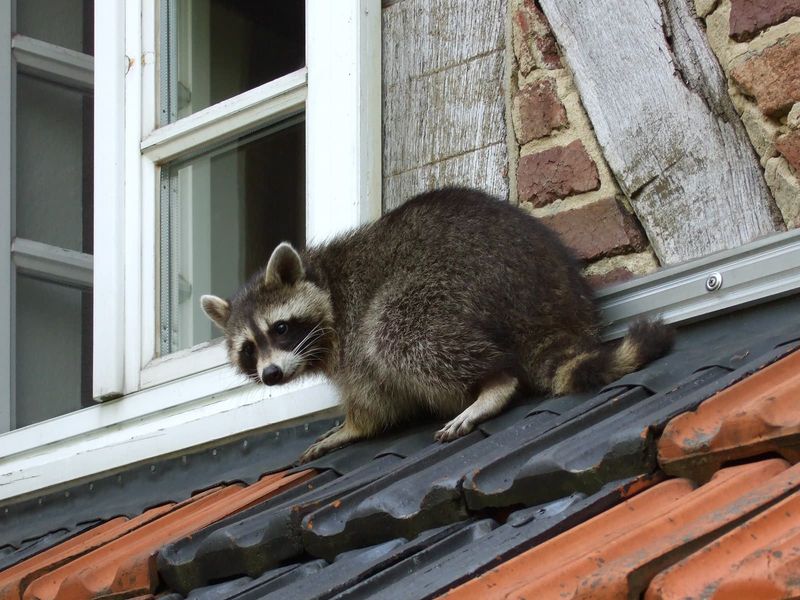
Two common beliefs are both wrong. One is that moving a raccoon is always illegal.
The other is that anyone can trap a raccoon and take it somewhere else. Iowa’s rules sit between those.
Under Iowa Code section 481A.87, taking a furbearing animal to protect property generally requires prior permission. There is a limited exception for owners or tenants of agricultural property and an associated residence outside city limits.
If you live in town, do not assume that exception covers you.
Iowa also provides for permitted nuisance wildlife operators. Under Iowa Administrative Code chapter 114, operators must follow the disposition procedures in the state’s guidebook.
That guidebook, the Iowa DNR operator manual, allows relocation or euthanasia for certain nuisance wildlife under specified conditions. Neither outcome is automatically available, and neither is automatically the kind choice.
What happens depends on the species, the situation, and whether the conditions are met.
For you, the practical point is simple. Rules, permission, and handling steps vary, so do not trap or move an animal on your own.
Use the Iowa DNR’s nuisance wildlife information to find a licensed operator who handles the legal side and can explain what options apply to your chimney.
Cap the chimney only after it is confirmed empty
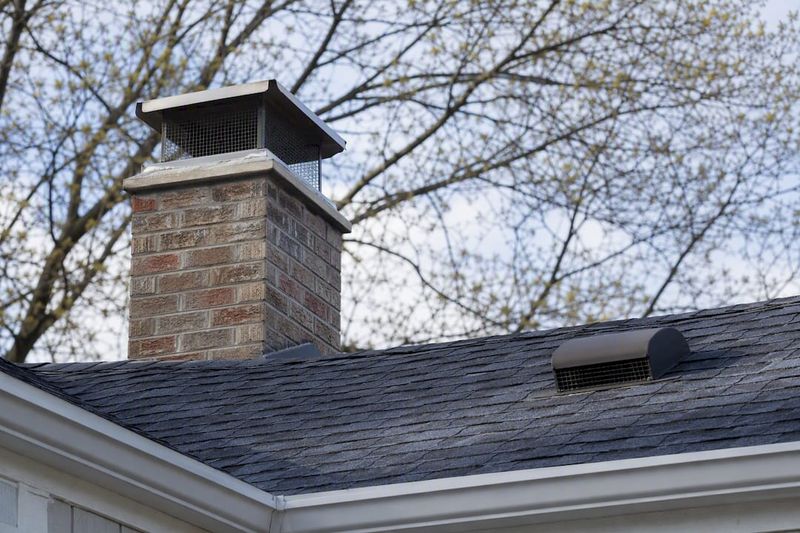
A chimney cap is a great long-term fix, but timing is everything. Wait until the animal has left or an operator has confirmed the chimney is empty.
The Wisconsin Humane Society advises capping only after the animals are gone, since a sealed flue can trap a mother or her young inside.
Once the chimney is clear, a sturdy cap becomes prevention. Iowa State University Extension’s raccoon damage management guidance recommends chimney caps to keep raccoons out.
A professional can fit one that suits your flue.
Droppings are a separate concern. Raccoons often use one spot as a latrine, and a chimney or smoke shelf can collect a lot of waste.
Keep people and pets away from it.
The CDC guidance on raccoon latrines calls for gloves and recommends an N95 respirator when cleaning a latrine in a confined space. Raccoon waste can carry a roundworm, so careless sweeping is a bad idea.
If waste has built up inside the chimney or somewhere hard to reach, consider professional cleanup instead of doing it yourself. Many operators and chimney services can handle both cleaning and capping in one visit.
Let an assessment set the next step
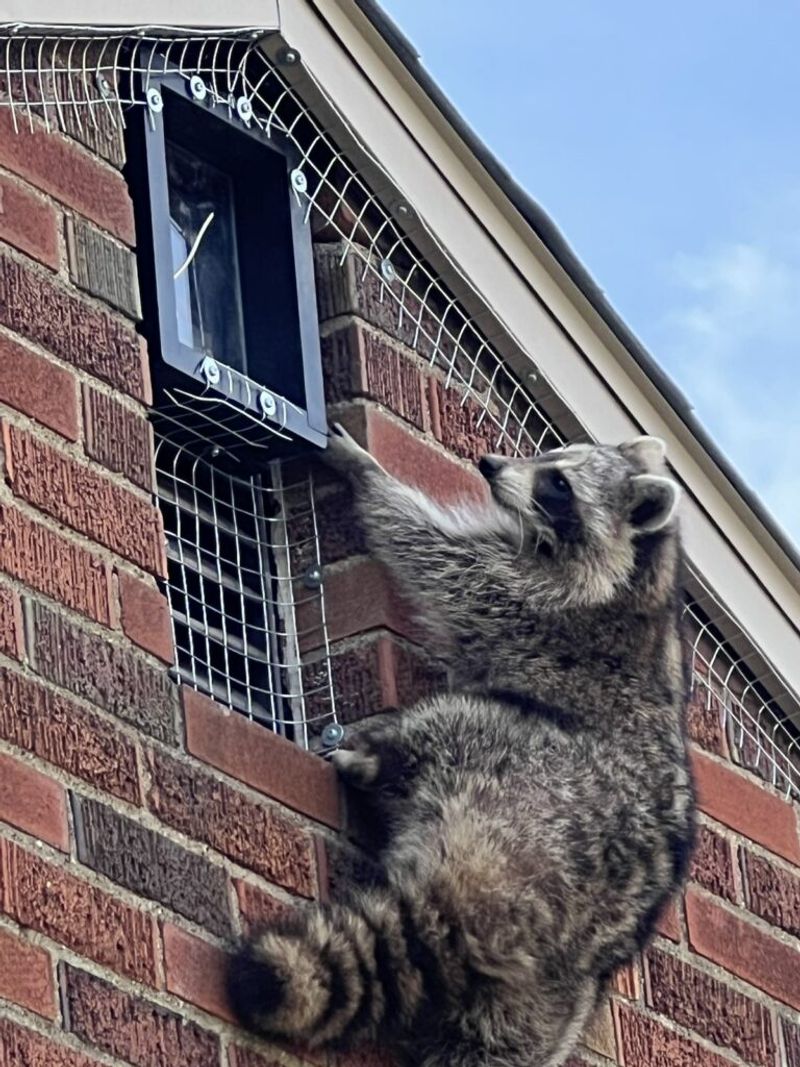
Keep it simple: no fire, no smoke, no mothballs. Keep people and pets away, then call an Iowa-licensed operator through the Iowa DNR list, and seal the chimney only once it is confirmed empty.
A mother with young is possible, but scratching and the season cannot settle it, as the chimney wildlife protocol makes clear. A short wait for a real answer costs little, and it can keep a family together.
Share this story