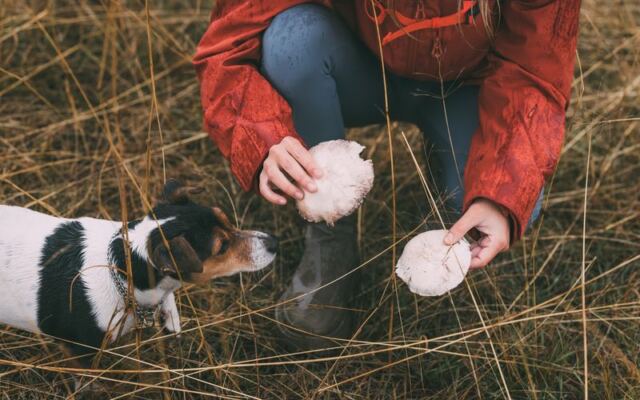
After a good Delaware rainstorm, you might step outside and spot bright orange mushrooms sprouting from your garden mulch overnight. They look harmless, even kind of pretty, but some of them can make your dog very sick.
Curious noses and hungry mouths do not mix well with wild fungi. Knowing which mushrooms show up, why they appear, and what to do if your pup takes a bite can help keep your best friend safe all season long.
1. Jack-O’-Lantern Mushrooms
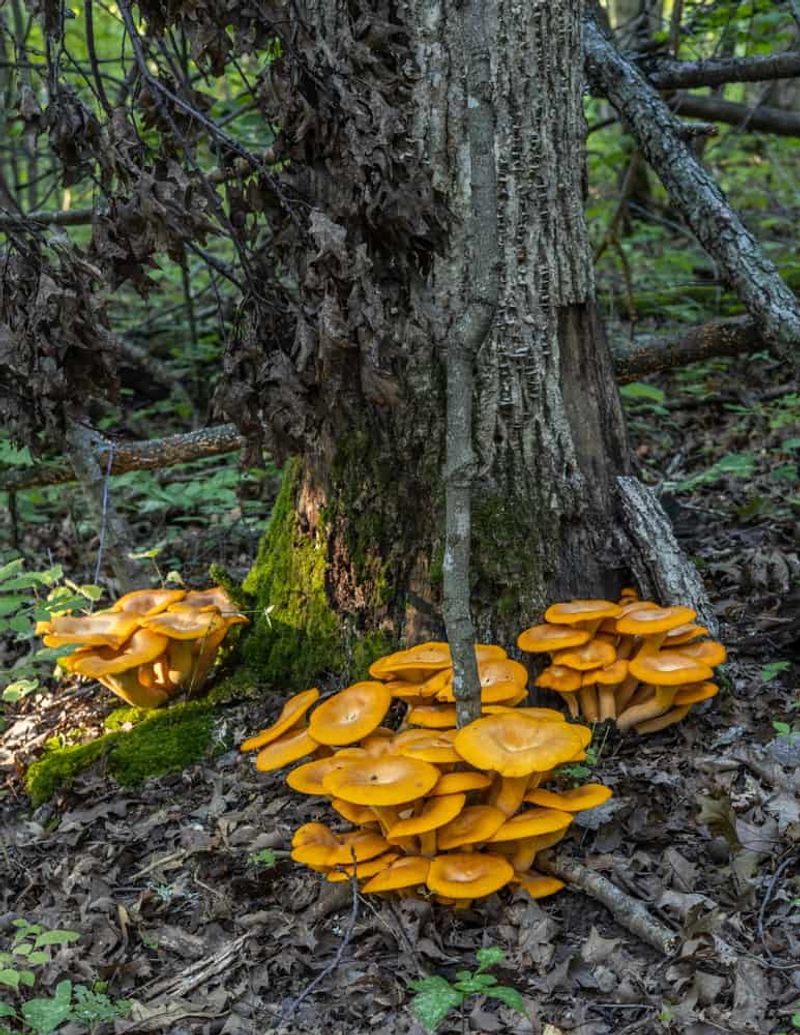
Picture a cluster of glowing orange caps so bright they almost look fake. Jack-o’-lantern mushrooms (Omphalotus illudens) love buried wood, which makes hardwood mulch beds around Delaware a perfect home.
They often pop up in tight bunches near old stumps or roots.
Here is the fun part: their gills can give off a faint green glow in the dark. That spooky trick earned them their Halloween name.
The not-so-fun part is what they do to dogs. Eating them can cause heavy vomiting, diarrhea, drooling, and belly pain within a few hours.
People sometimes mistake them for chanterelles, but true chanterelles have blunt ridges, while jack-o’-lanterns have sharp, true gills.
2. Orange Mulch Fungi Like Gymnopilus
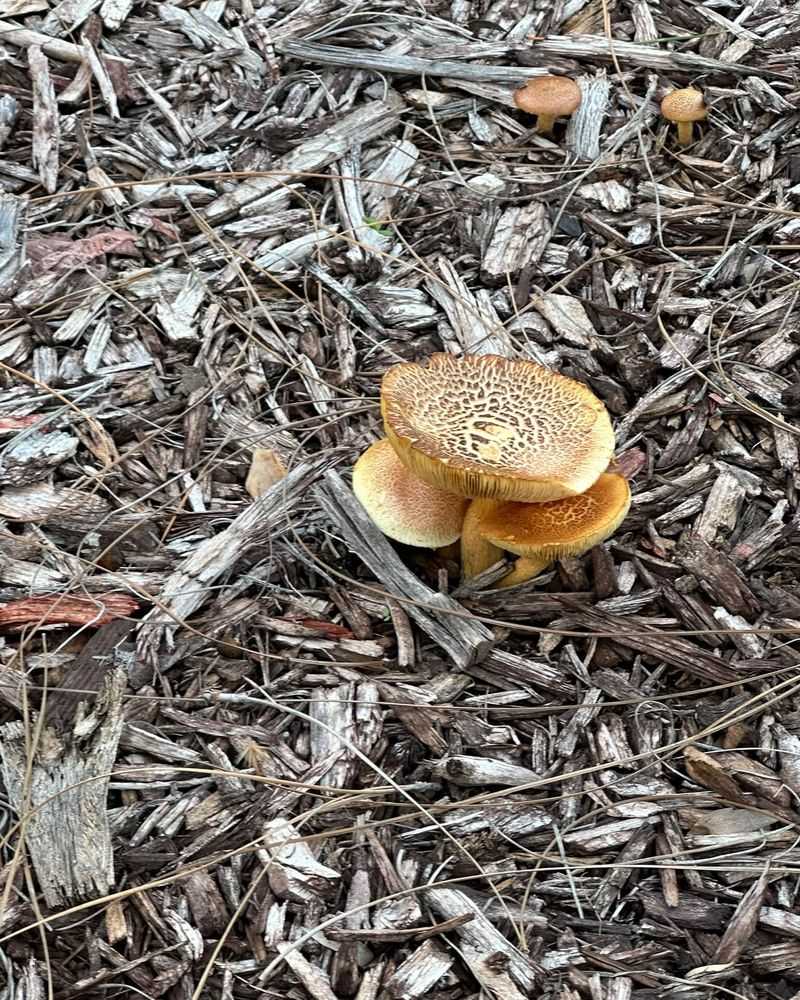
Ever notice rusty orange mushrooms with a slightly scaly cap sitting on fresh bark mulch? Those might be Gymnopilus, sometimes called laughing gym mushrooms.
They feed on decaying wood, and your mulch bed is basically an all-you-can-eat buffet.
Some species in this group contain compounds that can affect the brain. In dogs, that may look like wobbly walking, confusion, odd behavior, or agitation.
They tend to leave rusty-brown spore dust behind, a clue gardeners can use. Still, identifying them at a glance is tricky, so treat any orange mushroom in mulch as off-limits for your pet.
3. Why Rain Makes Mushrooms Appear Overnight
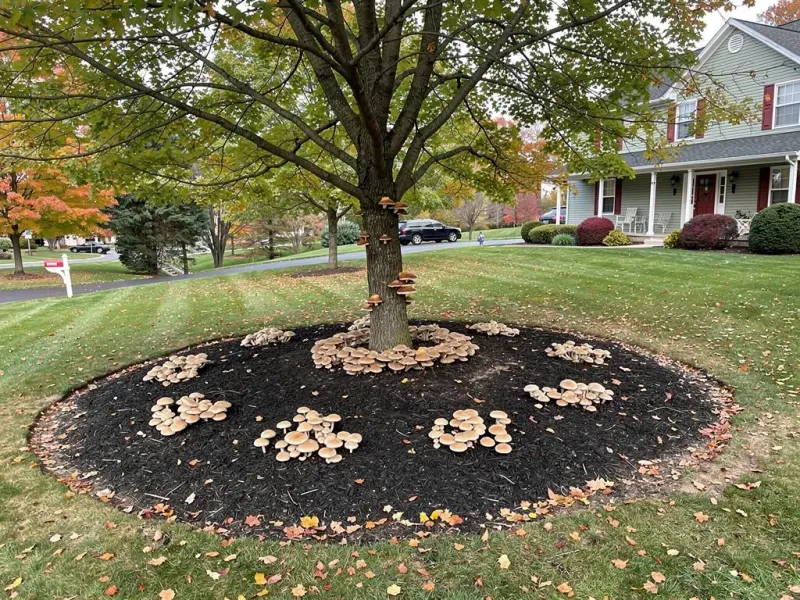
Wake up, look outside, and suddenly there are mushrooms everywhere. It feels like magic, but it is really biology at work.
Underground, a web of fungal threads called mycelium lives in your mulch all year. When Delaware gets warm, soaking rain, especially in late summer and fall, that hidden network pushes up mushrooms fast to release spores.
Some can grow to full size in a single night.
Shredded hardwood mulch holds moisture and food, which is why beds near your house can sprout more than your lawn. So the morning after a storm is the best time to do a quick yard sweep before letting your dog out.
4. Signs Your Dog Ate a Toxic Mushroom
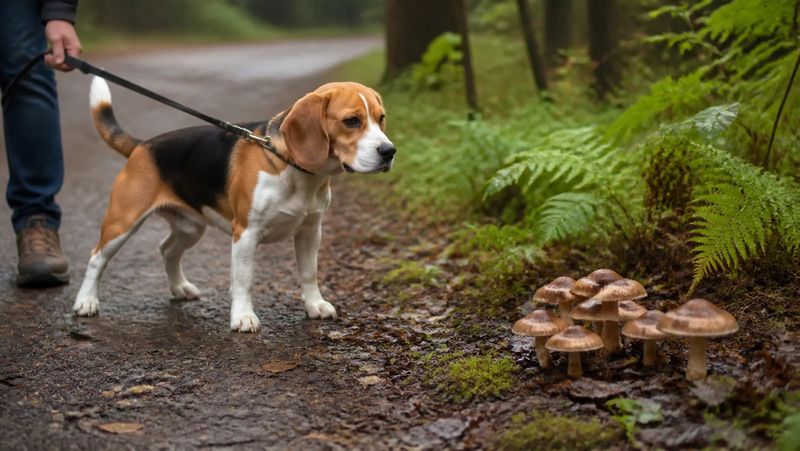
Maybe your Lab came in from the yard with a guilty look and a bit of orange on his lips. Trust that gut feeling.
Watch for vomiting, diarrhea, drooling, and refusing food. More serious mushroom poisoning can bring shaking, stumbling, seizures, yellow gums, or extreme tiredness.
Timing matters too. Some symptoms show up within 30 minutes, while others, like liver damage from deadly species, may not show for 6 to 24 hours.
A dog that seems better can still be in danger, so never just wait it out.
5. What to Do Right Away
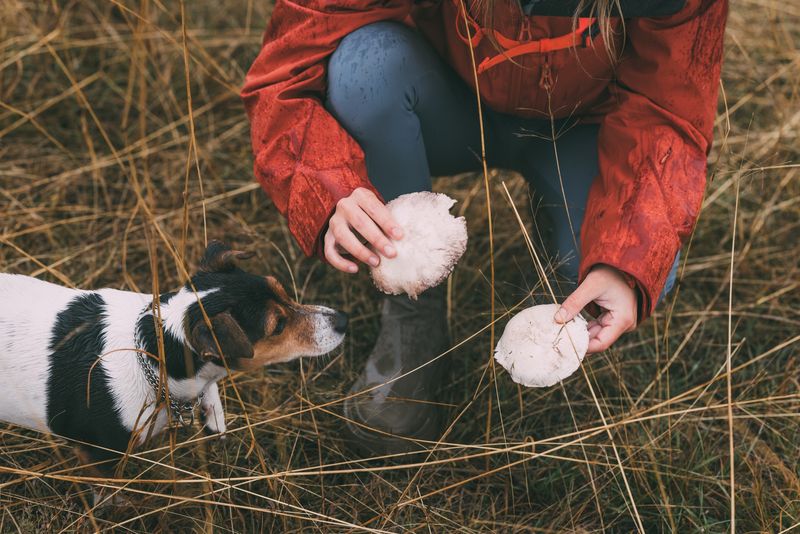
Stay calm and move fast. Those two things together give your dog the best chance.
First, call your vet or an emergency animal hospital. You can also reach the ASPCA Animal Poison Control Center at 888-426-4435 or Pet Poison Helpline at 855-764-7661, though a fee may apply.
Next, grab a sample. Wear gloves, pick a mushroom similar to the one eaten, and place it in a paper bag or wrapped in a damp paper towel.
Snap photos of the cap, gills, and stem too.
Do not try to make your dog vomit unless a vet tells you to. Doing it wrong can cause more harm.
6. Clearing Mushrooms From Your Mulch
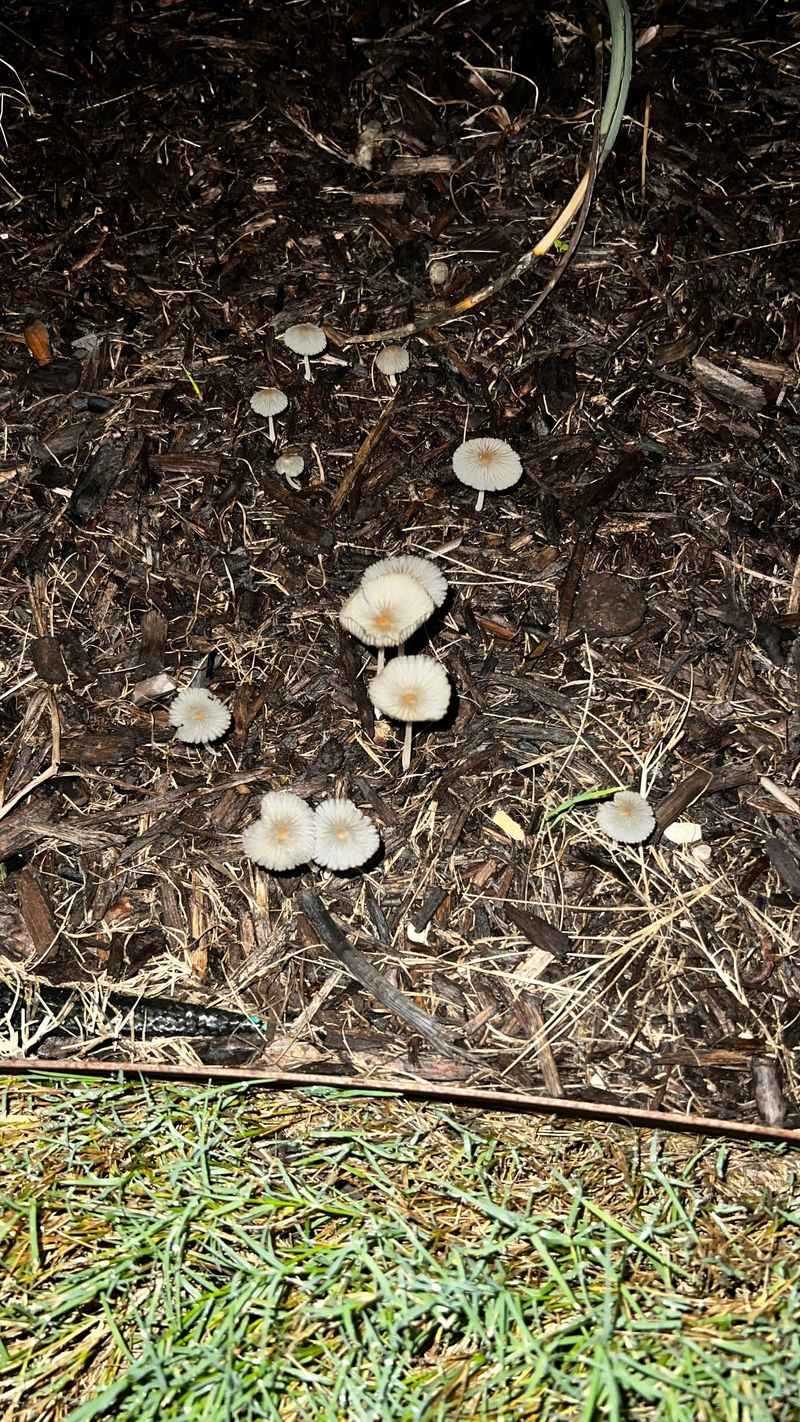
Good news: getting rid of them takes just a few minutes and a pair of gloves.
Pull or scoop mushrooms out by the base, then toss them in a sealed trash bag, not the compost pile. Do this before mowing too, since mowers can scatter bits your dog might snack on.
For fewer mushrooms long-term, rake mulch to help it dry out, avoid piling it deeper than 2 to 3 inches, and cut back on overwatering. Fungicides rarely help, because the real source lives deep in the wood.
Expect repeat visits after every big rain. A quick daily check during wet weeks keeps things under control.
7. Dog-Friendly Yard Habits
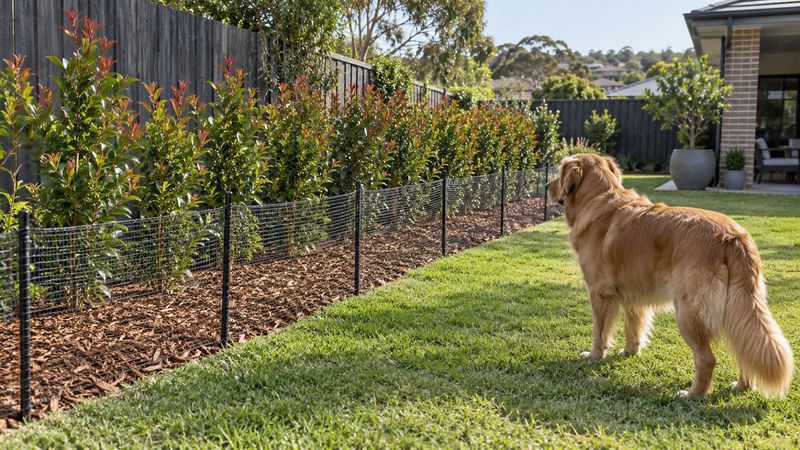
Some pups treat the backyard like a snack bar. If yours is a natural forager, a few simple habits go a long way.
Leash your dog for bathroom breaks during mushroom season, at least until you have checked the yard. Teaching a solid leave it command can stop a bite before it happens, and treats make practice fun.
Small garden fences or edging can keep dogs out of mulch beds entirely. Some owners switch to stone or rubber mulch in spots where pets hang out most.
Fun fact: dogs are drawn to certain mushrooms because they smell a bit like fishy or meaty food. Keeping those temptations out of reach is the smartest move of all.
Share this story