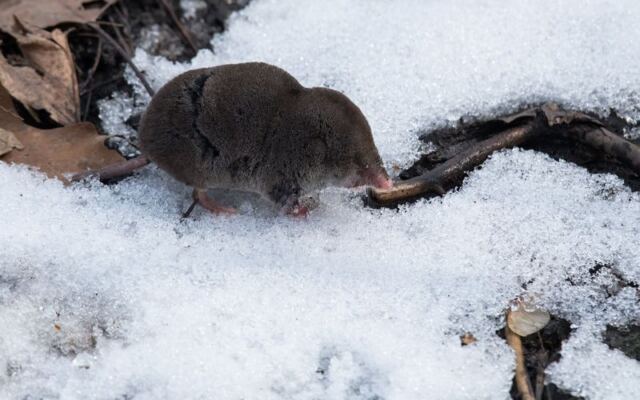
A tiny mammal with a venomous bite may be hunting under the leaves and cover in Louisiana in winter. It is the southern short-tailed shrew, and it stays active when many other small animals slow down.
Its venom is still an open question, because scientists do not agree on it yet. Here is what is known, what is not, and how to stay safe if you ever meet one.
The shrew to know in Louisiana
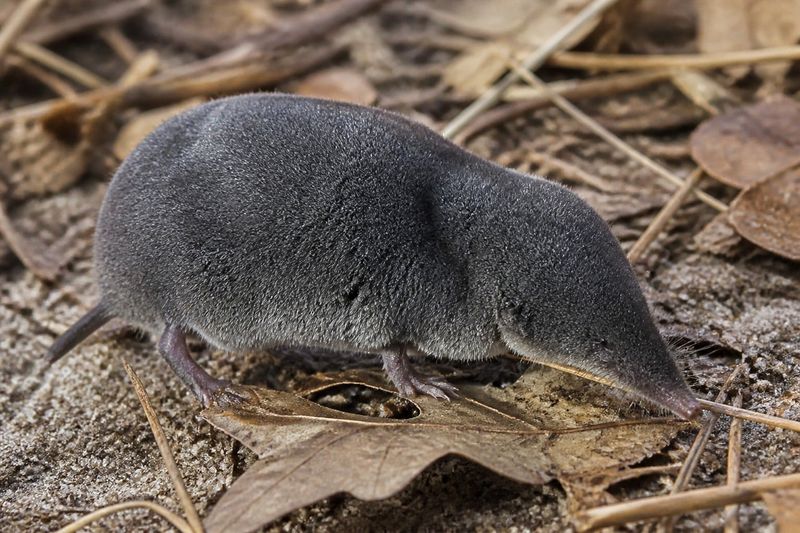
Not every shrew is the same animal. The one most relevant here is the southern short-tailed shrew, Blarina carolinensis, which is a species recorded in Louisiana.
The American Society of Mammalogists lists Louisiana within its range.
A detailed species account in Mammalian Species says the range extends throughout the state. So this is a resident of Louisiana, not a rare visitor.
It is a small, stocky, mole-like mammal with dense gray fur, a pointed snout, tiny eyes, and a short tail. It is not a mouse and not a rodent.
Shrews belong to a different group, and they have sharp teeth built for catching prey.
Why does the species name matter? Shrews come in many kinds, and facts about one kind do not always carry over to another.
That point becomes very important when we reach the question of venom.
A caution for readers: this article describes one species, and it will not help you name every small furry creature that turns up in your yard. Mice, voles, and other shrews can look alike at a quick glance.
If you are curious about an animal you saw, a local wildlife agency or extension office can help with identification.
Winter cover may offer a place to forage
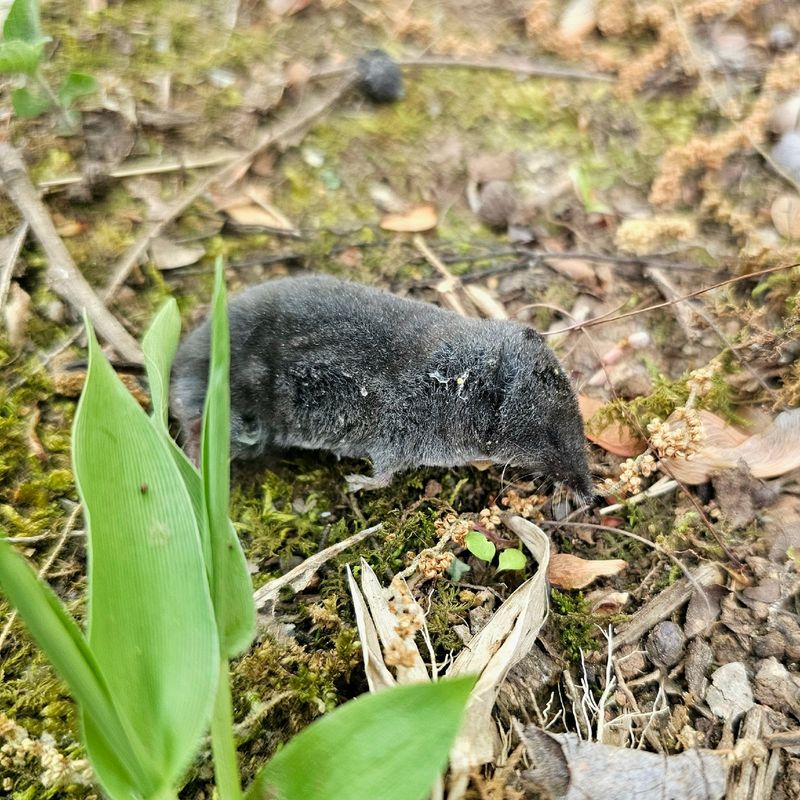
Cold weather does not shut this shrew down. A North Carolina wildlife species account describes the southern short-tailed shrew as active year-round.
It also says the animal spends much of its time in leaf litter and uses forests, thickets, fields, and brushy areas.
The Mammalian Species account for the species points the same way, describing a small animal that lives and feeds close to the ground. Leaf litter and other low cover give it a place to move and look for food while staying hidden.
It is fair to connect that to a garden. A bed with fallen leaves, mulch, or dense plant stems could offer similar cover on a winter day.
That makes leaf litter a possible foraging habitat for this animal.
It does not show that shrews often visit Louisiana home gardens or raised beds. The sources describe the species and its habits in general terms, and none measures how often shrews use garden beds.
Beds are not shown to be especially attractive to them either.
Shrews also tend to stay out of sight, so a gardener could have one nearby and never know it. A practical takeaway is that spotting one in winter would not be strange, but it would not be a sign that something is wrong.
Small invertebrates make up its prey
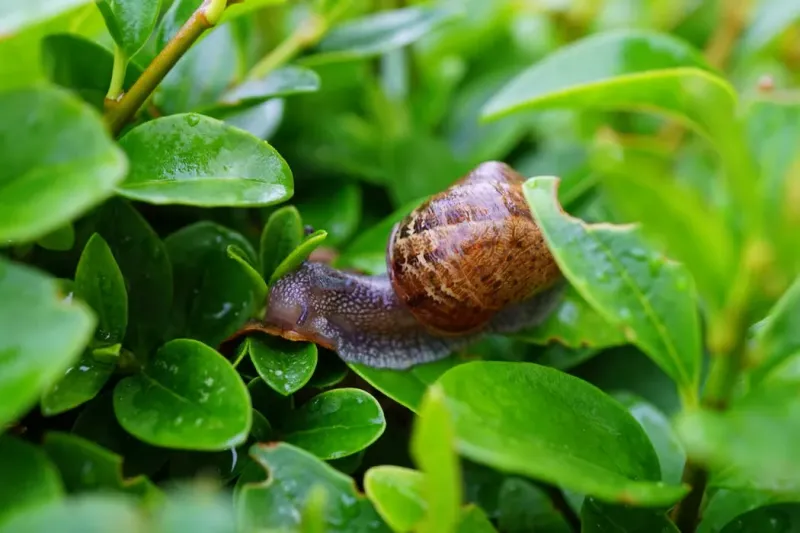
Dinner for this shrew is made of small, crawling animals. Published diet studies summarized in the Mammalian Species account list slugs, snails, earthworms, beetles, centipedes, fly larvae, and spiders.
That makes it a predator of small invertebrates. In that account it is not described as a plant-eating pest, so it is not the sort of animal that chews on tomato roots or strips leaves from lettuce.
Gardeners sometimes want a simple verdict, helpful or harmful. The diet list alone cannot give one.
Slugs and snails may sound like good targets to many people, but earthworms and beetles are on the menu too, and some of those animals do useful work in soil.
What a shrew means for one particular garden depends on many things, and the sources do not measure that. So it is best to treat the diet as a clue about how the animal lives rather than a score for your garden.
A useful habit is to look at the creatures you already see in your beds. A healthy mix of small soil animals is what draws a hunter like this to a patch of ground in the first place.
What the evidence says about venom
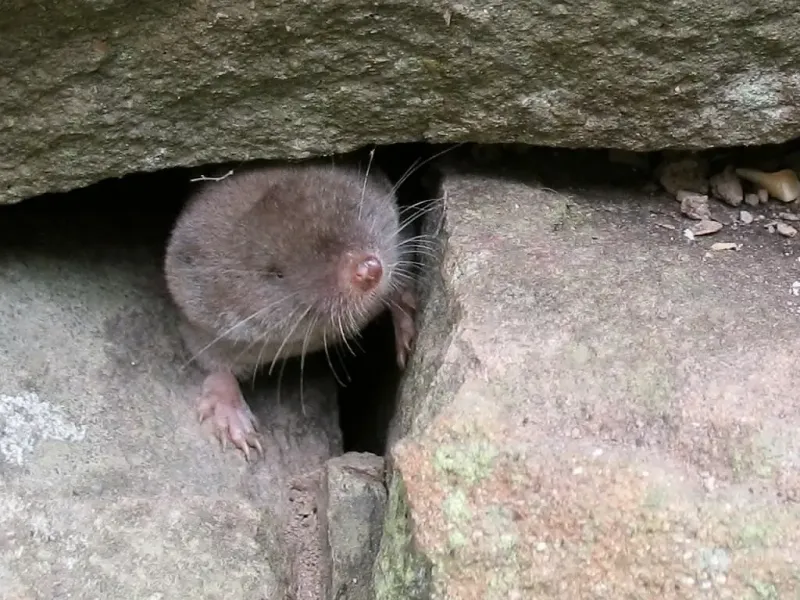
Venom is where the sources split. In the northern short-tailed shrew, Blarina brevicauda, it is confirmed.
Researchers described a toxin from that species in a PNAS study of blarina toxin.
Louisiana, though, has the southern species, Blarina carolinensis. The University of Michigan’s Animal Diversity Web account says the southern species has not been tested for venom.
A Texas Tech account takes a firmer line and says the southern species produces venom. So two respected accounts disagree.
A scientific review of venom in shrews and their relatives describes possible venom in other Blarina species as unconfirmed. That fits the cautious reading.
The fairest way to put it is that the southern short-tailed shrew may have venom. Its status is unresolved in the sources reviewed.
It also would not be right to borrow results from the northern species and apply them to Louisiana animals. Most of what is written about Blarina bites involves the confirmed species or older reports.
Nothing reviewed shows a pattern of serious human injuries from Louisiana shrews, and nothing shows that a bite is harmless either. Curiosity is the right response, not alarm.
Give a wild shrew room to move
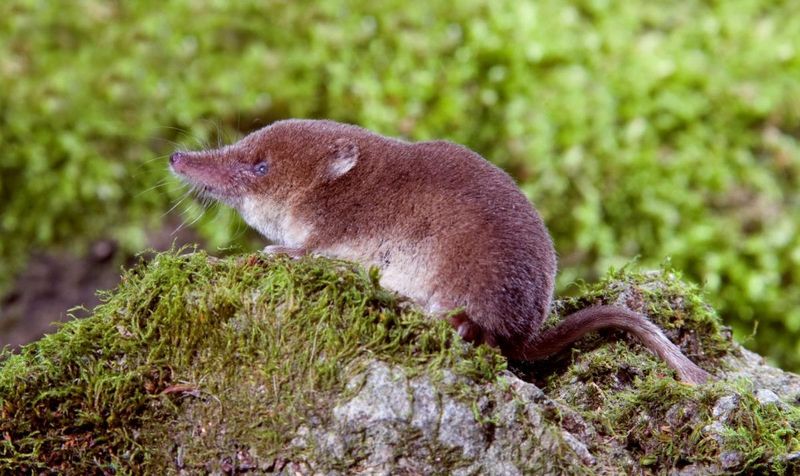
Keep your hands to yourself. The CDC’s wildlife safety guidance advises keeping a distance from wild animals to lower the chance of bites and scratches.
For a shrew, that means do not pick it up, do not corner it, and do not try to handle it.
If one darts out while you are turning a bed or moving a pile of leaves, step back and let it find its way. It will usually dash for cover on its own.
The sources reviewed give no reason to poison shrews, trap them, or strip beds of cover. No species-specific threshold for those steps was found.
So there is no sound basis here for treating a shrew as a problem that must be removed.
Leaf litter is a separate matter. UF/IFAS Extension notes that leaving some leaf litter and plant material can give wildlife in general a place to overwinter.
That is broad wildlife-friendly advice. It is not a way to attract shrews or to keep them away, and it was not written with them in mind.
Wearing sturdy gloves when you clear beds is a sensible habit for any garden task, since many creatures hide in cover.
What to do after a bite
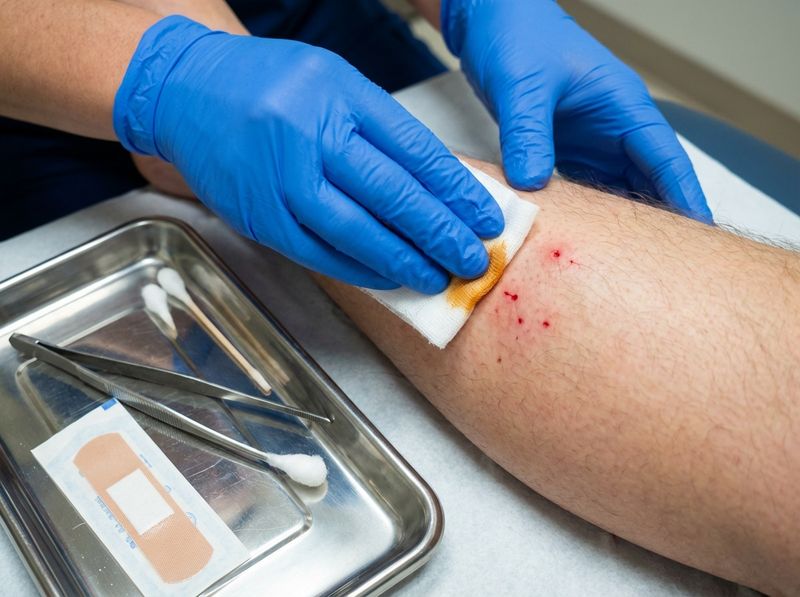
Bites from wild animals are rare in a garden, but a quick response matters. Wash the wound promptly with soap and water.
The CDC’s wildlife guidance recommends washing right away after contact with a wild animal.
Then reach out to a healthcare professional or your local public-health authority. A phone call is a fine place to start.
Say what animal it was, if you know, and how the bite happened.
A professional can judge whether you need medical care and whether a rabies evaluation makes sense. The CDC’s page on when to seek care for rabies explains how that decision is approached.
Treatment is not automatic, and it is not ruled out either. Those calls belong to the professionals who can look at your situation.
Do not assume a shrew bite is trivial just because the animal is small. Do not assume it is dangerous either.
Because venom in the southern species is unresolved, the careful path is to clean the wound and get advice.
If you can do so safely, note where and when it happened. Do not try to catch the animal yourself.
A practical response for gardeners
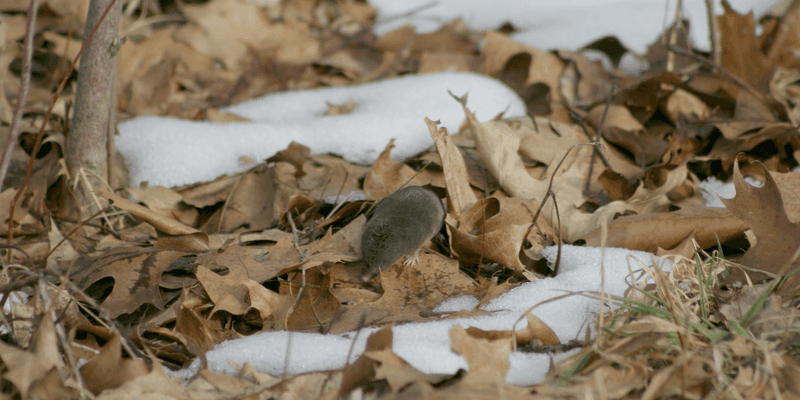
A southern short-tailed shrew may forage under winter ground cover, but how often it uses garden beds is unknown, and its venom status is still unsettled. Watch from a distance, follow the CDC advice on wildlife, and call a professional after any bite.
Sometimes the best garden story is the one happening quietly under the leaves.
Share this story