Flip over a flat rock in a Tennessee garden and you might find more than worms. Our state is home to a handful of snakes, spiders, and stinging critters that can turn a relaxing afternoon of yard work into a trip to urgent care.
The good news is that most of them want nothing to do with you, and learning their looks and habits is the easiest way to stay safe. Grab your gloves and get to know your neighbors before you start digging.
1. Copperhead
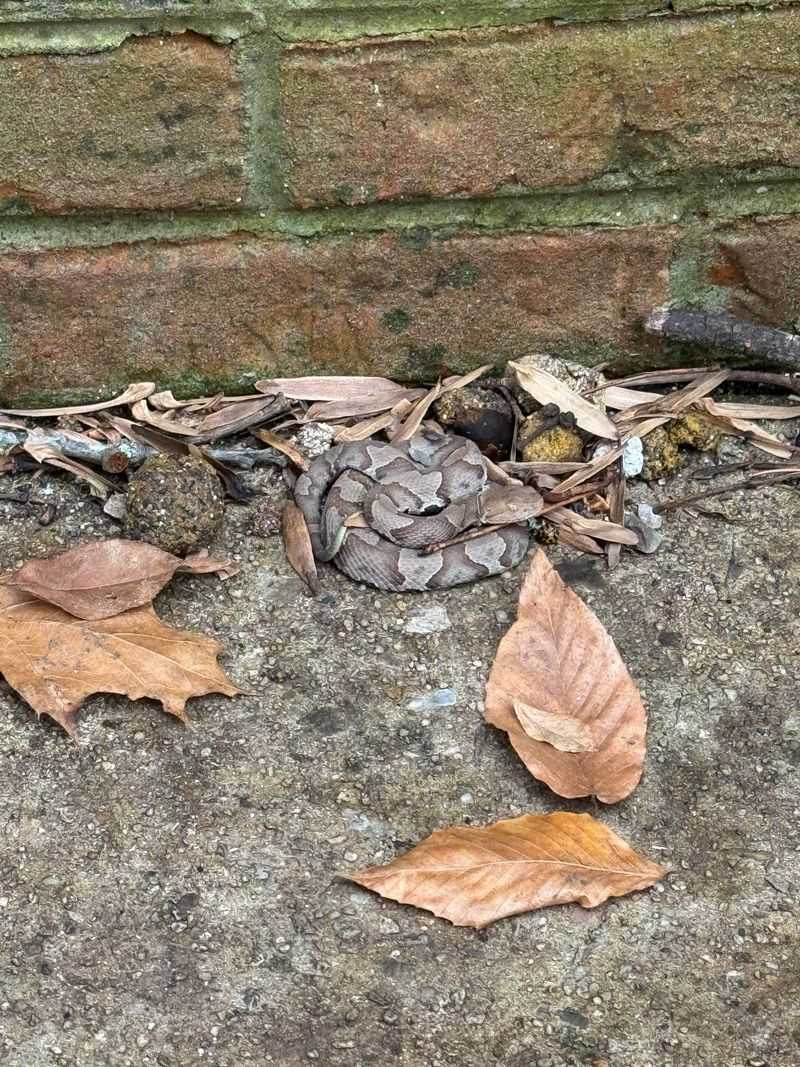
Ask any Tennessee gardener which snake they bump into most, and the answer is almost always the copperhead. It is the most common venomous snake in the state, and it loves the same leaf piles, mulch beds, and woodpiles that homeowners create.
Look for a thick body with tan or pinkish skin crossed by darker, hourglass-shaped bands. From above, the bands look wide on the sides and skinny along the spine, like a stack of Hershey’s Kisses.
Young copperheads have a bright yellow tail tip they wiggle to lure frogs.
Their camouflage is so good that most bites happen when someone steps on or grabs one by accident. Bites are painful but rarely deadly.
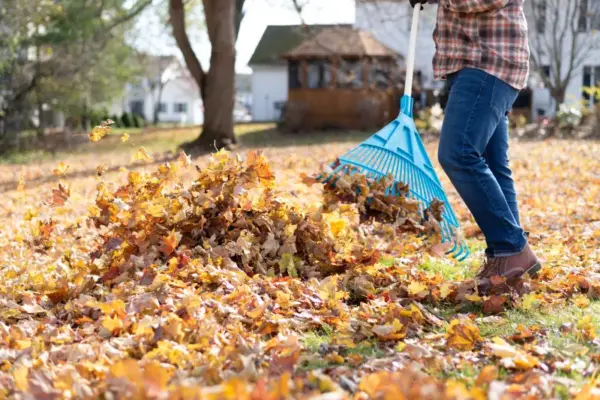
Wear boots, use a rake before reaching into leaves, and always look before you put your hands down.
2. Timber Rattlesnake

Picture a sunny rock ledge at the edge of the woods near the Cumberland Plateau. That warm spot is prime real estate for the timber rattlesnake, the biggest venomous snake you are likely to meet in Tennessee.
Timbers can stretch past four feet long. Their bodies range from yellowish to gray to nearly black, with dark, V-shaped bands called chevrons and a solid black tail ending in a rattle.
They are famously calm and often lie still rather than strike.
Fun fact: one of the rattlesnakes on early American flags with the words Don’t Tread On Me was likely a timber rattler. If you hear that buzzing sound, back away slowly and give the snake plenty of room.
It is a protected species in many areas, and it eats lots of rodents.
3. Cottonmouth
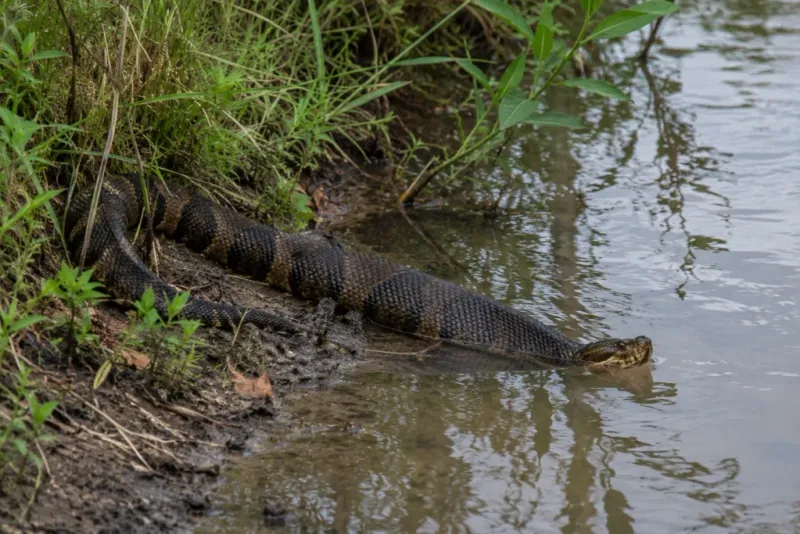
Got a pond, creek, or soggy drainage ditch out in West Tennessee? Then the cottonmouth, also called the water moccasin, could be a backyard visitor.
These snakes mostly live in the western third of the state near swamps and slow rivers.
Adults are bulky and dark, often olive, brown, or almost black, with faded bands. When threatened, they open their mouths wide to show a bright white lining, which is how they got their name.
They also tend to float with their whole body on top of the water.
Here is the catch: many harmless water snakes look similar and get killed by mistake. A cottonmouth has a blocky head, a dark stripe through the eye, and slit pupils.
When in doubt, leave any snake near water alone.
4. Pygmy Rattlesnake
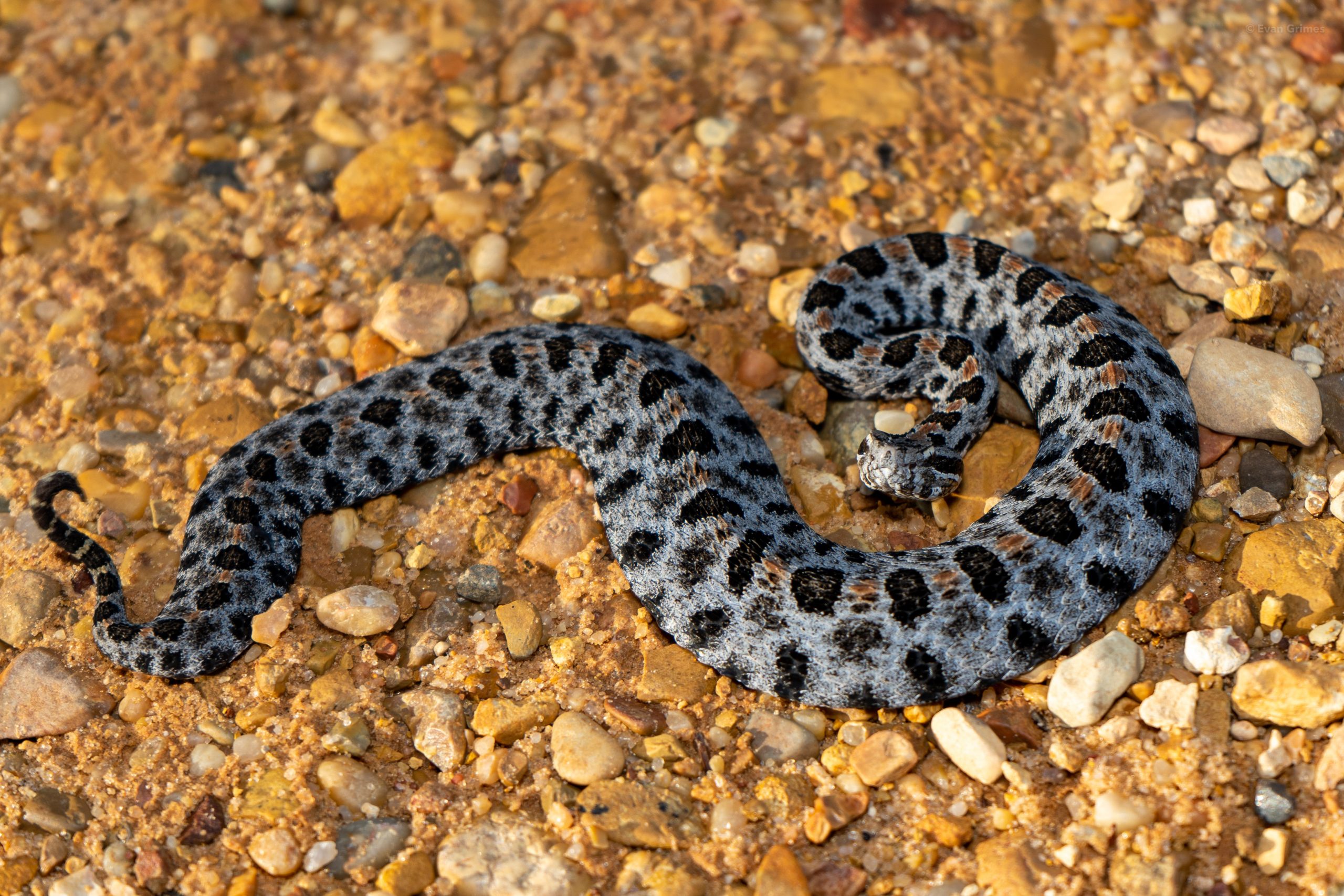
Small but feisty, the pygmy rattlesnake rarely grows longer than two feet. It is uncommon in Tennessee and mostly found in scattered pockets in the southern and western parts of the state.
Spotting one takes sharp eyes. They are grayish with rows of dark blotches and often a reddish or orange stripe down the back.
The rattle is so tiny it sounds more like a buzzing insect than a warning.
Bites are painful and cause swelling, but they are seldom life-threatening for adults. Still, a bite deserves medical attention.
Keep grass trimmed and clear brush so these little snakes have fewer hiding spots.
5. Black Widow Spider
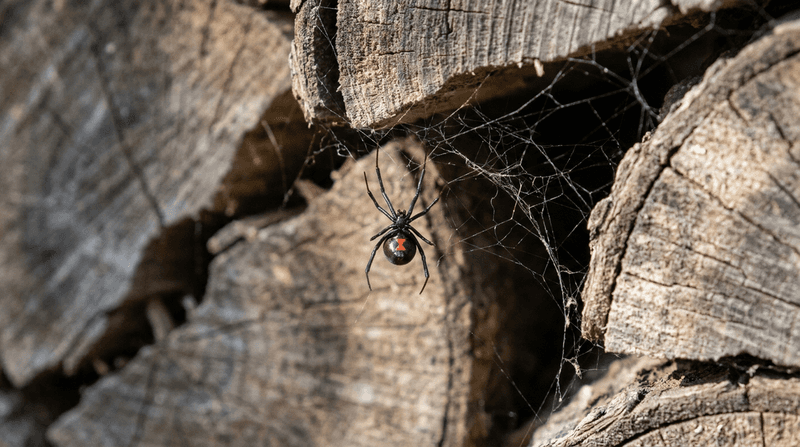
Grandpa always said to knock your work gloves together before putting them on. He had black widows in mind, and he was right.
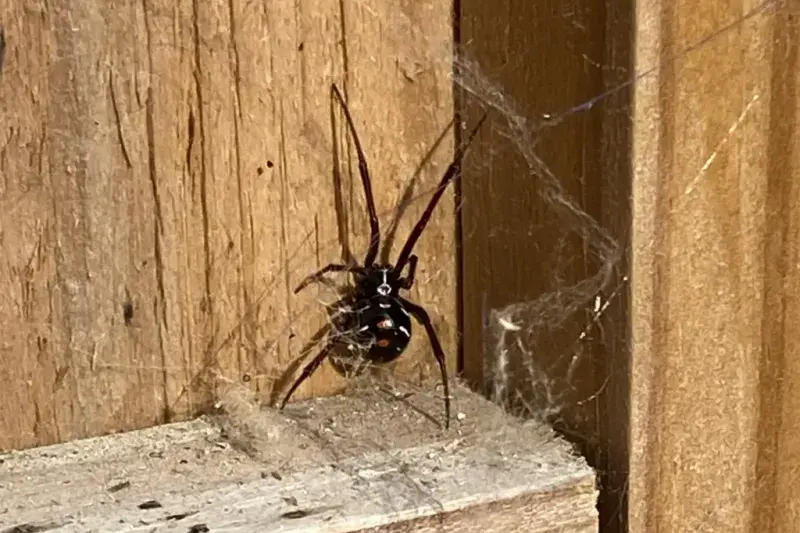
Female black widows are glossy black with a red hourglass shape on the underside of their round belly. They build messy, tangled webs in dark, quiet places like woodpiles, water meter boxes, garden sheds, and under patio furniture.
Males are smaller and pretty much harmless.
Their venom affects the nerves and can cause muscle cramps, sweating, and stomach pain. Deaths are extremely rare today, but kids and older adults should get checked quickly after a bite.
Wear gloves when moving stored items, and shake out shoes left in the garage.
6. Brown Recluse Spider
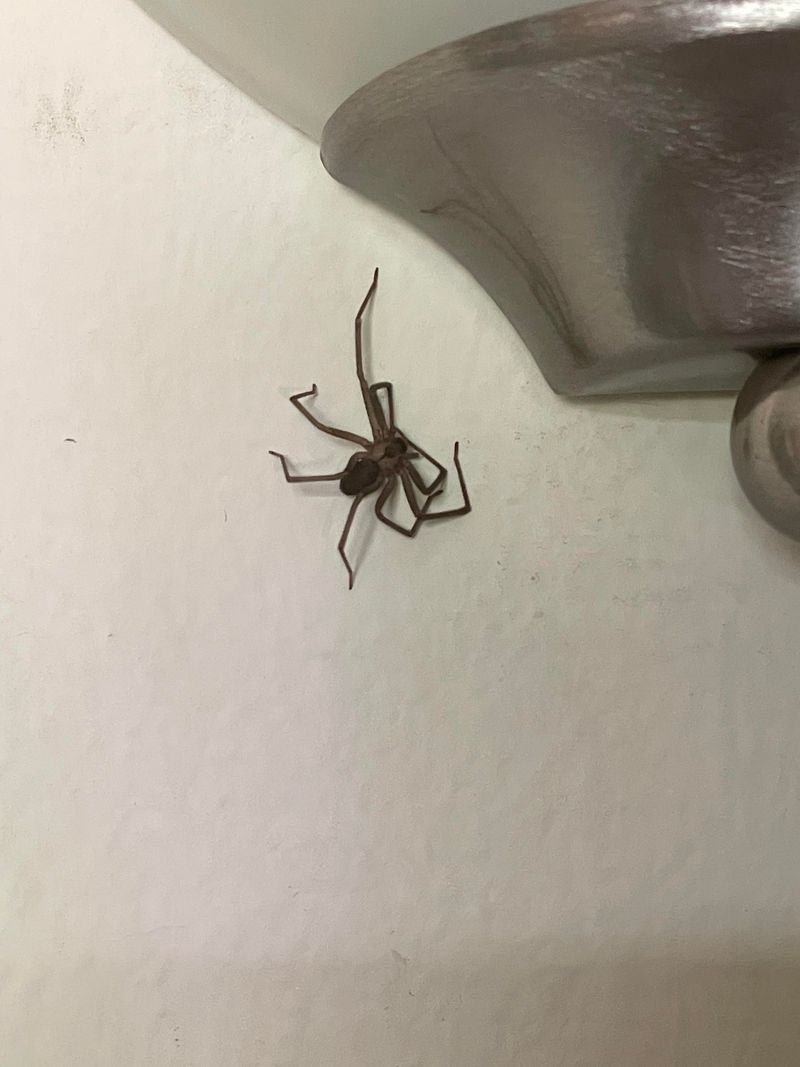
Shy is an understatement. The brown recluse spends its days hiding in cardboard boxes, closets, basements, and garden sheds, and it only comes out at night to hunt.
It is tan to brown with a darker violin-shaped mark on its back, with the neck of the violin pointing toward the rear. A better clue is the eyes: recluses have six eyes arranged in three pairs instead of the usual eight.
Their legs are long, thin, and have no spines or stripes.
Many bites go unnoticed at first, then turn red and painful hours later. Some can cause a slow-healing sore.
Store yard supplies in sealed plastic bins instead of cardboard, and get any worsening bite looked at by a doctor.
7. Yellowjacket
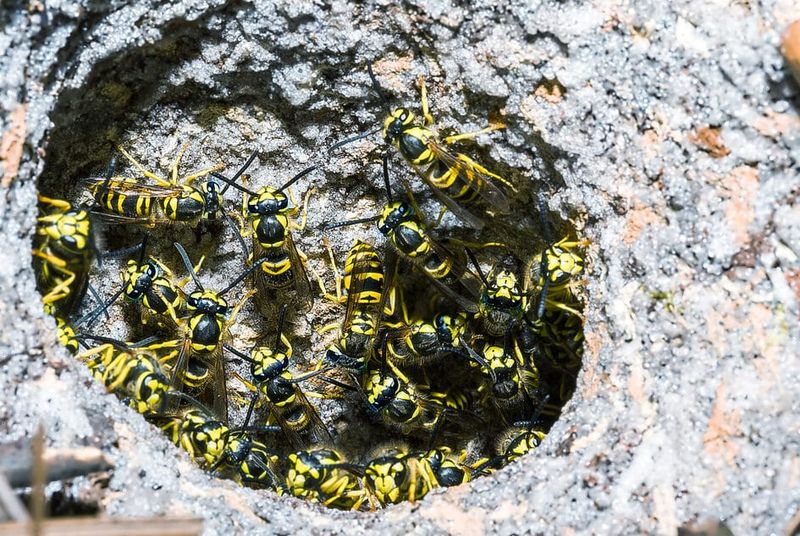
Late August, lawn mower humming, and suddenly a cloud of angry insects pours out of the ground. Plenty of Tennesseans have lived that exact moment, thanks to yellowjackets.
These bold wasps are bright yellow and black with smooth, shiny bodies, not fuzzy like bees. Most Tennessee species nest underground in old rodent holes, so digging or mowing over a nest is a common trigger.
Unlike honeybees, they can sting again and again.
Watch for a steady stream of insects flying in and out of one small hole in the yard. Mark the spot and avoid it, or call a pro.
Anyone with a sting allergy should keep their emergency medicine close during yard work.
8. Saddleback Caterpillar
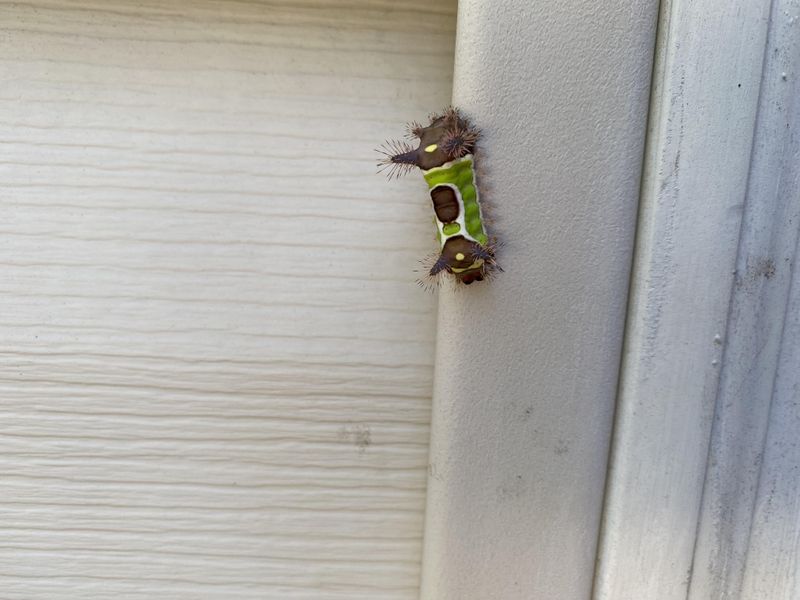
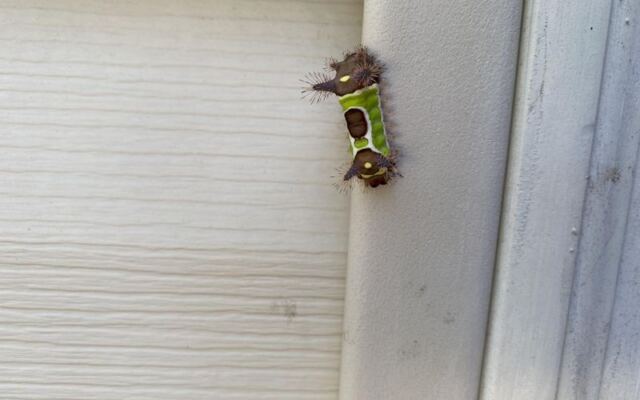
Who knew a caterpillar could look like it is wearing a tiny saddle blanket? The saddleback caterpillar has a bright green middle with a brown, oval spot right in the center, plus fleshy horns covered in spines on each end.
Those spines are hollow and loaded with venom. Brushing against one while picking corn, trimming shrubs, or weeding can cause a burning sting, red welts, and sometimes nausea.
They show up in late summer on many plants, from maples to garden veggies.
If you get stung, press a piece of tape on the skin and pull it off to remove broken spines. Then wash the area and use an ice pack.
Gardening gloves with long sleeves are your best defense.
9. Puss Caterpillar
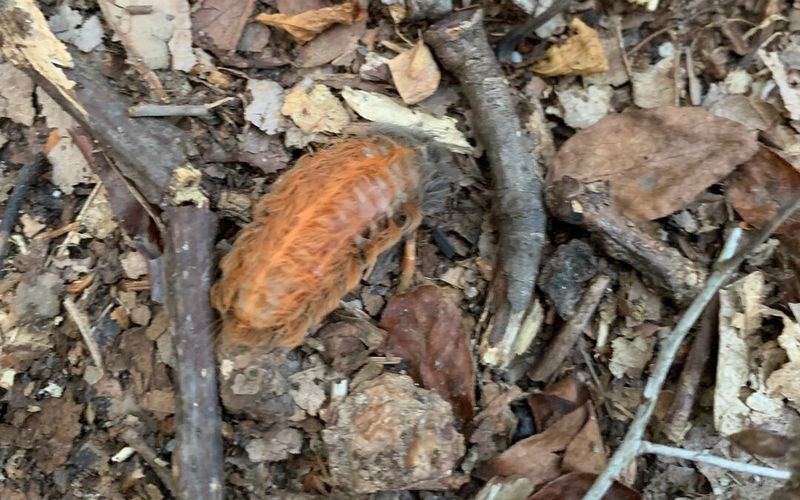
Fluffy, cute, and looking like a tiny toupee, the puss caterpillar is the sneakiest stinger on this list. Kids especially want to pet it, which is exactly the problem.
Hidden under that soft-looking fur are sharp, venomous spines. A sting can cause intense, throbbing pain that some people compare to a broken bone, along with a grid-like red rash.
It is often called the most venomous caterpillar in the United States.
Look for them on oaks, elms, and shrubs near patios and playsets from summer into fall. Teach children that fuzzy does not mean friendly.
If stung, use the tape trick and seek medical help if pain or swelling spreads.
10. Eastern Velvet Ant
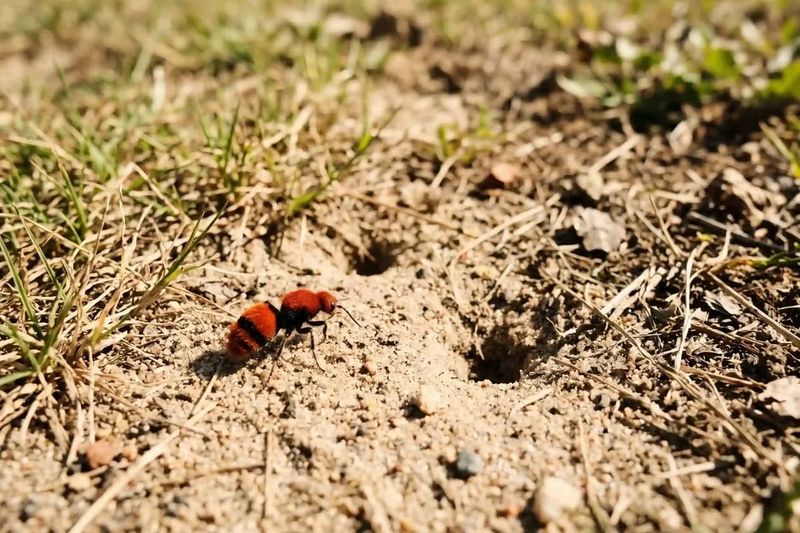
Nicknamed the cow killer, this fuzzy red and black insect is not actually an ant at all. It is a wingless female wasp, and it packs one of the most painful stings in North America.
You will usually see it scurrying fast across sandy soil, bare patches, or sidewalks on hot summer days. The bright red coloring is a warning sign.
If it feels trapped, it may even squeak.
Thankfully, the cow killer is a loner and not aggressive. The sting hurts badly, but it is not dangerous unless you are allergic.
Let it pass, keep bare feet off sandy spots, and you will likely never feel it.
Share this story