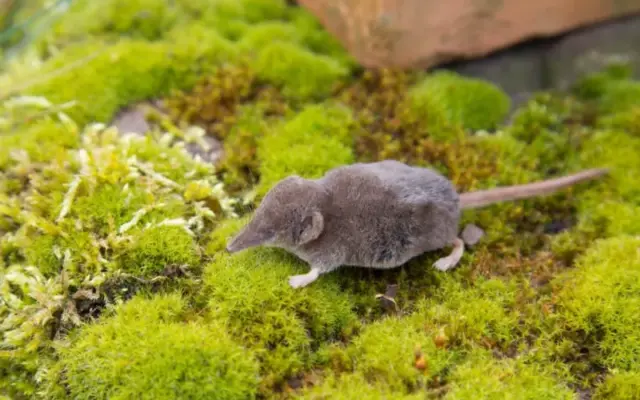
A small, mole-like animal with venomous saliva stays active in Michigan all winter, searching for food under leaves, soil, and snow. It is the northern short-tailed shrew, and it does not hibernate.
Cold does affect it, though, and a trail in your lawn does not prove a shrew made it. Here is what the animal does, what its venom is for, and what to do if you ever meet one.
Meet Michigan’s short-tailed shrew
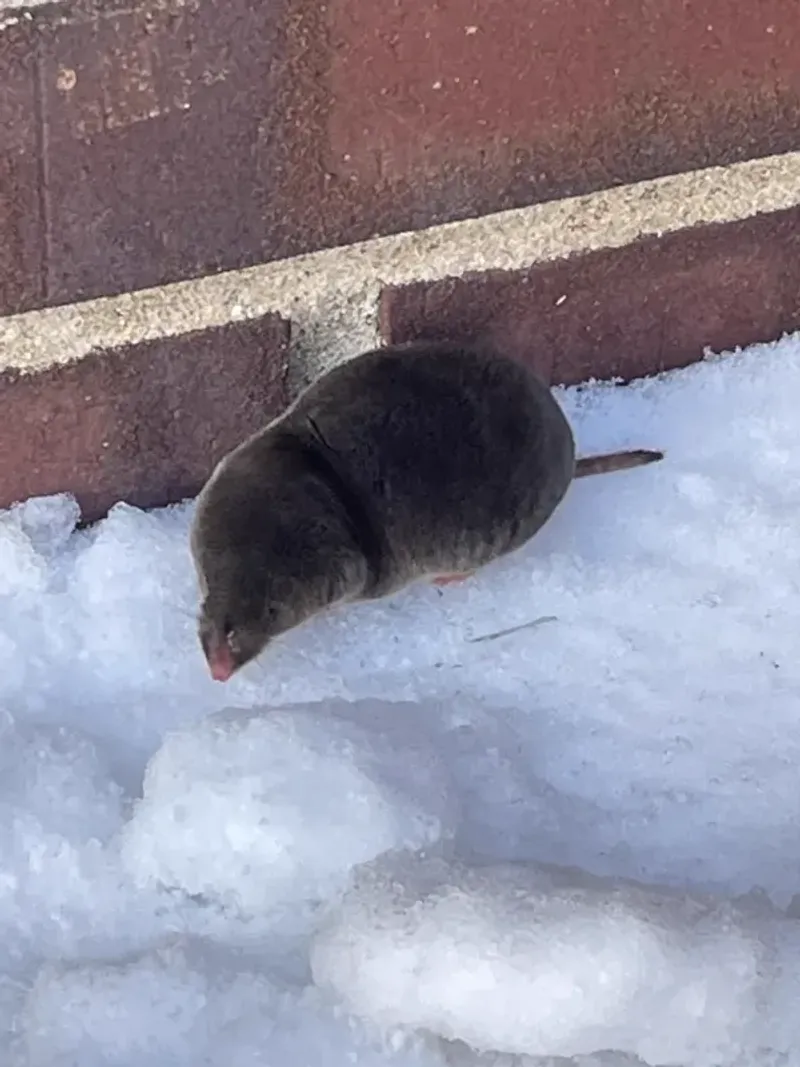
Through the dead of winter, the northern short-tailed shrew keeps working. It does not sleep the season away like a groundhog or a bat.
Even when Michigan yards are buried under snow, this small animal can still be moving and feeding out of sight.
Its scientific name is Blarina brevicauda, and it is a shrew, not a mouse or any other kind of rodent. Shrews belong to a different group of mammals altogether.
They have a long, pointed snout, tiny eyes, velvety gray fur, and a short tail, which is where the name comes from. An adult is only a few inches long, so you could easily hold one in a closed hand, though you should never try.
The American Society of Mammalogists lists Michigan within the species’ range. That does not mean a shrew lives in every yard.
These animals favor places with cover, such as forests, brushy edges, fields, and other spots with leaf litter and loose soil, and whether one lives near you depends on the habitat around your home.
Because shrews spend most of their time hidden, people rarely see them. A quick brown or gray blur near a woodpile or garden edge is often the only clue.
The University of Michigan’s BioKIDS account describes a busy, secretive animal that spends much of its life in tunnels and under cover. That hidden lifestyle is a big part of why winter activity here is so easy to miss and so easy to misunderstand.
Cold changes how active it is
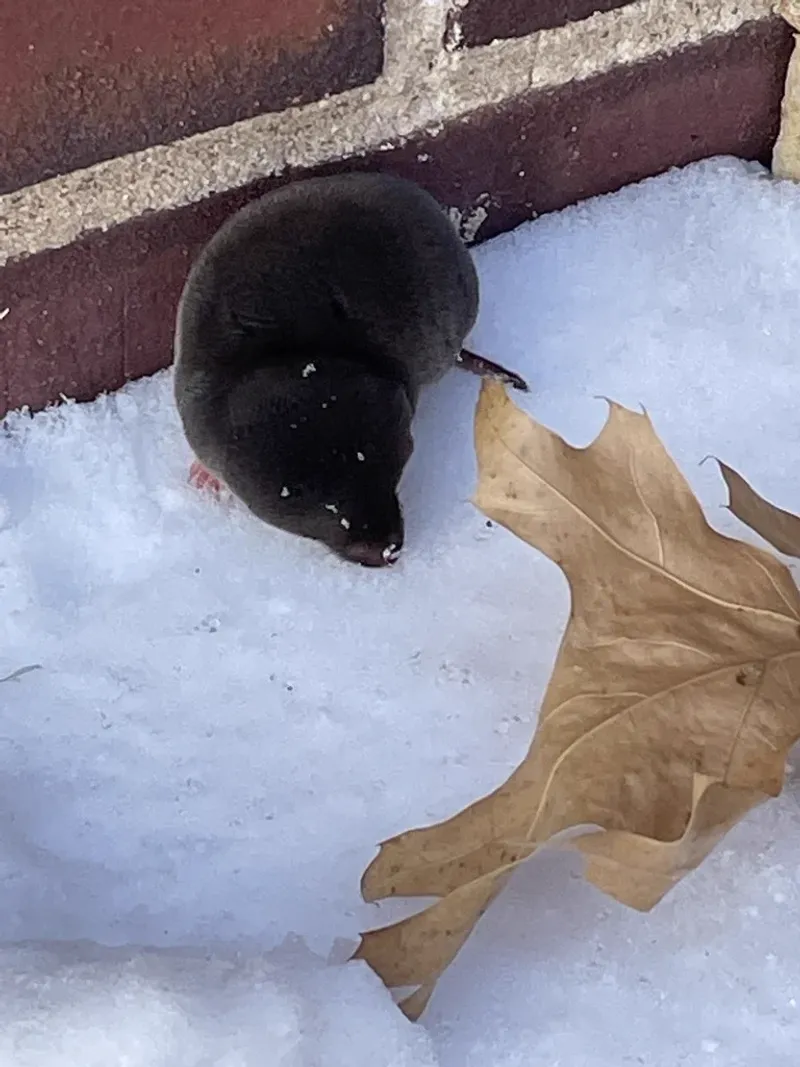
Staying awake all winter is not the same as shrugging off the cold. The northern short-tailed shrew does not hibernate, and it stays active all year.
Yet freezing weather still takes a toll on its small body.
According to the Illinois Department of Natural Resources, low temperatures lower the shrew’s body temperature, slow its metabolism, and reduce its activity. In plain terms, the animal runs at a lower setting when it is cold.
It is still out there, but it is not racing around as it might in milder weather.
That matters for how we picture winter wildlife. A shrew has a tiny body that loses heat quickly, and it lives a fast, energy-hungry life.
Holding steady through a long Michigan winter takes careful use of shelter and food, and the cold makes the job harder.
This also means we should be careful with any claim about exactly how active a shrew is on a particular night. No source gives a reliable activity level for a given temperature or snowstorm.
What we can say is that the animal keeps going through winter while the cold dials down its energy use and movement.
So when you hear that snow does not slow a shrew down, treat it as a catchy simplification. A better version is that snow does not stop it.
The shrew adjusts, saves energy, and keeps hunting where it can find cover and food.
Snow and soil can hide its routes
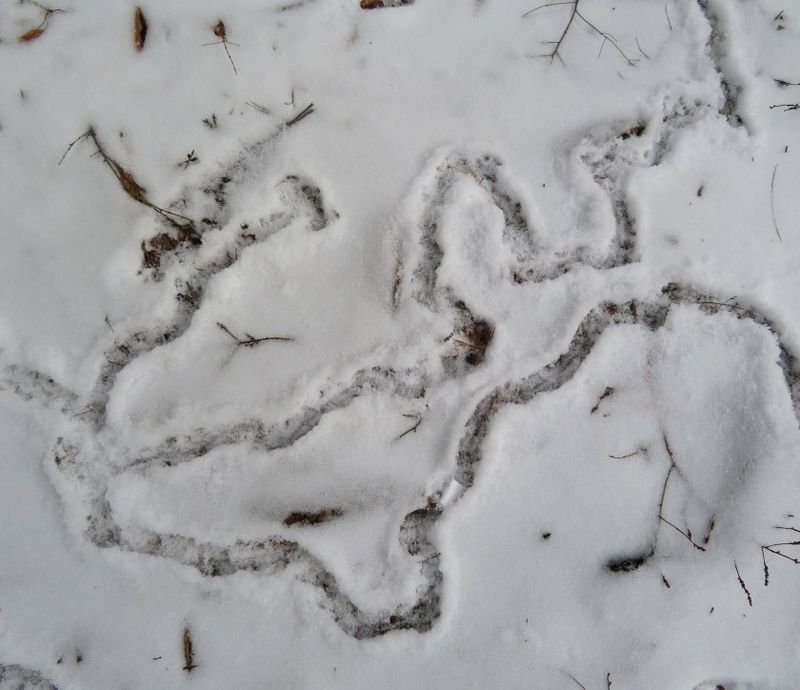
Picture a world with a roof of snow. Under that white layer, leaves, grass, and loose dirt create small gaps and passages where a tiny animal can move without being seen.
The northern short-tailed shrew uses exactly this kind of hidden space.
BioKIDS notes that the shrew travels in runways beneath leaves, dirt, and snow. Those routes give it a way to cross its territory while staying covered.
Along the way it searches for food, since a shrew needs to eat often to keep going.
Snow can act as a blanket. It may offer shelter from wind and some protection from animals that hunt shrews from above, and it gives the shrew a path to follow.
That is a reasonable picture of what snow cover can offer, but it is a possibility, not a promise.
It is also worth being clear about what this does not show. Knowing that shrews use runways does not prove one is hunting under a particular lawn in a Michigan neighborhood.
Whether a shrew passes through your yard depends on the habitat nearby, such as woods, brush, thick leaf cover, or garden beds.
If you want to picture it, think of a shrew as a commuter using side streets. It follows whatever sheltered paths the landscape provides, and those paths may be under leaves, in loose soil, or beneath a layer of snow.
The routes are real, but they are mostly invisible to us.
Venom helps it subdue prey
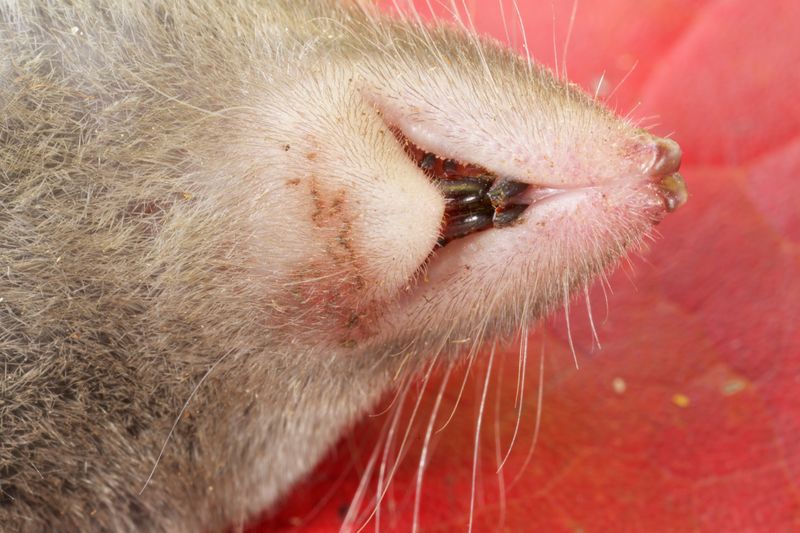
A shrew’s day is built around eating. Its saliva contains venom, and that venom helps it handle food that might otherwise get away.
When the shrew bites prey, the venom can immobilize it.
Most of the menu is small and soft. BioKIDS describes a diet made up mainly of invertebrates such as earthworms, snails, and insects, with small vertebrates also on the menu at times.
For an animal that burns energy fast, a way to calm down struggling prey is a real advantage.
Scientists have studied the chemistry behind this. In a peer-reviewed study in PNAS, researchers isolated and characterized a toxin from the short-tailed shrew’s venom.
The work helps explain how a bite from such a small animal can affect creatures that are sometimes larger than the shrew itself.
It helps to keep the purpose of the venom in mind. It is a feeding tool, not a weapon aimed at people.
A shrew uses it to subdue prey, and that is where the story of its venom mostly begins and ends.
Venom in mammals is rare enough to be surprising, but the shrew is not the only venomous mammal, so there is no need to treat it as a one-of-a-kind oddity. It is simply a small hunter with an unusual set of tools, working in leaf litter and soil while most of us are indoors.
Leave shrews alone and take bites seriously
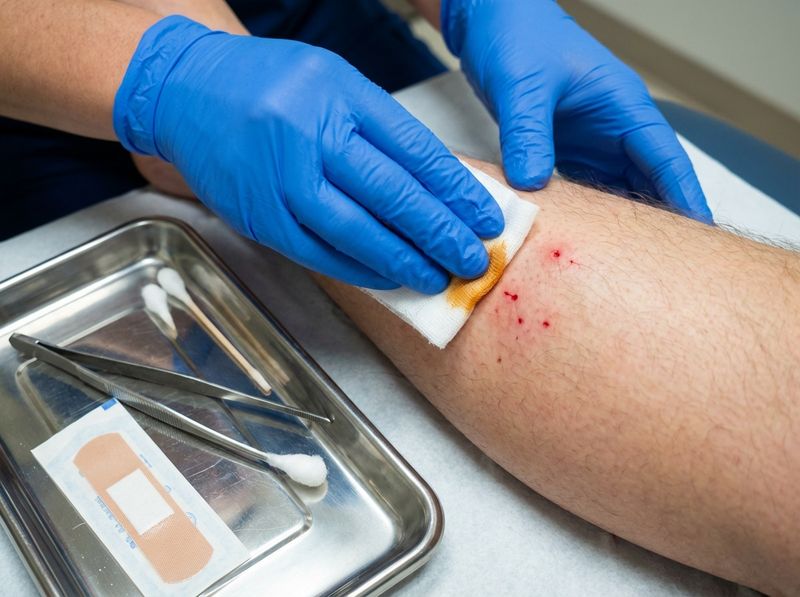
Few people ever get bitten by a shrew. According to BioKIDS, bites are rare and usually happen when someone tries to handle the animal.
The same account reports pain that can last several days.
Other sources point to local effects too. The PNAS study cites reports of burning and swelling at the bite site.
These accounts are limited, so no one can promise how a particular bite will go, and serious outcomes cannot be ruled out.
The practical lesson is simple. Do not pick up a shrew, and do not let children or pets approach one.
If a cat brings one home, keep curious kids away and avoid grabbing it with bare hands.
If you are bitten, wash the wound promptly with warm, soapy water. Then seek medical advice as appropriate.
CDC guidance on wild animal bites says to get care for serious wounds or signs of infection, and to ask a healthcare provider about rabies vaccination.
Signs of infection include spreading redness, increasing swelling, warmth, pus, or worsening pain. Any of these is a good reason to call a clinic or doctor.
When in doubt, a quick phone call is better than waiting.
None of this calls for alarm. A shrew is not hunting people, and most encounters end with the animal scurrying away.
Giving it space is the easiest way to keep everyone safe.
A lawn trail does not identify its maker
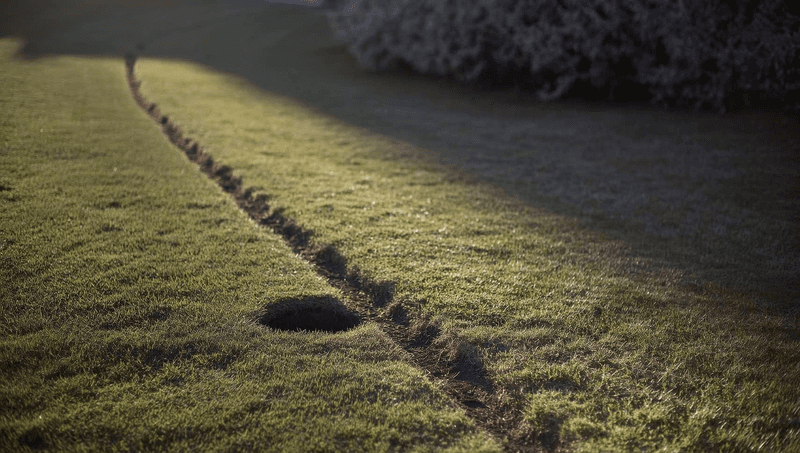
When the snow melts, lawns sometimes reveal a surprise: thin winding lines, raised ridges, or flattened paths across the grass. It is natural to wonder who made them.
A shrew is a fair suspect in some places, but a trail by itself is not a name tag.
Shrews can use covered routes, as BioKIDS explains, yet the available evidence does not identify them as the makers of particular lawn marks. Seeing a runway-like line does not tell you which animal used it.
For winter lawn damage, Michigan State University Extension points to voles and moles as common causes. It also notes that vole damage is often superficial, and the grass may recover with spring growth.
So a trail that looks alarming may heal on its own once the weather warms and the lawn starts growing again.
If you want to figure out what happened, look at the pattern and the timing instead of guessing at the animal. Check whether the grass is just flattened or whether soil has been pushed up.
Give the lawn a few weeks of spring growth before deciding it needs repair.
Whatever the marks turn out to be, one rule still applies. If you do spot a shrew, leave it alone and let it go on its way.
A trail tells you something moved under the snow, and often that is all it tells you.
Share this story