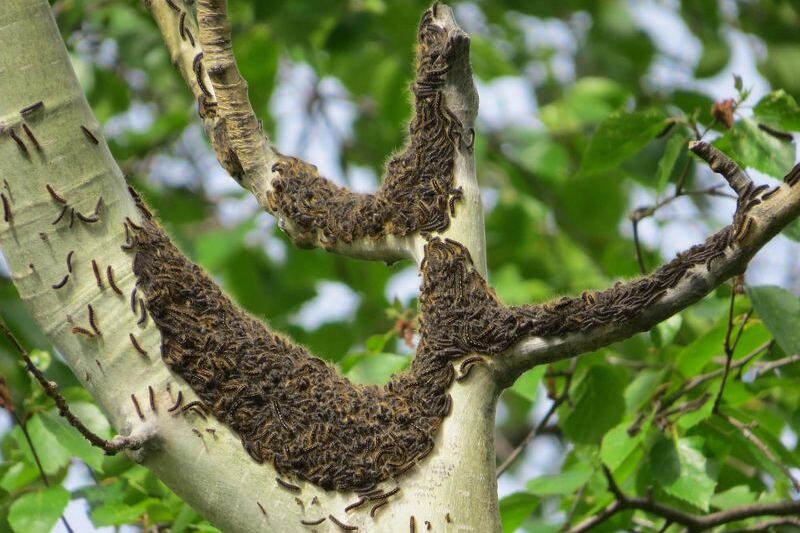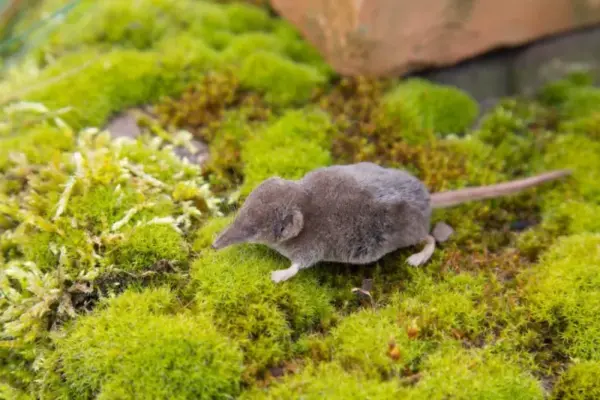
Woodpiles, rock walls, and garden corners make cozy hiding spots for more than just chipmunks. In Michigan, a handful of creatures that live in these places can bite or sting with venom.
Most of them would rather run than fight, but knowing what they look like helps you stay safe. Here is a simple guide to the ones worth watching for before you grab that next log.
1. Eastern Massasauga Rattlesnake
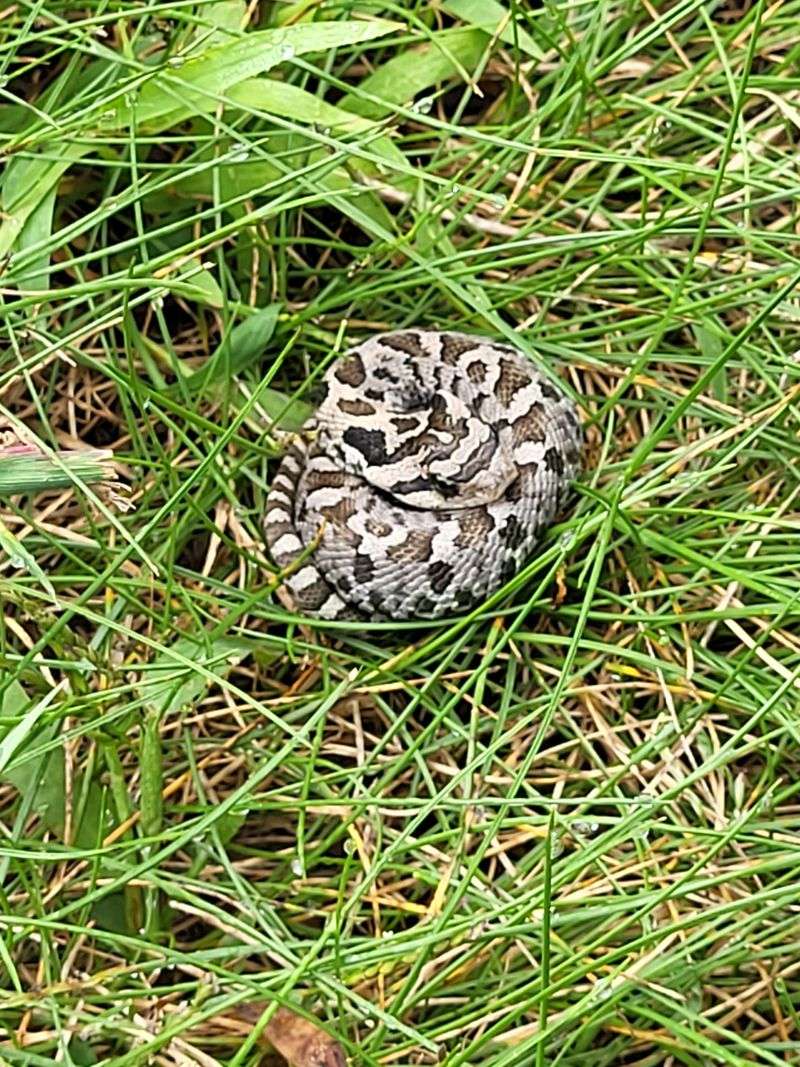
Michigan has exactly one venomous snake, and it is a shy one. The eastern massasauga is a small rattlesnake, usually about two feet long, with a thick body and a row of dark brown blotches running down a gray or tan back.
Look for the cat-like vertical pupils and the little rattle on the tail.
These snakes love wet areas like marshes, swamp edges, and damp fields, but they sometimes wander into nearby yards and woodpiles. Their rattle can be quiet, almost like a buzzing insect, so you might not hear a warning at all.
Here is a fun fact: the massasauga is federally listed as threatened, so killing one is against the law. If you spot one, back away slowly and let it move on.
Bites are rare, but if one happens, call 911 and get to a hospital right away.
2. Northern Black Widow Spider
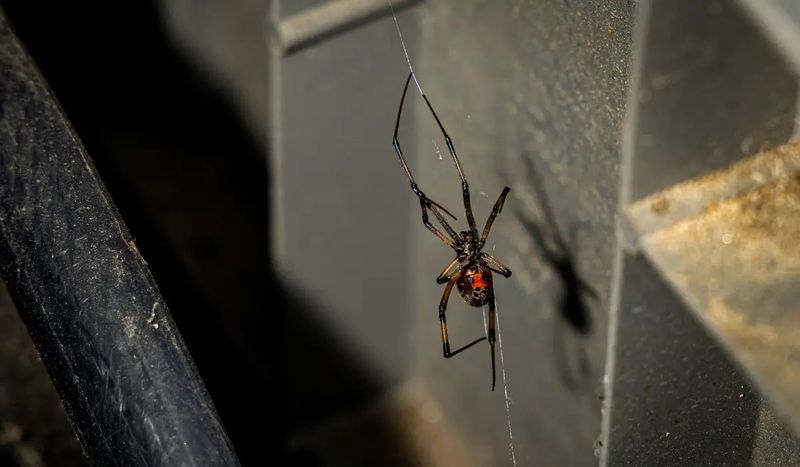
Shiny, black, and about the size of a pea, the northern black widow is the spider most people picture when they hear the word venomous. Females carry a red hourglass on the belly, but in the northern species that hourglass is often split into two pieces.
Many also have a line of small red dots along the back.
Woodpiles are practically a dream home for these spiders. They spin messy, tangled webs low to the ground in dark gaps, sheds, and under patio furniture.
A bite can cause muscle cramps, sweating, and stomach pain. Deaths are extremely rare, yet anyone bitten should see a doctor.
Wearing thick gloves when moving firewood is the easiest way to avoid an unwanted introduction.
3. Brown Recluse Spider
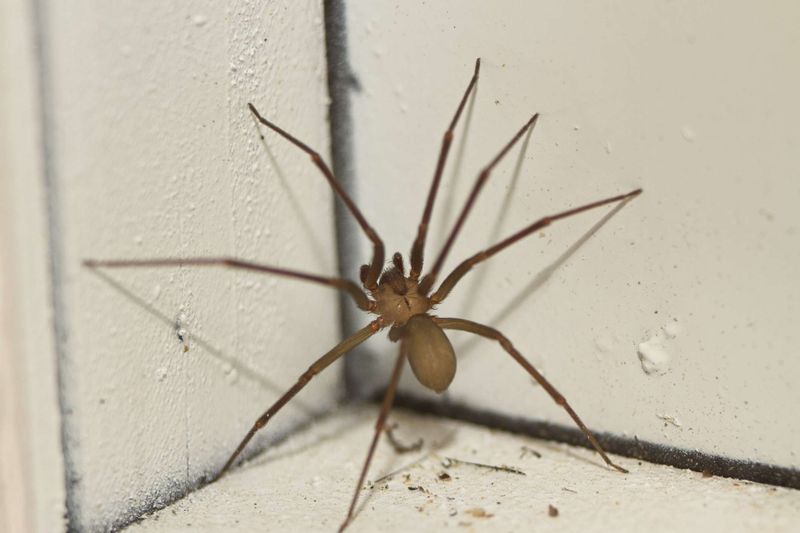
Brace yourself for some good news. The brown recluse is not native to Michigan, and true sightings here are very rare, usually spiders that hitched a ride in boxes or furniture from southern states.
Still, it helps to know the signs. A recluse is tan to light brown with a dark violin shape on its back, the neck of the violin pointing toward the rear.
It has six eyes instead of the usual eight, though you would need a magnifying glass to check.
Plenty of harmless Michigan spiders get mistaken for recluses, so do not panic over every brown spider in the garage. If a bite turns red, blistered, or keeps getting worse, a doctor should take a look.
4. Yellowjackets
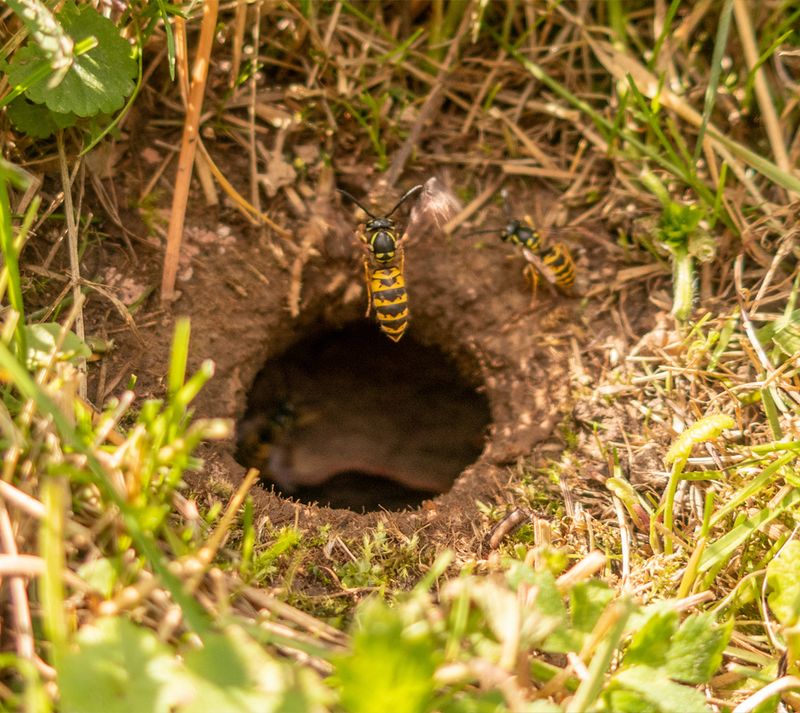
Ask anyone who has mowed over a hidden nest, and they will tell you yellowjackets do not forgive easily. These bright yellow and black wasps are smaller and sleeker than bees, with almost no fuzz on their bodies.
Many yellowjackets build nests underground or tucked inside rotting logs, which makes the bottom of an old woodpile risky. Watch for a steady stream of wasps flying in and out of one spot.
Unlike honeybees, they can sting again and again. By late summer, colonies can hold thousands of workers, and they get grumpier as food runs low.
People with sting allergies should keep an epinephrine pen handy and treat any swelling of the face or throat as an emergency.
5. Bald-Faced Hornet
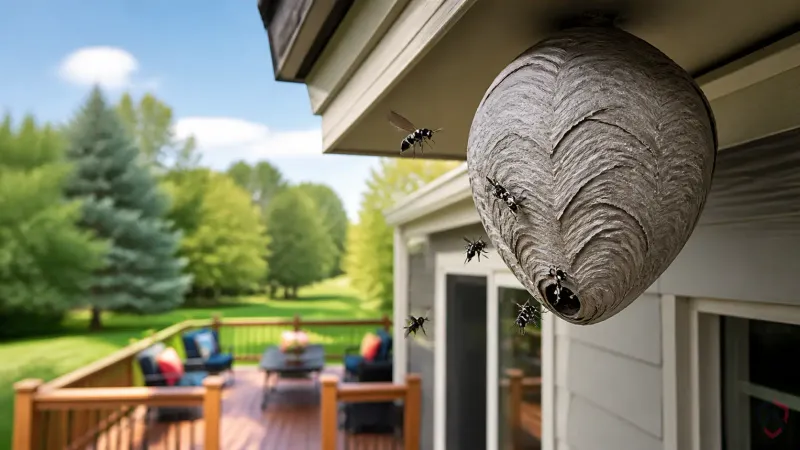
That big gray paper ball hanging from a tree branch? It might look like a decoration, but it belongs to bald-faced hornets.
The nests can grow as large as a basketball by the end of summer.
Despite the name, these insects are actually a type of yellowjacket. You can recognize them by their black bodies and creamy white markings on the face and tail end.
They guard their homes fiercely and may chase intruders for a good distance. Nests sometimes sit low in shrubs or along the side of a shed near firewood.
Leave large nests to a pest professional rather than poking at them with a stick.
6. Eastern Hellgrammite and Biting Centipedes
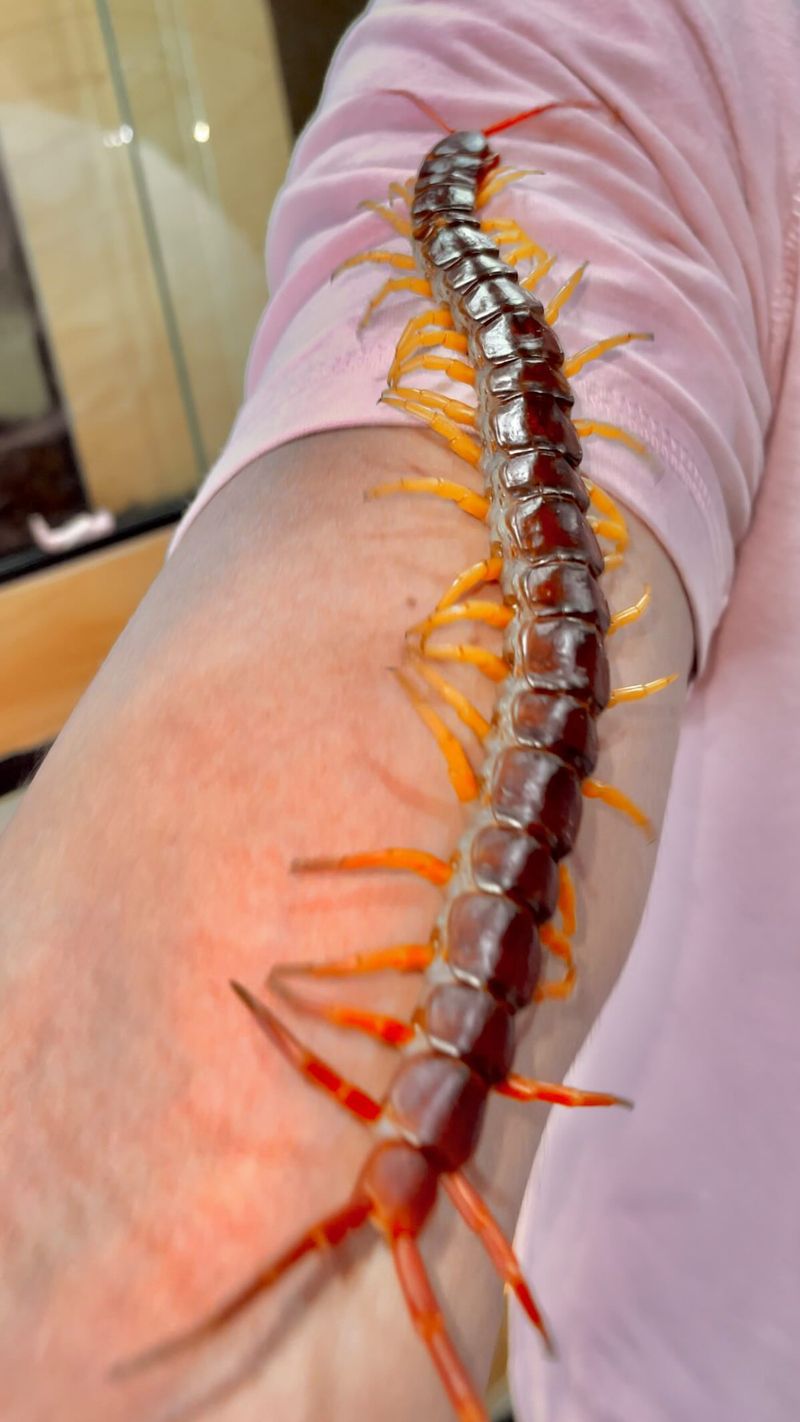
Lift a damp log and something with far too many legs may scurry out. Michigan is home to several centipedes, including stone centipedes and the speedy house centipede, and all of them have tiny venom claws used to catch insects.
For people, a centipede bite usually feels like a bee sting, with some redness and soreness that fades in a day or so. Bites happen mostly when one gets pinched against bare skin.
Centipedes actually help your yard by eating pests like spiders and silverfish. Gloves and a quick shake of each log are all you need to keep things friendly.
7. Stinging Caterpillars
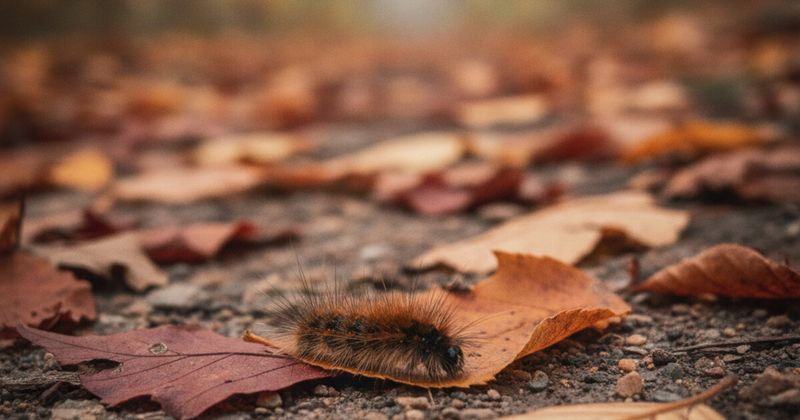
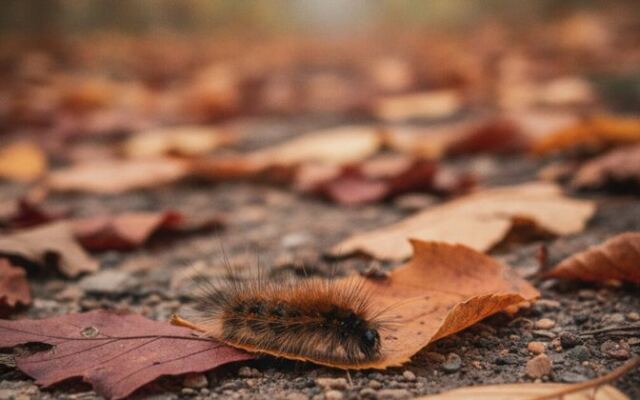
Fuzzy does not always mean friendly. Some Michigan caterpillars carry hairs or spines that release venom when touched, causing burning, itching, or a rash.
The hickory tussock moth caterpillar is a common one, white and fluffy with black tufts. The saddleback caterpillar is rarer but memorable, with a bright green middle that looks like a little saddle and spiky horns on each end.
Kids are often tempted to pick these up, so teach them to look but never touch. If someone does get stung, press tape on the skin to pull out loose hairs, then wash with soap and water.
One last tip covers every creature here: gloves, good shoes, and a slow, careful lift make woodpile chores far safer.
Share this story