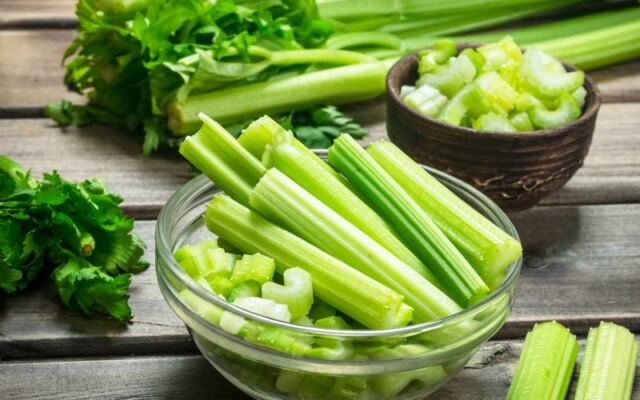
Eating celery every day adds a crunchy, low-calorie vegetable to your meals, along with a little fiber and potassium. It already sits in the classic Louisiana trinity, so you may be eating more of it than you think.
The payoff is real but modest, and it depends on what else is on your plate. Here is what a daily habit can and cannot do.
A daily serving adds a vegetable, not a miracle
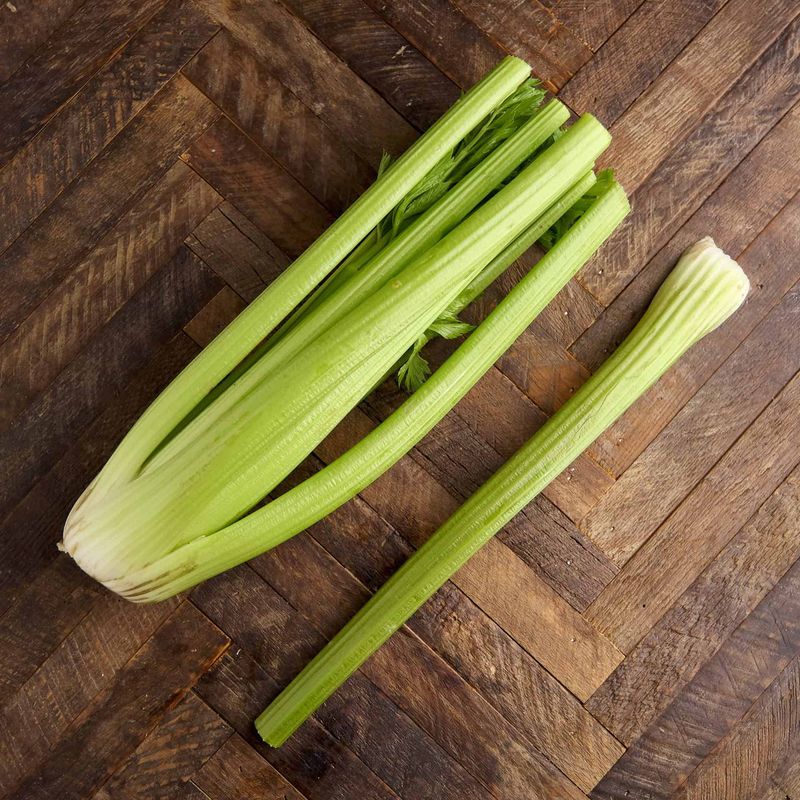
Start with the numbers. USDA nutrient data list about 16 calories, 1.6 g of fiber, and 260 mg of potassium in 100 g of raw celery.
That is roughly a couple of medium stalks, so the amounts are small but real.
Celery is mostly water, which is why it is so light. That crunch gives you volume without many calories.
It also means celery will not carry the nutritional load that a darker, denser vegetable might.
For serving size, USDA household guidance counts one cup of raw celery as one cup of vegetables. So a cup of sliced celery at lunch or in a stir-fry moves you toward your daily vegetable goal.
That is the honest value here: an easy, familiar way to eat one more vegetable.
There is no official daily amount of celery you need to hit. No study has found a magic number of stalks.
Think of it as one good option on a list of vegetables, and feel free to rotate it with carrots, peppers, cucumbers, and greens so your plate stays varied.
Eating celery daily is fine for most people, and it can be a pleasant habit. Just keep your expectations in line with the facts.
A vegetable adds to a healthy pattern; it does not replace one.
Its value may depend on what it replaces

Picture two afternoon snacks. One is a handful of chips, the other is celery sticks with a spoonful of peanut butter.
Swapping the first for the second can trim calories and add a vegetable, but the gain comes from the swap, not from some special celery power.
Celery adds crunch and bulk to a meal. Tossed into tuna salad, soup, or a stir-fry, it makes portions feel bigger without adding much energy.
If the rest of your eating stays the same, the effect on your weight will be small.
You may have heard that celery is a negative-calorie food, meaning chewing and digesting it burns more calories than it holds. That is a myth.
Tufts nutrition experts explain that low-calorie foods can be useful without burning more than they provide.
A small experiment backs that up. Researchers who tested the idea found that eating celery did not produce a negative energy balance.
So a low-calorie food is not a calorie-free one. Dips, dressings, and spreads on the celery count too.
Weight is shaped by your whole eating pattern, and celery helps most when it takes the place of something less nourishing.
Whole stalks and celery juice are not interchangeable
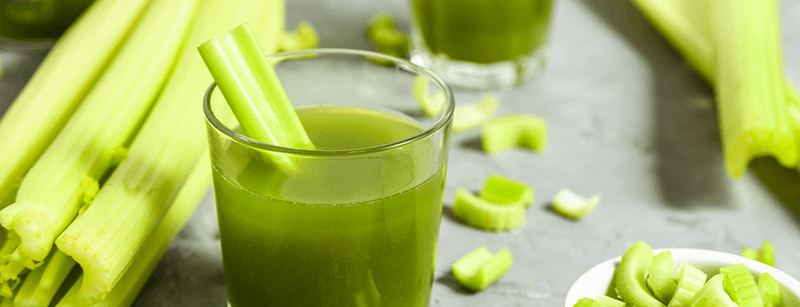
Juice and stalks start from the same plant, but they end up as different foods. When celery is juiced and strained, much of the fiber gets left behind in the pulp.
What is in the glass is mostly liquid, with some of the vitamins and minerals.
Fiber is one of the things whole celery brings to the table. It adds chew, helps you feel satisfied, and supports digestion.
A glass of juice does not do those jobs the same way, even if it looks like a lot of vegetable.
Celery juice is often described online as a must-have morning drink. Oregon State University Extension discusses celery juice and nutrition, and no one has shown that people need to drink it or that it beats eating celery whole.
If you enjoy the taste, a glass of juice is not harmful for most people. Just do not count on it for special benefits.
It also takes many stalks to make a small glass, which can cost more than simply slicing a few stalks for lunch.
For most households, the simplest option is also the best fit: keep celery whole. Chop it into salads, eggs, or soup, or crunch it straight from the fridge, and you keep the fiber that juicing removes.
Can celery lower blood pressure?
Possibly, in some forms, but the proof is not there for everyday stalks. Most of the research looks at celery preparations such as capsules or decoctions, not a stalk on your plate.
Treat the findings as early.
A 2025 meta-analysis pooled randomized studies with 511 participants in total. The celery products, doses, and study lengths varied widely.
The authors reported lower blood pressure, but results differed a lot from study to study, and the samples were small. They called for larger, longer trials.
That kind of variation, which researchers call heterogeneity, makes it hard to say what works for whom. It also means the results cannot be applied to a daily serving of raw celery.
One smaller study is often cited. In a crossover trial of 52 people with hypertension, participants took 1.34 g per day of celery-seed extract for four weeks.
Blood pressure was lower during the extract phase. But that was a concentrated extract, not stalks or juice.
Neither study sets a dose of ordinary celery, and neither is a recommendation to take a supplement. They are also not a reason to change prescribed care.
If you take blood pressure medicine, keep taking it as directed and talk with your clinician before adding any celery supplement.
Celery can still be part of a meal pattern that is kind to your blood pressure, as one of many vegetables. It just should not be asked to do the job of treatment.
Detox and negative-calorie claims go too far
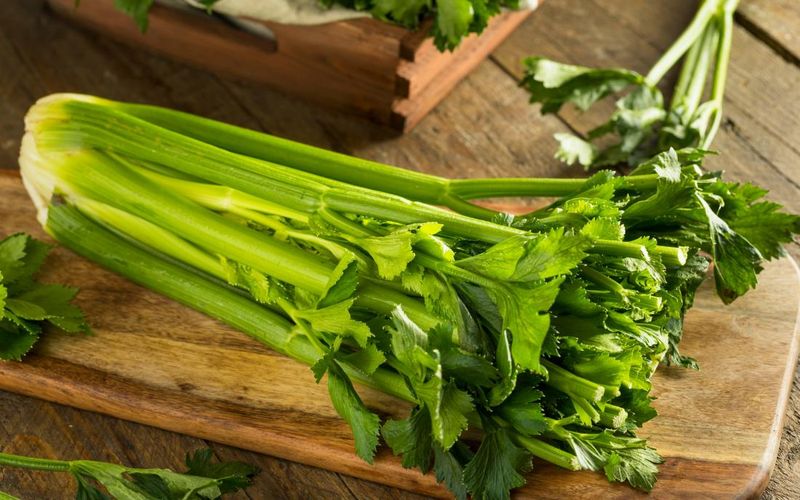
Your liver and kidneys already handle the body’s cleanup work every day. No food has been shown to speed that up, and celery is no exception.
Evidence does not support celery as a detox treatment for the body or the liver.
The National Center for Complementary and Integrative Health says there is no compelling evidence that detox diets remove toxins from the body. A celery cleanse is simply one more version of that idea.
The second claim, that celery burns more calories than it provides, also falls apart. A small experimental study found that eating celery did not create a negative energy balance.
Digesting a food uses only a small share of the energy it contains.
Here is a practical way to tell a fair claim from an inflated one. A fair claim says celery is low in calories and fits easily into meals.
An inflated claim says celery removes toxins, melts fat, or prevents illness.
When you see a promise like that, look for who is making it and what they are selling. Celery is a good vegetable.
It does not need a miracle story to earn a place in your kitchen.
A few people need individualized advice
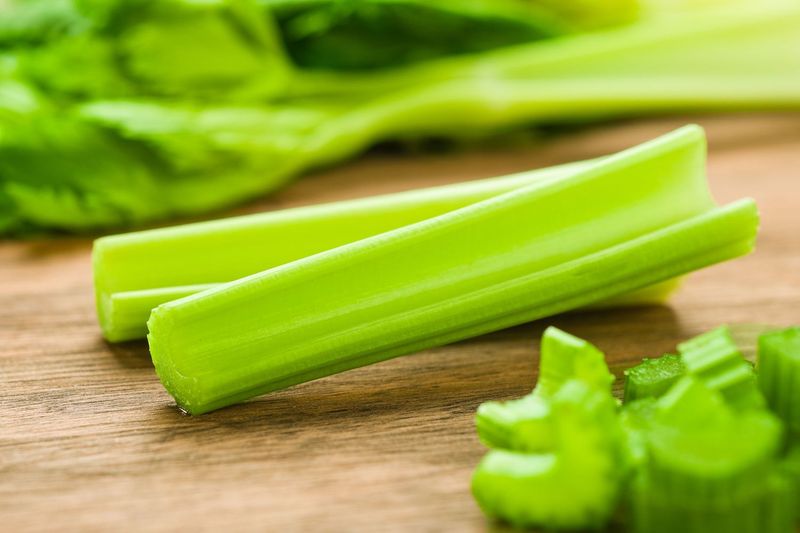
For most people, celery is an easy food. A few situations call for extra care, and they are worth knowing about without worry.
Chronic kidney disease does not automatically mean celery is off the menu. Potassium needs differ with lab results, disease stage, and treatment.
NIDDK guidance advises people with kidney disease to work with a health professional on an individualized eating plan. A dietitian can tell you whether celery fits your numbers.
Celery allergy exists, and rare cases involve severe reactions, including anaphylaxis. Celery contact can also cause photosensitivity, a skin reaction in sunlight.
DermNet describes these as rare reports. If celery has ever made your mouth swell, caused hives, or made breathing hard, get medical advice before eating it again.
Food safety is simple. Wash celery under running water before you cut or eat it.
The FDA advises against using soap, detergent, or commercial produce wash on produce.
Rinsing can reduce bacteria but does not remove every risk. Keep celery refrigerated and use clean cutting boards and knives, and you have covered the basics.
Keep celery in the role of a useful vegetable
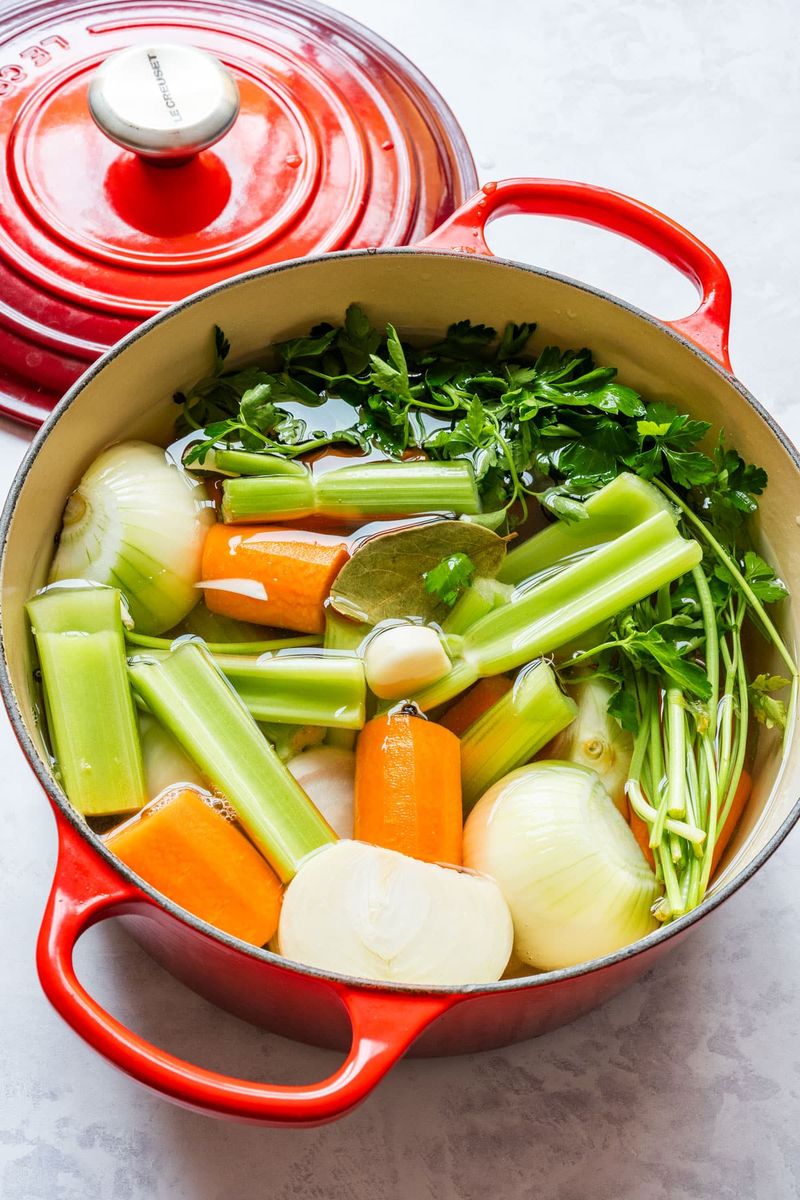
Celery earns its spot as a handy way to add a vegetable. USDA counts a cup toward your daily vegetables, and it slides into soups, salads, and snacks with no fuss.
Do not expect a special detox, weight-loss, or blood-pressure effect from a daily serving. The blood pressure research is early and not about everyday stalks.
Celery is a good supporting player, not the star of the show.
Share this story