Get the latest garden guides in your inbox →
Gardening Latest
  • General Gardening
  • Lawn Care
  • Plant Care
  • Composting
  • Soil Health
  • Backyard
  • Garden Muse Magazine
  • General Gardening
  • Lawn Care
  • Plant Care
  • Composting
  • Soil Health
  • Backyard
  • Garden Muse Magazine
  • News
  • Gardening Calendar
  • Garden Structures
  • Vegetable Garden
  • Vertical Garden
  • Raised Beds
  • Hydroponics
  • General Equipment
  • Community Gardens
Garden Themes
  • Spiritual Garden
  • Hydroseeding
  • Seeding and Laying Sod
  • Artificial Grass
  • Lawn Care Equipment
  • Plants
  • Trees
  • Planting Tools
  • Composting Basics
  • Fertilizer
  • Alternative Growing Mediums
  • Front Yard
  • Backyard Activities
  • Landscaping
Gardening Latest

Explore by state

Which state is your garden in?

Currently viewing Louisiana

All states

Northeast

  • Connecticut —
  • Delaware 45
  • Maine —
  • Maryland 31
  • Massachusetts 47
  • New Hampshire —
  • New Jersey 31
  • New York 40
  • Pennsylvania 40
  • Rhode Island —
  • Vermont —

Southeast

  • Alabama 31
  • Arkansas —
  • Florida 31
  • Georgia 31
  • Kentucky 45
  • Louisiana 30
  • Mississippi —
  • North Carolina 29
  • South Carolina 44
  • Tennessee 28
  • Virginia 30
  • West Virginia —

Midwest

  • Illinois 30
  • Indiana 32
  • Iowa 44
  • Kansas —
  • Michigan 31
  • Minnesota 30
  • Missouri 30
  • Nebraska —
  • North Dakota —
  • Ohio 31
  • South Dakota —
  • Wisconsin 45

Southwest

  • Arizona 30
  • Colorado —
  • Nevada —
  • New Mexico —
  • Oklahoma —
  • Texas 29
  • Utah —

West

  • Alaska —
  • California 30
  • Hawaii —
  • Idaho —
  • Montana —
  • Oregon —
  • Washington —
  • Wyoming —

No state matches that search.

Site menu

Gardening Latest
  • General Gardening
    • News
    • Gardening Calendar
    • Garden Structures
    • Vegetable Garden
    • Vertical Garden
    • Raised Beds
    • Hydroponics
    • General Equipment
    • Community Gardens
    Garden Themes
    • Spiritual Garden
  • Lawn Care
    • Hydroseeding
    • Seeding and Laying Sod
    • Artificial Grass
    • Lawn Care Equipment
  • Plant Care
    • Plants
    • Trees
    • Planting Tools
  • Composting
    • Composting Basics
  • Soil Health
    • Fertilizer
    • Alternative Growing Mediums
  • Backyard
    • Front Yard
    • Backyard Activities
    • Landscaping
  • Garden Muse Magazine

Explore

  • About GardeningLatest.com
  • Contact Us

Get the latest from the garden

New guides on lawn care, plants and backyard projects, sent when they go up.

Subscribe →

Follow

  • Facebook
  • X
  • Pinterest
  • YouTube
Louisiana Gardening

Once Fall Cools Off, The Copperheads And Brown Recluses In Louisiana Yards Get Easier To Spot

When the first cool front rolls across Louisiana, a lot of things change in the backyard.

CB

By Celeste Boudreaux

November 28, 2026 · 5 min read

Once Fall Cools Off, The Copperheads And Brown Recluses In Louisiana Yards Get Easier To Spot

When the first cool front rolls across Louisiana, a lot of things change in the backyard. Snakes and spiders that hid all summer start moving around more, and some of them head right toward our homes, sheds, and woodpiles.

Copperheads and brown recluses are two of the most common ones, and both can deliver a painful bite. Knowing where and why they show up in fall can help you keep your family and pets safe.

At a glance

Where
Louisiana Gardening
Hardiness zone
9 20 to 30°F
Read
5 minutes
Published
November 28, 2026

1. Why Cooler Weather Brings Them Out

Why Cooler Weather Brings Them Out
© naturewhithmichael

Picture a crisp October morning in Baton Rouge, the kind where you finally open the windows. The critters outside notice that drop in temperature too.

Copperheads and brown recluses both respond to fall in ways that put them closer to people.

Copperheads become more active during the day once summer heat fades. In July they often hunt at night, but cooler afternoons let them bask and roam in daylight, right when you are raking or gardening.

They are also searching for winter dens.

Brown recluses react a little differently. As outdoor temps fall, they look for sheltered, stable places, and your garage, attic, or closet fits the bill nicely.

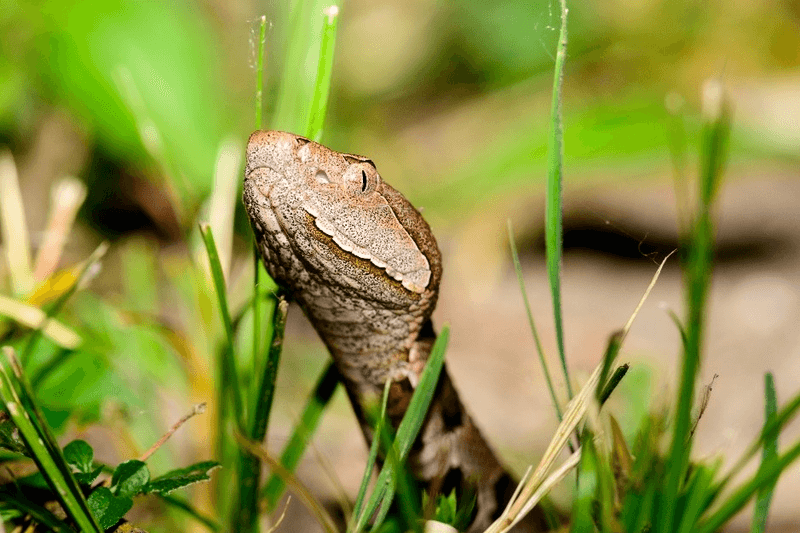
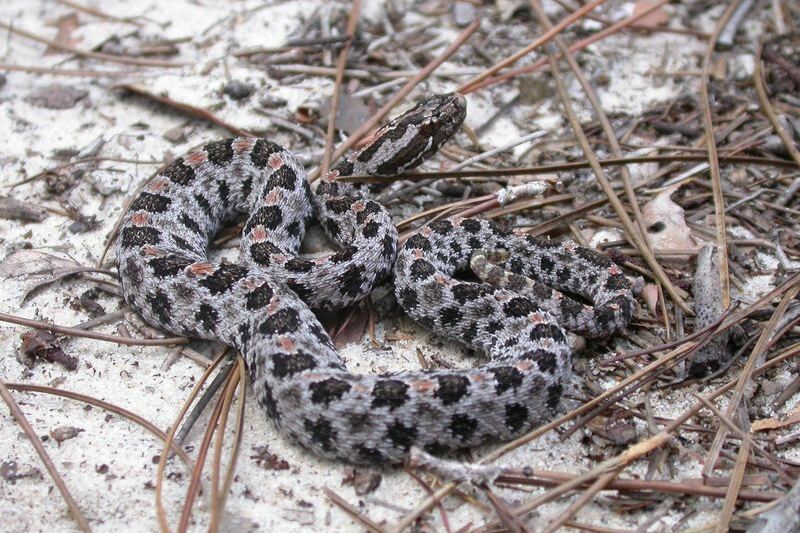
2. Spotting a Copperhead by Its Pattern
Spotting a Copperhead by Its Pattern
© jb_martineau

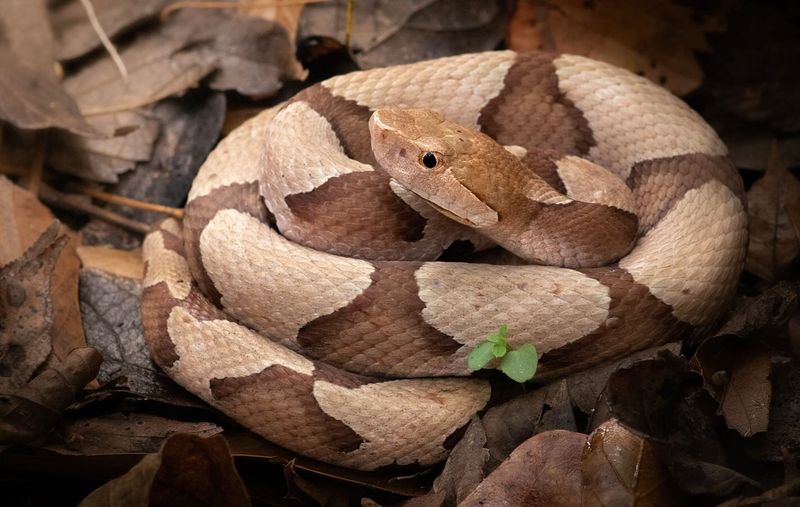
Hourglass shapes. That is the single clue most herpetologists will tell you to remember.

Copperheads carry dark, chestnut bands that are wide on the sides and narrow across the back, like a row of Hershey’s Kisses seen from above.

Their base color runs from pinkish tan to coppery orange, and their heads are a solid, unmarked copper. Young ones have a bright yellow or greenish tail tip they wiggle to lure frogs.

Here is the tricky part: that pattern was built for hiding in dead leaves. In fall, when yards fill with fallen oak and pecan leaves, a copperhead can lie inches from your shoe and look like part of the ground.

Slow down and scan before you reach.

3. Recognizing a Brown Recluse
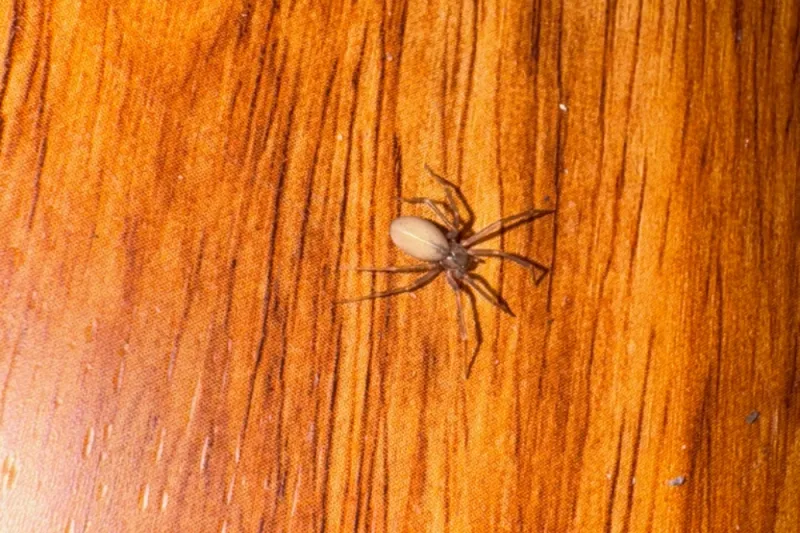
Recognizing a Brown Recluse
© Insectio

Plenty of Louisiana homeowners have squished a harmless house spider and called it a recluse. Getting the ID right matters, so look for three things.

First, a dark violin shape on the back, with the neck pointing toward the rear. Second, legs that are evenly tan with no stripes or spines.

Many older Louisiana homes sit raised on piers, and that shady crawl space underneath is prime real estate in autumn.

Third, and most reliable, six eyes arranged in three pairs instead of the usual eight.

Adults are about the size of a quarter including legs. They are shy and not aggressive, so most bites happen when one gets pressed against skin, like inside a glove or a shoe.

4. Leaf Piles and Mulch Beds
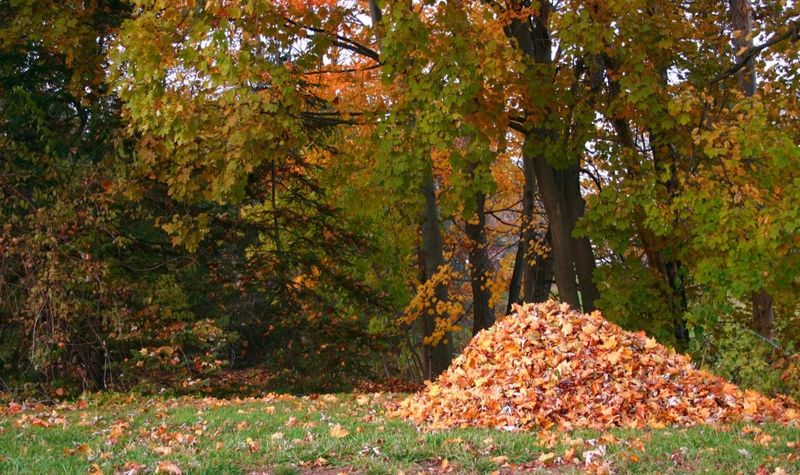
Leaf Piles and Mulch Beds
© Best Life Online

Raking feels productive, right? Then that tidy pile sits by the fence for two weeks and turns into a five-star hotel for wildlife.

Leaf piles hold warmth and moisture, which draws frogs, insects, and small rodents. Copperheads follow the food.

Thick mulch beds near your foundation do the same thing, especially when they are pine straw or deep bark.

Bag or compost leaves quickly instead of letting them linger. Keep mulch two to three inches deep and pulled back from doorways, and always use a rake rather than bare hands when moving debris.

5. Woodpiles and Firewood Stacks
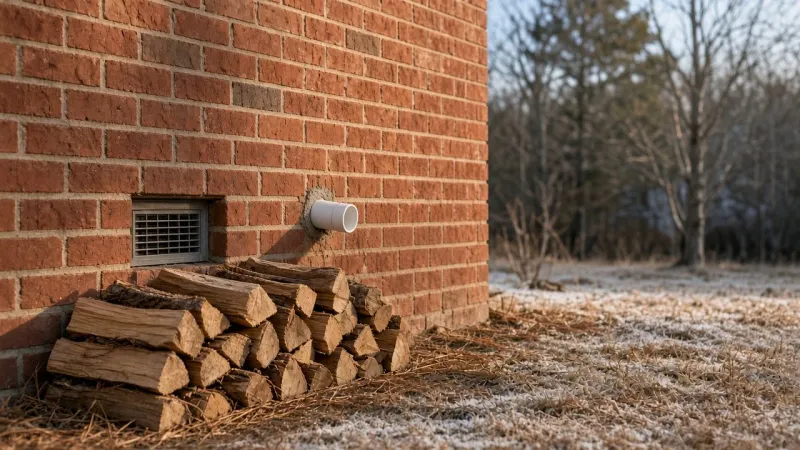
Woodpiles and Firewood Stacks
© Red Mountain Pest

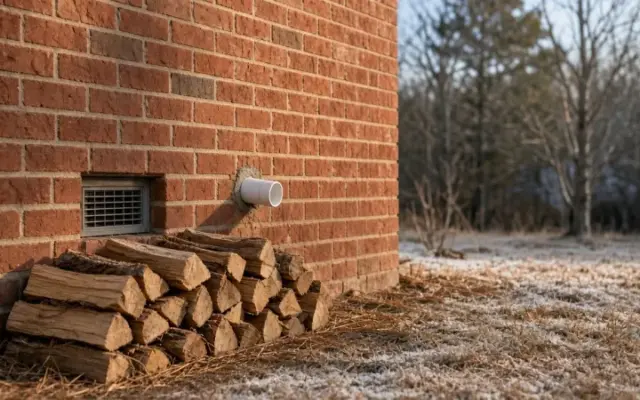
Grandpa always said to knock a log twice before carrying it in, and he was onto something. Firewood stacks are favorite hangouts for both of our troublemakers.

Copperheads slip into gaps between logs to stay warm and hunt mice. Brown recluses tuck themselves into bark crevices, and they ride right into your living room with the wood.

Store firewood at least 20 feet from the house on a raised rack. Wear thick leather gloves, and bring in only what you will burn that day.

6. Garages, Sheds, and Attics
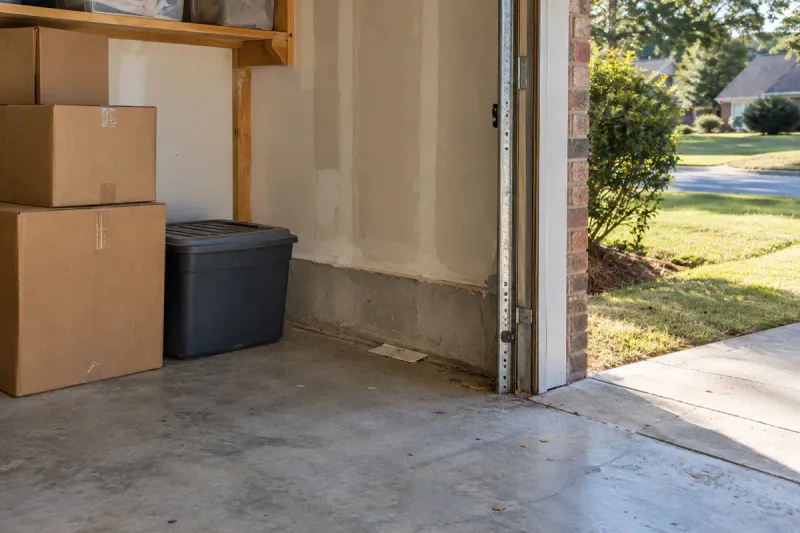
Garages, Sheds, and Attics
© Pest Control in Allen, TX

Cardboard boxes are basically recluse condos. Once nights dip into the 50s, these spiders move indoors and settle into quiet storage spaces.

Garages, sheds, and attics offer clutter, darkness, and few disturbances. Recluses love the folds of boxes, old clothing, and holiday decorations you only touch once a year.

Swap cardboard for sealed plastic bins. Shake out stored items before using them, and place sticky traps along walls to see what is living there.

Copperheads may also wander into sheds through gaps under doors, so seal those openings with weatherstripping.

7. Foundation Cracks and Crawl Spaces
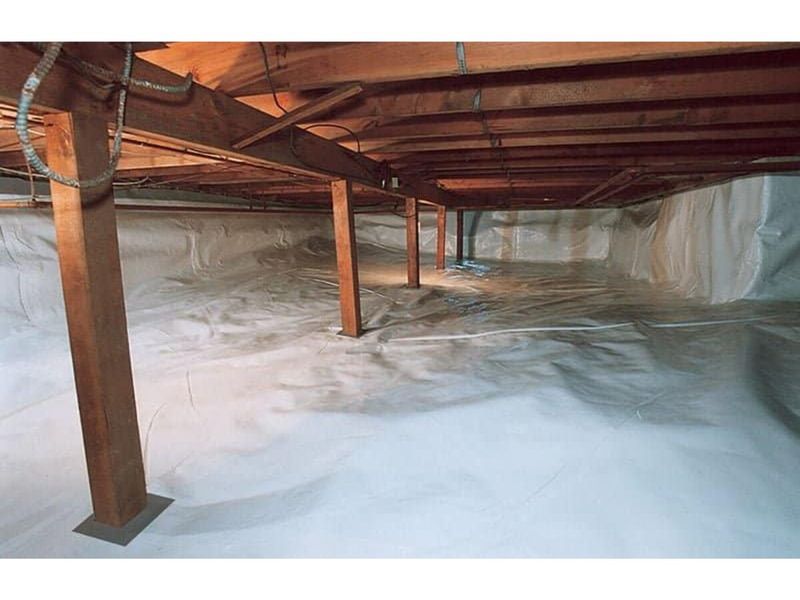
Foundation Cracks and Crawl Spaces
© McCall Service

Many older Louisiana homes sit raised on piers, and that shady crawl space underneath is prime real estate in autumn. Copperheads sometimes den there for winter, and spiders find easy routes up into the house.

Walk your foundation with a flashlight on a cool weekend. Look for broken vents, gaps around pipes, and loose lattice skirting.

Hardware cloth with quarter-inch openings blocks snakes without stopping airflow. Caulk small cracks, and you will cut off a lot of spider traffic too.

8. Gloves, Boots, and a Flashlight
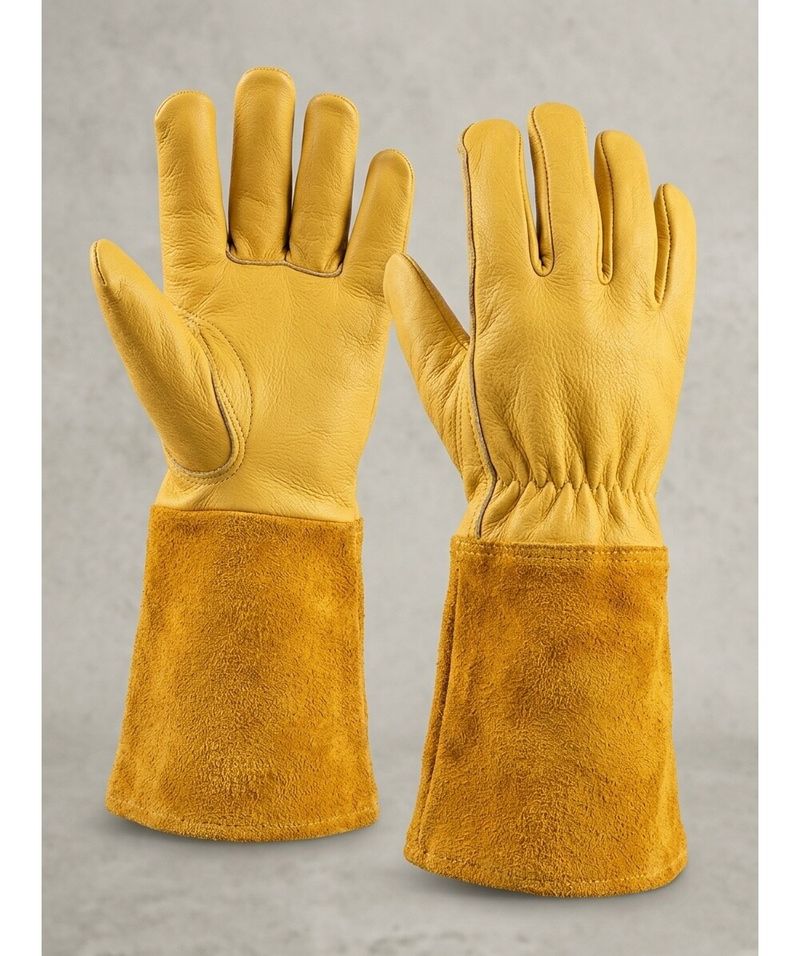
Gloves, Boots, and a Flashlight
© Lowe’s

Fun fact: most copperhead bites happen on hands and feet. That tells you exactly where to focus your protection.

A pair of sturdy leather gloves handles yard work and woodpiles. Tall boots shield ankles when you walk through tall grass or clear brush.

A bright flashlight is your best friend after sunset, when copperheads still move on mild evenings.

For recluses, the rule is simple. Shake out boots, gloves, and jackets that sat in the garage before slipping them on.

9. What to Do After a Bite

What to Do After a Bite
© Raleigh (N.C.) News and Observer

Stay calm. That advice sounds cheesy, but panic speeds up your heart and makes everything harder.

For a copperhead bite, call 911 or get to an ER. Remove rings and tight clothing, keep the limb still and around heart level, and skip the old tricks like cutting, sucking, or ice.

Copperhead venom is rarely deadly, yet it causes serious pain and swelling that doctors should treat.

Recluse bites often go unnoticed at first. Clean the spot, apply a cool cloth, and see a doctor if redness spreads or a sore forms.

The Louisiana Poison Center at 1-800-222-1222 can guide you any time.

10. Living Alongside Them Respectfully
Living Alongside Them Respectfully
© Prince William Times

Copperheads eat mice and cicadas, and recluses snack on silverfish and crickets. As creepy as they seem, both play a role in keeping pests in check.

If you see a copperhead in the yard, back away and give it room. Most bites happen when people try to kill or move snakes.

A wildlife removal pro can relocate one that will not leave.

With smart cleanup, good storage habits, and a watchful eye, you can enjoy those sweet Louisiana fall days without unwanted surprises.

Share this story
CB

Written by

Celeste Boudreaux

More from Celeste Boudreaux →

About Gardening Latest

Gardening Latest provides in-depth guides to maintaining and enhancing your garden and backyard. Learn how to make the most of the space you have and create a beautiful garden.

More about us →

Latest stories

  • Missouri GardeningIf Your Missouri Woodpile Sits Against the House, You’re Inviting Brown Recluses Indoors This Winter

    If Your Missouri Woodpile Sits Against the House, You’re Inviting Brown Recluses Indoors This Winter

    4 min ago
  • Tennessee GardeningBefore You Dig In, Here’s How To Recognize Every Venomous Creature Sharing Your Tennessee Yard

    Before You Dig In, Here’s How To Recognize Every Venomous Creature Sharing Your Tennessee Yard

    10 min ago
  • Alabama GardeningThat Burning Saddleback Caterpillar Sting in Your Alabama Garden Calls for These Steps Right Away

    That Burning Saddleback Caterpillar Sting in Your Alabama Garden Calls for These Steps Right Away

    16 min ago
  • Minnesota GardeningBefore You Pick Up That Big Black Caterpillar With White Spots In Minnesota, Read This

    Before You Pick Up That Big Black Caterpillar With White Spots In Minnesota, Read This

    22 min ago
  • Illinois GardeningDeer Are Rubbing Their Antlers on Your Illinois Saplings Right Now, and Here’s How to Save Them

    Deer Are Rubbing Their Antlers on Your Illinois Saplings Right Now, and Here’s How to Save Them

    28 min ago

Gardening by state

Stories for your state, and the hardiness zone most of it gardens in.

Keep exploring

Read next

All Louisiana Gardening →
Louisiana GardeningLouisiana’s Venomous Critters Are Hiding In Your Yard, And Fall Is When They Come Out
Louisiana Gardening

Louisiana’s Venomous Critters Are Hiding In Your Yard, And Fall Is When They Come Out

34 min ago
Louisiana GardeningCelery Is Already In Your Trinity, Louisiana — Here’s What Eating It Daily Does To Your Body
Louisiana Gardening

Celery Is Already In Your Trinity, Louisiana — Here’s What Eating It Daily Does To Your Body

6 hr ago
Louisiana GardeningYour Louisiana Garden Beds Are Winter Hunting Ground for a Tiny Mammal With a Venomous Bite
Louisiana Gardening

Your Louisiana Garden Beds Are Winter Hunting Ground for a Tiny Mammal With a Venomous Bite

9 hr ago

More from Louisiana Gardening

  • Fire Ants Rebuild Their Mounds Fast After a Louisiana Downpour, and It Says a Lot About Your Yard

    Nov 27
  • Louisiana Law Lets You Make Your Neighbor Trim Branches Hanging Over the Property Line, at Their Own Expense

    Nov 26
Back to top

Leave a response Cancel

Your email address stays private. Required fields are marked with an asterisk.

Gardening Latest

In-depth guides to maintaining and enhancing your garden and backyard: how to make the most of the space you have, and how to make it beautiful.

  • Facebook
  • X
  • Pinterest
  • YouTube

We may earn a portion of sales from products or services that are purchased through our site as part of our affiliate partnerships with retailers.

Explore

  • About GardeningLatest.com
  • Contact Us
  • Terms and Conditions
  • Privacy
  • Editorial Note:
  • FTC Disclosure

Newsletter

New garden guides and seasonal tips, straight to your inbox.

We’ll email you a link to confirm. Unsubscribe any time.

Almost there! Check your inbox and tap the link to confirm.

© 2026 Gardening Latest. All rights reserved.

Back to top