When the air finally cools off in Louisiana, people head outside to rake leaves, clean gutters, and pull out holiday boxes from the shed. Lots of venomous critters have the same idea, moving around more as they hunt, mate, or look for a warm place to spend winter.
Knowing who might be hiding under that woodpile or inside that old boot can save you a painful bite or sting. Here are ten creatures worth watching for once fall rolls in.
1. Southern Copperhead

Picture a pile of fallen oak leaves. Now picture a snake that looks exactly like that pile, and you have the copperhead, Louisiana’s master of disguise.
Copperheads are responsible for more bites in the state than any other snake, mostly because people step near them without seeing them. Fall is a busy season, since young copperheads are born in late summer and early autumn, and adults are moving toward winter dens.
Look for the tan body with darker hourglass bands that are wide on the sides and narrow on the back.
The good news is that their venom is rarely deadly to healthy adults. A bite still hurts badly and needs a trip to the ER, so wear gloves and boots when clearing leaves.
Fun fact: baby copperheads have bright yellow tail tips they wiggle to lure frogs closer.
2. Cottonmouth
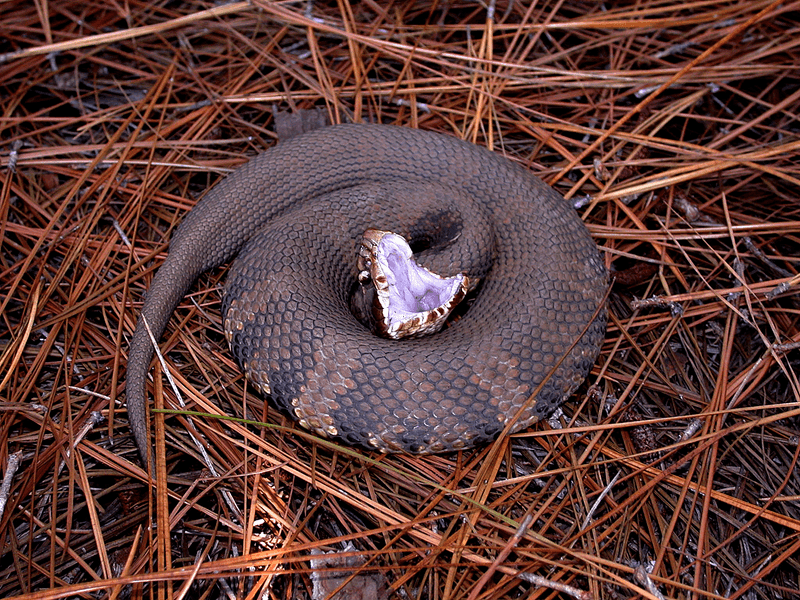
Open wide! That is the cottonmouth’s favorite warning, a gaping mouth that flashes cotton-white to tell you to back off.
Living near a bayou, pond, or drainage ditch means cottonmouths may be closer than you think. In fall they leave the water more often, traveling across lawns toward places to spend the cooler months, like stump holes and burrows.
They are heavy-bodied, dark olive to nearly black, with a thick head and a dark stripe through the eye.
Their reputation for chasing people is mostly a myth. Most just hold their ground or slip away.
Give them space, never try to kill one with a shovel, and keep grass trimmed near water edges so you can see where you walk.
3. Timber Rattlesnake
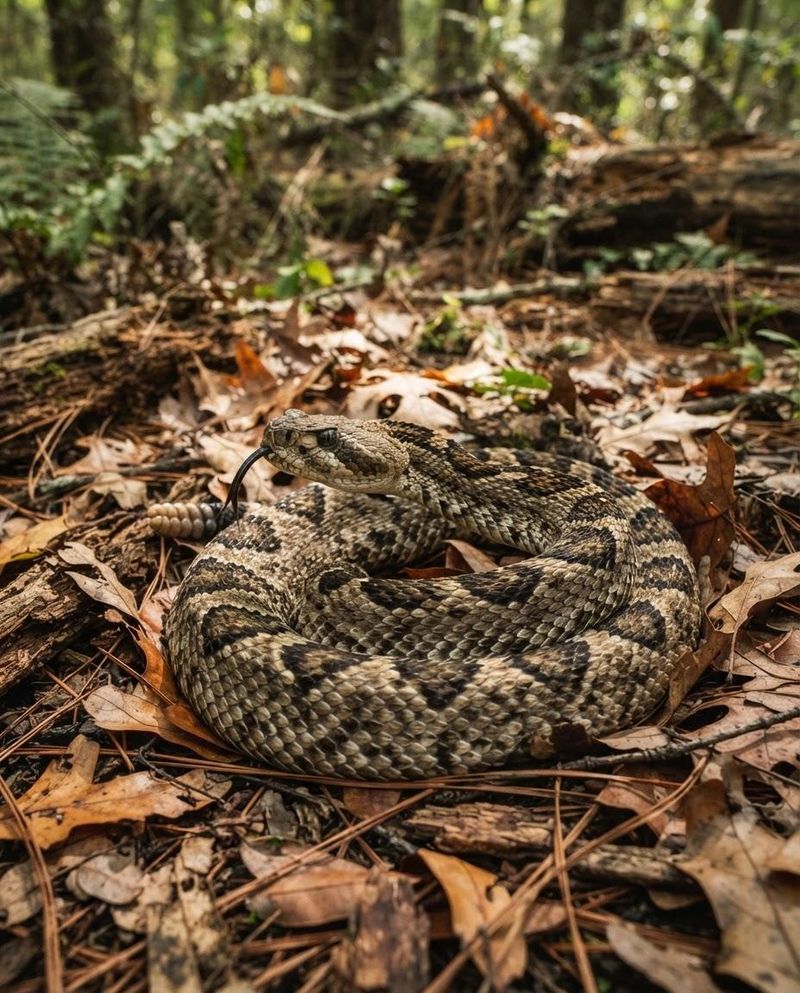
Locals often call it the canebrake rattler, and it is one of the largest venomous snakes you will find in Louisiana. Some grow past five feet long.
Its colors are lovely in an unsettling way: pinkish gray or tan, dark zigzag bands, a rusty stripe down the back, and a velvety black tail ending in a rattle. Autumn is mating and denning season, so timber rattlers travel more and may cross yards that border woods.
Most of the time, these snakes are calm and would rather sit still than strike. Their venom is powerful, though, so any bite is a true emergency.
If you hear that dry buzzing sound, freeze, locate the snake, and step slowly away.
4. Pygmy Rattlesnake
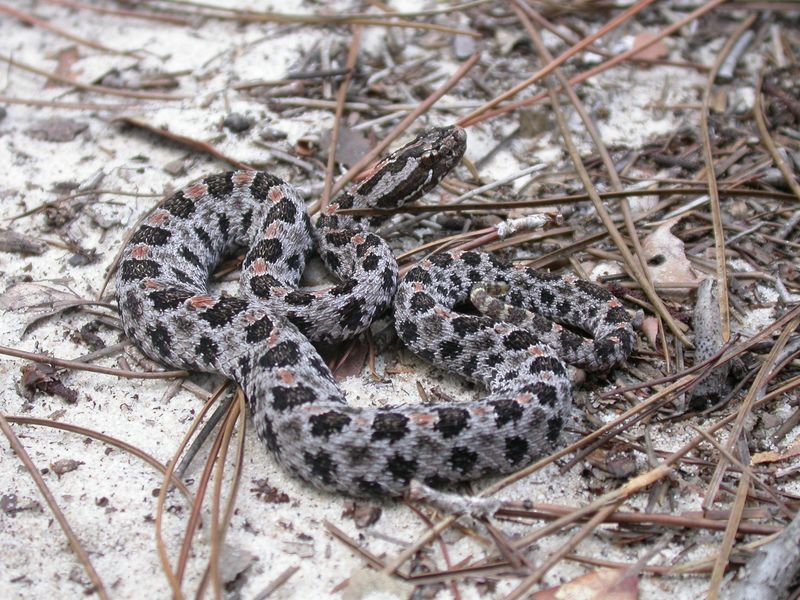
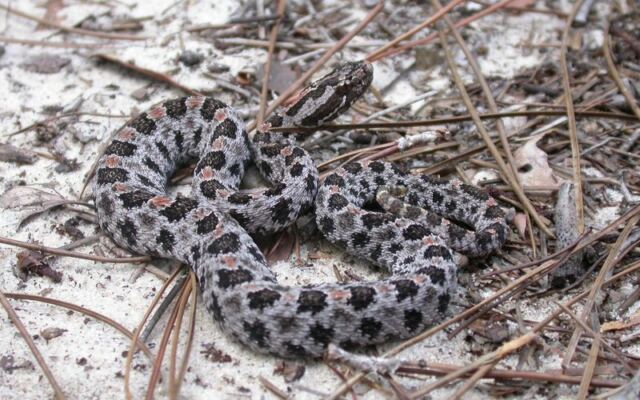
Small does not mean harmless. The pygmy rattlesnake usually stays under two feet, and its tiny rattle sounds more like a buzzing insect than a warning.
Many people never hear it at all. Pygmies like pine straw, flower beds, and leaf litter, which makes fall yard work a prime time for surprise encounters.
Look for a grayish body with dark round spots and a reddish-orange stripe down the middle of the back.
Bites are rarely life-threatening for adults but can cause serious pain and swelling. Kids and pets are more at risk.
Wearing sturdy shoes instead of sandals when gardening is a simple habit that goes a long way.
5. Texas Coral Snake
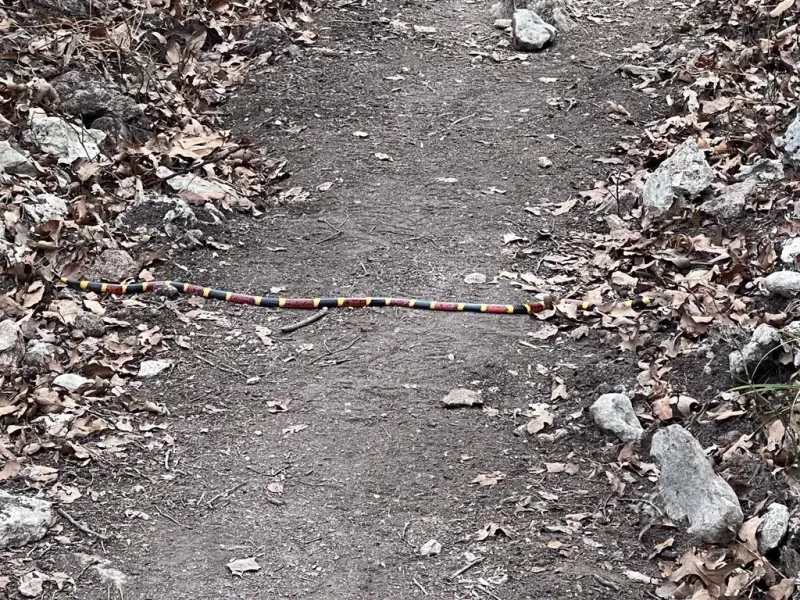
Red touches yellow, kills a fellow. Red touches black, friend of Jack.
Plenty of Louisiana grandparents taught that rhyme, and it still works for coral snakes found here.
The coral snake is shy and spends most of its life hidden under leaves, logs, and mulch. Cool, damp fall days can bring it to the surface, especially after rain.
It has bright bands of red, yellow, and black, with red and yellow bands touching each other.
Its venom affects the nervous system, and symptoms can be delayed for hours, so never wait to see if you feel sick. Get to a hospital right away.
Thankfully, bites are very rare since this snake would much rather hide than fight.
6. Southern Black Widow
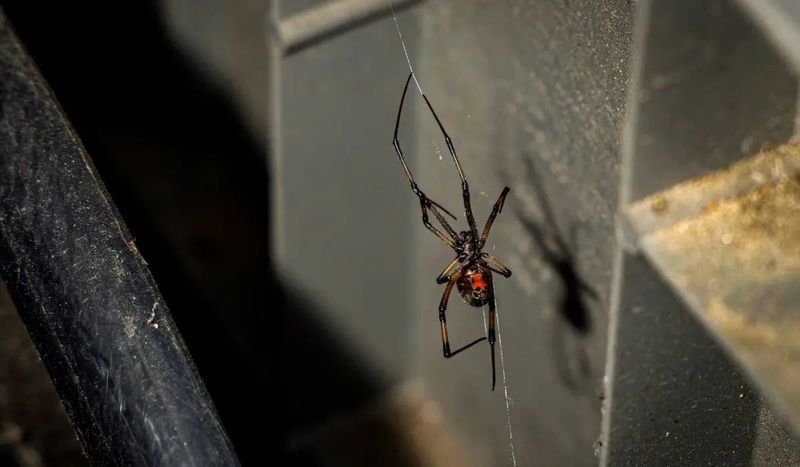
Shiny, black, and wearing a red hourglass like a warning label, the southern black widow is easy to recognize once you see her belly.
Widows love dark, quiet spots: under deck boards, inside meter boxes, around stacked flower pots, and behind patio furniture. When fall arrives, many people start pulling out stored items and reaching into places that have not been touched for months.
That is exactly when bites happen.
A bite may feel like a pinprick at first, then lead to cramping muscles and sweating. Most healthy adults recover with medical care.
Shake out gloves, use a flashlight before reaching into corners, and knock down messy, tangled webs with a broom.
7. Brown Recluse
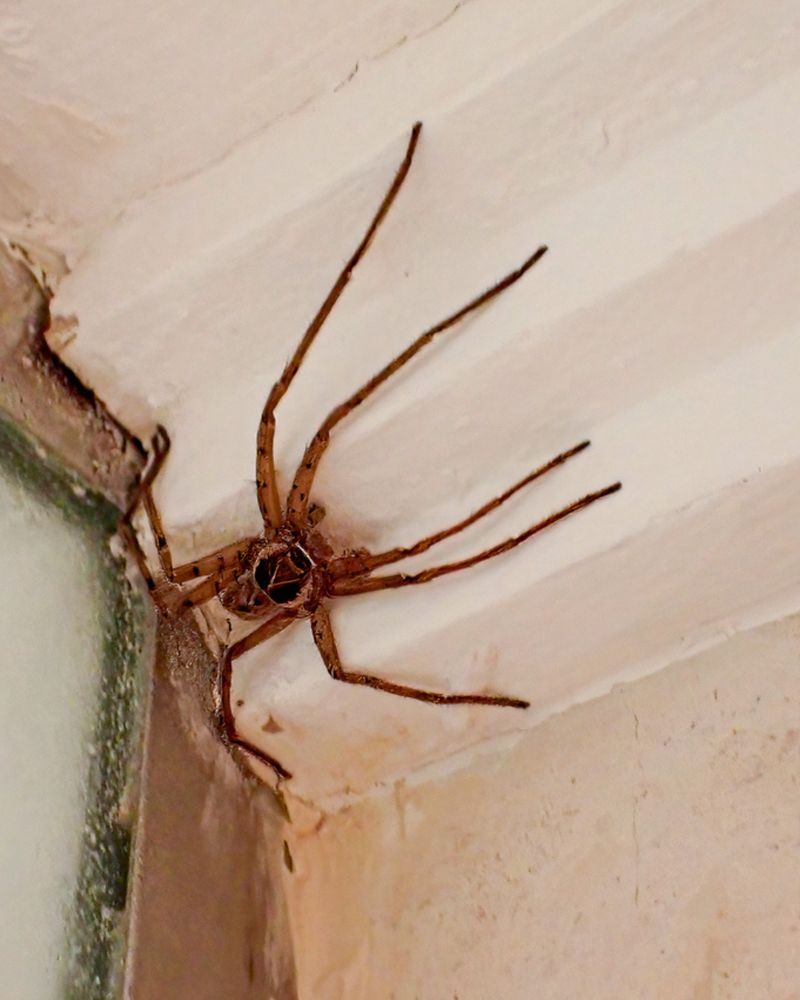
Ever packed holiday decorations in cardboard boxes in the garage? The brown recluse would like to thank you for the cozy apartment.
Tan to brown with a dark violin shape on its back, this spider earns its name by staying out of sight. As nights cool off, recluses may wander indoors looking for warmth, tucking themselves into closets, shoes, and folded clothes.
Many bites cause only mild redness, but some lead to a slow-healing wound that needs a doctor. Switch to sealed plastic bins, shake out clothing left on the floor, and keep beds pulled away from walls.
Fun fact: recluses have six eyes instead of the usual eight.
8. Southern Flannel Moth Caterpillar
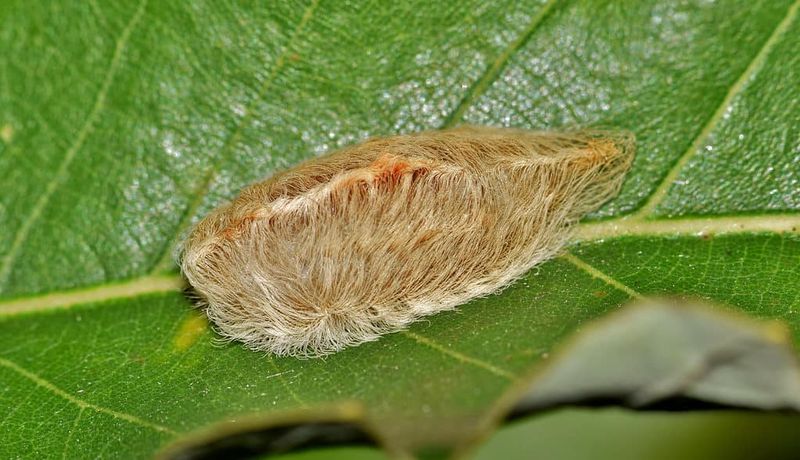
It looks like a tiny fluffy toupee crawling across a leaf. Kids want to pet it.
Please do not let them.
The puss caterpillar, larva of the southern flannel moth, hides venomous spines under all that soft fur. A brush against your skin can cause burning pain, a grid-like rash, and sometimes nausea or headache.
Louisiana often sees a second wave of these caterpillars in early fall on oaks, elms, and shrubs near playgrounds.
If you get stung, use tape to gently lift out the spines, then wash the spot and apply ice. Seek care if pain spreads or breathing feels off.
Teaching kids a firm look but do not touch rule for fuzzy caterpillars works wonders.
9. Red Imported Fire Ant
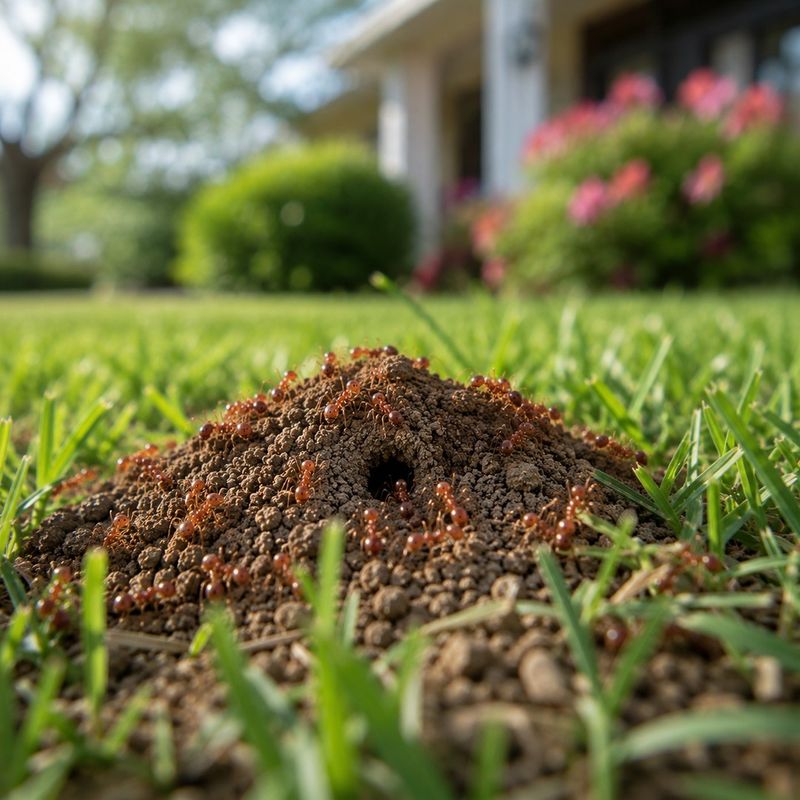
Step on the wrong mound and you will know it in about three seconds. Fire ants do not bite once.
They grab on and sting again and again.
These reddish ants arrived in the United States through ports along the Gulf Coast and now live almost everywhere in Louisiana. Fall rains make their mounds pop up across lawns, ballfields, and garden beds, and colonies are busy building up before winter.
Stings leave white pustules that itch for days, and some people have serious allergic reactions. Treat mounds with bait in fall when ants are actively foraging.
If someone gets swollen lips or trouble breathing after stings, call 911.
10. Yellowjacket
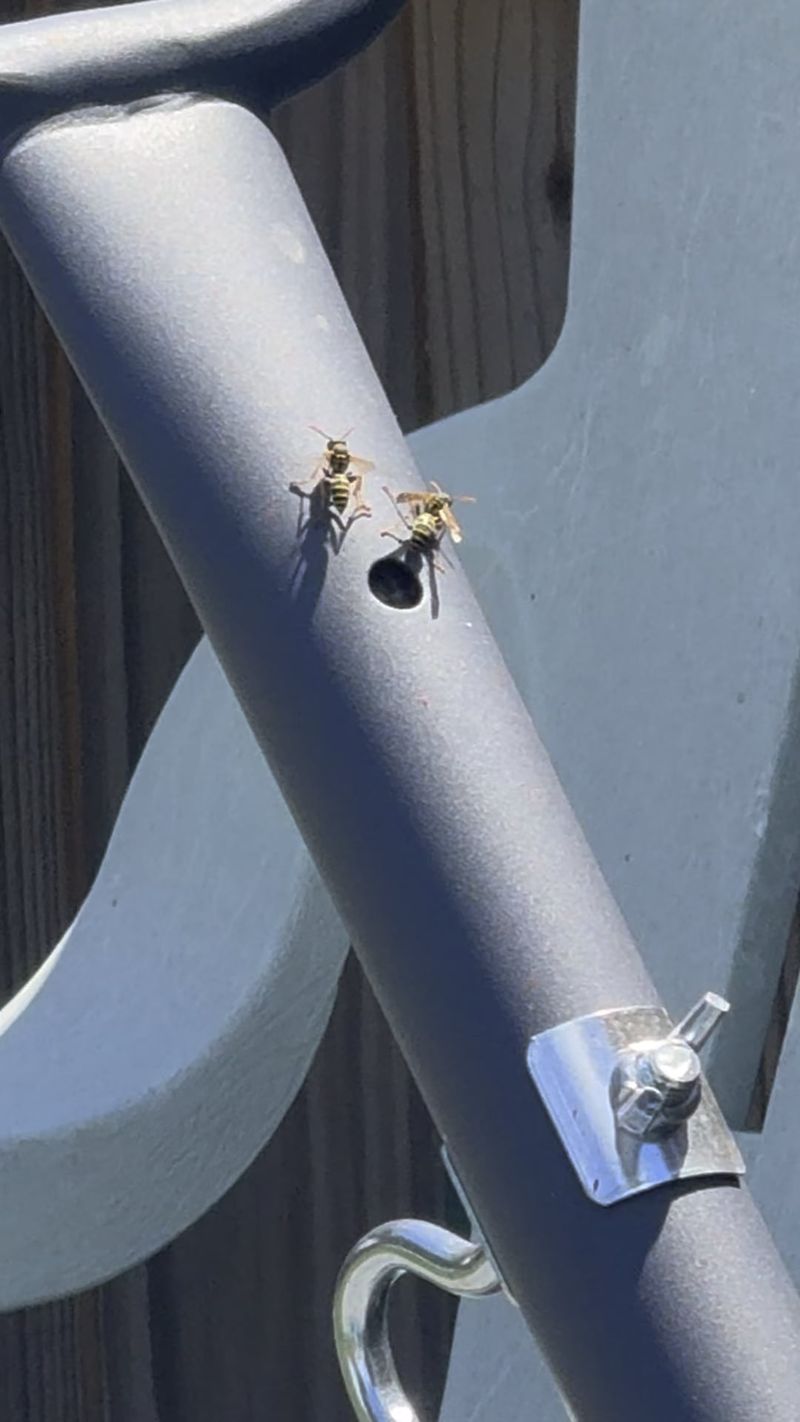
Tailgate season and yellowjacket season are basically the same thing in Louisiana. By fall, colonies have grown huge, and the workers get pushy about sweets.
Unlike honeybees, yellowjackets can sting more than once. Many nest underground, so mowing over a hidden hole can send a whole squadron after you.
They also crawl into open soda cans, which leads to stings on the lips or tongue.
Use cups with lids at outdoor events, keep trash sealed, and watch for wasps flying in and out of a spot in the ground. Call a pro for large nests.
Anyone with known allergies should keep an epinephrine auto-injector close by.
Share this story