
If you are looking for the best way to fertilize your garden and improve your soil then manure and compost are two of the most common options that you can use. But what are the key differences between the two? And which would work best for your garden
Both are natural fertilizers, manure being derived from animal feces, urine, and other dropping and, compost from organic materials that can be decomposed, such as grass, leaves, and table scraps. Each has its own pros and cons, so it’s important to know what you’re working with before you start. Keep reading to learn everything you need to know about manure vs compost.
Manure and compost differ in terms of nutrients, speed of nutrient release, and safety. Manure is richer in nutrients and releases them more quickly than compost, making it better for quick-growing plants. However, manure can also contain harmful bacteria that can contaminate food crops, so it must be used with care. Compost is slower to release nutrients, but it is safer to use around food crops.
What Are the Differences Between Manure and Compost?
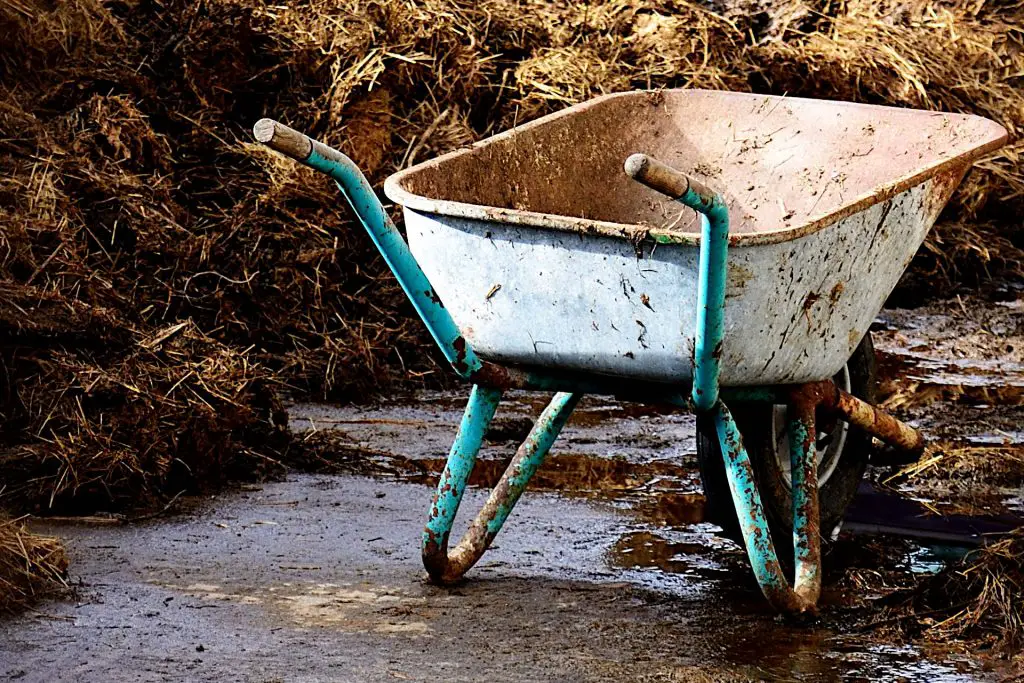
Manure and compost are both organic products, manure being made up of animal waste, while compost is made up of plant matter and other organic scraps. Some less experienced gardeners consider them interchangeable, however, this is not necessarily so. While they have similar properties their differences, in terms of minerals, nutrients, speed of nutrient release, and safety, have a major impact on their use cases, and consequently, the role that they should have in the garden.
The Difference in Nutrients Between Compost and Manure
Nutrient Details and Values for Manure
The first thing to note is that not all manures are the same. The nutrient content of manure varies depending on the animal species, diet, housing and bedding, and storage and handling system.
Animal species: Different animals produce manure with different nutrient contents. For example, poultry manure is typically higher in nitrogen and phosphorus than manure from other animals.
Diet: The nutrients in manure are directly affected by the diet of the animal. The manure from animals that are fed a high-protein diet is usually higher in nitrogen than manure from animals that are fed a low-protein diet.
Housing and bedding: The type of housing and bedding used can also affect the nutrient content of manure. For example, manure from animals that are housed in deep bedding systems will be higher in nitrogen and phosphorus than manure from animals that are housed in dry lot systems.
Storage and handling system: The way in which manure is stored and handled can also affect its nutrient content. For example, manure that is stored in anaerobic conditions (i.e. without oxygen) will be higher in nitrogen and phosphorus than manure that is stored in aerobic conditions (i.e. with oxygen).
| Manure Type | % Nitrogen | %Phosphorous | %Potassium |
| Cow | 0.6-2.1 | 0.7-1.1 | 2.4-3.6 |
| Horse | 1.7-3.0 | 0.7-1.2 | 1.2-2.2 |
| Poultry | 2.0-4.5 | 4.5-5.0 | 1.2-2.4 |
| Sheep | 3.0-4.0 | 1.2-1.6 | 3.0-4.0 |
| Rabbit | 2.4-4.0 | 1.4-3.0 | 0.6-1.0 |
Inc.
Nutrient Details and Values for Compost
Compost
| % Nitrogen | %Phosphorous | %Potassium | %Calcium | %Magnesium | |
| General Purpose Compost | 0.5-1.0 | 0.8-1.0 | 0.3-1.0 | 2.0 | 3.0 |
Comparison of Nutrient Values
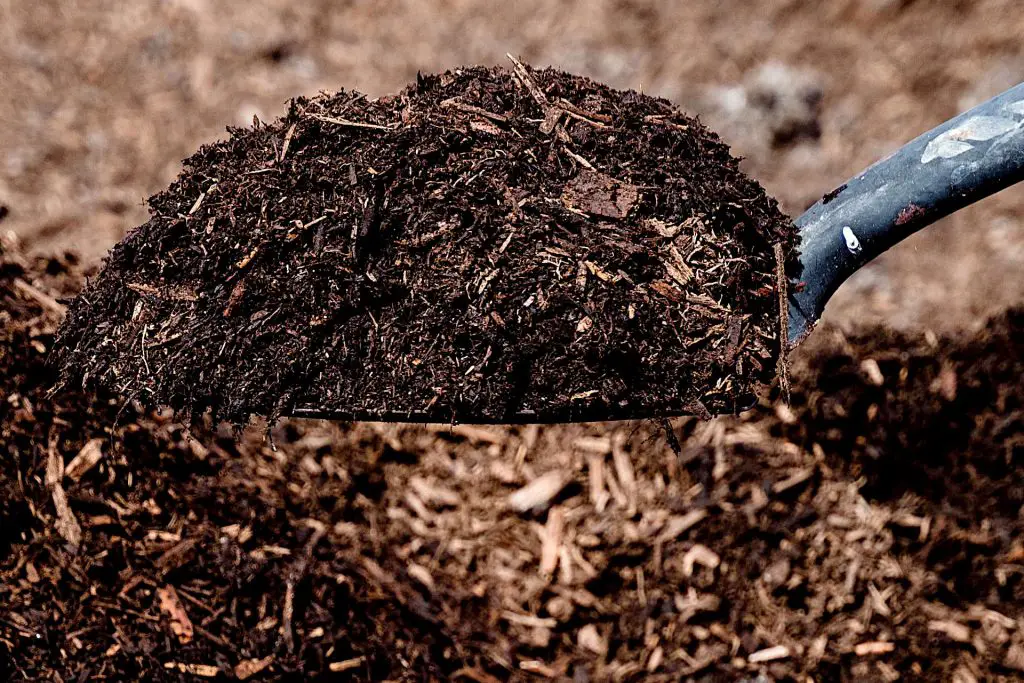
For manure, as you can see from the table above, in terms of nutrient values, there is quite a wide range that is dependent on the type of manure that you use. Depending on the materials used to make it there is also a certain flex to the nutrient values for compost too. However what is clear is that irrespective of the manure used, the levels of nitrogen and potassium are higher than that in compost.
The difference in nutrients extends to the way plants consume these nutrients. Manure is typically higher in nitrogen, with its nitrogen being largely in the form of ammonia. This causes the nitrogen to be released quickly into the soil, The elevated nitrogen and the fact that manure is more acidic than compost, also means that the nutrients it provides can be more easily and quickly absorbed by the plant’s roots.
In terms of the two other main nutrients potassium and phosphorus, manure has higher levels of potassium but similar levels of phosphorus.
Differences Micro-Nutrient Values for Manure and Compost
The difference in mineral content between manure and compost can have a significant impact on the growth and development of plants.
While manure from mammals and birds typically contains higher levels of magnesium, calcium, and sulfur, these minerals are typically found in limited quantities in compost. This can lead to excessive calcium and sulfur levels in the soil if too much manure is used, which can damage roots and lead to other problems.
It is important to fully cure fresh manure so that it is properly aged before using it in the garden, as this will bring down the ammonia and sulfur content.
Safety Issues in Using Manure or Compost
If you’re planning on using manure or compost in your garden, there are a few safety issues to be aware of, particularly with regards to manure, which failure to adhere to could cause problems for both your and your plant’s health.
Compost, while generally safe can in certain circumstances fosters bacterias that can lead to food poisoning if poorly aerated and not fully composted. However, these risks are minimal.
Compost is though, a safer amendment than cow or horse manure. Manure should be allowed to cure for between three to six months before applying it directly to your garden plants and at least 120 days before any food crops you are growing are ready to harvest.
This is because hot manures, such as cow and horse, can carry E. coli bacteria which could possibly cause kidney failure or food poisoning if the consumed crops have had fresh manure applied before harvesting. Aging manure for at least three to four months eliminates the possibility of burning the plants because, as we mentioned earlier, it can reduce the sulfur and ammonia content.
What are the Best Sources of Manure for the Garden
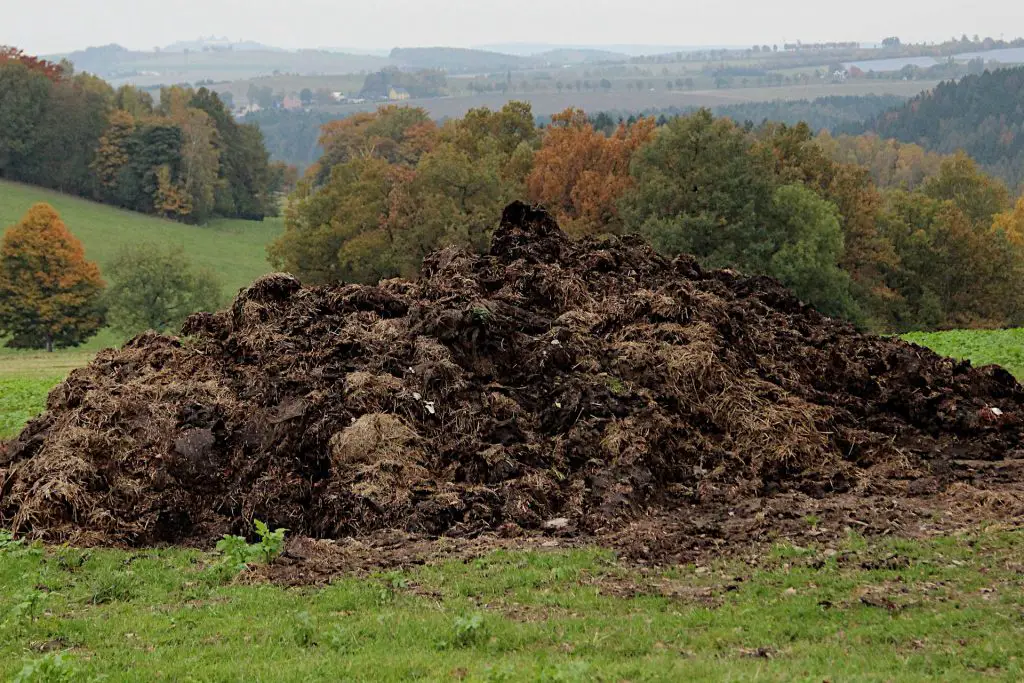
The best sources of manure for your garden will vary depending on what you’re looking for.
If you’re looking for manure that is high in nitrogen, chicken manure is a good option. It’s also relatively easy to find and collect. However, it can be quite smelly, so you may want to store it away from your home.
Cows and horses are other good sources of nitrogen-rich manure. Both of these animals produce large amounts of manure, so you may be able to get it for free from a local farm. Just be sure to ask first and be prepared to haul it away yourself.
Sheep and goat manure are other options, although they produce less manure than cows and horses, it is high in nitrogen, but it’s also lower in other nutrients. It also smells less than other types of manure.
Rabbit and chicken manure are also commonly used. The advantage of both of these manures is that they don’t have to be cured in the way you have to with cow and horse manure.
You should though, avoid using manure from other animals, such as pigs, dogs, and cats as they can be dangerous due to a variety of harmful pathogens they can contain.
Common Types of Compost for Use in the Garden
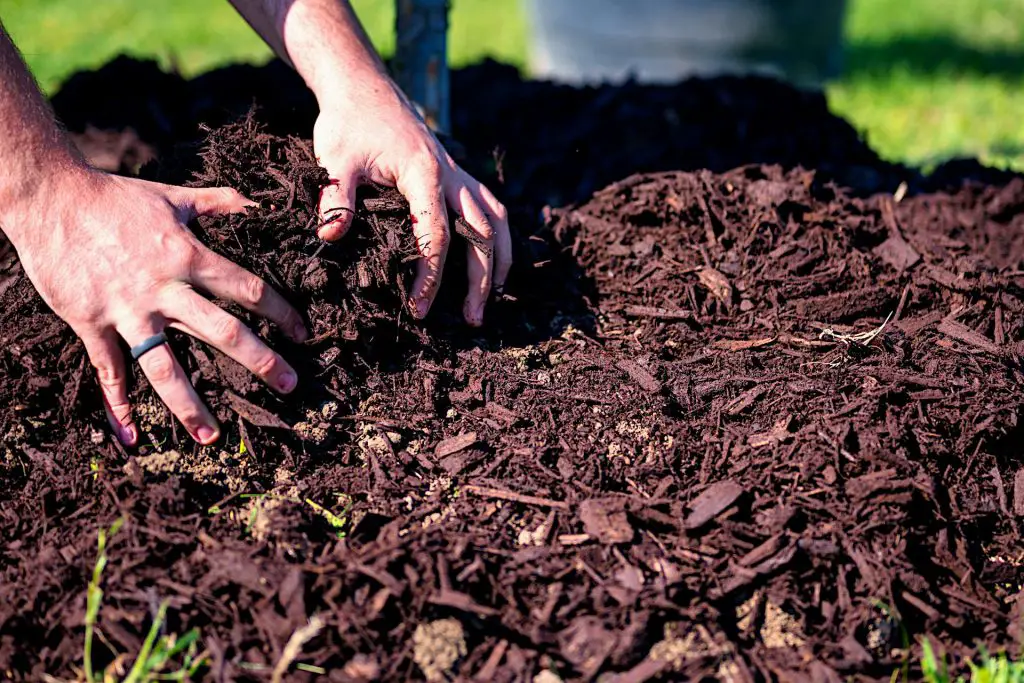
There are a variety of different types of compost available, so you can choose the one that best suits your needs. Homemade compost is a great option if you’re looking for a general-purpose fertilizer. You can also buy commercial compost, which comes in both general and specialized varieties. Specialized compost is enhanced with certain nutrients to provide specific benefits for your plants.
In addition to general-purpose and specialized composts, there are also composts such as compost tea, green manure, and mushroom composts that can be used as amendments.
Compost tea is a type of homemade compost that is made by steeping compost in water for a period of time. This allows the nutrients in the compost to be released into the water, making it a highly nutrient-rich solution that is great for your plants.
Green manure is created by growing crops of green and leguminous plants and then breaking them down into the soil. As the plants decompose, they release nutrients that help to fertilize the soil. Green manure is higher in nitrogen compared to general compost although not as high as most animal manure.
Mushroom compost is made from the spent substrate mushrooms are spawned in and is an excellent source of humus, a key ingredient in healthy soil.
Manure vs Compost Comparison
Below is a table summarizing the key differences between manure and compost
| Manure | Compost | |
|---|---|---|
| High In Nutrients (NKP) | Yes (Higher) | Yes |
| Micro Nutrients | Yes (Higher) | Yes |
| Fast Release | Yes | No |
| Slow Release | No | Yes |
| Improve Soil Ecosystem | Yes | Yes |
| Improve Drainage and Aeration | No | Yes |
| Needs Curing (aging) | Yes | No |
| Can be used on edible crops | Latest use 120 days before harvest | Yes |
| Homemade | If you have animals | Yes |
| Shop bought | No | Yes |
| Specialist Varieties | No | Yes |
Mixing Manure into your Compost Pile
If you are looking for a way to speed up the decomposition process of your compost pile, one option is to mix manure into the compost.
Manure is a good choice for use as a compost activator/starter because it is an organic material that is high in fast-release nitrogen. If you find you need to speed up the decomposition process, manure makes a great alternative to urea or other nitrogen sources that you might consider.
There are a few things to keep in mind when using manure as a compost activator. First, make sure that the manure is from a herbivore (such as a cow or horse) and not a carnivore (like a dog or cat). Second, it’s best to mix the manure with other organic materials, such as food scraps and other green materials which are slow-release nitrogen sources. This balances out the nitrogen release in the decomposing pile.
Overall, adding manure to your compost pile is a great way to speed up the decomposition process and your plants will thank you for it!
Summary: Difference Between Compost and Manure
As we have discussed, manure and compost differ in terms of nutrients, speed of nutrient release, and safety. Manure is richer in nutrients and releases them more quickly than compost, making it better for quick-growing plants. However, manure can also contain harmful bacteria that can contaminate food crops, so it must be used with care. Compost is slower to release nutrients, but it is safer to use around food crops.
So, what is the best amendment to use? It really depends on what you are looking to achieve. If you are looking to add a lot of nutrients to the soil quickly, then manure is going to be your best bet. However, if you are looking to add a more gradual release of nutrients, are worried about burning plants, or want to improve the drainage and aeration of your soil then compost is going to be the better option.
Share this story


