
In a garden soil is everything. Whether it is your lawn, flower beds, or boarders, when soil quality is low, plant development and health usually end up being stunted. Poor soil causes a confluence of problems from lack of air and water penetrating, nutrient depletion, and an imbalance in pH levels causing your grass to inhibit its development, and ultimately die.
Compost and other soil conditioners are used to help mitigate these problems, improving soil quality and restoring it to its previous health. We will look at how they work and which is best for specific circumstances and discuss possible drawbacks.
Compost and soil conditioners are in essence the same thing, compost itself being a soil conditioner, both performing similar functions of improving nutrient levels, soil texture, and soil structure. A better differentiation would instead be to consider the differences between organic or inorganic soil conditioners.
What is a soil conditioner?
A “soil conditioner” refers to any amendment that enhances the current soil by changing its structure and improving physical properties, characteristics and texture. Soil conditioners can enhance soil aeration, water retention, oxygen penetration, and nutrient absorption. Some conditioners also have the ability to keep the pH level of the soil stable.
Soil Conditioner vs. Compost – What’s the Difference
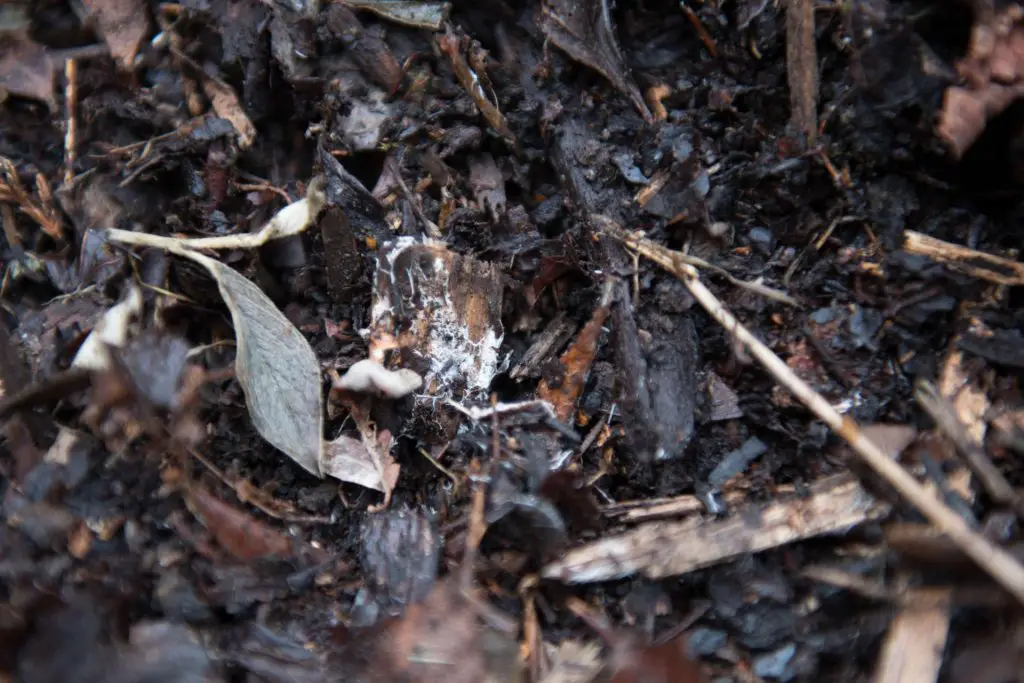
In that compost is a soil conditioner but it is an organic product whereas many other conditioners are inorganic. There are implications in the difference between using each that we shall consider later but both organic and inorganic soil improvers can aid and help the structure and help the health of your soil.
Particle Size
Particle size is a second major differentiator between compost and soil conditioner. Most inorganic soil conditioners contain smaller a group of particles than compost. Compost particle size can vary between larger and finer particles.
How this affects the application depends on the use case. If you are using compost as a soil conditioner for your lawn you would look to use finer particle compost or sieve out larger particles from existing compost.
Types of soil conditioners
As we have seen soil conditioners can be either organic or inorganic. Organic products are naturally found or created materials that have undergone no processing, whilst inorganic conditioners, are either natural products, that have undergone some processing or synthetic (chemically constructed products) such as granular fertilizers.
Organic conditioners are created from organic matter, also known as compost or humus, and is a key ingredient in healthy soil. Organic materials help a soil’s ecosystem and provide essential nutrients for plants.
Inorganic conditioners can carry out the same functions and processes and are sometimes more effective and can also be more controlled and targeted in their application.
Organic Conditioners
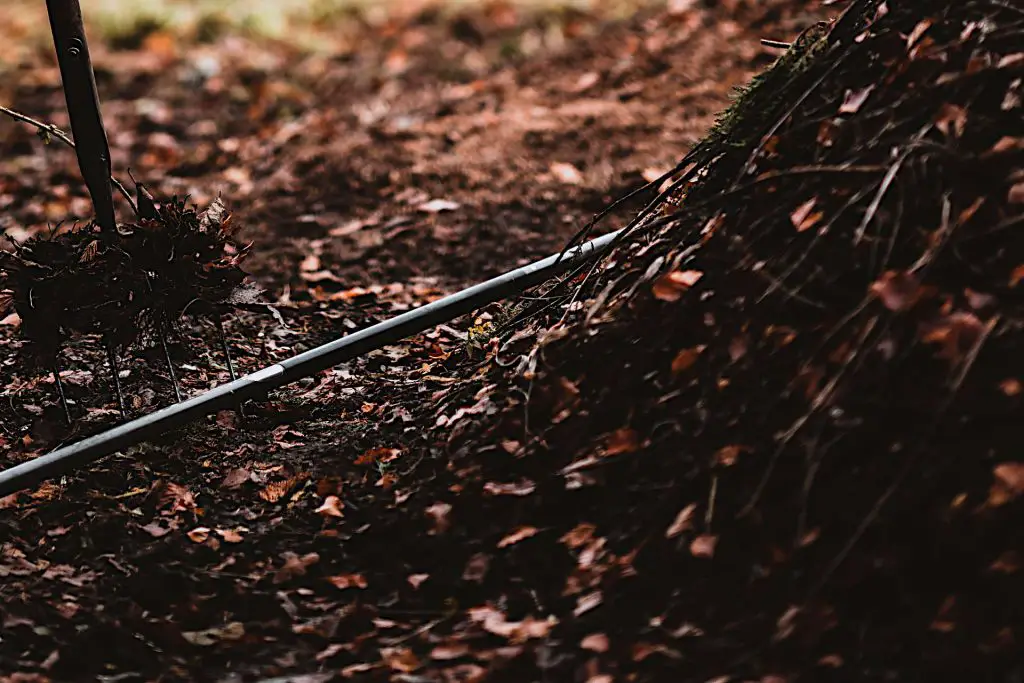
There are several types of organic soil conditioners: fresh manures, composts, and peat moss are the most commonly used. Fresh manures are animal manure, such as horse cow, and chicken manure, that has not been composted. They add essential nutrients to the soil as well as improving its water holding capacity and structure.
Organic matter such as animal manure and plant roots help improve sandy soils by increasing water retention and improving soil structure. Clay soils also benefit from the addition of organic matter, which helps to break up the clay particles and improve drainage. Organic soil conditioners also help increase the amount of essential nutrients available to plants.
- Animal manure: Animal manure is an excellent source of organic matter as it contains essential nutrients like nitrogen (N), phosphorus (P) & potassium (K) and improves the soil’s health and fertility. It needs to be carefully used if looking to apply to lawns.
- Compost: Compost is an excellent source of organic matter. It is decomposed organic material that contains essential nutrients like nitrogen (N), phosphorus (P) & potassium (K). It also helps improve drainage and aeration in the soil.
- Peat Moss: Although containing no nutrients of its own adding peat moss to soil improves the soil’s texture and increases the air space in the soil’s structure making it less compacted.
- Perlite: Like peat moss, it has little or no nutrient content and is instead used as a way to improve soil structure
Inorganic Conditioners
Inorganic soil conditioners such as chemical fertilizers can also be used to improve the physical properties of soils. Common inorganic soil conditioners include lime, gypsum, and chemical fertilizers.
- Chemical fertilizers: Chemical fertilizers are inorganic soil conditioners that contain nitrogen (N), phosphorus (P) & potassium (K) nutrients and are added to soil to improve its nutrient properties and correct nutrient deficiencies in soils.
- Lime: Lime is a common inorganic soil conditioner that is added to soil to improve its physical properties. Lime is a white powder that is made from calcium carbonate. It is used to raise the pH of the soil, which makes it less acidic.
- Gypsum is an inorganic soil conditioner that is added to soil to improve its physical properties. Gypsum is a white powder that is made from calcium sulfate.
- Urea: Urea is a soil amendment that is added to soil to improve its physical properties. Urea is a white powder that is made from nitrogen and carbon
- Iron Sulphate: Iron is crucial for lawn health since it assists the grass to create chlorophyll – the molecule for the pigment that gives plants their green hue
Is Compost a Good Soil Conditioner?
Compost is often touted as a “wonder” soil amendment and conditioner, but what exactly is it? Compost is organic matter such as garden waste and food scraps that has been decomposed into humus, creating a natural fertilizer or soil conditioner. It can be made from many different materials, including leaves, grass clippings, wood chips, straw, manure, vegetable scraps coffee grounds – really anything that was once living.
While compost is great for all types of soils, it’s especially beneficial for sandy soils or those with poor structure. The organic matter in compost helps to improve water retention and aeration while also providing essential nutrients for plants.
Common Soil Structure Problems
The most common problems associated with soil structure include poor drainage and compacted soil. Poor drainage occurs when there is too much moisture in the soil. This causes the soil to become saturated and unable to absorb any additional moisture. Compaction occurs when excess weight is applied to the soil over a long period. Over time, compaction reduces the ability of the soil to drain properly.
Other problems that can occur with soil structure include poor aeration and erosion. Poor aeration occurs when the soil is too dense, preventing oxygen from reaching the roots of plants. This can lead to stunted growth and poor plant health. Erosion occurs when water or wind carries away topsoil, leaving the underlying rock and subsoil exposed. This can make it difficult for plants to take root and can lead to soil nutrient depletion.
All of these soil structural issues can have detrimental effects on plant growth and development.
Organic Matter Is the Key to Good Soil Structure.
Organic matter is essential for healthy soil, yet many gardeners are unaware of the importance of organic material in their sandy or clay soil. While organic matter does not change the physical properties or texture of the soil, it greatly affects the type of plant roots that grow in it and how water and nutrients are held.
Organic material also helps to break up compacted soils, making them more porous and improving drainage. It can also improve water retention in sandy soils during dry periods. Furthermore, organic matter provides a slow release of essential nutrients that plants need for growth; this is especially beneficial in gardens where chemical fertilizers are not used.
Sandy soil has large particles and little space between them. This means that there is less room for water and air, and Sandy soils can be droughty. Adding organic material helps by breaking up the large particles, increasing pore space, and improving water-holding capacity.
How do Soil Conditioners Affect Soil Moisture in a Lawn?
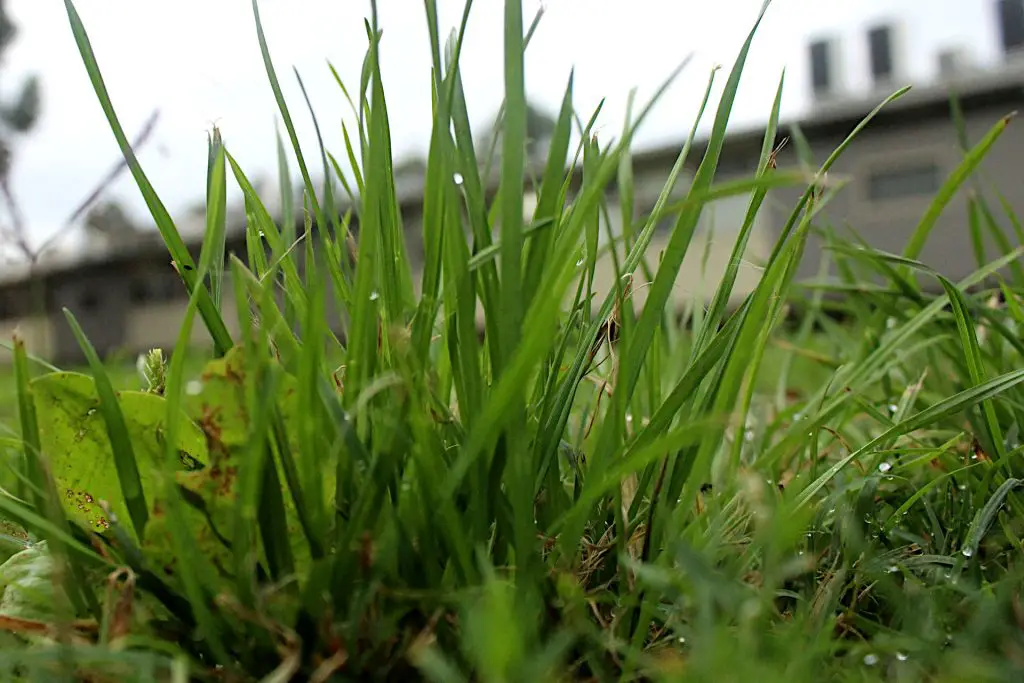
The most common problems associated with lawn soil structure include poor drainage and compacted soil. Poor drainage occurs when there is too much moisture in the soil. This causes the soil to become saturated and unable to absorb any additional moisture. As we have discussed soil compaction occurs when excess weight is applied to the soil over a long period of time such as large amounts of foot traffic on a lawn. Over time, compaction reduces the ability of the soil to drain properly stunting grass growth.
Organic matter and organic material are important for soil health. They improve water retention, help sandy soil maintain its structure, and improve the physical properties of clay soil.
Organic soil conditioners such as animal manure and plant roots help to aerate the soil and increase its water holding capacity. Inorganic soil conditioners such as chemical fertilizers can also be used to improve the quality of garden beds by providing essential nutrients for plants. However, it is important to note that fresh manures may contain weed seeds which can adversely affect your garden beds. In addition, elevated nitrogen levels in manure can cause your grass to burn.
Composting is a process that helps break down organic matter into a form that is more easily absorbed by plants.
How Can Soil Conditioners Help a Garden?
Organic matter is any organic material that can be used to improve the physical, chemical or biological properties of different soil types. It includes plant and animal residues (e.g., leaves, stems, roots, manure), microorganisms (e.g., bacteria, fungi), and their by-products (e.g., humus).
Organic matter plays an important role in improving the structure of sandy soils and the water-holding capacity of clay soils. It also helps to increase the essential nutrients available to plants and reduce weed growth by competing with weed seeds for space and light.
How to Use Soil Conditioner in Gardens
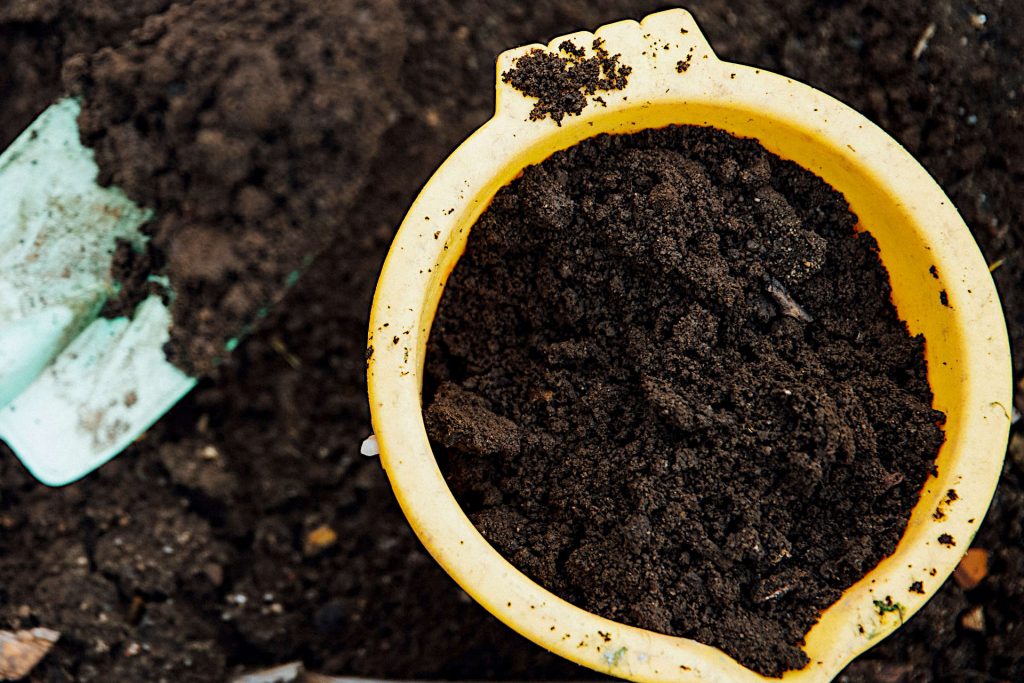
As we have seen organic matter is any organic material that can be used to improve soil’s physical, chemical, or biological properties. It includes plant roots, animal manure, fresh manures, composts, green manures, and other plant residues.
Sandy soil has large particles and poor water retention capacity while clay soil has small particles with high water holding capacity. Both these types of soils need organic matter for better structure and healthy plants.
While a lot of compost can indeed have a considerable variety of particle sizes, if used in flower beds or borders it should be dug into the soil. With regard to use on the lawn, the compost should be graded so that only the finest particles are used and then topdressed over the lawn.
Problems With Organic Soil Conditioners
A common problem with using animal manure as a soil conditioner is that it can contain harmful bacteria which can contaminate food crops. It is therefore important to ensure that the manure is from a healthy animal and has been composted and cured properly before using it on your garden.
Another possible drawback with some organic conditioners is the possible presence of weed spores, pathogens, and fungi. Fresh manures may contain weed seeds, so they should be used with caution in garden beds. During the composting process, composted materials have gone through a heating process that generally kills weed seeds, but releases nitrogen more slowly than manure.
A further issue to consider is that some compost and animal manure can attract vermin such as rats and mice, so it is important to store it in a secure place while it is curing if uncured or still undergoing the composting process.
Problems with Inorganic Soil Conditioners
Inorganic substances can be very beneficial in small quantities to improve soil fertility. However, when excessive amounts are used, they can cause environmental problems.
Inorganic fertilizers are applied to soils in order to increase crop yields. However, if they are overused, they can leach out of the soil and contaminate groundwater or surface water supplies. They can also cause eutrophication of waterways, which is an increase in the amount of nutrients that lead to an overgrowth of algae. This can create health hazards for people and animals and reduce the oxygen levels in the water, which can kill fish and other aquatic life.
They can be used to improve the structure of sandy soils, increase the water-holding capacity of clay soils, and improve the drainage of both types of soils.
Summary:
Soil conditioners are an essential part of any garden and lawn’s health. They can be used to improve the structure of sandy soils, increase the water-holding capacity of clay soils, and improve the drainage of both types of soils. Some conditioners, such as compost, can at the same time provide the soil with necessary plant nutrients, improving overall soil fertility.
There are of course drawbacks to using a soil improver both related to your own lawn or garden conditions and wider environmental considerations. Ultimately, it is important to weigh the benefits and drawbacks of using, particularly inorganic soil conditioners, before making a decision about whether or not to apply them in specific situations.
Share this story


