Harvesting fresh vegetables from your garden as autumn approaches offers a unique gardening experience. Fall gardening extends the growing season and often encounters fewer pest problems than summer gardens. Success in fall gardening hinges on several key factors.
Your USDA Hardiness Zone determines which plants thrive in your area. Understanding your growing season and frost dates helps you time plantings for optimal harvests. Selecting the right vegetables for fall planting ensures your crops can withstand cooler temperatures.
Soil temperature affects seed germination and plant growth, while knowing the days to maturity for your chosen varieties helps you plan for harvest before frost arrives. Understanding frost tolerance of different vegetables allows you to protect sensitive crops when needed.
Proper space and soil preparation set the foundation for a healthy garden. Managing pests and diseases specific to fall gardens keeps your plants thriving. Lastly, considering your personal preferences ensures you’ll enjoy the fruits of your labor.
Determine Your USDA Hardiness Zone

The USDA Hardiness Zone map serves as a valuable tool for gardeners across North America. It divides the continent into 13 zones based on average annual minimum winter temperatures. Each zone represents a 10-degree Fahrenheit range, helping gardeners choose plants suitable for their local climate.
Knowing your hardiness zone proves essential for fall gardening. It guides your selection of vegetables that can withstand your area’s typical first frost dates and winter temperatures. This knowledge helps you avoid wasting time and resources on plants unlikely to survive in your climate.
To determine your USDA Hardiness Zone:
- Visit the official USDA Plant Hardiness Zone Map website
- Locate the search bar on the page
- Enter your zip code and press enter
- Note the zone number and corresponding temperature range displayed
Armed with this information, you can make informed decisions about which fall vegetables to plant and when to start them. Remember that microclimates within your yard may create slightly different conditions than the overall zone suggests.
Growing Season and Frost Dates
Understanding your area’s growing season and frost dates forms the foundation of successful fall gardening. The growing season represents the period between the last spring frost and the first fall frost. For fall gardens, the first frost date becomes particularly important.
Knowing your average first fall frost date helps you plan backwards to determine optimal planting times for various crops. This information ensures your vegetables have enough time to mature before cold weather sets in.
To find your frost dates:
- Use an online frost date calculator (many gardening websites offer this tool)
- Enter your zip code or city and state
- Note the average first fall frost date provided
Once you know your first frost date, you can select crops that will mature before this date arrives. For instance, if your first frost typically occurs around October 15, and you plan to plant on August 1, you should choose vegetables that mature in 75 days or less.
Keep in mind that these dates represent averages, and actual frost dates can vary from year to year. It’s wise to have frost protection methods ready, just in case an early frost threatens your garden.
Choosing the Right Vegetables

Selecting appropriate vegetables for fall planting significantly impacts your garden’s success. Fall gardens focus on cool-season vegetables that thrive in lower temperatures and can often withstand light frosts. These plants typically grow best when daytime temperatures range from 60°F to 80°F (15°C to 27°C).
Warm-season vegetables like tomatoes, peppers, and eggplants don’t suit fall gardens in most regions. These plants can’t tolerate cold temperatures and will likely die before producing a harvest if planted too late in the season.
Ideal vegetables for fall gardens include:
- Leafy greens: Spinach, kale, lettuce, arugula, Swiss chard
- Brassicas: Broccoli, cauliflower, cabbage, Brussels sprouts
- Root vegetables: Carrots, beets, radishes, turnips
- Alliums: Onions, garlic, leeks
- Peas: Snow peas, sugar snap peas
These vegetables not only tolerate cooler temperatures but often develop sweeter flavors when exposed to light frosts. The cooler weather can reduce bitterness in leafy greens and enhance the sweetness of root vegetables.
When selecting varieties, look for those specifically bred for fall planting. These cultivars often have increased cold tolerance and shorter days to maturity, making them ideal for the autumn garden.
Soil Temperature

Soil temperature plays a crucial role in seed germination and plant growth, especially in fall gardens. Many cool-season vegetables germinate best in soil temperatures between 40°F and 75°F (4°C to 24°C). Understanding and monitoring soil temperature helps ensure successful seed germination and strong early growth.
Measuring soil temperature:
- Use a soil thermometer, available at most garden centers
- Insert the thermometer 4 inches deep into the soil
- Take readings at various times of day for a more accurate average
- Check temperatures in different areas of your garden, as they may vary
If soil temperatures remain too high for fall planting, consider these strategies:
- Start some crops indoors or in a shady area, then transplant when temperatures cool
- Use shade cloth to lower soil temperature in planting areas
- Water the soil thoroughly before planting to reduce temperature
Remember, soil temperature can fluctuate significantly between day and night. Taking multiple readings over several days provides a more accurate picture of your garden’s conditions.
Days to Maturity

Days to maturity refers to the time from planting to harvest for a given crop. This information, typically found on seed packets or plant labels, proves crucial for fall garden planning. When selecting vegetables for your fall garden, choose varieties with shorter maturity periods to ensure harvest before frost arrives.
To use days to maturity effectively:
- Check seed packets or plant labels for the listed days to maturity
- Calculate whether the crop will mature before your area’s average first frost date
- Add 14 days to the listed maturity time to account for slower growth in cooler fall temperatures
For example, if a lettuce variety lists 45 days to maturity, plan for about 59 days (45 + 14) from planting to harvest in your fall garden.
Examples of quick-maturing fall vegetables:
- Radishes: 25-30 days
- Baby spinach: 30-40 days
- Bush beans: 50-55 days
- Baby carrots: 50-60 days
- Turnips: 30-60 days depending on variety
Selecting these faster-maturing varieties increases your chances of a successful fall harvest, even in areas with shorter growing seasons.
Frost Tolerance

Understanding the frost tolerance of different vegetables helps you protect your crops and extend the growing season. Some vegetables can withstand light frosts or even improve in flavor after exposure to cold, while others require protection to survive.
Frost-tolerant vegetables (can withstand temperatures down to 28°F/-2°C):
- Kale
- Brussels sprouts
- Cabbage
- Carrots
- Parsnips
- Collards
- Turnips
Semi-frost tolerant vegetables (can withstand light frosts, 32°F/0°C to 28°F/-2°C):
- Lettuce
- Spinach
- Swiss chard
- Beets
- Broccoli
- Cauliflower
Frost-sensitive vegetables (damaged by any frost):
- Beans
- Cucumbers
- Summer squash
- Tomatoes
- Peppers
To protect frost-sensitive crops:
- Use row covers or frost blankets to create a protective barrier
- Create mini-greenhouses with plastic sheeting and support hoops
- Water plants before an expected frost to create insulation around roots
- Use cloches or cold frames for individual plants or small groups
By understanding frost tolerance and using protective measures, you can often extend your harvest well into the fall season, even after the first light frosts occur.
Space and Soil Preparation

Proper space planning and soil preparation lay the groundwork for a thriving fall garden. Efficient use of space maximizes your harvest, while well-prepared soil provides the nutrients and structure plants need for healthy growth.
Space considerations:
- Plan for mature plant sizes to avoid overcrowding
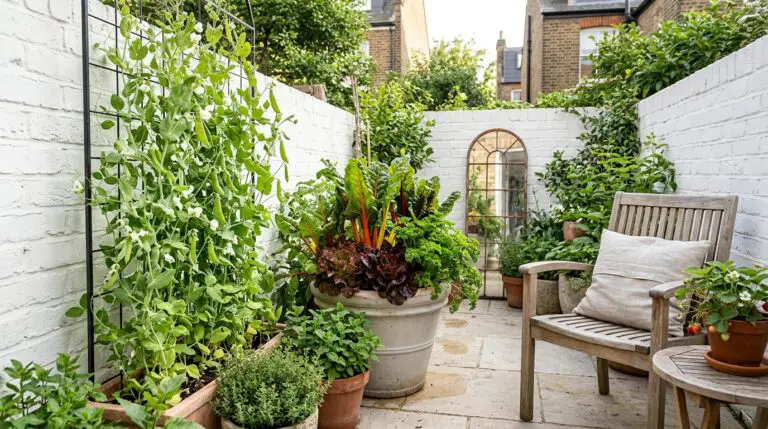
- Use vertical gardening techniques for vining crops like peas to save ground space
- Interplant quick-growing crops (like radishes) between slower-maturing ones (like broccoli)
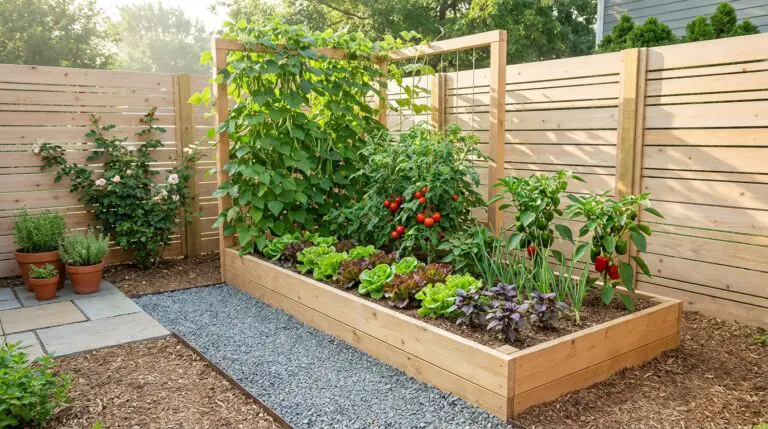
- Consider using raised beds or container gardens for better soil control
Soil preparation steps:
- Remove weeds and debris from the garden area
- Add 2-3 inches of well-rotted compost to improve soil structure and fertility
- Apply a balanced organic fertilizer according to package instructions
- Till or turn the soil to a depth of 8-10 inches to incorporate amendments
- Rake the soil smooth and level before planting
Healthy soil provides essential nutrients and proper drainage, fostering strong plant growth even as temperatures cool. Fall vegetables often have extensive root systems, so preparing the soil deeply helps ensure they can access the nutrients they need throughout the growing season.
Pests and Diseases
Fall gardens face unique pest and disease challenges. While some summer pests decrease in activity, others may persist or even increase. Common fall garden issues include:
- Cabbage worms on brassicas (broccoli, cauliflower, cabbage)
- Aphids on leafy greens
- Powdery mildew on squash and pumpkins
- Flea beetles on various crops
- Slugs and snails, especially in damp conditions
To manage these problems effectively:
- Choose disease-resistant varieties when available
- Practice crop rotation to prevent soil-borne diseases
- Use organic pest control methods like neem oil, insecticidal soap, or Bacillus thuringiensis (Bt)
- Encourage beneficial insects by planting flowers nearby
- Remove infected plants promptly to prevent disease spread
- Use floating row covers to exclude flying pests
Regular monitoring allows for early detection and treatment, ensuring a healthy fall harvest. Inspect your plants at least weekly, checking both the upper and lower surfaces of leaves for signs of pests or diseases.
Personal Preferences and Use
Growing vegetables that you and your family enjoy eating maximizes the value of your fall garden. Consider how you’ll use the produce when planning your plantings:
- Plant storage crops like winter squash, onions, and garlic for long-term use
- Grow herbs for drying and use throughout winter (parsley, sage, thyme)
- Choose varieties suited for specific culinary uses (e.g., paste tomatoes for sauces)
- Plant a mix of vegetables to ensure variety in your fall and winter meals
By aligning your garden with your culinary preferences, you’ll maximize the enjoyment and utility of your fall harvest. Consider trying new vegetables or varieties each year to expand your palate and gardening experience.
Key Points

Fall vegetable gardening offers a rewarding extension to the growing season. By carefully considering factors like your hardiness zone, frost dates, and vegetable selection, you can enjoy fresh, homegrown produce well into autumn. The cooler temperatures and shorter days of fall often result in sweeter, more flavorful vegetables than those grown in the heat of summer.
Successful fall gardening requires thoughtful planning and preparation. Start by determining your USDA Hardiness Zone and average first frost date. These crucial pieces of information guide your vegetable selection and planting timeline. Choose cool-season crops that thrive in autumn’s milder temperatures and can withstand light frosts.
Pay close attention to soil temperature and days to maturity when planning your fall garden. These factors ensure your crops have enough time to reach harvest before winter sets in. Proper space planning and soil preparation set the stage for healthy plant growth, while understanding frost tolerance helps you protect sensitive crops when needed.
Don’t let the potential for pests and diseases deter you from fall gardening. With regular monitoring and appropriate management techniques, you can keep your plants healthy and productive. Remember to align your garden with your culinary preferences, growing vegetables that you’ll enjoy eating and using throughout the cooler months.
As you embark on your fall gardening journey, keep these key points in mind:
- Start planning early to make the most of your growing season
- Choose vegetables suited to cooler temperatures
- Prepare your soil thoroughly for optimal plant health
- Monitor and protect your plants from early frosts
- Stay vigilant against pests and diseases
- Experiment with new varieties to expand your gardening skills
Final Thoughts
Fall gardening not only extends your harvest but also allows you to enjoy the outdoors during one of the most beautiful seasons of the year. The crisp air and changing leaves provide a pleasant backdrop for tending to your garden.
Many gardeners find fall to be their favorite growing season. The cooler temperatures make working in the garden more comfortable, and there’s a sense of abundance as summer crops finish up and fall crops come into their own. The garden takes on a different character in autumn, with rich greens, deep purples, and bright oranges replacing the vibrant colors of summer.
As you plan and plant your fall garden, remember that flexibility is key. Weather can be unpredictable, so be prepared to adapt your plans if necessary. Keep frost protection materials on hand for unexpected cold snaps, and don’t be discouraged if some crops don’t perform as well as others. Each growing season brings new lessons and opportunities for improvement.
Fall gardening also provides an excellent opportunity to involve children or introduce newcomers to gardening. The quicker growth of many fall crops can be especially rewarding for young or impatient gardeners. Watching a radish sprout and mature in just a few weeks can spark a lifelong interest in gardening.
As the growing season winds down, take time to reflect on your successes and challenges. Keep notes on what worked well and what you might do differently next year. This information will be invaluable as you plan future gardens.
Finally, don’t forget to savor the fruits of your labor. There’s nothing quite like the satisfaction of serving a meal featuring vegetables you’ve grown yourself. Whether it’s a warm bowl of homemade vegetable soup on a chilly evening or a crisp salad of fresh-picked greens, your fall garden will provide nourishment for both body and soul.
Share this story