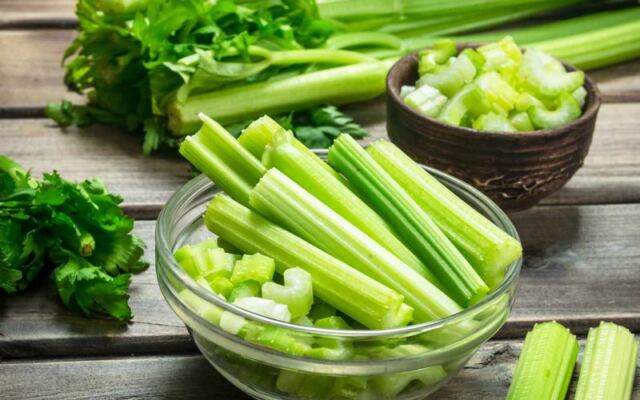
Eat celery every day and your body gets a steady helping of water, a little fiber, and some nutrients. That is the real, everyday payoff of a crunchy stalk, and it is a good one for a low-calorie snack.
Celery does not work magic, though, and what it adds depends on the rest of your plate. Here is what a daily celery habit can and cannot do, plus a few tips for Alabama cooks and gardeners.
What celery can add to a daily diet
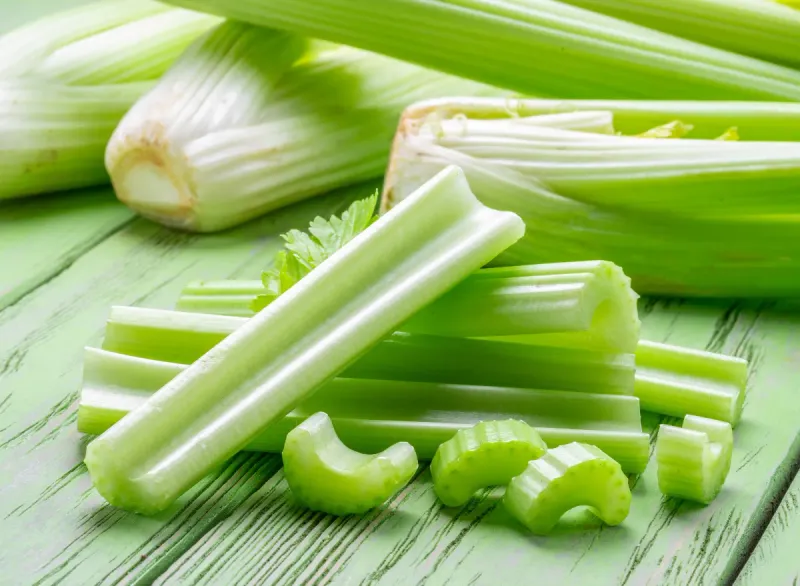
Plain and simple, a daily celery habit adds a crunchy, water-rich vegetable to your meals. Celery also brings a modest amount of fiber and some nutrients.
According to USDA nutrient data, raw celery is about 95% water.
That is a useful contribution, but it is a quiet one. Evidence does not show a special or dramatic change in the body from ordinary daily servings of celery stalks.
You will not wake up transformed after a week of snacking on them.
What celery does for you depends on what else you eat. A stalk dipped in hummus beside a balanced lunch plays a different role than a stalk eaten in place of a real meal.
CDC healthy eating guidance points to an overall pattern with a variety of vegetables, and celery fits in as one of the “other” vegetables.
The FDA’s raw vegetable nutrition list gives the exact numbers, which the next section walks through. Whether Alabama shoppers find celery on shelves year-round is something this article treats as an assumption, not a documented local fact.
What a serving of celery provides
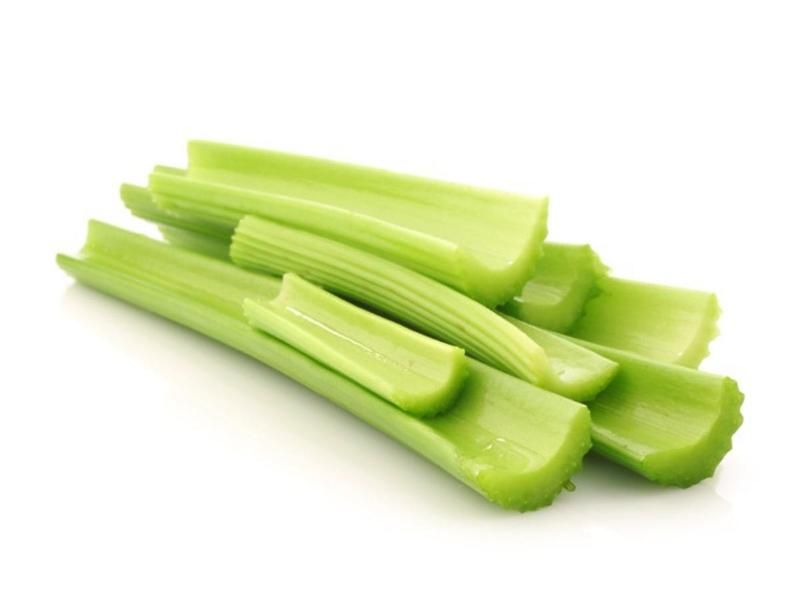
Numbers make this easier to picture. The FDA’s reference serving is 2 medium stalks, which weigh 110 grams.
According to the FDA nutrition information for raw vegetables, that serving has 15 calories, 2 grams of fiber, 115 milligrams of sodium, and 260 milligrams of potassium.
In everyday terms, 15 calories is very little energy. Celery is a light addition that fills space on the plate and adds crunch without adding much else.
The 2 grams of fiber is a modest amount, helpful as one small contribution but far from a full day’s worth.
Potassium is a mineral your body uses, and 260 milligrams is a small slice of what most people need in a day. The sodium, 115 milligrams, is naturally occurring and fairly small, though it is worth remembering if you add salty dips or toppings.
Then there is the water. Raw celery is about 95% water, as USDA data shows, which explains the snap and the low calorie count.
None of these amounts guarantee a noticeable change in how you feel. Celery is also not nutritionally complete.
It does not supply the protein, healthy fats, or wide range of vitamins and minerals that come from eating many different foods.
Make celery one part of a varied diet
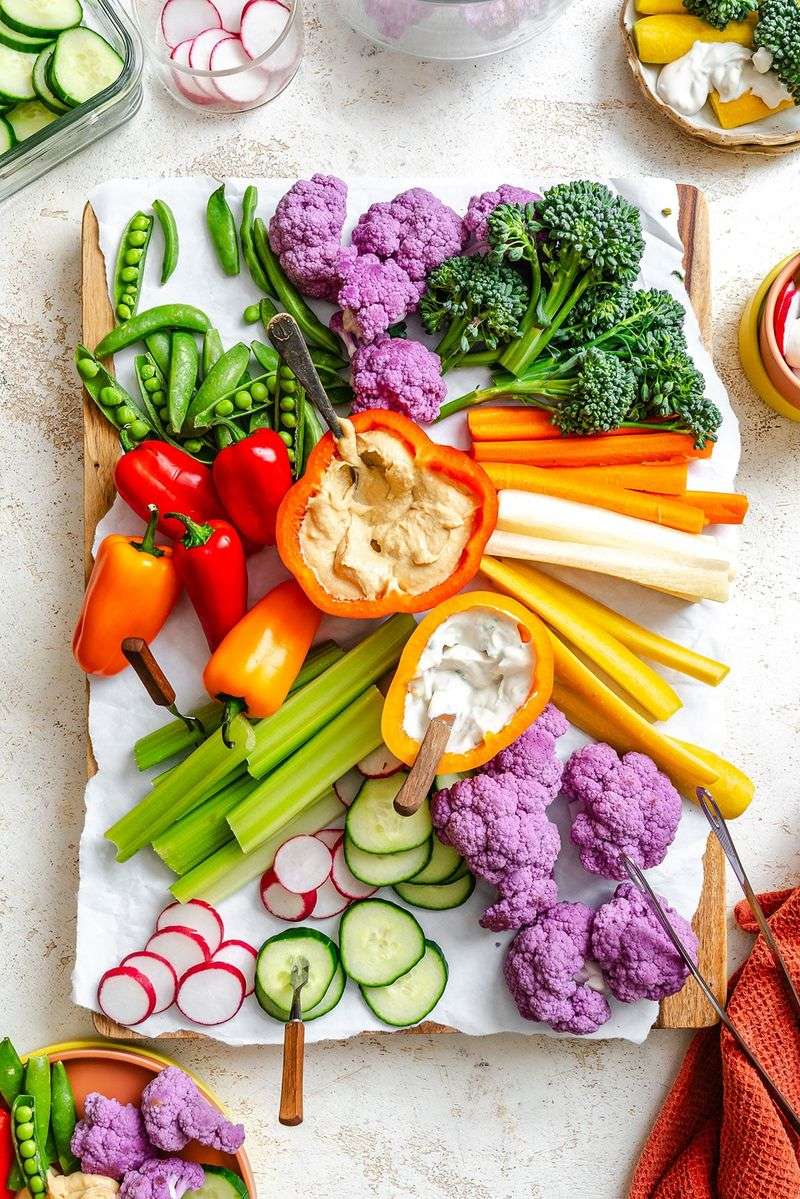
Think of celery as a team player. Federal advice from the CDC’s healthy eating tips stresses an overall eating pattern and a mix of vegetables, not one vegetable every day.
Celery counts among the “other” vegetables, alongside things like cucumbers and onions.
Easy ways to use it include slicing it into soups, tossing it into chicken or tuna salad, or packing sticks with peanut butter. Pair it with greens, beans, orange vegetables, and whole grains and the meal covers far more ground than celery could alone.
You may see claims that celery detoxes the body, melts fat, or causes weight loss. Evidence does not back those up.
The NIH’s National Center for Complementary and Integrative Health says in its detox guidance that research on detox programs is limited and low quality, with no compelling evidence that they remove toxins or help manage weight.
Your liver and kidneys already handle waste around the clock. Celery can be a low-calorie swap for a heavier snack, and that swap is where any help with eating habits would come from, not from celery itself.
What blood-pressure studies on celery can and cannot show
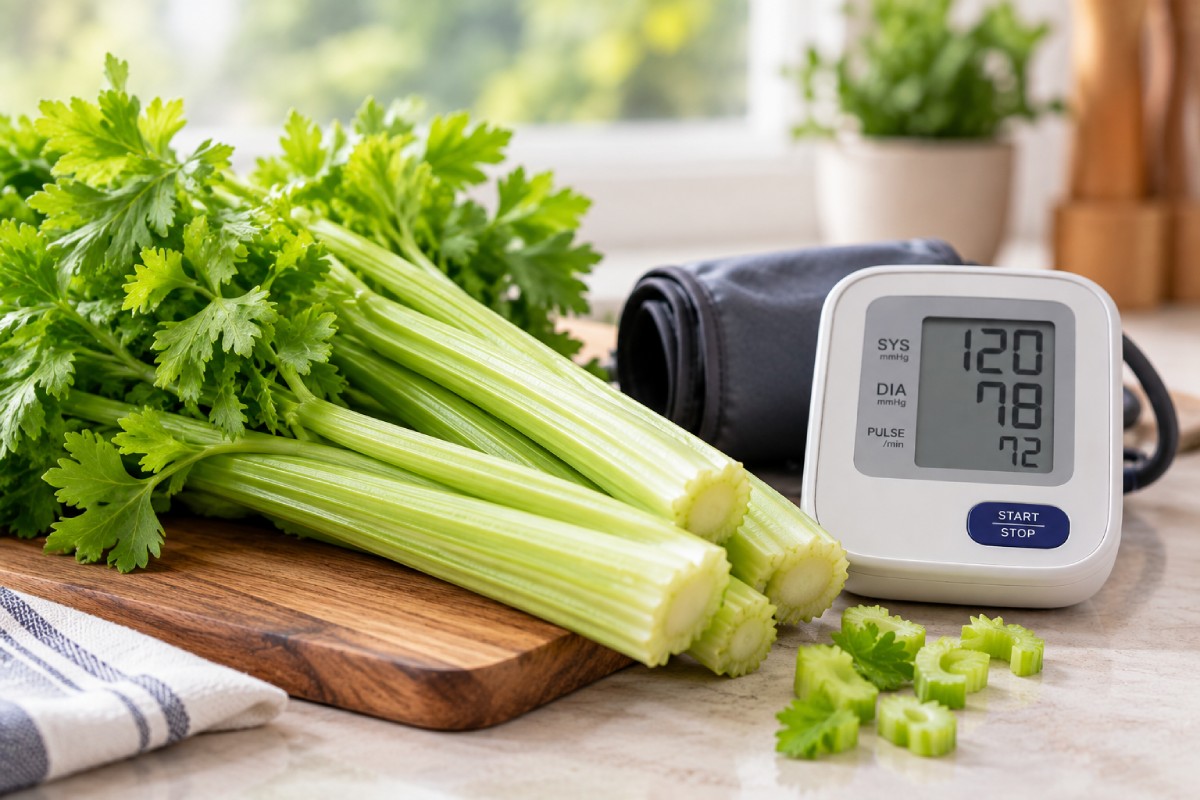
Headlines about celery and blood pressure usually come from studies of specific celery preparations, not from a daily crunch on a stalk. A 2025 meta-analysis in Frontiers in Nutrition pooled 10 randomized trials with 511 participants.
It reported possible benefits from the celery preparations studied.
The same paper noted substantial variation among the studies, small sample sizes, and a need for better trials. In plain terms, the results are interesting but not firm, and they do not show that eating celery stalks every day has the same effects.
A separate study is often mentioned too. A controlled trial of celery-seed extract followed 52 patients with hypertension for four weeks.
The patients took extract capsules, not grocery-store celery.
Neither study establishes celery as a blood-pressure treatment. Neither one replaces medical advice or prescribed care.
If you take blood pressure medication, keep taking it as directed and talk with your doctor before changing your routine.
Celery juice deserves a mention as well. It has no established effect equivalent to whole celery or to the preparations in these studies, so it should not be treated as proven or therapeutic.
Wash celery and take allergies seriously
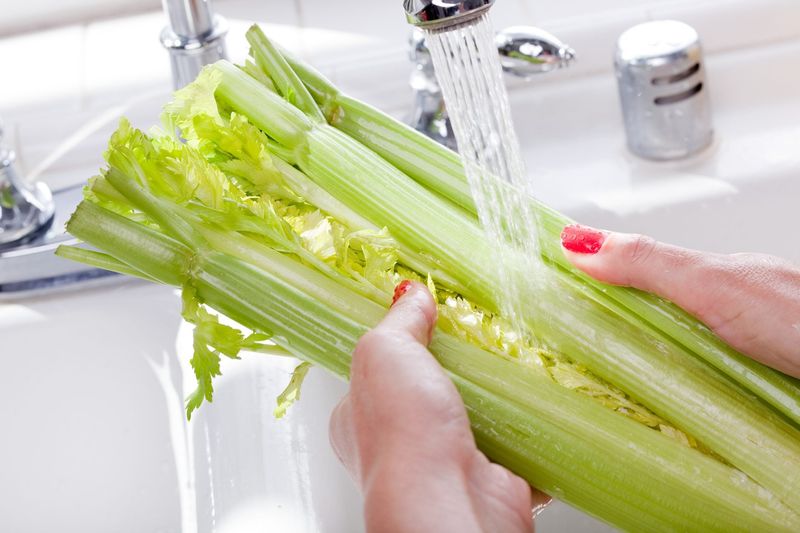
Before the first bite, give your celery a good rinse. The FDA’s advice on selecting and serving produce safely is to wash produce under running water and to skip soap or detergent.
Washing reduces bacteria but does not eliminate them.
Separate the stalks, rub them gently under the tap, and dry them with a clean cloth or paper towel. Keep them away from raw meat juices on the counter and cutting board.
Allergies are the other thing to keep in mind. As the FDA explains in its food allergy overview, food allergies can cause severe reactions, including anaphylaxis.
Daily celery does not suit everyone. If you think you may be allergic, avoid it and get a medical evaluation.
Itchy lips, hives, or trouble breathing after eating it are reasons to seek care promptly.
Alabama gardeners need local planting advice
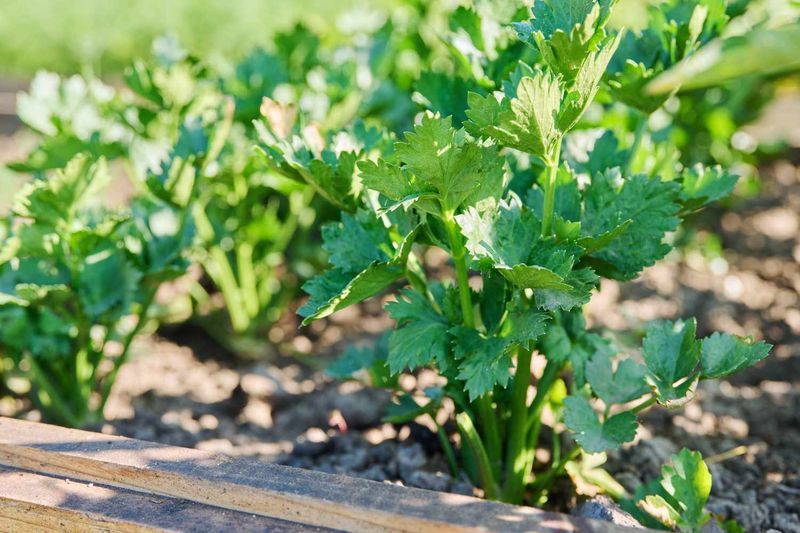
Growing your own celery is a project, not a quick win. General guidance says celery is a cool-season crop that needs a long growing period and steady moisture.
A University of Maryland Extension guide recommends sowing seed 10 to 12 weeks before planting in the field and describes best growth in moderately cool temperatures.
Those are general growing facts from Maryland, not Alabama planting dates. Conditions in Alabama differ from place to place, so another state’s calendar should not be copied.
The state’s own resource, Vegetable Seasons in Alabama from the Alabama Cooperative Extension System, lists planting windows for many crops but does not list celery. That means a fall or early-spring window for celery here has not been confirmed in the sources reviewed.
Before buying seed, contact your county Extension office and ask what works in your area. Local advice beats guesswork.
Keep the takeaway simple
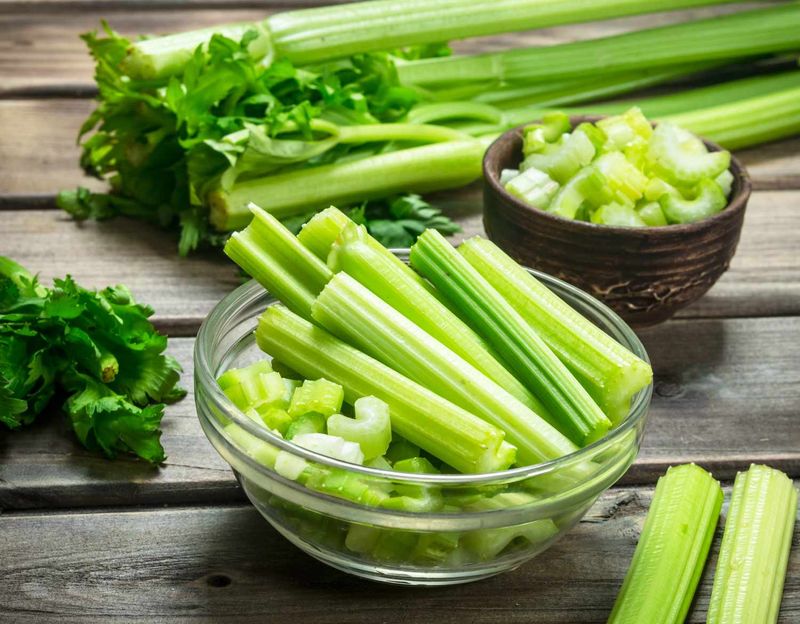
Celery is an easy, crunchy vegetable that can sit comfortably in a varied diet, as CDC guidance on eating a mix of vegetables suggests. Eaten daily, ordinary stalks have no established special effect, and the 2025 research review on celery preparations does not change that.
If you want to grow it, ask for locally verified Alabama advice instead of trusting a calendar from somewhere else.
A stalk is a good snack, not a cure. Let it be a small, crisp part of a bigger plate.
Share this story