Get the latest garden guides in your inbox →
Gardening Latest
  • General Gardening
  • Lawn Care
  • Plant Care
  • Composting
  • Soil Health
  • Backyard
  • Garden Muse Magazine
  • General Gardening
  • Lawn Care
  • Plant Care
  • Composting
  • Soil Health
  • Backyard
  • Garden Muse Magazine
  • News
  • Gardening Calendar
  • Garden Structures
  • Vegetable Garden
  • Vertical Garden
  • Raised Beds
  • Hydroponics
  • General Equipment
  • Community Gardens
Garden Themes
  • Spiritual Garden
  • Hydroseeding
  • Seeding and Laying Sod
  • Artificial Grass
  • Lawn Care Equipment
  • Plants
  • Trees
  • Planting Tools
  • Composting Basics
  • Fertilizer
  • Alternative Growing Mediums
  • Front Yard
  • Backyard Activities
  • Landscaping
Gardening Latest

Explore by state

Which state is your garden in?

Currently viewing Tennessee

All states

Northeast

  • Connecticut —
  • Delaware 23
  • Maine —
  • Maryland 9
  • Massachusetts 25
  • New Hampshire —
  • New Jersey 9
  • New York 18
  • Pennsylvania 18
  • Rhode Island —
  • Vermont —

Southeast

  • Alabama 9
  • Arkansas —
  • Florida 9
  • Georgia 9
  • Kentucky 23
  • Louisiana 8
  • Mississippi —
  • North Carolina 7
  • South Carolina 22
  • Tennessee 6
  • Virginia 8
  • West Virginia —

Midwest

  • Illinois 8
  • Indiana 10
  • Iowa 22
  • Kansas —
  • Michigan 9
  • Minnesota 8
  • Missouri 8
  • Nebraska —
  • North Dakota —
  • Ohio 9
  • South Dakota —
  • Wisconsin 24

Southwest

  • Arizona 8
  • Colorado —
  • Nevada —
  • New Mexico —
  • Oklahoma —
  • Texas 7
  • Utah —

West

  • Alaska —
  • California 8
  • Hawaii —
  • Idaho —
  • Montana —
  • Oregon —
  • Washington —
  • Wyoming —

No state matches that search.

Site menu

Gardening Latest
  • General Gardening
    • News
    • Gardening Calendar
    • Garden Structures
    • Vegetable Garden
    • Vertical Garden
    • Raised Beds
    • Hydroponics
    • General Equipment
    • Community Gardens
    Garden Themes
    • Spiritual Garden
  • Lawn Care
    • Hydroseeding
    • Seeding and Laying Sod
    • Artificial Grass
    • Lawn Care Equipment
  • Plant Care
    • Plants
    • Trees
    • Planting Tools
  • Composting
    • Composting Basics
  • Soil Health
    • Fertilizer
    • Alternative Growing Mediums
  • Backyard
    • Front Yard
    • Backyard Activities
    • Landscaping
  • Garden Muse Magazine

Explore

  • About GardeningLatest.com
  • Contact Us

Get the latest from the garden

New guides on lawn care, plants and backyard projects, sent when they go up.

Subscribe →

Follow

  • Facebook
  • X
  • Pinterest
  • YouTube
Tennessee Gardening

You’re Hearing More Coyote Howls Near Your Tennessee Home at Night, and the Season Is Why

If the yips and howls outside your window seem louder this time of year, the calendar may be part of the reason…

JM

By Jolene Mabry

November 23, 2026 · 6 min read

You’re Hearing More Coyote Howls Near Your Tennessee Home at Night, and the Season Is Why
You're Hearing More Coyote Howls Near Your Tennessee Home at Night, and the Season Is Why

If the yips and howls outside your window seem louder this time of year, the calendar may be part of the reason. Coyotes go through different seasonal stages, and some of them make calls easier to notice after dark.

Knowing which stage you might be hearing can take away a lot of the mystery. It also helps you decide what to do around your yard, pets, and garden.

At a glance

Where
Tennessee Gardening
Hardiness zone
7 0 to 10°F
Read
6 minutes
Published
November 23, 2026

The season changes what a howl may signal
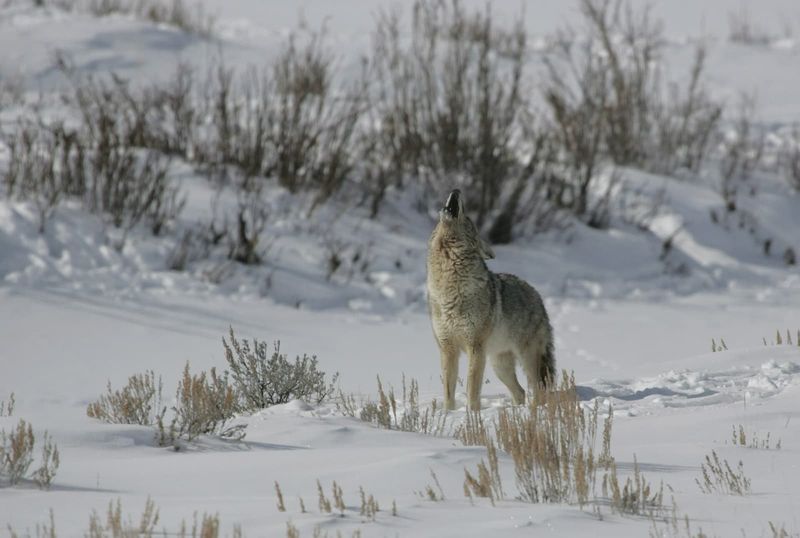
The season changes what a howl may signal
© MyWild

Not every seasonal bump in howling comes from mating. TWRA says young coyotes begin dispersing in October, which means they leave the area where they were born and look for space of their own.

Breeding happens mainly in February and March, with January through March as the broader breeding period.

So the two seasons are different. Late fall howls may be linked to young animals moving around and adults keeping track of who is where.

Late winter howls fit better with the breeding season.

Researchers have seen a similar pattern elsewhere. A Yellowstone field study found that howling rates typically peaked during the dispersal and breeding seasons.

That work was done in Yellowstone, not Tennessee, so it explains a general pattern rather than measuring howling in your neighborhood.

Coyotes also howl year-round. A peak season does not mean every call you hear is a mating call or a sign of a brand new territory.

It simply means that fall and late winter are times when you may notice the sound more often.

Howls help coyotes communicate and maintain space
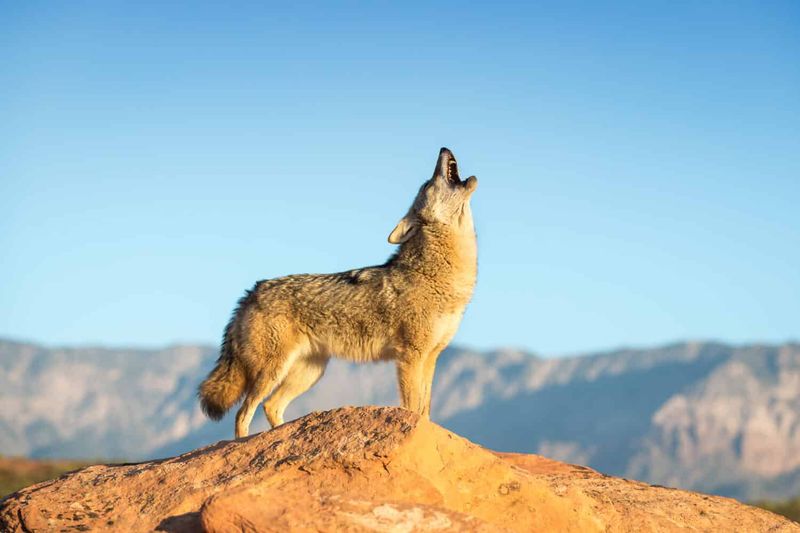
Howls help coyotes communicate and maintain space
© A-Z Animals

Coyotes talk to each other with yips, barks, and howls, as TWRA describes. Think of it as a way to stay in touch across distance, especially in the dark when they cannot see each other.

Research on resident coyotes ties howling to territorial maintenance and spacing. In the Yellowstone study, howling helped animals keep their distance from neighbors.

Check under bird feeders too, since spilled seed can draw rodents and other animals.

In plain terms, a howl can be a way of saying, here we are.

That general purpose cannot tell you what one particular coyote is doing tonight. A call does not prove that an animal is hunting near your house, has picked a new den, or is about to approach people.

For most households, an ordinary howl is background noise from wildlife that has long lived in Tennessee. It is not a warning of an attack.

Your actions around pets and food matter far more than the sound itself.

A chorus cannot tell you how many coyotes are nearby
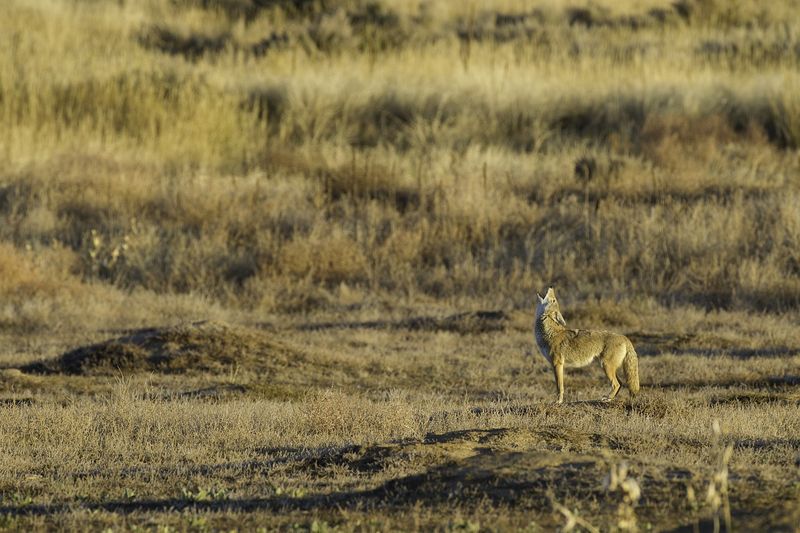
A chorus cannot tell you how many coyotes are nearby
© Farm and Dairy

Many people try to count coyotes by ear, but ears are easily fooled. In a study in southern Texas, 427 listeners overestimated the number of coyotes in recordings by nearly twofold on average.

That study tested Texas listeners and recordings, so it does not measure how well Tennessee residents count. Still, it shows how a few animals can sound like many.

Yips and howls overlap and bounce around, which makes a small group sound larger.

So a loud chorus does not prove a large group, a pack in your yard, or a growing local population. Hearing more howls is a personal observation, and TWRA’s page on coyotes describes seasonal life history without giving local population trends.

A better use of your attention is what you can see: tracks, animals in daylight near your property, or food left out.

Pets need supervision, not panic

Pets need supervision, not panic
© Adopt a Pet

Hearing a howl does not mean your pet is in danger. The risk comes from a pet being outside where a coyote might actually show up.

That is where simple habits help.

Nashville’s wildlife guidance recommends supervising pets, especially small dogs and cats. Go outside with them after dark, keep them close, and use a leash if your yard is open.

The same guidance says to make noise to scare away a coyote that approaches. Clapping, shouting, or banging pots works, and it is better to have your pet by your side when you do it.

TWRA advises not letting pets run free and providing secure housing, especially at night. For cats, that can mean an indoor evening routine.

For dogs, it can mean a sturdy kennel or a trip indoors once it is dark.

These are everyday safe habits. They make sense whether you hear howls or not.

Food left outside can draw coyotes into a yard
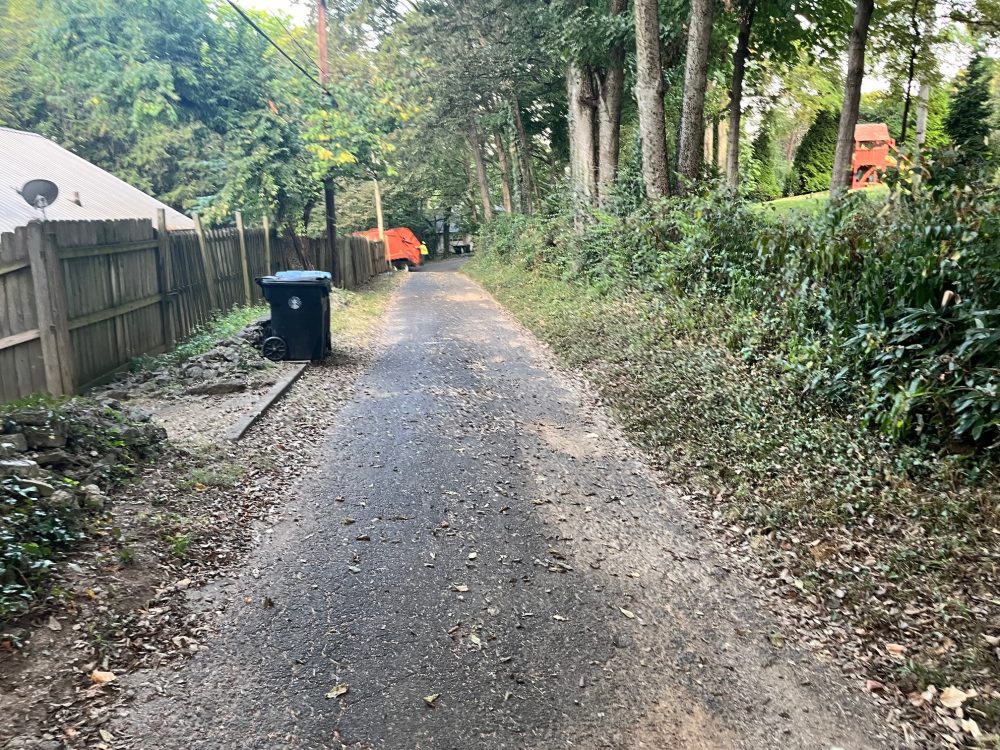
Food left outside can draw coyotes into a yard
© Garden Rant

Hearing a coyote and making food easy to reach are two separate things. A distant howl tells you little about your yard.

An open trash bag or a bowl of pet food on the porch tells a coyote a lot.

Never feed coyotes on purpose. Secure garbage and compost, and bring pet food inside before dark.

Check under bird feeders too, since spilled seed can draw rodents and other animals.

TWRA lists apples, persimmons, and watermelons among foods coyotes eat. If you have fruit trees or a persimmon in the yard, pick up fallen fruit often so it does not become a nightly snack.

Gardens can be protected too. UC IPM advises fencing garden plots because coyotes may eat fruits and vegetables.

None of this means that a howl signals your garden is under threat. It means that if food is easy to reach, a passing coyote has a reason to stop.

An approach calls for calm, firm action
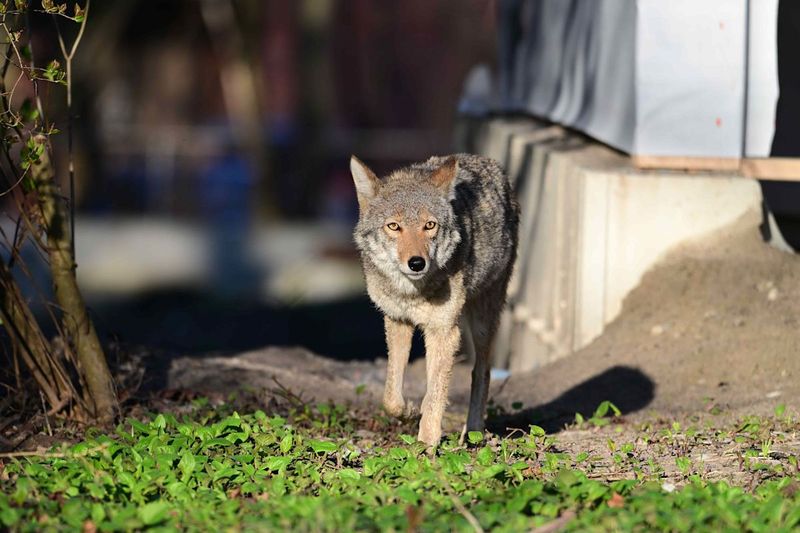
An approach calls for calm, firm action
© Yahoo

If a coyote actually walks toward you, stay calm and take charge of the moment. Nashville’s guidance is to act big and make loud noises.

Stand tall, wave your arms, and shout, and keep pets close or pick up small ones.

Most coyotes move away once they realize you are not an easy target. Do not turn your back and run.

Some situations call for outside help. If a coyote acts aggressively or keeps approaching people, contact local animal control or TWRA, which explains options in its wildlife damage control information.

Health care is a separate step. TWRA says coyotes are not rabies reservoir hosts in Tennessee, but that does not make a bite safe or rabies impossible.

After a bite or scratch, wash the wound right away and promptly talk with a healthcare or public-health professional about rabies risk, as CDC guidance advises.

Treat the sound as a reminder, not a forecast

Treat the sound as a reminder, not a forecast
© PetHelpful

Seasons can help explain why calls stand out, from October dispersal to late-winter breeding, and Yellowstone research shows similar peaks elsewhere. A single howl, though, cannot prove more coyotes live nearby or predict trouble at your home.

Keep your focus on what you control: pets watched outdoors and food kept out of reach.

The howl is simply the neighborhood’s wild side clearing its throat.

Share this story
JM

Written by

Jolene Mabry

More from Jolene Mabry →

About Gardening Latest

Gardening Latest provides in-depth guides to maintaining and enhancing your garden and backyard. Learn how to make the most of the space you have and create a beautiful garden.

More about us →

Latest stories

  • Wisconsin GardeningHere’s How To Recognize Every Venomous Creature That Shares Your Wisconsin Yard

    Here’s How To Recognize Every Venomous Creature That Shares Your Wisconsin Yard

    3 min ago
  • Missouri GardeningLate-Night Coyote Howls Around Your Missouri Home Mean More Than You Think This Time of Year

    Late-Night Coyote Howls Around Your Missouri Home Mean More Than You Think This Time of Year

    9 min ago
  • Alabama GardeningAlabama, Eat Celery Every Day And Here’s What Your Body Starts Doing

    Alabama, Eat Celery Every Day And Here’s What Your Body Starts Doing

    21 min ago
  • Minnesota GardeningSeven Minnesota Birds That Stick Around All Winter and What They’ll Eat From Your Feeder

    Seven Minnesota Birds That Stick Around All Winter and What They’ll Eat From Your Feeder

    27 min ago
  • Illinois GardeningIllinois, This Is What Your Body Goes Through When You Eat Celery Every Day

    Illinois, This Is What Your Body Goes Through When You Eat Celery Every Day

    33 min ago

Gardening by state

Stories for your state, and the hardiness zone most of it gardens in.

Keep exploring

Read next

All Tennessee Gardening →
Tennessee GardeningTennesseans Who Eat Celery Every Day Are Finding Out What It Does For Their Bodies
Tennessee Gardening

Tennesseans Who Eat Celery Every Day Are Finding Out What It Does For Their Bodies

3 hr ago
Tennessee GardeningSeeing a Red Fox Cross Your Tennessee Yard This Winter Means It’s Busy With Something Important
Tennessee Gardening

Seeing a Red Fox Cross Your Tennessee Yard This Winter Means It’s Busy With Something Important

18 hr ago
Tennessee GardeningA Saddleback Caterpillar Just Stung You in Your Tennessee Garden? Here’s What to Do First
Tennessee Gardening

A Saddleback Caterpillar Just Stung You in Your Tennessee Garden? Here’s What to Do First

20 hr ago

More from Tennessee Gardening

  • Alabama, Eat Celery Every Day And Here’s What Your Body Starts Doing

    21 min ago
  • Seven Minnesota Birds That Stick Around All Winter and What They’ll Eat From Your Feeder

    27 min ago
Back to top

Leave a response Cancel

Your email address stays private. Required fields are marked with an asterisk.

Gardening Latest

In-depth guides to maintaining and enhancing your garden and backyard: how to make the most of the space you have, and how to make it beautiful.

  • Facebook
  • X
  • Pinterest
  • YouTube

We may earn a portion of sales from products or services that are purchased through our site as part of our affiliate partnerships with retailers.

Explore

  • About GardeningLatest.com
  • Contact Us
  • Terms and Conditions
  • Privacy
  • Editorial Note:
  • FTC Disclosure

Newsletter

New garden guides and seasonal tips, straight to your inbox.

We’ll email you a link to confirm. Unsubscribe any time.

Almost there! Check your inbox and tap the link to confirm.

© 2026 Gardening Latest. All rights reserved.

Back to top