Get the latest garden guides in your inbox →
Gardening Latest
  • General Gardening
  • Lawn Care
  • Plant Care
  • Composting
  • Soil Health
  • Backyard
  • Garden Muse Magazine
  • General Gardening
  • Lawn Care
  • Plant Care
  • Composting
  • Soil Health
  • Backyard
  • Garden Muse Magazine
  • News
  • Gardening Calendar
  • Garden Structures
  • Vegetable Garden
  • Vertical Garden
  • Raised Beds
  • Hydroponics
  • General Equipment
  • Community Gardens
Garden Themes
  • Spiritual Garden
  • Hydroseeding
  • Seeding and Laying Sod
  • Artificial Grass
  • Lawn Care Equipment
  • Plants
  • Trees
  • Planting Tools
  • Composting Basics
  • Fertilizer
  • Alternative Growing Mediums
  • Front Yard
  • Backyard Activities
  • Landscaping
Gardening Latest

Explore by state

Which state is your garden in?

Currently viewing Louisiana

All states

Northeast

  • Connecticut —
  • Delaware 25
  • Maine —
  • Maryland 11
  • Massachusetts 27
  • New Hampshire —
  • New Jersey 11
  • New York 20
  • Pennsylvania 20
  • Rhode Island —
  • Vermont —

Southeast

  • Alabama 10
  • Arkansas —
  • Florida 11
  • Georgia 11
  • Kentucky 25
  • Louisiana 10
  • Mississippi —
  • North Carolina 9
  • South Carolina 24
  • Tennessee 7
  • Virginia 10
  • West Virginia —

Midwest

  • Illinois 10
  • Indiana 12
  • Iowa 24
  • Kansas —
  • Michigan 11
  • Minnesota 10
  • Missouri 9
  • Nebraska —
  • North Dakota —
  • Ohio 11
  • South Dakota —
  • Wisconsin 25

Southwest

  • Arizona 10
  • Colorado —
  • Nevada —
  • New Mexico —
  • Oklahoma —
  • Texas 9
  • Utah —

West

  • Alaska —
  • California 10
  • Hawaii —
  • Idaho —
  • Montana —
  • Oregon —
  • Washington —
  • Wyoming —

No state matches that search.

Site menu

Gardening Latest
  • General Gardening
    • News
    • Gardening Calendar
    • Garden Structures
    • Vegetable Garden
    • Vertical Garden
    • Raised Beds
    • Hydroponics
    • General Equipment
    • Community Gardens
    Garden Themes
    • Spiritual Garden
  • Lawn Care
    • Hydroseeding
    • Seeding and Laying Sod
    • Artificial Grass
    • Lawn Care Equipment
  • Plant Care
    • Plants
    • Trees
    • Planting Tools
  • Composting
    • Composting Basics
  • Soil Health
    • Fertilizer
    • Alternative Growing Mediums
  • Backyard
    • Front Yard
    • Backyard Activities
    • Landscaping
  • Garden Muse Magazine

Explore

  • About GardeningLatest.com
  • Contact Us

Get the latest from the garden

New guides on lawn care, plants and backyard projects, sent when they go up.

Subscribe →

Follow

  • Facebook
  • X
  • Pinterest
  • YouTube
Louisiana Gardening

From Cottonmouths To Brown Recluses, Here’s How To Identify The Venomous Creatures In Louisiana Yards

Louisiana yards are full of life, from croaking frogs to buzzing cicadas.

CB

By Celeste Boudreaux

November 24, 2026 · 6 min read

From Cottonmouths To Brown Recluses, Here’s How To Identify The Venomous Creatures In Louisiana Yards
From Cottonmouths To Brown Recluses, Here's How To Identify The Venomous Creatures In Louisiana Yards

Louisiana yards are full of life, from croaking frogs to buzzing cicadas. A few of the creatures hiding in the grass, woodpiles, and flower beds can pack a painful or even dangerous bite or sting.

Knowing what they look like helps you stay safe without panicking every time something moves. Here are ten venomous neighbors worth learning to spot.

At a glance

Where
Louisiana Gardening
Hardiness zone
9 20 to 30°F
Read
6 minutes
Published
November 24, 2026

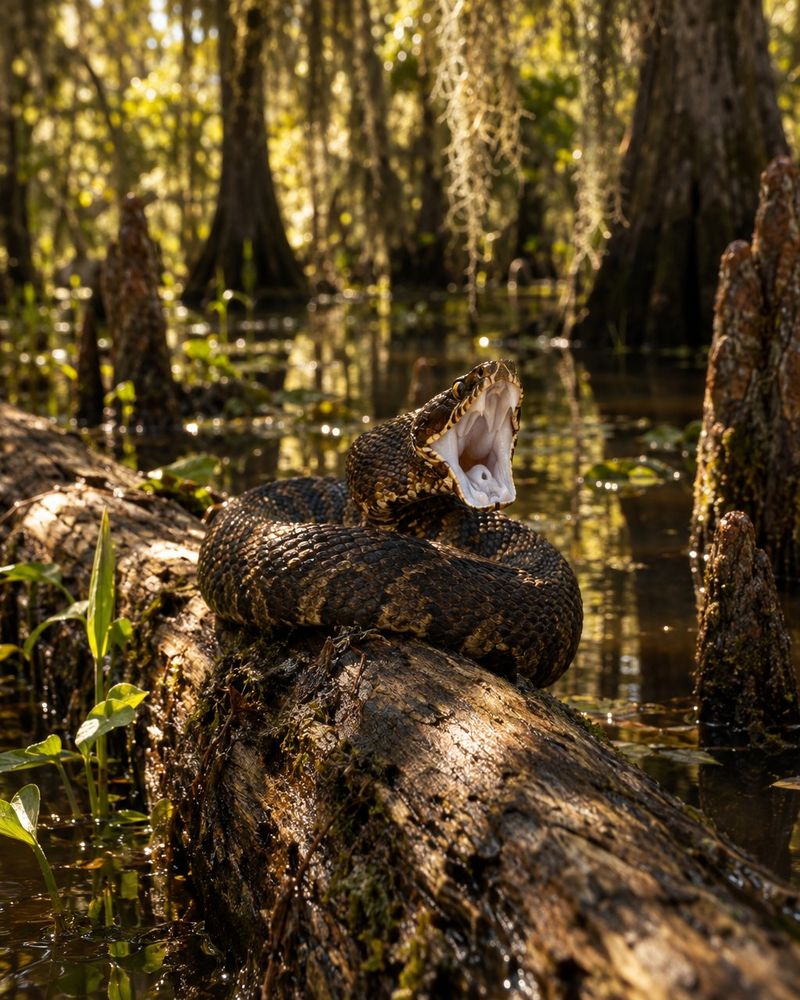
1. Cottonmouth (Water Moccasin)

Cottonmouth (Water Moccasin)
© louisianaunmasked

Picture a heavy, dark snake lounging near a drainage ditch, then suddenly opening its mouth wide to flash a bright white lining. That warning display is how the cottonmouth got its name.

It is one of the most common venomous snakes in south Louisiana.

Adults are chunky and often olive, brown, or nearly black, with faded crossbands. Look for a blocky, triangular head and a dark stripe running through the eye.

Young ones are brighter and have a yellow tail tip they wiggle to lure frogs.

Cottonmouths love water, so yards near ponds, canals, or swampy lots see them most. They usually stand their ground instead of fleeing, which can feel intimidating.

Back away slowly and give them space, since most bites happen when people try to handle or kill them.

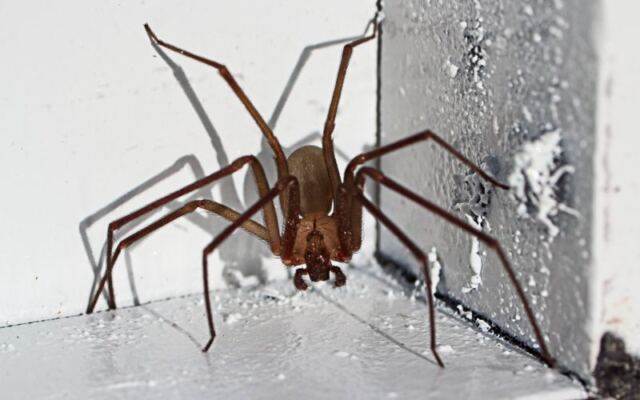
2. Brown Recluse Spider
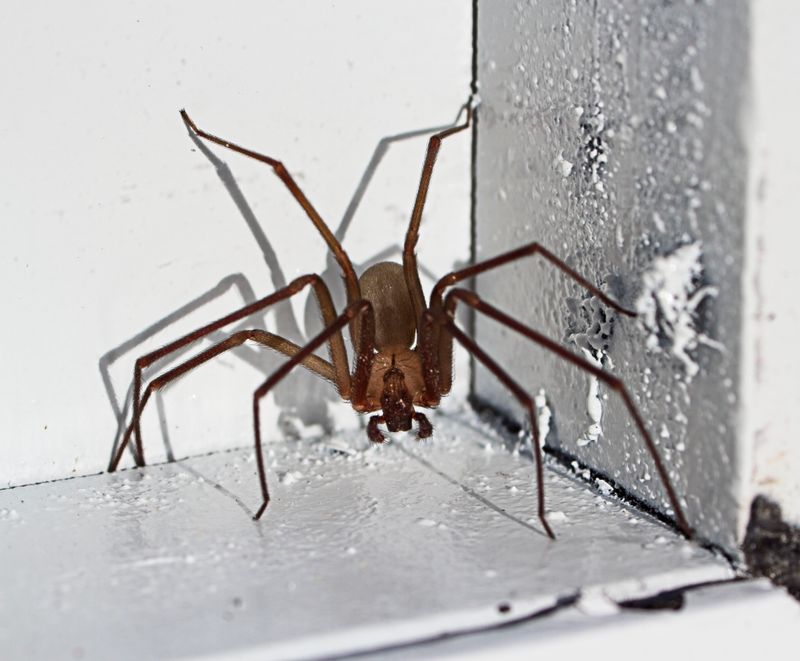
Brown Recluse Spider
© Live Science

Shy is the best word for this little spider. It would much rather hide in an old shoe or a stack of boxes than meet you.

Trouble starts when a hand or foot accidentally presses against it.

Brown recluses are tan to medium brown and about the size of a quarter with legs spread. The famous clue is a dark violin shape on the front of the body, with the neck of the violin pointing toward the rear.

They also have six eyes instead of the usual eight, though you will need a magnifying glass to check.

Outdoors, check sheds, woodpiles, and garages. Shake out gloves and boots that have been sitting around.

A bite may not hurt at first but can turn into a slow-healing sore, so see a doctor if a wound darkens or spreads.

3. Southern Copperhead
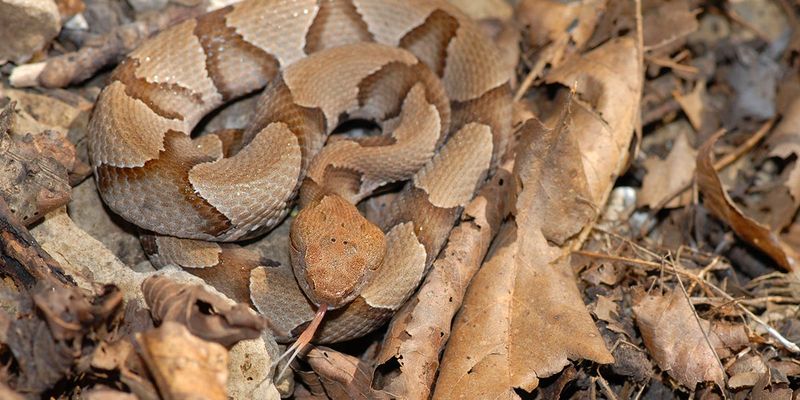
Southern Copperhead
© Solutions Pest & Lawn

Raking leaves in the fall? That pile might be hiding one of the best-camouflaged snakes in the state.

Copperheads blend so well into dead leaves that people often step right next to them.

Look for a gray or tan body with rows of dark round blotches and a thin orange or reddish stripe down the back.

Their bodies are pinkish-tan to coppery, crossed with darker bands shaped like an hourglass or a Hershey’s Kiss when viewed from the side. The head is plain copper colored with no pattern.

Babies have a sulfur-yellow tail tip, just like young cottonmouths.

Copperheads bite more people in the U.S. than any other snake, but their venom is mild compared to others. Bites are painful and need medical care, yet rarely deadly.

Wear gloves and sturdy shoes when gardening, and use a rake instead of bare hands.

4. Southern Black Widow
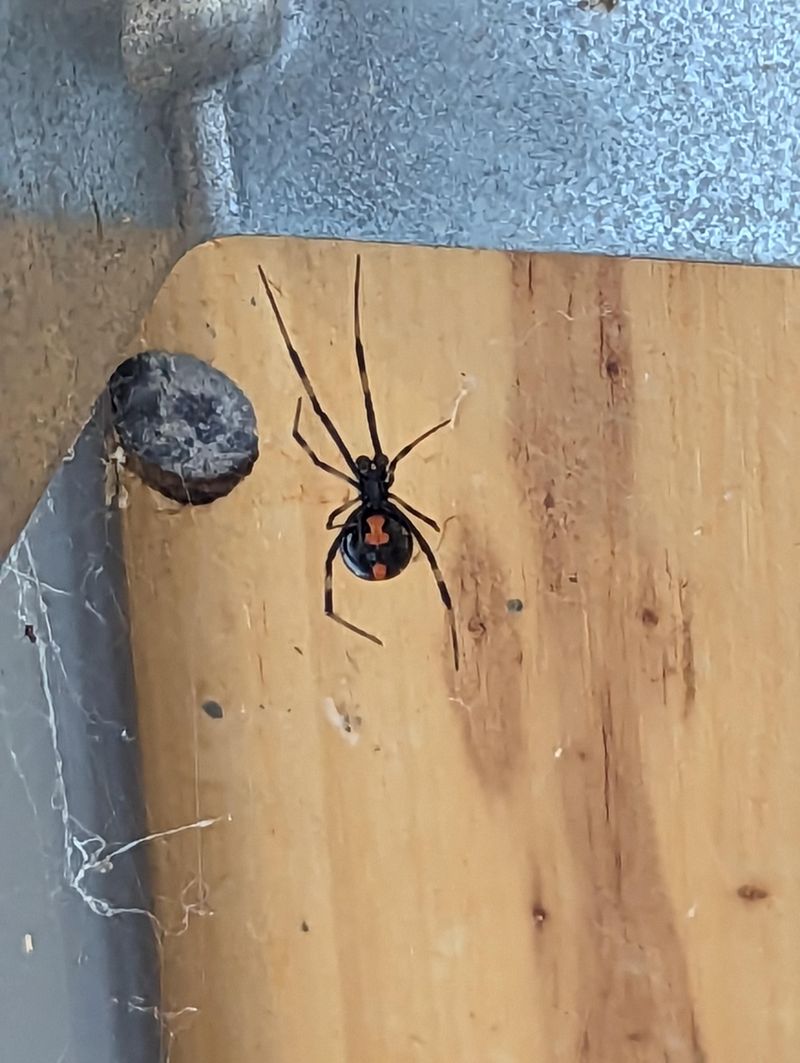
Southern Black Widow
© Reddit

Glossy, round, and jet black, the female black widow looks almost like a shiny bead hanging in the air. Flip her over and you will see a red hourglass on her belly.

That mark is nature’s stop sign.

Black widows spin tangled, messy webs close to the ground. Favorite spots include water meter boxes, under patio furniture, inside old flowerpots, and around woodpiles.

Males are smaller and brownish and are not a concern.

Their venom affects the nerves and can cause muscle cramps, sweating, and stomach pain. Bites are uncommon and usually happen when someone reaches blindly into a dark corner.

A flashlight and a pair of gloves go a long way.

5. Eastern Coral Snake
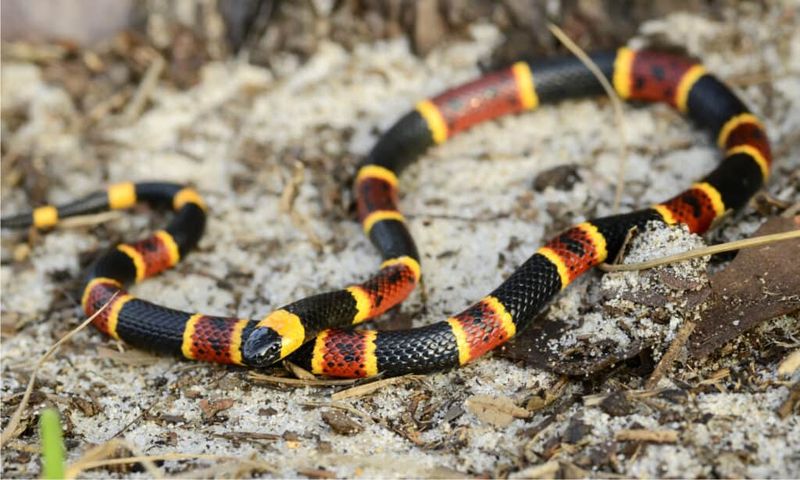
Eastern Coral Snake
© A-Z Animals

“Red touches yellow, kills a fellow. Red touches black, friend of Jack.” Generations of Louisiana kids have learned that rhyme, and it works well for local snakes.

Coral snakes are slender with bright rings of red, yellow, and black. On a true coral snake, the red bands touch the yellow ones.

Harmless look-alikes like the scarlet kingsnake have red touching black instead. The coral snake also has a black nose.

These snakes are secretive and spend much of their time under leaves, logs, and mulch. Their venom is very strong, but they have small mouths and rarely bite unless picked up.

Never handle a banded snake, even if you think you know which kind it is.

6. Timber (Canebrake) Rattlesnake
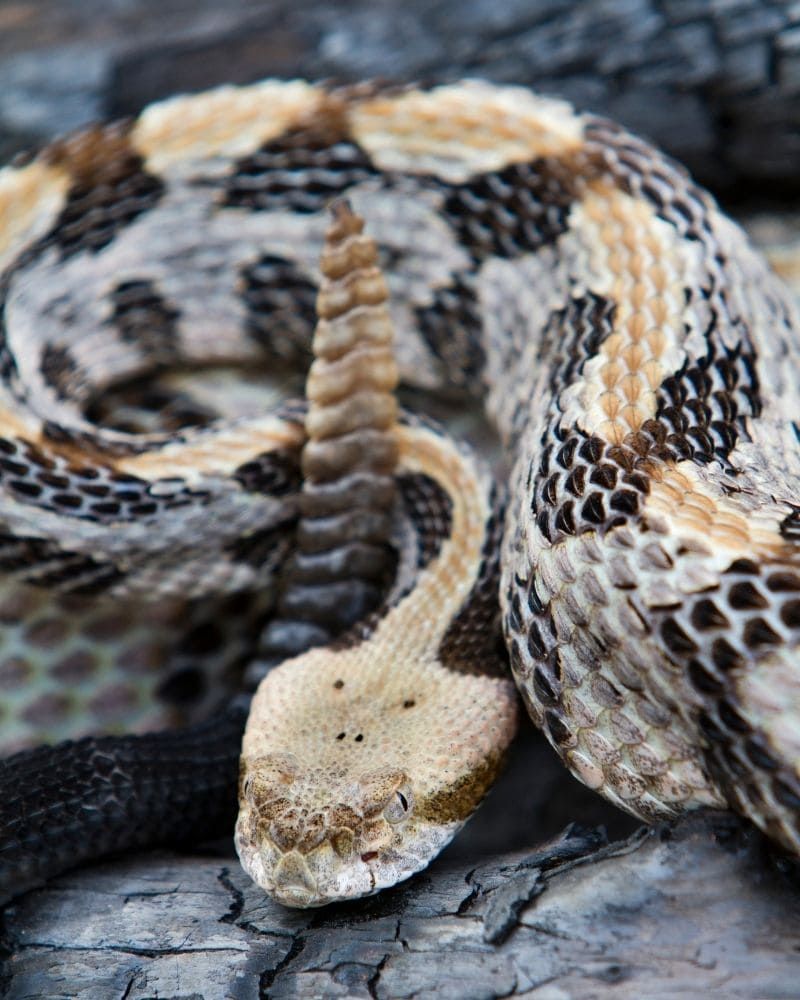
Timber (Canebrake) Rattlesnake
© Weird Animal World

Few sounds make your heart jump like a rattle buzzing from the brush. In Louisiana, the snake behind it is often the canebrake rattlesnake, a big and surprisingly calm reptile.

Canebrakes have a pinkish, tan, or gray body with dark, wavy V-shaped bands called chevrons. A rusty stripe usually runs down the middle of the back, and the tail ends in solid black with a rattle.

Adults can top five feet long.

They live in wooded areas and bottomland forests, so homes near the woods may see one now and then. Their venom is potent, which makes them a serious threat if bitten.

The good news is they often stay still and rattle a warning long before striking.

7. Pygmy Rattlesnake
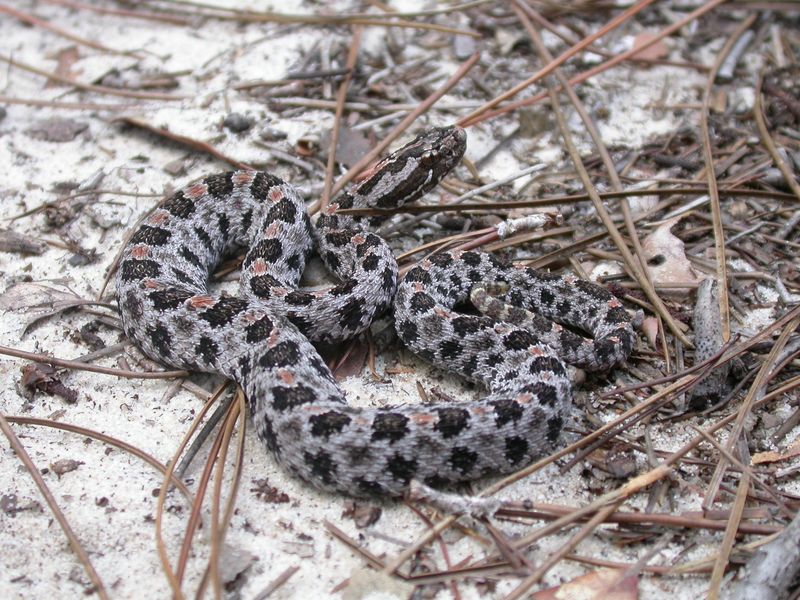
Pygmy Rattlesnake
© | Outdoor Alabama

Small but feisty, the pygmy rattlesnake is easy to overlook. Most adults stay under two feet long, about the length of a ruler and a half.

Look for a gray or tan body with rows of dark round blotches and a thin orange or reddish stripe down the back. The rattle is tiny and sounds more like an insect buzzing than a classic rattle.

Many people never hear it at all.

Pygmies are short-tempered and will strike if bothered. Their bites are painful and swell badly, though they are seldom life-threatening for adults.

Keep grass mowed and clear away brush to make your yard less inviting.

8. Southern Flannel Moth Caterpillar (Puss Caterpillar)
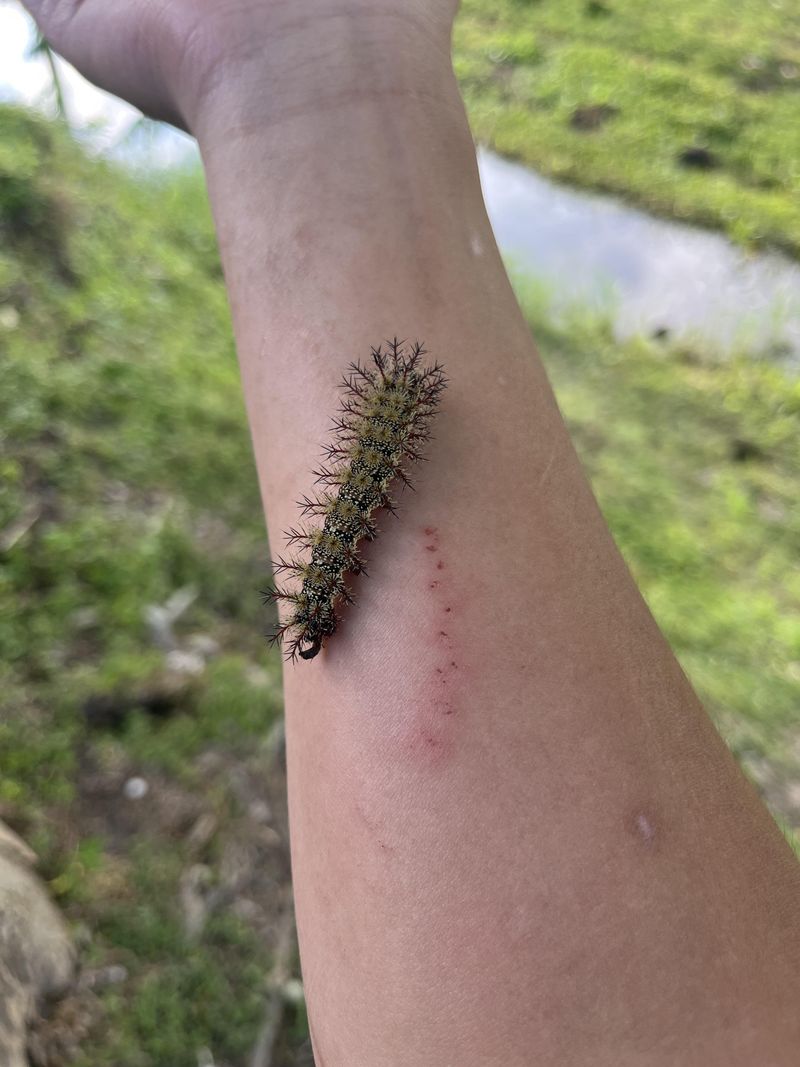
Southern Flannel Moth Caterpillar (Puss Caterpillar)
© Reddit

It looks like a tiny fuzzy wig or a stray cat toy. Kids want to pet it.

Please do not.

Hidden under that soft-looking fur are venomous spines that break off in the skin. A sting can cause burning pain, red marks in a grid pattern, swelling, and sometimes nausea.

Many people say it is one of the worst stings they have ever felt.

Puss caterpillars are tan, gray, or orange and about an inch long. They show up on oak, elm, and citrus trees, and even on playground equipment and fences in late summer and fall.

Fun fact: they grow into a fuzzy little moth that is completely harmless.

9. Red Imported Fire Ant
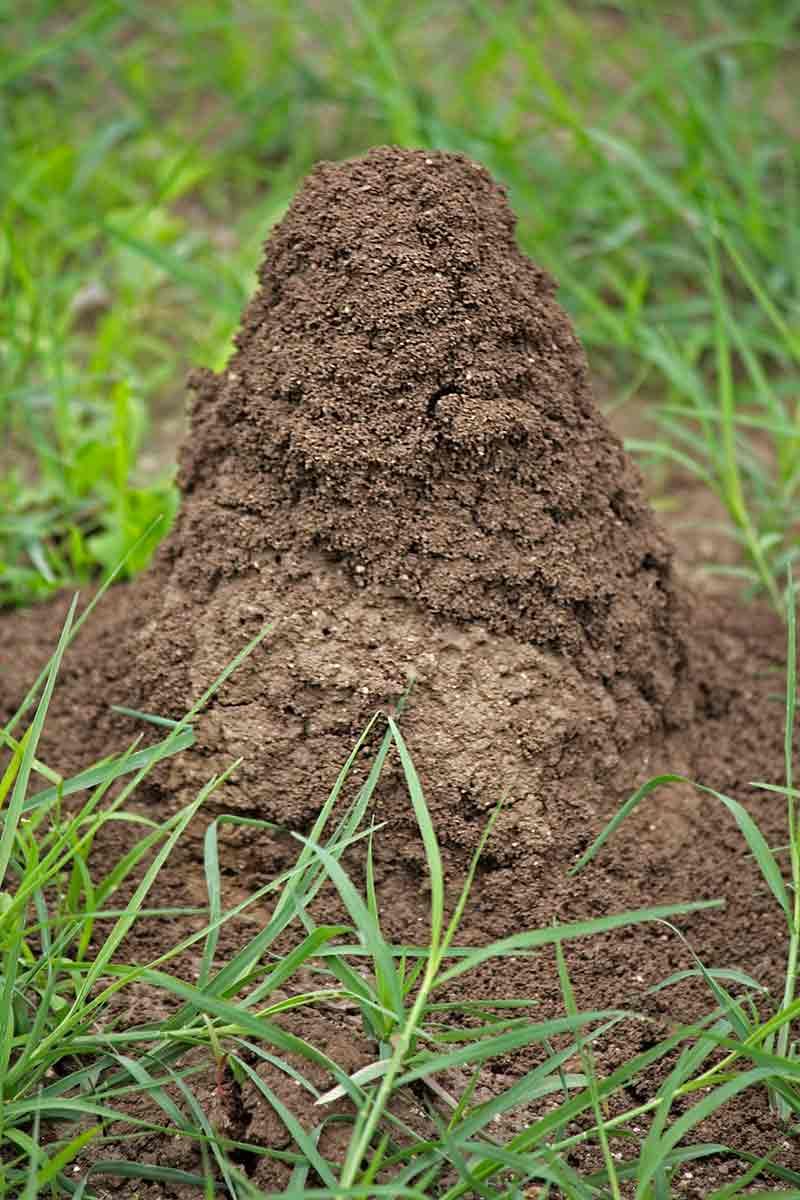
Red Imported Fire Ant
© GardenTech

Anyone who has stood on a fire ant mound by accident knows the dance that follows. These ants arrived in the U.S. through ports along the Gulf Coast in the 1930s and spread quickly across Louisiana.

Fire ants are reddish-brown and small, but they come in huge numbers. Their mounds are fluffy dirt piles with no hole on top, often popping up after rain.

Disturb one and hundreds of ants rush out to sting.

Each sting burns and later forms a small white pustule. For most people it is just painful and itchy, but some have serious allergic reactions.

Watch where kids and pets play, and treat mounds before they spread.

10. Red Velvet Ant (Cow Killer)
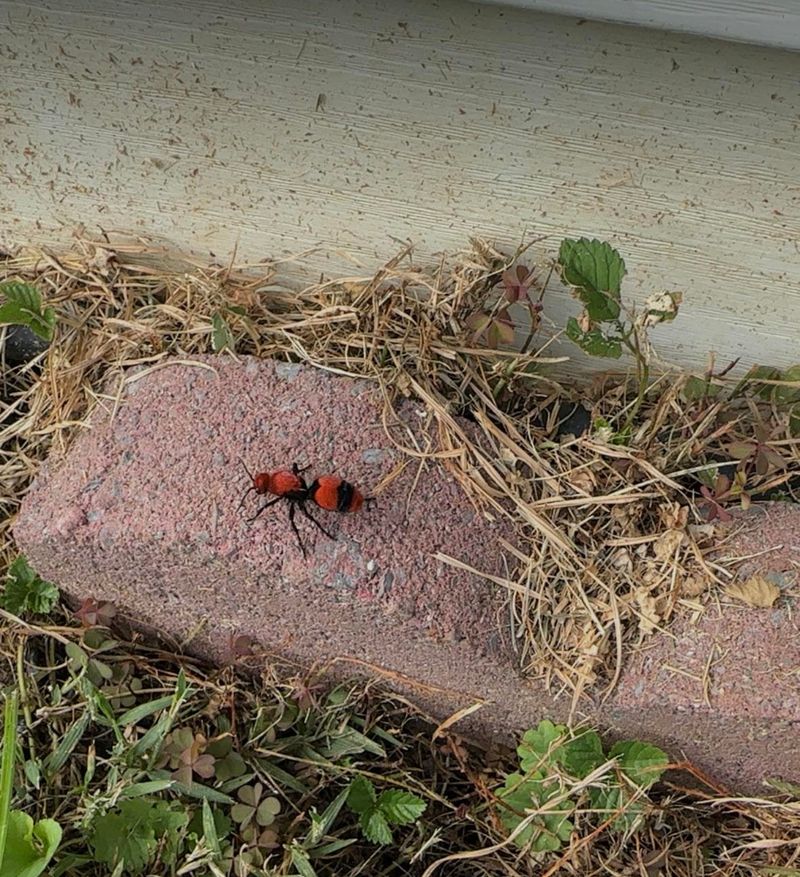
Red Velvet Ant (Cow Killer)
© Reddit

Despite its name, the velvet ant is actually a wingless female wasp. Its old nickname, cow killer, comes from the claim that its sting could take down a cow.

That is not true, but it hurts enough to make you believe it.

You can spot one by its bright red-orange fuzz and black stripes. It scurries quickly over sandy or bare soil on hot, sunny days.

The bold colors warn birds and lizards to stay away.

Velvet ants are not aggressive and only sting when stepped on or grabbed. Going barefoot in sandy yards is the main risk.

If you see one, admire it from a distance and let it go about its business.

Share this story

CB

Written by

Celeste Boudreaux

More from Celeste Boudreaux →

About Gardening Latest

Gardening Latest provides in-depth guides to maintaining and enhancing your garden and backyard. Learn how to make the most of the space you have and create a beautiful garden.

More about us →

Latest stories

  • Minnesota GardeningSpotting a Bald Eagle Near Your Minnesota Neighborhood in December Means More Than You Think

    Spotting a Bald Eagle Near Your Minnesota Neighborhood in December Means More Than You Think

    2 min ago
  • Illinois GardeningCopperheads, Timber Rattlesnakes, And Brown Recluses All Turn Up In Illinois Yards, So Here’s How To Tell Them Apart

    Copperheads, Timber Rattlesnakes, And Brown Recluses All Turn Up In Illinois Yards, So Here’s How To Tell Them Apart

    8 min ago
  • Delaware GardeningThat Giant Flower Stalk on Your Delaware Rhubarb Is Telling You Something, and Here’s Whether to Cut It

    That Giant Flower Stalk on Your Delaware Rhubarb Is Telling You Something, and Here’s Whether to Cut It

    20 min ago
  • South Carolina GardeningFor Every Seedling You Pull, Another Pops Up: The Invasive Tree Overrunning South Carolina Neighborhoods

    For Every Seedling You Pull, Another Pops Up: The Invasive Tree Overrunning South Carolina Neighborhoods

    28 min ago
  • Kentucky GardeningKentucky Has a Tiny Mammal With a Venomous Bite, and It’s Hunting Under Your Lawn All Winter

    Kentucky Has a Tiny Mammal With a Venomous Bite, and It’s Hunting Under Your Lawn All Winter

    34 min ago

Gardening by state

Stories for your state, and the hardiness zone most of it gardens in.

Keep exploring

Read next

All Louisiana Gardening →
Louisiana GardeningThose Coyote Howls Echoing Across Your Louisiana Yard at Night Have a Seasonal Explanation
Louisiana Gardening

Those Coyote Howls Echoing Across Your Louisiana Yard at Night Have a Seasonal Explanation

2 hr ago
Louisiana GardeningDoes Eating Celery Every Day Make a Difference?
Louisiana Gardening

Does Eating Celery Every Day Make a Difference?

6 hr ago
Louisiana GardeningThat Feathery Palm-Like Plant On Louisiana Porches Dates Back To The Dinosaurs, And It’s Toxic To Pets
Louisiana Gardening

That Feathery Palm-Like Plant On Louisiana Porches Dates Back To The Dinosaurs, And It’s Toxic To Pets

9 hr ago

More from Louisiana Gardening

  • Those Little Mud Chimneys in Your Louisiana Yard May Be Crawfish Burrows

    Nov 15
  • These Venomous Neighbors Share Louisiana Yards, And Here’s Where Each One Hides

    Nov 15
Back to top

Leave a response Cancel

Your email address stays private. Required fields are marked with an asterisk.

Gardening Latest

In-depth guides to maintaining and enhancing your garden and backyard: how to make the most of the space you have, and how to make it beautiful.

  • Facebook
  • X
  • Pinterest
  • YouTube

We may earn a portion of sales from products or services that are purchased through our site as part of our affiliate partnerships with retailers.

Explore

  • About GardeningLatest.com
  • Contact Us
  • Terms and Conditions
  • Privacy
  • Editorial Note:
  • FTC Disclosure

Newsletter

New garden guides and seasonal tips, straight to your inbox.

We’ll email you a link to confirm. Unsubscribe any time.

Almost there! Check your inbox and tap the link to confirm.

© 2026 Gardening Latest. All rights reserved.

Back to top