When the leaves pile up and the nights turn chilly, some of New Jersey’s most unwelcome backyard guests start moving around more than usual. Snakes look for winter dens, spiders slip indoors, and stinging insects get cranky as their colonies wind down.
Knowing who is out there in late fall can help you rake, stack firewood, and clean the garage without a painful surprise. Here are seven venomous critters worth watching for before the first hard freeze.
1. Northern Copperhead
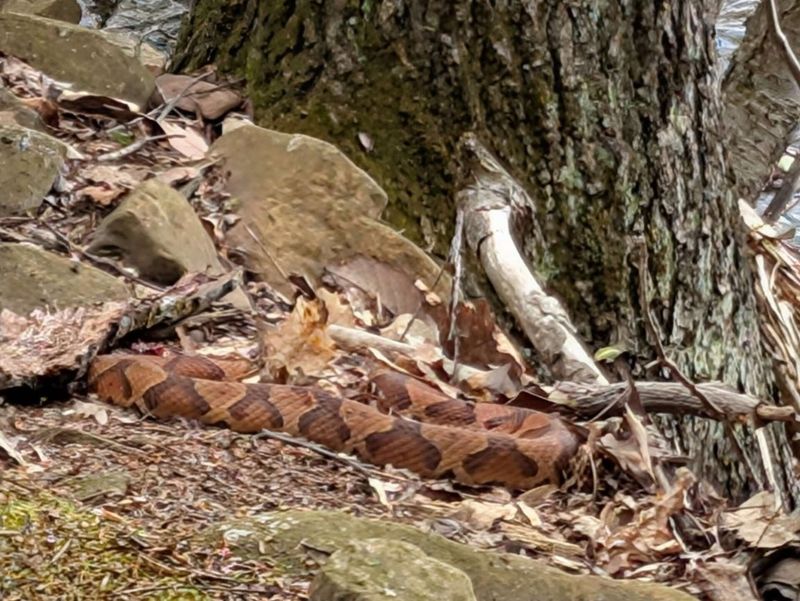
Picture a pile of fallen oak leaves, and now picture a snake that looks exactly like them. The northern copperhead is a master of disguise, with hourglass-shaped bands in copper, tan, and chestnut brown.
In New Jersey, copperheads live mostly in the northern hills, including the Highlands and areas near the Palisades. Late fall is when they travel back to rocky dens, sometimes crossing yards, stone walls, and woodpiles along the way.
Copperhead bites are rarely deadly, but they hurt a lot and need medical care. Most bites happen when someone steps on or grabs a hidden snake.
Wearing boots and using a rake instead of bare hands when clearing leaves makes a big difference.
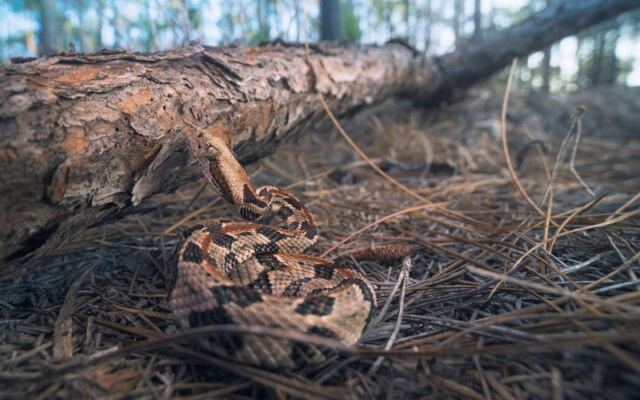
2. Timber Rattlesnake
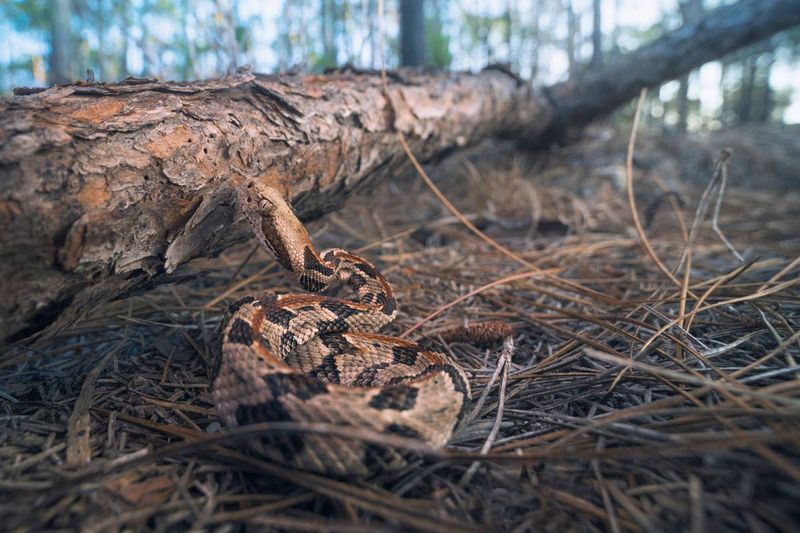
Here is a fun fact to share at dinner: the timber rattlesnake is an endangered species in New Jersey, and it is illegal to harm or kill one. That makes it both rare and protected.
Timber rattlers live in two main areas, the rocky ridges of the north and the sandy Pine Barrens in the south. In October and early November, they gather near den sites and bask on sunny rocks to soak up the last warm days.
If you hear a dry buzzing sound, freeze, find the snake, and slowly back away. These snakes would much rather warn you than bite you.
Homeowners who find one should call the state wildlife hotline instead of trying to move it.
3. Black Widow Spider
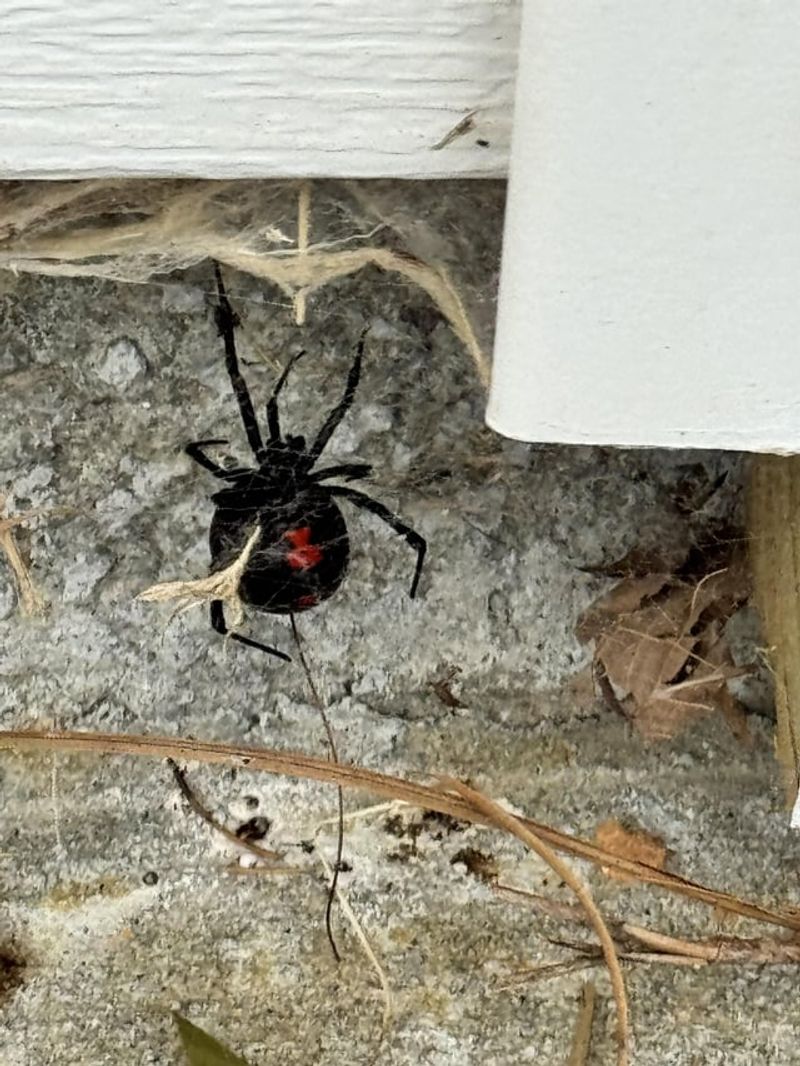
Grabbing a log for the first fire of the season? Look before you reach.
Black widows love the dark gaps in firewood stacks, sheds, and old flowerpots.
New Jersey has the northern black widow, which has a broken red hourglass on its belly and sometimes red spots on its back. The female is the one to worry about, since her venom affects nerves and causes cramps and pain.
Bites are uncommon and seldom serious for healthy adults, though kids and older folks should see a doctor right away. Gloves, a flashlight, and leaving firewood outside until you need it are simple ways to keep these shy spiders out of your day.
4. Yellowjacket
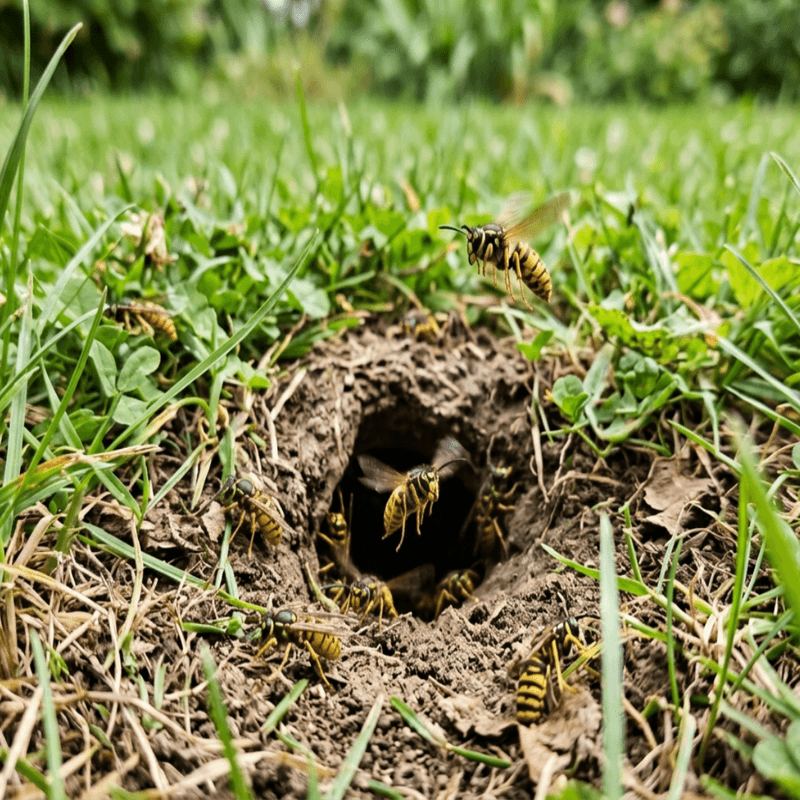
Ever had a picnic ruined by a buzzing wasp diving into your soda can? That was probably a yellowjacket, and in late fall they get even pushier.
As colonies shrink, worker yellowjackets stop raising young and go hunting for sugar. Fallen apples, trash cans, and sweet drinks become magnets.
Many nests are underground, so mowing or raking over a hole can trigger an angry swarm.
Unlike honeybees, yellowjackets can sting again and again. The good news is that the first hard frost kills the workers, and only new queens survive the winter.
Until then, cover drinks, close trash lids, and mark any nest holes you spot.
5. Bald-Faced Hornet
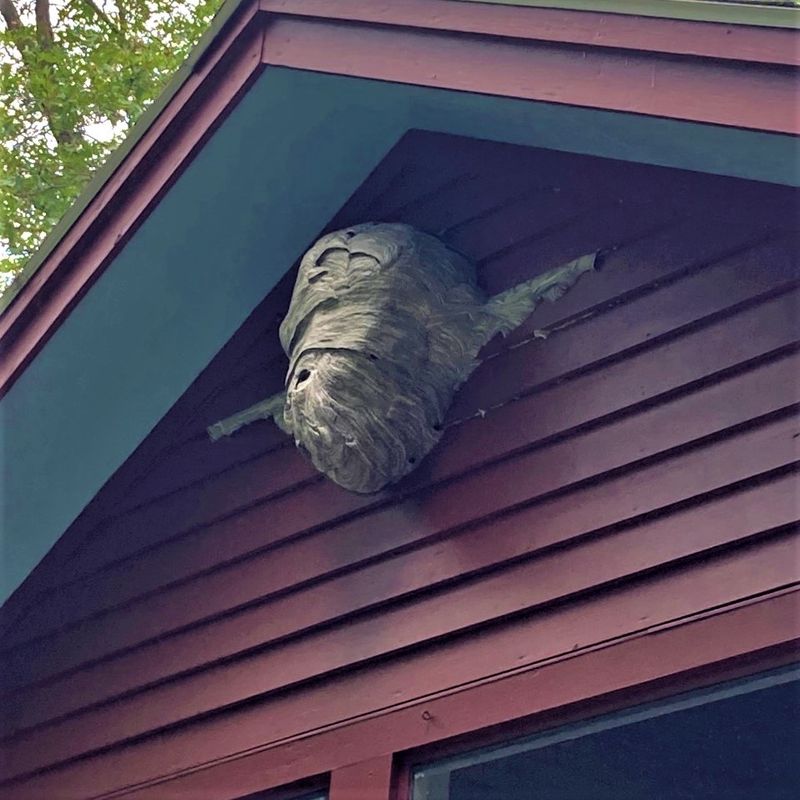
Funny how a nest can hide all summer and then suddenly appear the moment the trees go bare. Many New Jersey homeowners first notice bald-faced hornet nests in November, hanging like gray paper footballs from branches or eaves.
These black and white insects are actually a type of yellowjacket, not a true hornet. They guard their nests fiercely and will chase intruders, delivering painful stings.
By late fall, most nests are nearly empty or abandoned. After a few hard freezes, it is usually safe to leave them alone since they will not be reused.
Still, poking one with a stick on a mild autumn afternoon is a lesson nobody wants to learn.
6. Yellow Sac Spider
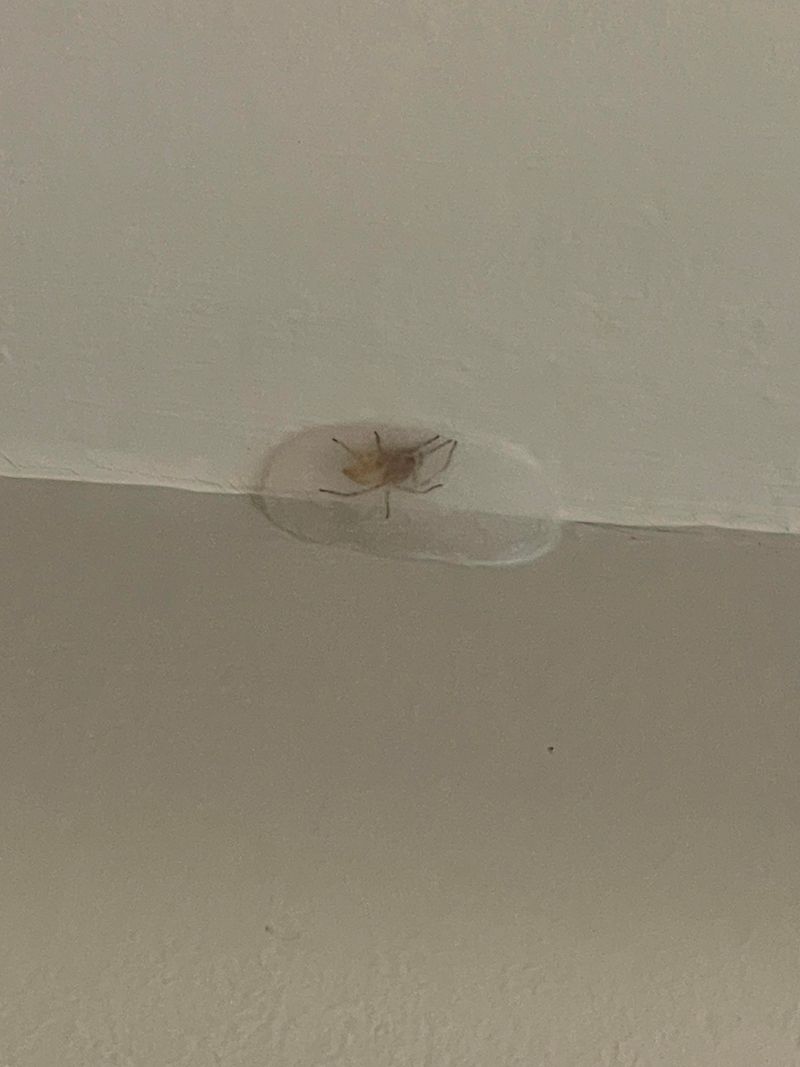
Small, pale, and fast, the yellow sac spider is the one most likely to end up inside your house this time of year. When temperatures drop, these night hunters wander indoors and hide in silky sacs in wall corners and window frames.
They do not build webs to catch food. Instead they roam, which is why people sometimes get bitten while sleeping or putting on clothes left on the floor.
A bite can cause redness, swelling, and a small sore, but it is usually mild. Sealing cracks around windows and shaking out clothes and shoes are easy habits that keep encounters rare.
7. Saddleback Caterpillar
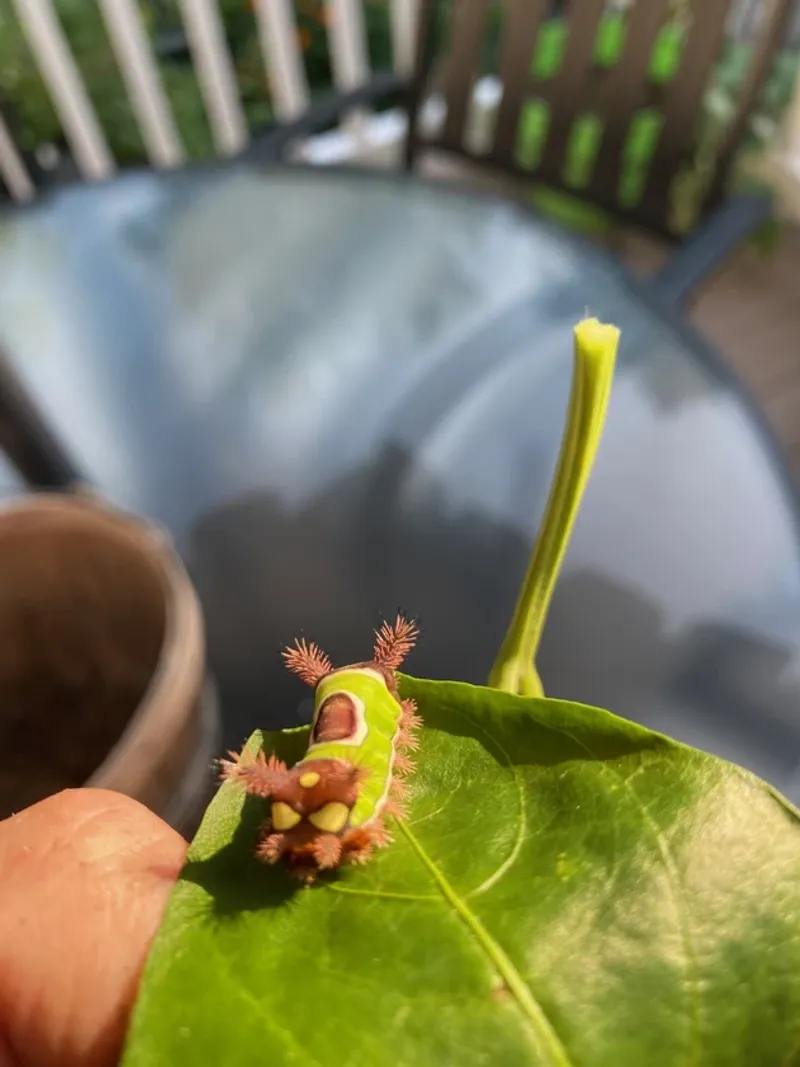
Cute as a cartoon, painful as a hot needle. The saddleback caterpillar wears a bright green coat with a brown spot that looks like a tiny saddle.
Its spines carry venom, and brushing against one can cause burning pain, rash, and swelling for hours. In New Jersey, they show up on garden plants, shrubs, and corn into early fall, and they can still be found on leaves you are bagging up.
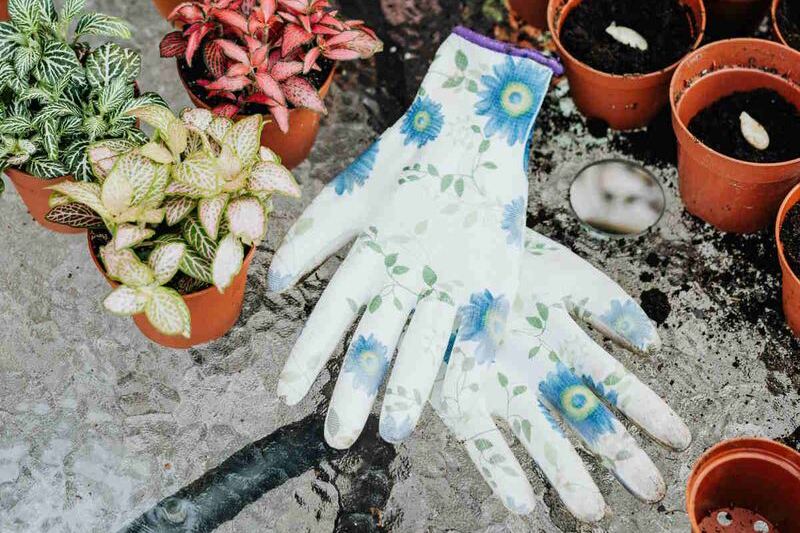
Gardeners, keep gloves on when pulling plants. If you get stung, pressing tape on the spot and pulling it off can remove broken spines.
Cold packs help with the sting while you wait for it to fade.
Share this story