Get the latest garden guides in your inbox →
Gardening Latest
  • General Gardening
  • Lawn Care
  • Plant Care
  • Composting
  • Soil Health
  • Backyard
  • Garden Muse Magazine
  • General Gardening
  • Lawn Care
  • Plant Care
  • Composting
  • Soil Health
  • Backyard
  • Garden Muse Magazine
  • News
  • Gardening Calendar
  • Garden Structures
  • Vegetable Garden
  • Vertical Garden
  • Raised Beds
  • Hydroponics
  • General Equipment
  • Community Gardens
Garden Themes
  • Spiritual Garden
  • Hydroseeding
  • Seeding and Laying Sod
  • Artificial Grass
  • Lawn Care Equipment
  • Plants
  • Trees
  • Planting Tools
  • Composting Basics
  • Fertilizer
  • Alternative Growing Mediums
  • Front Yard
  • Backyard Activities
  • Landscaping
Gardening Latest

Explore by state

Which state is your garden in?

Currently viewing Florida

All states

Northeast

  • Connecticut —
  • Delaware 45
  • Maine —
  • Maryland 31
  • Massachusetts 47
  • New Hampshire —
  • New Jersey 31
  • New York 40
  • Pennsylvania 40
  • Rhode Island —
  • Vermont —

Southeast

  • Alabama 31
  • Arkansas —
  • Florida 31
  • Georgia 31
  • Kentucky 45
  • Louisiana 30
  • Mississippi —
  • North Carolina 29
  • South Carolina 44
  • Tennessee 27
  • Virginia 30
  • West Virginia —

Midwest

  • Illinois 30
  • Indiana 32
  • Iowa 44
  • Kansas —
  • Michigan 31
  • Minnesota 30
  • Missouri 29
  • Nebraska —
  • North Dakota —
  • Ohio 31
  • South Dakota —
  • Wisconsin 45

Southwest

  • Arizona 30
  • Colorado —
  • Nevada —
  • New Mexico —
  • Oklahoma —
  • Texas 29
  • Utah —

West

  • Alaska —
  • California 30
  • Hawaii —
  • Idaho —
  • Montana —
  • Oregon —
  • Washington —
  • Wyoming —

No state matches that search.

Site menu

Gardening Latest
  • General Gardening
    • News
    • Gardening Calendar
    • Garden Structures
    • Vegetable Garden
    • Vertical Garden
    • Raised Beds
    • Hydroponics
    • General Equipment
    • Community Gardens
    Garden Themes
    • Spiritual Garden
  • Lawn Care
    • Hydroseeding
    • Seeding and Laying Sod
    • Artificial Grass
    • Lawn Care Equipment
  • Plant Care
    • Plants
    • Trees
    • Planting Tools
  • Composting
    • Composting Basics
  • Soil Health
    • Fertilizer
    • Alternative Growing Mediums
  • Backyard
    • Front Yard
    • Backyard Activities
    • Landscaping
  • Garden Muse Magazine

Explore

  • About GardeningLatest.com
  • Contact Us

Get the latest from the garden

New guides on lawn care, plants and backyard projects, sent when they go up.

Subscribe →

Follow

  • Facebook
  • X
  • Pinterest
  • YouTube
Florida Gardening

A Florida Mammal Weighing About Two Quarters Is Venomous, and It Hunts in Your Mulch

Florida is home to a mammal so small that its top weight is about the same as two U.S.

MV

By Marisol Vega

November 29, 2026 · 6 min read

A Florida Mammal Weighing About Two Quarters Is Venomous, and It Hunts in Your Mulch

Florida is home to a mammal so small that its top weight is about the same as two U.S. quarters, and it belongs to a group of shrews known for venom. Sherman’s short-tailed shrew eats tiny creatures, and it spends its life close to the ground where plants and leaves pile up.

Gardeners in southwest Florida may wonder what is scurrying through their yards. Here is what is known, what is only suspected, and how to stay safe around wild animals.

At a glance

Where
Florida Gardening
Hardiness zone
9 20 to 30°F
Read
6 minutes
Published
November 29, 2026

Meet Sherman’s short-tailed shrew

Meet Sherman’s short-tailed shrew
© Naples Daily News

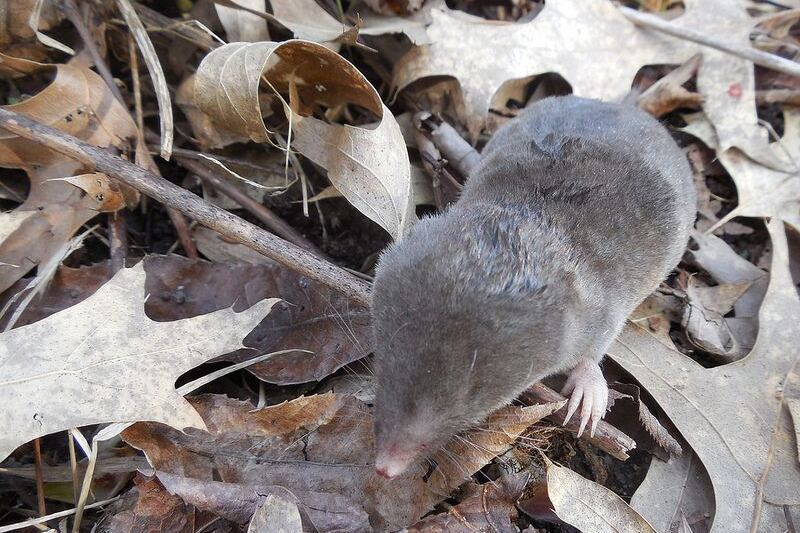
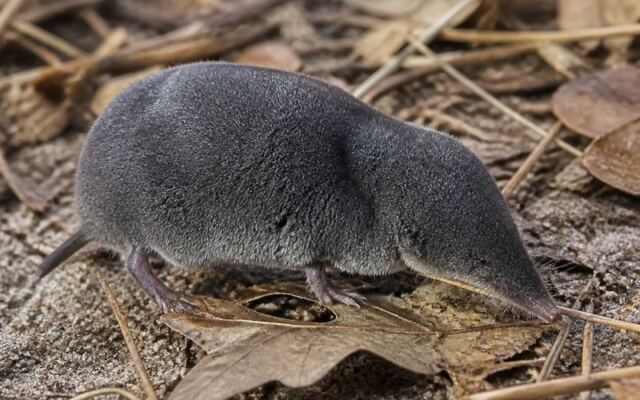
Picture a mouse-sized animal with velvety gray fur, a pointed snout, and a tail so short it looks almost stubby. That is Sherman’s short-tailed shrew, a small mammal that lives in Florida.

It is not a rodent, though many people mistake shrews for mice. Shrews belong to a different group and spend their days hunting for food.

According to the Florida Fish and Wildlife Conservation Commission profile, this shrew is listed as state-threatened. The agency records it in just two counties, Collier and Lee, which sit in southwest Florida.

That is a tiny slice of the state, so this is not an animal most Floridians will ever meet.

The same profile describes where it lives. Habitat includes dense herbaceous areas, moist forests, ditches, and disturbed transitional habitat.

In plain terms, think of thick low plants, damp woods, drainage ditches, and patchy land that is changing from one type of cover to another.

So if you spot a small furry animal in your Fort Myers or Naples yard, do not assume it is this shrew. Many other small animals look similar at a glance.

This species is rare and limited to a small range, which is part of what makes it special. Its reported maximum weight is the next piece of the puzzle, and it explains the quarter comparison in the headline.

Two quarters describes its maximum weight
Two quarters describes its maximum weight
© Outforia

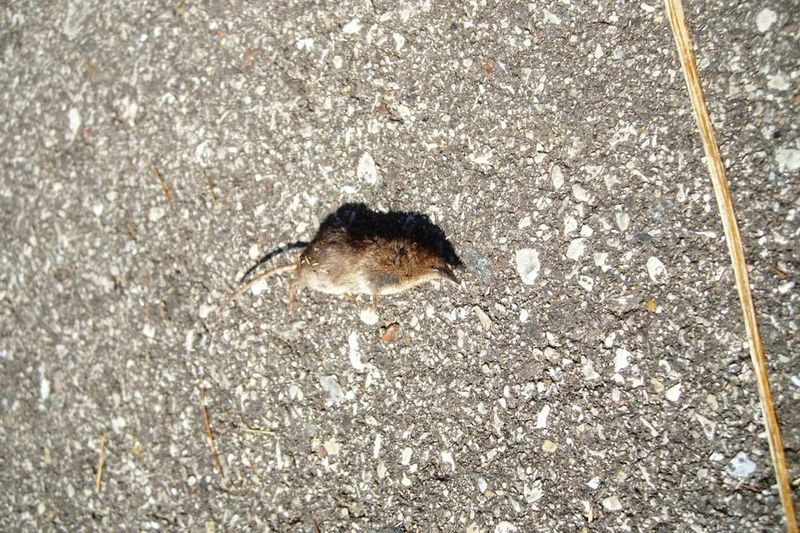
Two U.S. quarters weigh about 11.3 grams together, and that number matters here. FWC reports that Sherman’s short-tailed shrew can weigh up to 11.3 grams, or 0.4 ounces.

The words “up to” are the key. That figure is a reported maximum, not an average.

The FWC profile describes an insect-heavy diet and a habitat of dense herbaceous areas, moist forests, ditches, and transitional land.

Think of the quarter comparison as a way to picture the heaviest individuals. Many shrews will weigh less than that.

If you picture two coins sitting in your palm, you have a good sense of the upper end of this animal’s size.

Weight is only one part of the profile. The same source lists what this shrew eats, and the menu is made up of small invertebrates.

Ants, beetle larvae, and butterflies all appear in the diet. That is an insect-heavy list, which fits a creature built to snuffle around for tiny prey.

Notice what this section does not say. A weight and a menu tell us how big the animal can get and what it eats.

They do not tell us anything about venom, and they do not pinpoint exactly where it hunts. Those are separate questions with their own evidence, and the next sections take them one at a time.

Researchers suspect venom, but have not confirmed it
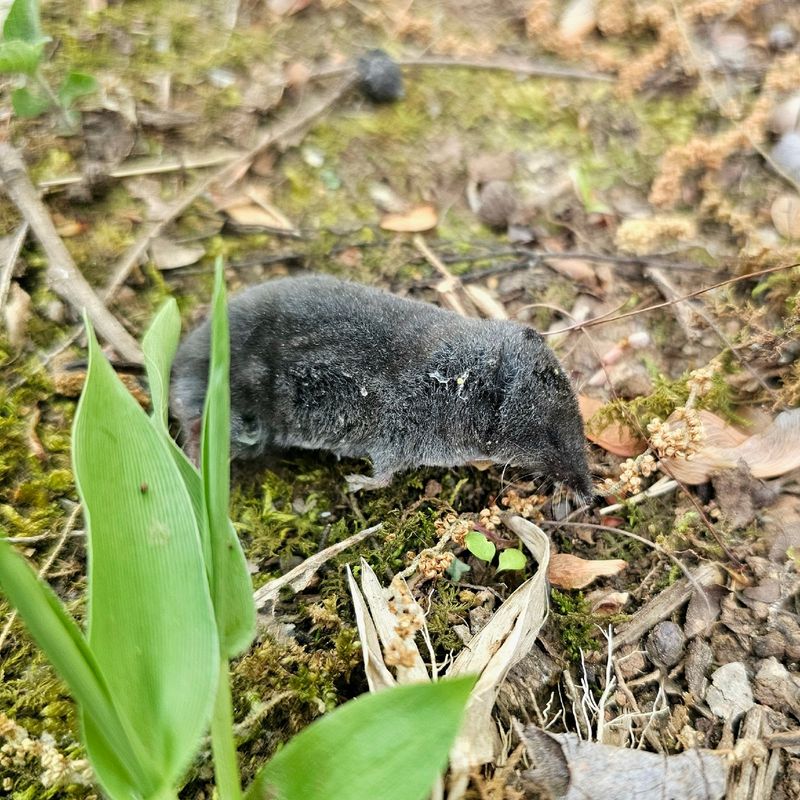
Researchers suspect venom, but have not confirmed it

Venom in mammals is rare, which is why shrews get so much attention. A peer-reviewed review of venom in shrews, moles, and their relatives, Venom Use in Eulipotyphlans, lists Sherman’s short-tailed shrew among species considered likely to be venomous.

The same review says its venom has not been surveyed. So the word to use is suspected, not confirmed.

That gap is not a small detail. Suspecting something and testing it are very different.

No one has yet published the kind of work that would show what, if anything, this Florida shrew delivers when it bites.

A close relative gives scientists a reference point. Blarina brevicauda, the northern short-tailed shrew, is a different species, and its venom has been studied directly.

A research paper on Blarina toxin describes a lethal venom from that animal.

Those findings belong to Blarina brevicauda. They should not be copied over to Sherman’s short-tailed shrew as if the two were the same.

Different species can differ in what they make and how strong it is.

For the same reason, nothing here sets a human risk level for the Florida shrew. The sources do not say its bite is harmless, and they do not say it is dangerous.

That question is simply open.

Ground cover does not prove a preference for mulch
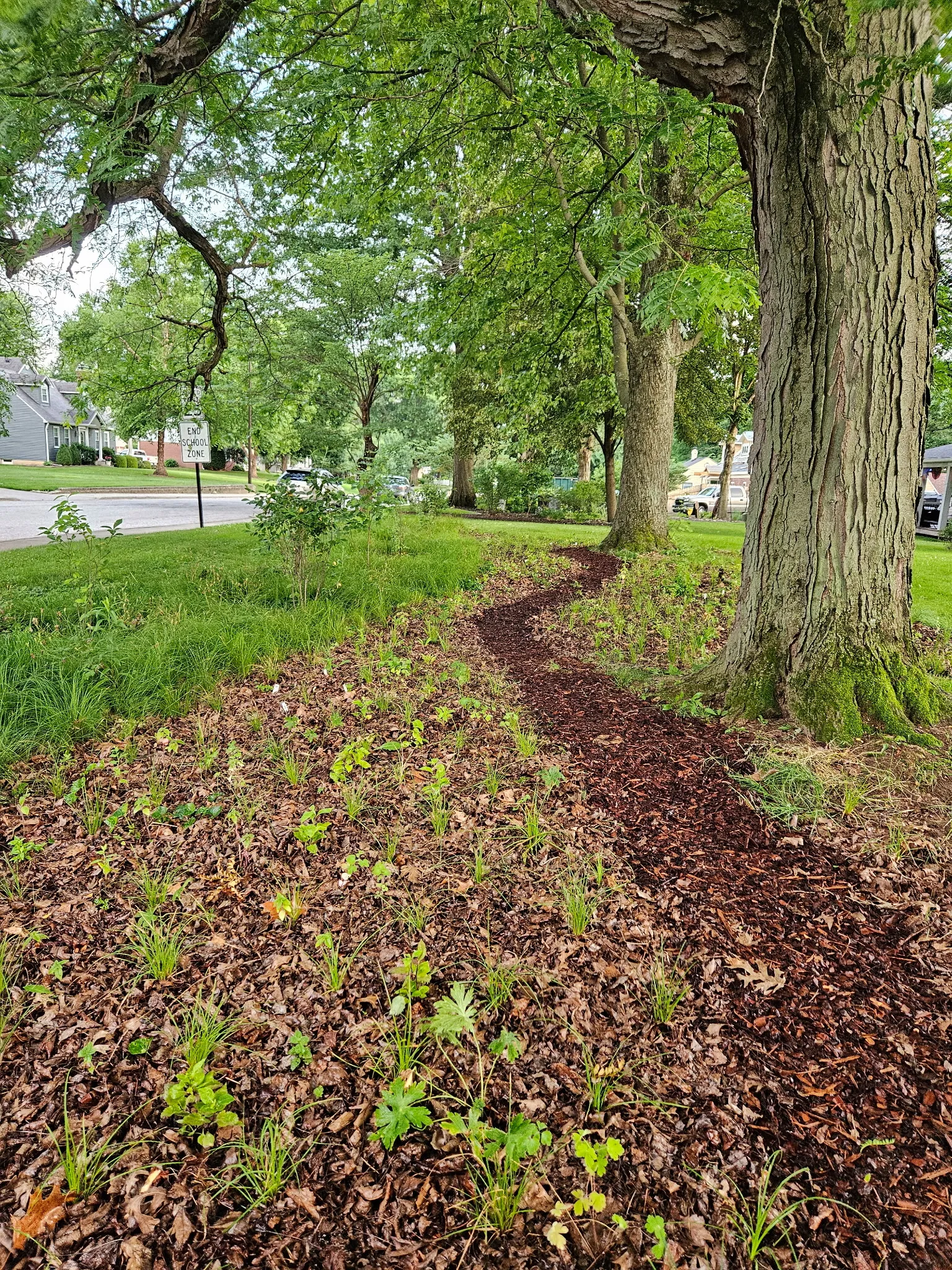
Ground cover does not prove a preference for mulch
© Homegrown National Park

Mulch makes a catchy headline, but the sources tell a more careful story. The FWC profile describes an insect-heavy diet and a habitat of dense herbaceous areas, moist forests, ditches, and transitional land.

None of that mentions garden mulch.

General shrew guidance fills in a little more. The Pennsylvania Game Commission’s page on shrews and moles describes shrews foraging in or near ground cover.

That is guidance about shrews in general, not a study of Sherman’s short-tailed shrew in Florida yards.

Next comes the food supply. UF/IFAS explains how leaf litter can support insects.

Put the pieces together and it is plausible that a shrew would forage near ground cover where small prey lives.

Plausible is not the same as proven. Mulch, leaf litter, animal tunnels, and thick vegetation are different things, and a shrew using one does not mean it favors another.

No source reviewed shows that this species specifically or routinely hunts in garden mulch.

A practical clue: if you want to know what lives in your beds, look at the habitat around you. Damp, shady, insect-rich spots in Collier or Lee County are the sort of places a shrew might use, but a sighting would still need a proper identification.

Keep your distance from a wild shrew
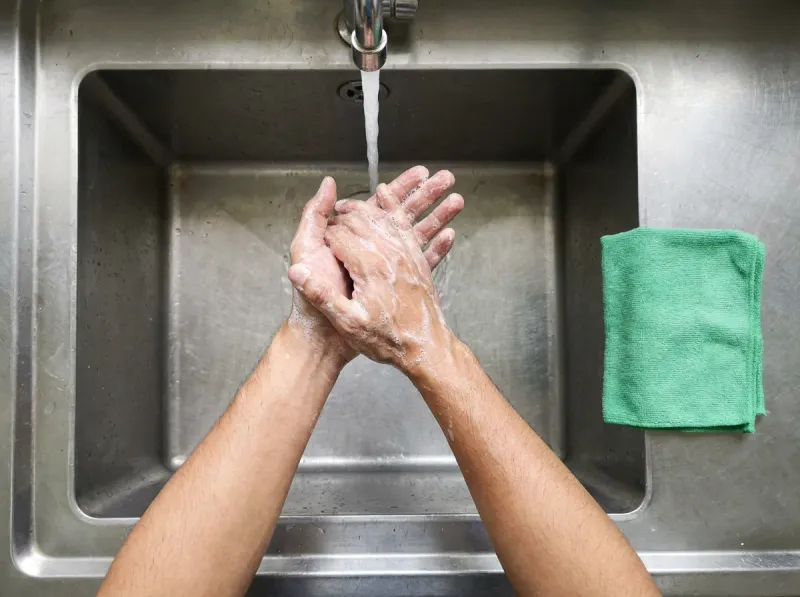
Keep your distance from a wild shrew
© Webvet

Whatever the truth about its venom, the smart move with any wild animal is the same: leave it alone. CDC guidance on wildlife advises keeping your distance from wild animals.

That means no picking up a shrew, even a tiny one that seems calm or hurt.

This is general advice, not a risk rating for this species. The sources reviewed do not establish how risky a Sherman’s short-tailed shrew bite is for people.

Keeping hands off is simply a sensible default.

If a bite or scratch does happen, the same CDC guidance says to wash the wound right away with warm, soapy water. After that, seek medical advice when warranted.

A doctor or health department can talk through concerns such as rabies and tetanus.

Gardeners can add a few easy habits. Wear gloves when moving leaf piles or lifting boards, and let children know that wild animals are for watching, not holding.

If you think you have found this protected shrew, snap a photo from a distance and share it with FWC rather than moving the animal.

What the evidence shows
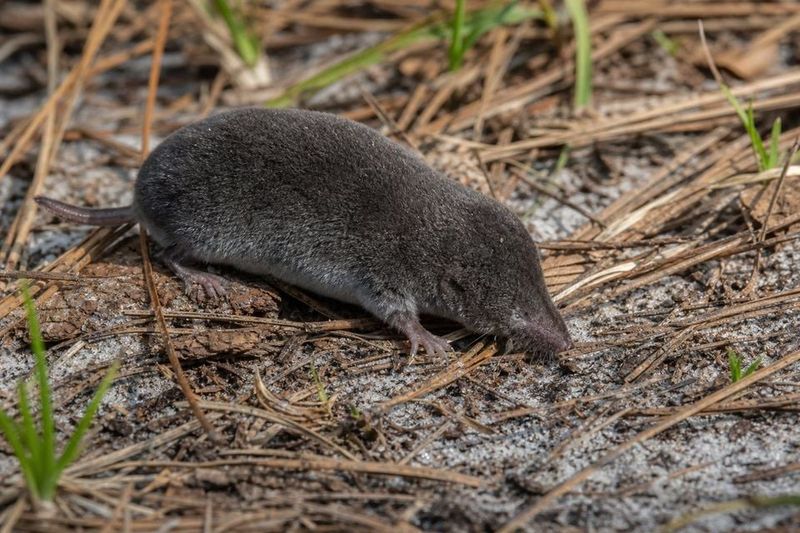
What the evidence shows
© Outforia

The headline holds together once the details are added. The two-quarter comparison points to a top weight of 11.3 grams, as FWC reports, and not a typical one.

Venom in this shrew is suspected by researchers but unconfirmed. Foraging near ground cover is plausible, yet it does not prove a special bond with garden mulch.

Not bad for an animal you could hide under a teacup: its biggest secrets are still waiting for someone to look.

Share this story
MV

Written by

Marisol Vega

More from Marisol Vega →

About Gardening Latest

Gardening Latest provides in-depth guides to maintaining and enhancing your garden and backyard. Learn how to make the most of the space you have and create a beautiful garden.

More about us →

Latest stories

  • Alabama GardeningThat Burning Saddleback Caterpillar Sting in Your Alabama Garden Calls for These Steps Right Away

    That Burning Saddleback Caterpillar Sting in Your Alabama Garden Calls for These Steps Right Away

    Just now
  • Minnesota GardeningBefore You Pick Up That Big Black Caterpillar With White Spots In Minnesota, Read This

    Before You Pick Up That Big Black Caterpillar With White Spots In Minnesota, Read This

    6 min ago
  • Illinois GardeningDeer Are Rubbing Their Antlers on Your Illinois Saplings Right Now, and Here’s How to Save Them

    Deer Are Rubbing Their Antlers on Your Illinois Saplings Right Now, and Here’s How to Save Them

    12 min ago
  • Louisiana GardeningLouisiana’s Venomous Critters Are Hiding In Your Yard, And Fall Is When They Come Out

    Louisiana’s Venomous Critters Are Hiding In Your Yard, And Fall Is When They Come Out

    18 min ago
  • Delaware GardeningDelaware Bucks Are Shedding Their Antlers Soon, and Picking One Up in the Woods Is Perfectly Legal

    Delaware Bucks Are Shedding Their Antlers Soon, and Picking One Up in the Woods Is Perfectly Legal

    24 min ago

Gardening by state

Stories for your state, and the hardiness zone most of it gardens in.

Keep exploring

Read next

All Florida Gardening →
Florida GardeningThat Huge Black Moth Resting by Your Florida Front Door Is a Witch Moth, and Here’s Why It Showed Up
Florida Gardening

That Huge Black Moth Resting by Your Florida Front Door Is a Witch Moth, and Here’s Why It Showed Up

3 hr ago
Florida GardeningFrom Pygmy Rattlesnakes To Black Widows, Here’s How To Recognize Every Venomous Creature Lurking In Florida Yards
Florida Gardening

From Pygmy Rattlesnakes To Black Widows, Here’s How To Recognize Every Venomous Creature Lurking In Florida Yards

6 hr ago
Florida GardeningYour Oak Leaf Litter Is Home to Florida’s Venomous Southern Short-Tailed Shrew
Florida Gardening

Your Oak Leaf Litter Is Home to Florida’s Venomous Southern Short-Tailed Shrew

9 hr ago

More from Florida Gardening

  • Florida’s Winter Cold Snaps Push Opossums Toward Your Home, and Here’s What to Do

    Nov 27
  • A Yellow Jacket Nest Turned Up Near Your Florida Home, And Here’s What To Do About It

    Nov 26
Back to top

Leave a response Cancel

Your email address stays private. Required fields are marked with an asterisk.

Gardening Latest

In-depth guides to maintaining and enhancing your garden and backyard: how to make the most of the space you have, and how to make it beautiful.

  • Facebook
  • X
  • Pinterest
  • YouTube

We may earn a portion of sales from products or services that are purchased through our site as part of our affiliate partnerships with retailers.

Explore

  • About GardeningLatest.com
  • Contact Us
  • Terms and Conditions
  • Privacy
  • Editorial Note:
  • FTC Disclosure

Newsletter

New garden guides and seasonal tips, straight to your inbox.

We’ll email you a link to confirm. Unsubscribe any time.

Almost there! Check your inbox and tap the link to confirm.

© 2026 Gardening Latest. All rights reserved.

Back to top