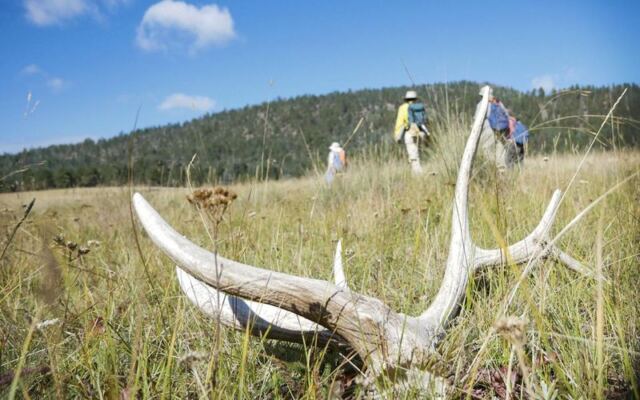
Winter walks in Delaware can turn into a treasure hunt, because bucks drop their antlers every year and some of them land right on the ground for you to find. Whether you may pick one up depends on where you are standing, so a little homework makes the search much more fun.
Here is when shedding usually happens, where deer sign can point you, and what the rules say on different kinds of land. Lace up your boots and get ready to look down.
When Delaware bucks usually shed
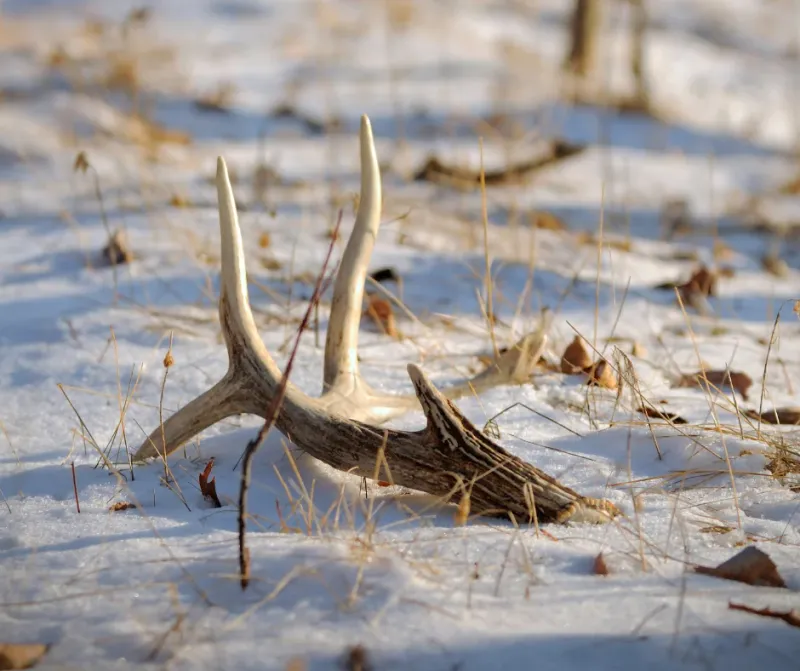
Bucks grow a new set of antlers each year and then drop them. Delaware’s deer plan names January and February as the typical shedding months in the state.
Think of that as a usual window, not a promise.
The plan dates to 2010, and timing changes from one deer to the next and from one year to the next. Some bucks may let go of an antler earlier than January, and others may hold on longer.
Nobody can tell you the day a particular buck will drop his headgear.
What drives all this is a yearly hormone cycle. As the days get shorter and then begin to lengthen, changes in a buck’s hormones weaken the connection between the antler and the skull.
University of Missouri Extension links this annual cycle to day length. It reports that in an average season some bucks shed in late December and most have shed by early March.
That is why a cold snap is not the whole story. Cold weather does not simply knock antlers loose.
The body follows a seasonal clock, and the weather just happens to be chilly when the clock strikes.
For you, the takeaway is simple. Plan your walks for the winter months, stay flexible, and treat every outing as a chance to enjoy the woods whether or not you find a single antler.
Deer sign can guide a search
Deer do not spread out evenly across the landscape. The Delaware deer plan describes them using wooded or brushy cover alongside open areas, which gives you a handy picture of the kind of ground they like.
That picture can help you decide where to start. Look for places where cover meets open ground, such as a hedgerow beside a field or the brushy edge of a woodlot.
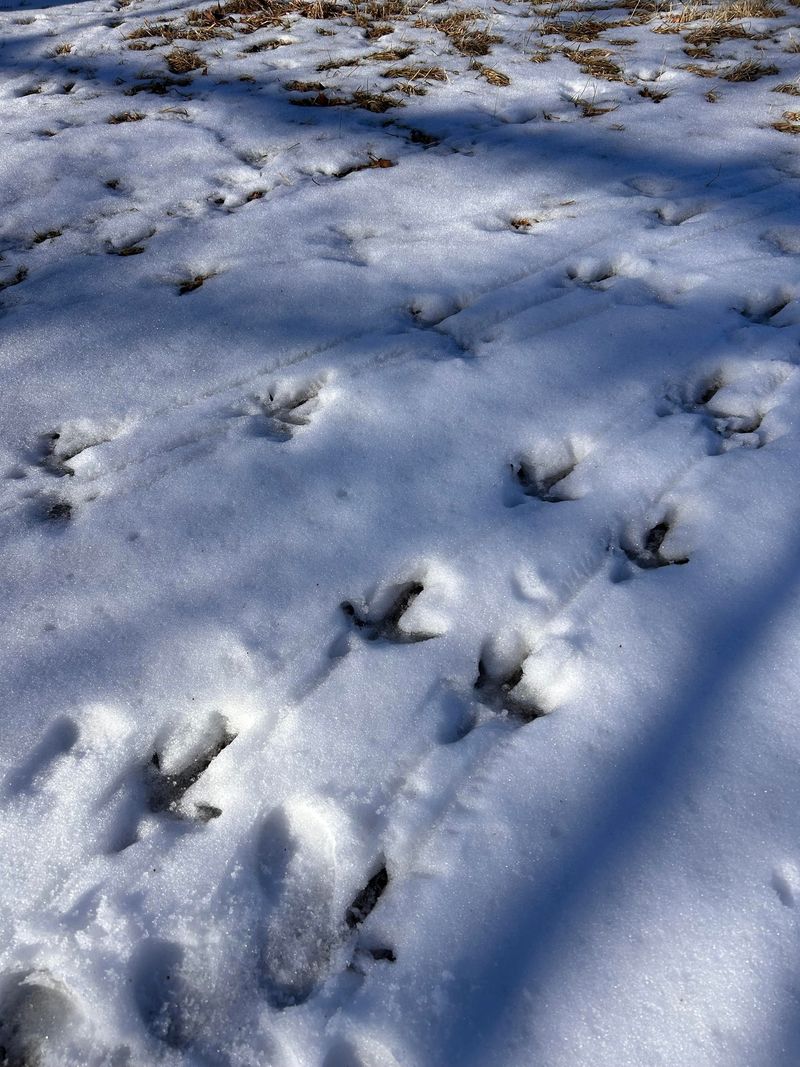
Fresh deer sign adds more clues. Tracks in soft soil, trampled trails, droppings, and bedding spots that look like flattened patches of grass all show that deer have been passing through.
Areas with plenty of sign are a sensible place to spend your time.
Still, sign is only a clue. A well-worn trail does not mean a buck dropped an antler there, and a quiet patch of woods might hold one anyway.
Antlers are often hard to see against leaves and brush, so finding one takes luck as well as good planning.
For that reason, skip any claim of a secret best spot. No habitat type or single location guarantees a find.
Use the habitat and sign to narrow your search, then enjoy the walk for what it is.
Walk slowly and scan the ground
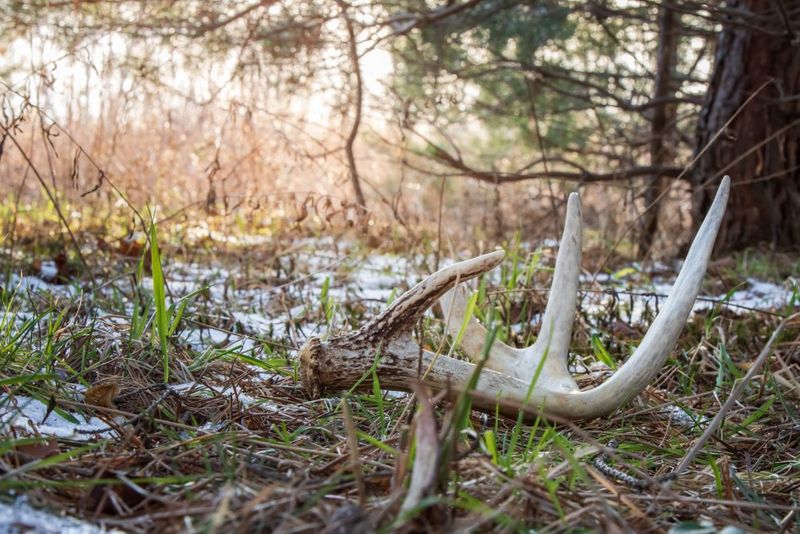
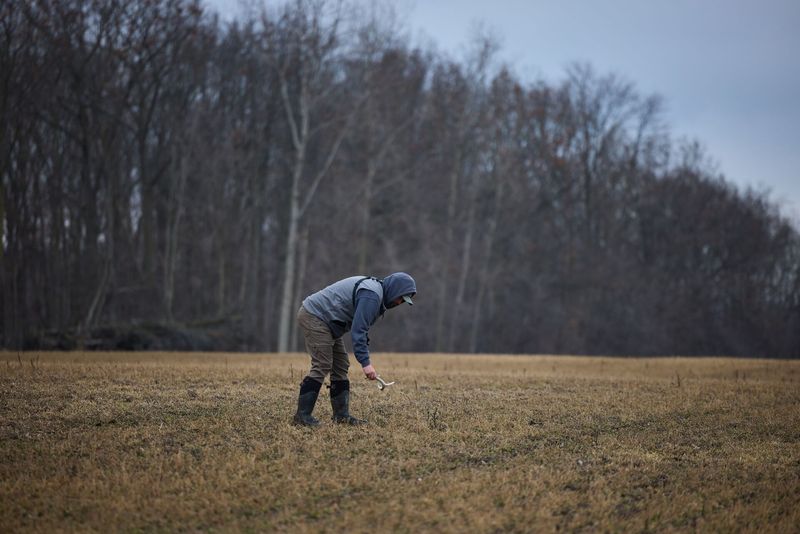
Patience is the main tool of any shed hunter. Slow down far more than you would on a normal hike, and let your eyes sweep the ground in a steady pattern.
An antler can look just like a branch, so a second glance at odd shapes pays off.
Timing matters too. New York’s Department of Environmental Conservation, in its Searching for Sheds guide, suggests looking in late winter or early spring, after the snow melts and before new plants grow tall enough to hide things.
It also recommends checking areas with more deer sign.
Keep in mind that this is general advice from another state. It is not a forecast of success for Delaware, and it does not mean you will find anything on a given day.
A few simple habits help. Walk into the sun if you can, since low light makes shapes stand out.
Pause often and scan from a standing position. Look under brush and along fence lines where antlers may have dropped.
One more rule belongs here. Never walk toward deer to improve your odds.
A shed antler is not worth stressing an animal, so if you spot deer, turn the other way and look somewhere else.
Get permission before searching private land
A backyard or a private woodlot may look inviting, but it is not open to visitors just because deer walk through it. Before you step onto private property, find the owner and ask.
The same goes for taking an antler once you find one.
A polite request goes a long way. Introduce yourself, explain that you are looking for shed antlers, and ask where you may walk.
Many landowners say yes, especially when you promise to close gates and leave things as you found them.
You may wonder what Delaware law says about antlers. Delaware’s deer provisions mention antlers only in a narrow way.
They exempt antlers from a restriction on selling, transporting, shipping, or possessing deer parts with intent to sell.
That wording is not a general right to collect antlers. It also does not settle who may enter a piece of land.
Access still depends on the owner.
So the practical rule is easy to remember. Get a clear yes before you enter, and get a clear yes before you carry an antler out.
If the answer is no or you cannot reach the owner, simply stay out and look somewhere you are welcome.
Public-land rules depend on the land manager

Public land is not one single category in Delaware. Each type has its own rules, so the manager’s rules are what count.
On DNREC wildlife areas, the general rules prohibit collecting or removing wildlife. They do not separately clarify naturally shed antlers, so do not assume a yes or a no. Entry is limited to half an hour before sunrise through half an hour after sunset, and designated areas require a Conservation Access Pass for a registered vehicle.
Those requirements apply to wildlife areas and not to every public tract.
State parks work the same way. The state park regulations prohibit collecting or possessing wildlife, flora, or fauna.
Like the wildlife-area rules, they do not address naturally shed antlers by name.
Federal refuges are different and much clearer. The U.S.
Fish and Wildlife Service says removing natural objects, including antlers, requires a special permit.
State forests have their own regulation. The cited state forest rule prohibits removing living animals but does not expressly address naturally shed antlers.
Silence is not permission.
Before you collect on any public tract, contact the land manager, whether that is the wildlife area office, the park, the Forest Service, or the refuge. Ask first and bring home photos instead if the answer is unclear.
Give wintering deer space and leave antler traps behind
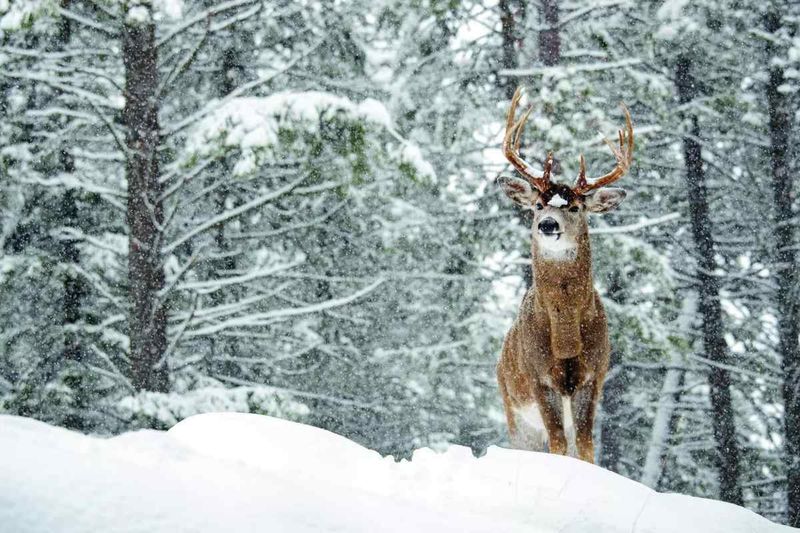
Winter is a hard season for deer. They have less food and need to save energy, so being chased or startled again and again can cost them.
Idaho Fish and Game urges shed hunters to give wintering wildlife space. That is general wildlife guidance, not a Delaware legal rule, but it is wise anywhere.
In practice, keep your distance when you see deer. Do not push them from cover, and do not return to the same bedding area day after day.
Back away quietly and search elsewhere.
There is one device rule worth knowing. DNREC’s hunting and trapping law materials say devices intended to remove or collect shed antlers from deer are unlawful.
Leave antler traps and anything like them at the store.
Before you take any antler home, run through a short check. Do you have the landowner’s permission on private property?
Have you confirmed the rules with the specific land manager on public land?
The best shed hunts leave nothing behind but footprints, and the deer never know you were there.
Share this story