Illinois courts back trimming overhanging tree branches that cause damage, but no clear rule covers every vine that crosses a fence. That gap matters because a quick snip can lead to a property fight or a nasty rash.
Knowing where the law is firm and where it is fuzzy can save you money and stress. Here is how to sort out what you can do and what to check first.
Illinois law does not give a clear yes for every overhanging vine
The short answer is that Illinois law gives you firmer footing with damaging tree branches than with harmless vines. An Illinois appellate court in Ridge v.
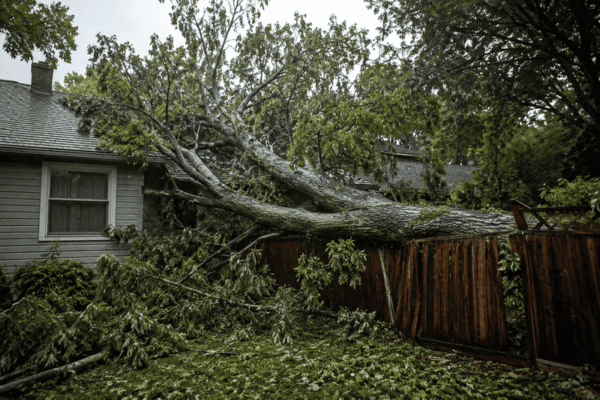
Blaha said it would not be proper to bar neighbors from trimming overhanging branches that cause them damage. That is a real point of support for homeowners with a limb scraping a roof or crushing a fence.
What the case does not do is squarely decide whether you may remove vines that are simply growing across the line and doing no harm. It dealt with branches, not vines.
So the decision is not blanket permission to cut anything that crosses a fence, and it is not a ban either.
Other sources read the right to remove encroachments more broadly. Illinois Legal Aid Online offers a wider explanation of tree and neighbor issues, but that is a separate interpretation, not an appellate ruling that settles the question for vines.
Two practical details shape your next move. First, the type of plant matters, since a vine, a branch, and a tree trunk are not treated alike.
Second, the exact location of the property line matters, because cutting on your neighbor’s side can create a bigger problem than the vine ever did. The sections below walk through both.
What the tree-branch case actually establishes
Ridge v. Blaha grew out of a dispute over a boundary-line tree and an injunction.
In the appellate opinion, the court said it would not be proper to bar the neighbors from trimming overhanging branches that cause them damage.
Notice the two limits built into that statement. It is about branches, and it is about branches that cause damage.
The court did not announce a general right to remove harmless growth, and it did not discuss vines.
The case also separates two different situations. A tree whose trunk crosses the boundary can be jointly owned, and the opinion discusses that idea.
Branches or vines that merely reach across the line are a different issue, because the plant itself is rooted on one side.
That difference helps in everyday decisions. If a trunk straddles the line, treat the tree as something both owners have a stake in and talk before touching it.
If only growth crosses over, the Ridge language about damaging branches is the closest guidance, and it still leaves gaps.
Roots and trunk position should not be used as proof of where the boundary sits, either. Those clues can mislead, which is why the line itself deserves a careful check.
Vines are not automatically covered by the same rule

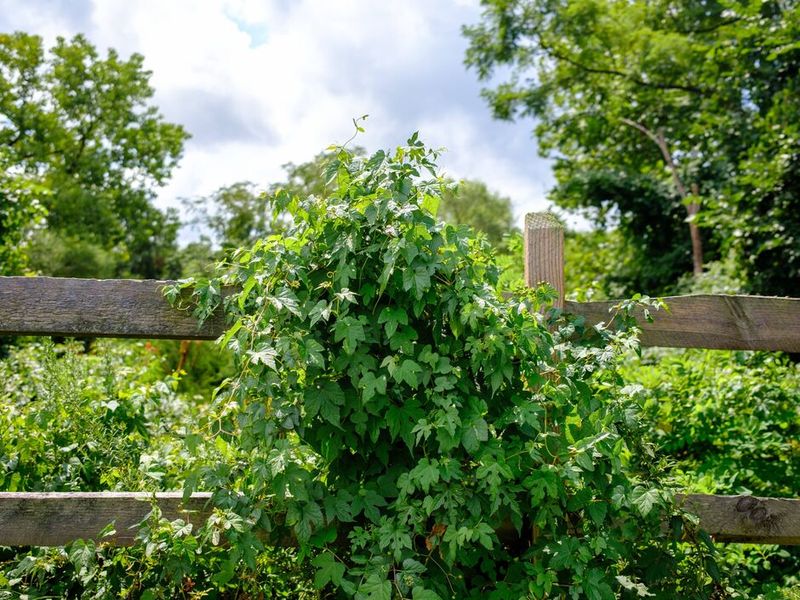
A vine is not the same thing as a tree branch, and the Ridge decision does not say they are treated alike. The sources reviewed do not point to a specific Illinois appellate rule for cutting a neighbor’s vines over a fence.
Anyone who tells you the answer is obvious is going further than the case law does.
Compare the two sources. The appellate case supports trimming overhanging branches that cause damage.
Illinois Legal Aid Online reads the right to deal with encroachments more broadly.
That broader reading is useful as general information, but it is an interpretation. It is not a definitive holding that settles the question for vines, and the Ridge opinion itself is narrower.
Here is a practical example. A vine pulling down your fence panels looks like damage, so you are closer to the facts of Ridge.
A vine with a few harmless tendrils poking through a slat is a weaker case for cutting, and you should not assume every harmless encroachment may be removed.
When the law is unsettled, the safer choice is to hold off on aggressive cutting. Confirm the line, learn what the plant is, and consider a conversation first.
A fence may not mark the legal boundary
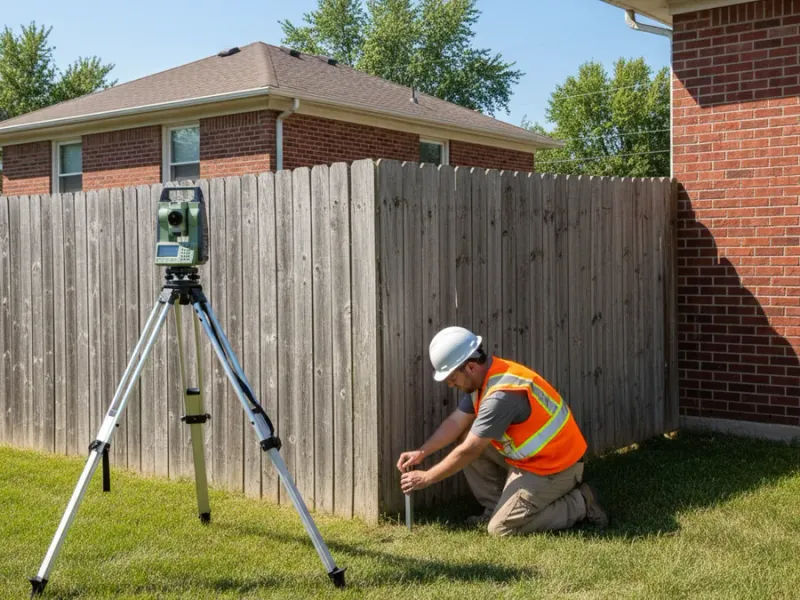
Many people assume the fence sits right on the property line. Often it does not.
Fences get built a little inside or outside the true line, and some stay put for decades after a lot was measured.
Online maps are no better as final proof. Carroll County, Illinois says its GIS maps are approximate and recommends an Illinois-licensed surveyor when the exact line matters.
This ties directly to the vine question. If the fence is a foot or two off, the vine you plan to cut may actually be growing on the neighbor’s land, or the stem may start on your side after all.
Cutting the wrong plant could turn a minor annoyance into a dispute.
Do not treat a fence, a map, a tree trunk, or a root location as conclusive proof of the boundary. Each can hint at where the line runs, but none replaces a survey.
A survey costs money, so weigh it against the stakes. For a few stray tendrils, a friendly talk may do.
For a large removal, repeated cutting, or any project near the line, paying for a surveyor is cheaper than a legal fight.
A careful conversation can reduce the chance of a dispute
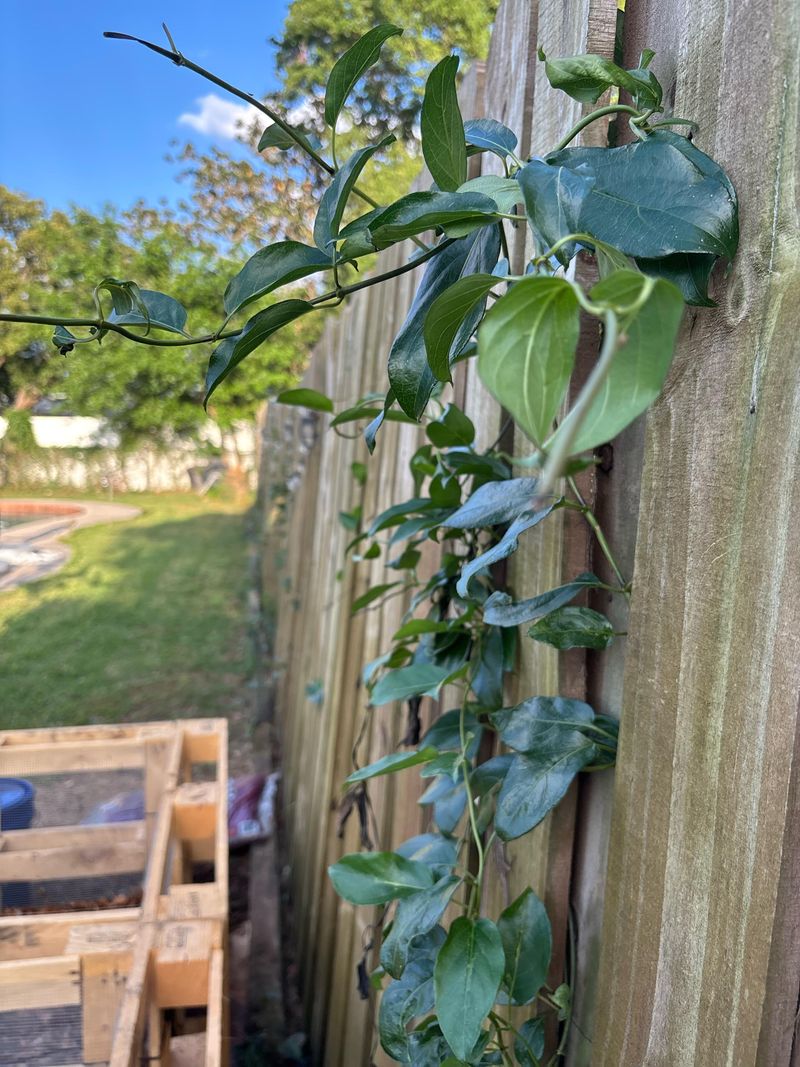
Before you pick up pruners, a few simple steps can lower the risk of conflict. These are prudent precautions, not notice requirements set by Illinois law, and they do not apply the same way in every case.
Start by documenting. Take dated photos of the vine, where it crosses the fence, and any damage to your fence, siding, gutters, or plants.
Notes about when the growth appeared can help later if the neighbor disagrees.
Next, identify what you are dealing with. The Ridge decision, described in the appellate opinion, focused on branches that cause damage, so record whether the growth is harming anything or only crossing over.
Then ask the neighbor. A short, friendly note or chat works well: say what you noticed, show the photos, and ask how they would like to handle it.
Many neighbors will agree to trim it themselves or let you do it.
If you do cut, keep your work on your own side and avoid cutting or treating growth on the neighbor’s side. The broader view offered by Illinois Legal Aid Online is a reason to stay careful rather than a guarantee of protection.
The tree-cutting statute is not a blanket pruning rule
Illinois has a law about wrongful tree cutting, and it has defined triggers. It is not general permission to prune, and it does not automatically impose treble damages for any trimming.
You can read the Wrongful Tree Cutting Act on the state legislature’s site.
Section 2 addresses intentionally cutting timber or a tree without legal right, as shown in the official text of 740 ILCS 185/2. Section 2.7 addresses certain unauthorized cutting or damage to a live tree or woody plant in a residential yard, and the 2025 compiled text lays out the wording.
Do not assume a particular vine counts as a statutory woody plant. Also do not assume that a specific pruning does or does not meet the statute.
Those questions depend on the facts and the exact wording, and a lawyer is the right person to ask.
Claiming that any trimming triggers triple damages is misleading, since the damages provisions have specific elements. Still, the law is a reason to be careful with a neighbor’s live plants.
Local government may also play a role. Illinois law authorizes municipalities to regulate or remove nuisance greenery in certain circumstances, as found in the Illinois Municipal Code.
That authority does not itself settle your right to cut a particular vine, so check your city or village rules too.
Identify the vine before you handle it
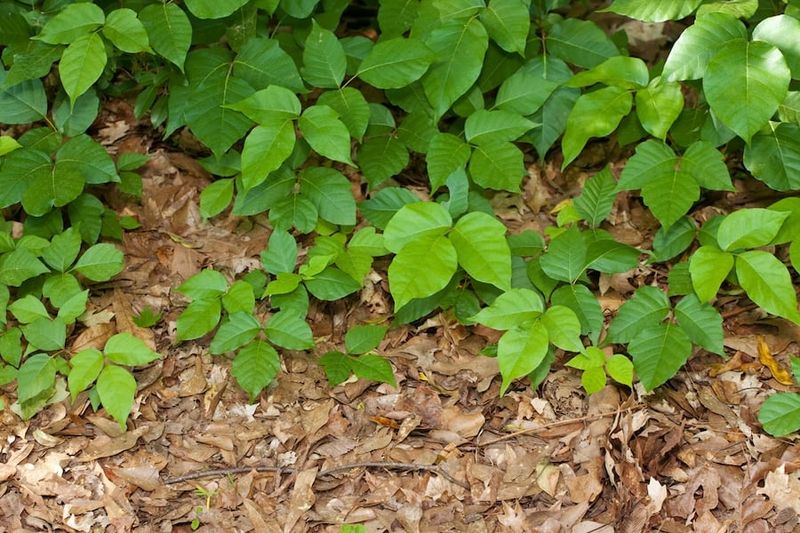
Some vines can hurt you, so know what you are touching. Poison ivy is the main concern, and University of Illinois Extension warns that it can cause a skin reaction even in winter, when the plant looks bare and harmless.
Do not pull down unidentified vines. Yanking a mystery vine can put you in direct contact with irritating oils, and it may also damage your neighbor’s plants or your fence.
Never burn suspected poison ivy. Extension explains that burning can release the irritating oils into smoke, which is unsafe to breathe.
For a tree-climbing poison-ivy vine, Extension recommends carefully cutting it at soil level and leaving it to dry in the tree. That advice covers poison ivy on your own property.
If the vine grows from the neighbor’s side, the boundary and conversation steps still come first.
If you cannot tell what the plant is, take clear photos and ask a local Extension office or a knowledgeable gardener to help. Covering up and washing skin and tools afterward are sensible habits when any contact is possible.
When the line or the law is unclear, pause before cutting

The branch case, Ridge v. Blaha, does not supply a clear, general rule for a neighbor’s vines.
Before acting, confirm the boundary using guidance like Carroll County’s advice on surveys, consider a friendly talk, and check the plant against Extension’s poison-ivy warnings.
A vine can grow back in a season, but a strained relationship with a neighbor may not.
Share this story