Pulling seedlings every weekend can help, but only for some of the shoots popping up in your yard. Tree-of-heaven is already established in Illinois, and it spreads by seed and by shoots that grow from roots.
That means the little trees you keep yanking might be true seedlings, or they might be connected to a bigger tree nearby. Knowing the difference can save you a lot of Saturday mornings.
Check the tree’s features before you act
Recurring shoots tell you something is growing back, but they do not tell you what species it is. Before you pull, cut, or spray anything, take a few minutes to look closely at the plant.
Tree-of-heaven is a plausible suspect for stubborn tree-like shoots along fences, alleys, and vacant lots, yet it still needs to be confirmed.
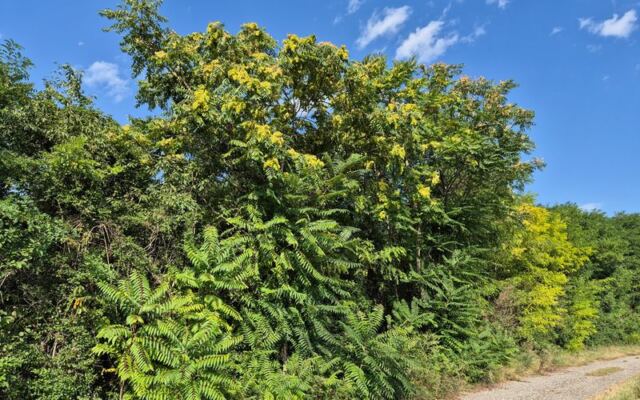
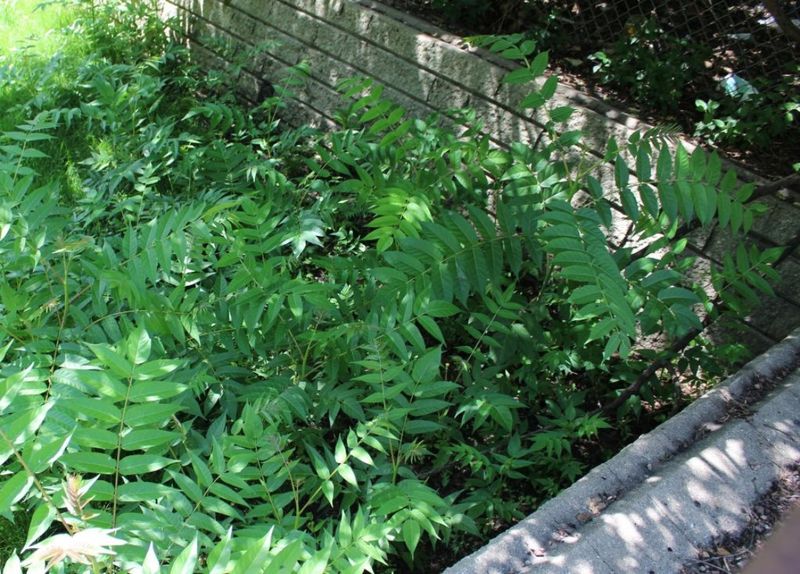
Start with the leaves. Illinois Extension describes tree-of-heaven as having large compound leaves, meaning one long leaf stalk holds many smaller leaflets.
The leaflets have smooth edges, with a few distinctive notches near their bases. Those notches are a handy clue to look for.
Next, try the smell test. Crushed foliage gives off an unpleasant odor, which some people compare to rancid peanut butter or burnt nuts.
If the leaves smell fresh or mild, you may be looking at something else.
Lookalikes are common. Black walnut and sumac both have compound leaves, and either can fool a quick glance.
An Illinois Extension gardening post on the tree is useful for comparing features side by side.
If you are not sure after checking leaves, leaflet edges, and smell, hold off on treatment. Take clear photos and ask your local Extension office to help with the identification.
A wrong guess could mean removing a native plant or spending time on the wrong problem.
Some shoots grow from an established tree’s roots
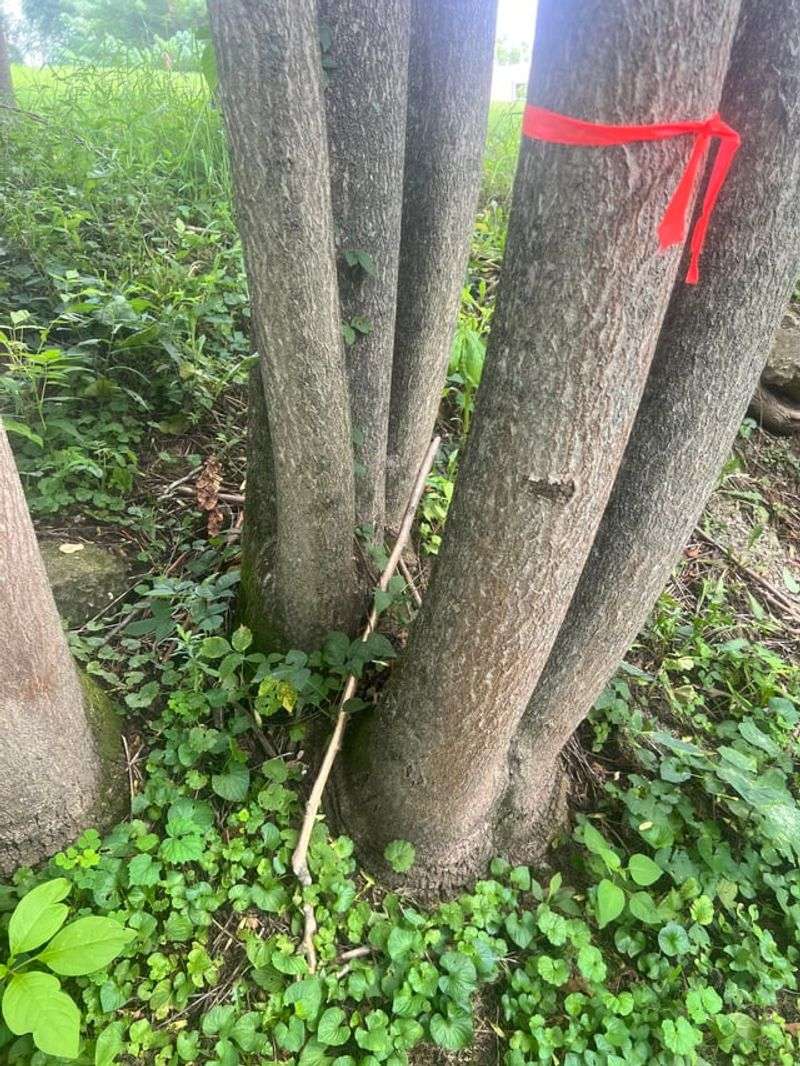
Not every young tree in your yard started as a seed. Seedlings grow from seeds that landed and sprouted.
Root suckers are different: they pop up from the lateral roots of an established tree, so they remain attached to a larger root system.
Tree-of-heaven does both. An Illinois DNR assessment reports that the species occurs across Illinois, including disturbed urban places such as vacant lots, alleys, and fence rows.
It reproduces by seed and by root suckers, and the same assessment notes that suckers may emerge up to 50 feet from the parent tree.
That distance matters if you are puzzled by a shoot that seems to have no tree nearby. A parent could be across a fence, in a neighboring lot, or along an alley.
Still, the reach of suckers does not prove that every shoot in a neighborhood comes from one source. Some may be seedlings from different trees, and some may be suckers from several.
The U.S. Forest Service fire effects review of the species also describes how the tree can resprout and sucker, which helps explain why it can persist in urban settings.
Disturbed ground gives it room to start.
A practical clue: shoots appearing in a line or cluster, especially near a mature tree or old stump, deserve suspicion as suckers. A single plant in a bare patch far from other trees is more likely a seedling, though neither pattern is a guarantee.
Pulling can work for young seedlings
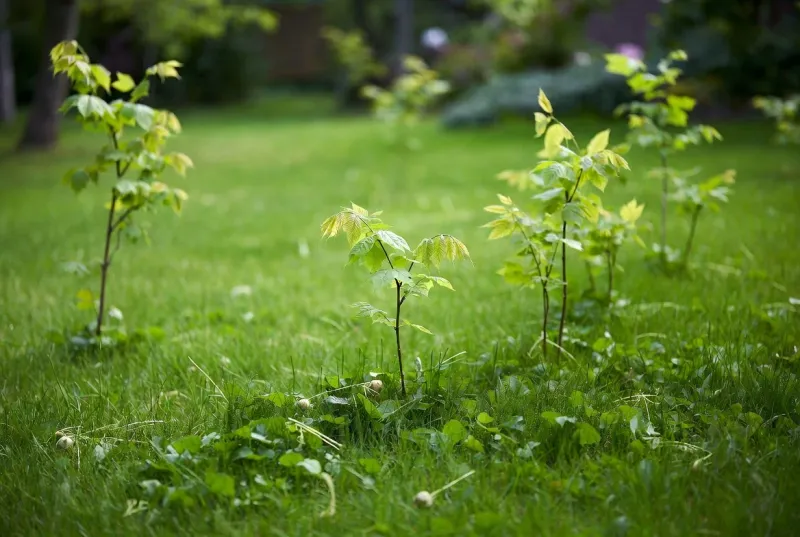
Hand-pulling earns its place when the plant is a genuine small seedling and you are confident about the identification. Moist soil makes a big difference, since roots slide out more easily after rain or a good soaking.
The goal is to get the entire root, not just snap off the top.
Check what you pulled. A seedling should come out with its own root and nothing else attached.
If you feel resistance, or you see a thicker root running sideways underground, you may be dealing with a root sucker. The Illinois DNR management manual and the U.S.
Forest Service review both point out that suckers can look like seedlings while staying linked to lateral roots.
Timing matters, but not in a way that gives you a clean cutoff. The Illinois DNR assessment says a seedling can grow a deep taproot within about three months.
That is a reason to check often, not a deadline you can count on, because growing conditions vary.
If the same spot keeps producing shoots after careful pulling, step back. Repeated regrowth may mean roots were left behind, or that the shoots are suckers from a tree you have not found yet.
Walk the fence line and the neighboring edges, and look for a mature tree or stump.
Wear gloves, since some people find the sap irritating, and bag the pulled plants instead of leaving them on bare soil.
Cutting an established tree can lead to more shoots
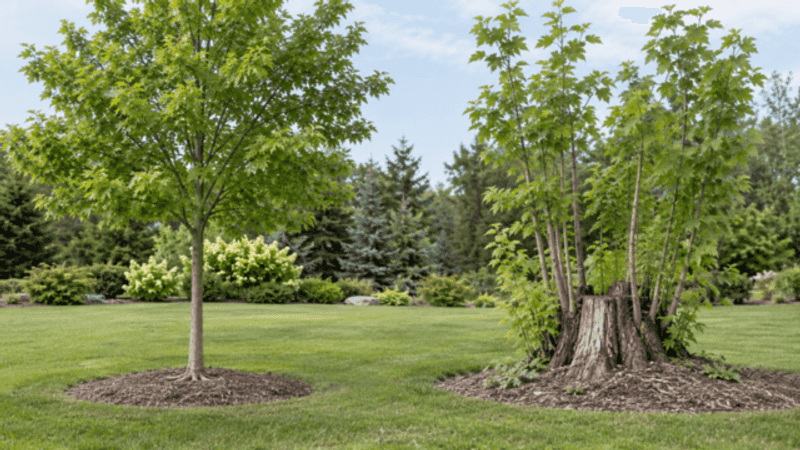
Cutting feels decisive, but with an established tree the roots stay put. A saw removes the part you can see while the root system keeps its stored energy.
The plant can answer with stump sprouts or with new suckers from the roots.
Illinois Extension warns that cutting larger plants can cause root suckering and increase the infestation. The U.S.
Forest Service review likewise describes vigorous sprouting after top-kill. So if you cut a tree and a ring of shoots appears the next season, that is a known pattern, not a sign you did something unusual.
This is a different situation from pulling a true seedling. A seedling has its own small root that can come out whole.
An established tree has a large network below ground that a few weekend cuts cannot remove.
Advice on cut-stump treatment is not uniform. Illinois sources discuss herbicide used with cutting or girdling, while Penn State Extension cautions that cut-stump applications do not prevent root suckering.
Because of that disagreement, no one method should be treated as a sure fix.
The safer takeaway is to avoid cutting an established tree on impulse. Learn what the tree is, whether it has company, and what follow-up you can realistically commit to before the first cut.
Plan a response for established trees and colonies
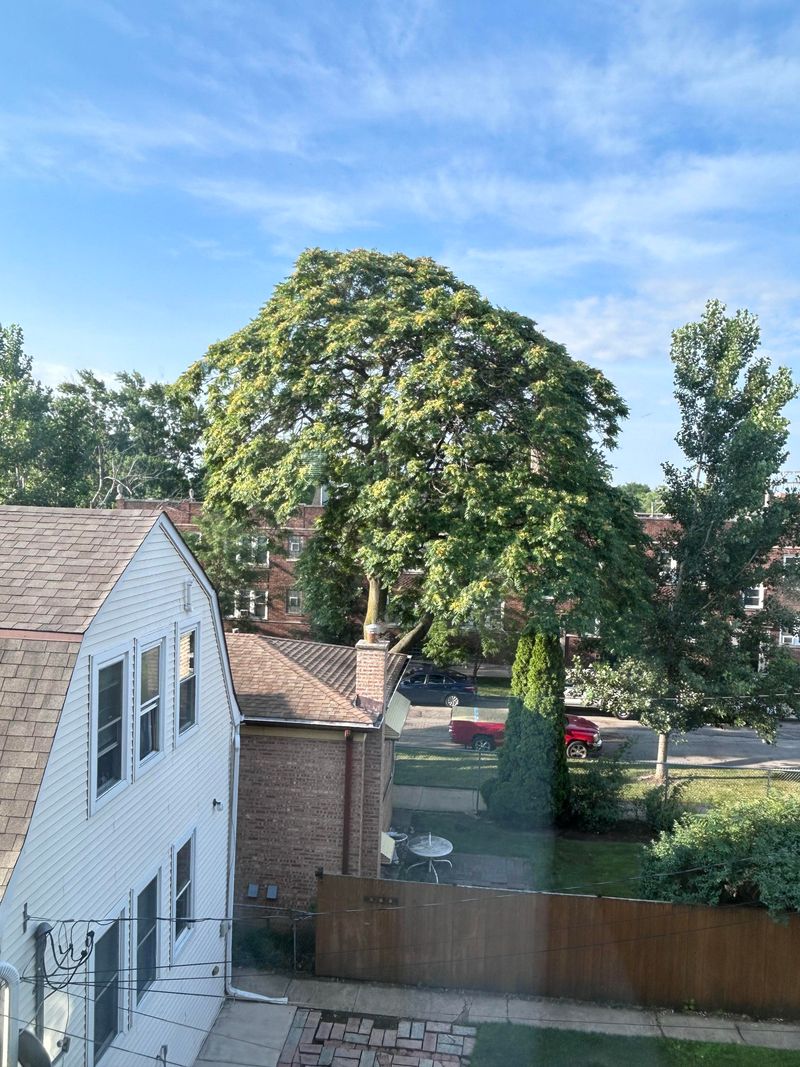
Larger trees and recurring colonies call for a plan rather than a single weekend project. Start with Illinois Extension’s tree-of-heaven guidance, which lays out management options and cautions.
If the tree is big, leaning, or close to a house, driveway, or utility lines, a qualified professional is a smart call.
A professional can confirm the identification, judge the risks of removal, and explain what follow-up the site will need. Even a good removal usually involves checking back for regrowth.
Ask about follow-up before you hire anyone, because the work does not necessarily end when the tree comes down.
If herbicide enters the conversation, the product label is the rule book. Labels spell out where a product can be used, how it is applied, and what precautions apply.
A recipe from a forum or video is no substitute, and no treatment is safe in every setting, such as near wells, water, or desirable plants.
Local rules matter too. The Illinois DNR management manual notes that herbicides used on public properties must be applied by licensed applicators or operators.
If the tree is on public ground, or you are unsure who owns it, ask the managing agency instead of treating it yourself.
Expect a multi-year effort for colonies. No single treatment should be counted on to eliminate the root system.
Match your next step to the shoot
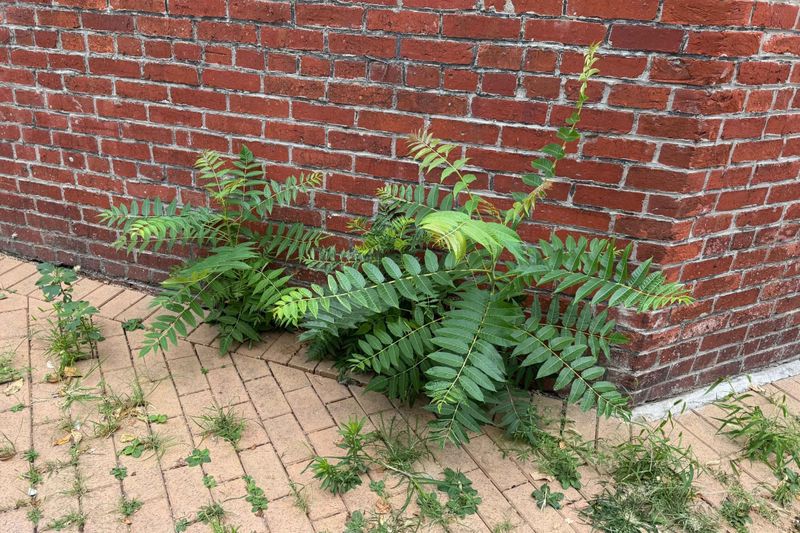
Work in order. First confirm the plant using its leaves, leaflet notches, and smell.
Second, check whether the shoot is a loose seedling or a sucker tied to roots. Third, choose a response that fits: pull a confident small seedling, or seek guidance for suckers, larger trees, and colonies.
You also get to decide whether action is needed at all. Tree-of-heaven is not regulated under Illinois law, according to Illinois Extension and the Illinois Nature Preserves Commission manual.
Its invasive label alone does not require homeowners to remove it.
A shoot is only a clue, and the roots tell the real story.
Share this story