Cooler air and falling leaves feel like a relief after a long South Carolina summer, but your yard is busier than ever. Snakes, spiders, and stinging insects are on the move in fall, hunting for food, mates, and warm places to spend the winter.
That means you are more likely to bump into them while raking, gardening, or grabbing firewood. Knowing who is out there, and how to spot them, can keep your family and pets safe all season long.
1. Copperhead
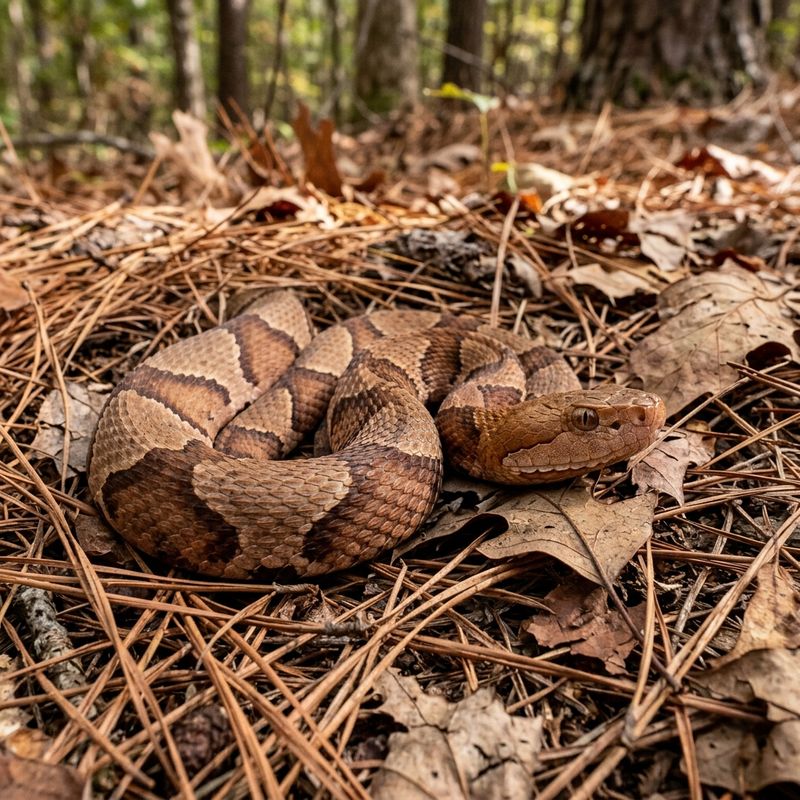
Ask any Lowcountry gardener about a close call, and the story usually involves a copperhead. These snakes blend so perfectly into dead leaves that people often step right beside one without noticing.
Fall is a busy time for copperheads. Babies are born in late summer and early fall, and adults are fattening up before winter, so you may see more of them around woodpiles, leaf piles, and stone walls.
Look for tan or pinkish bodies with dark, hourglass-shaped bands. Wear gloves and closed shoes when raking, and never reach blindly into leaf litter.
Bites are rarely deadly, but they hurt a lot and need a trip to the doctor.
2. Timber Rattlesnake
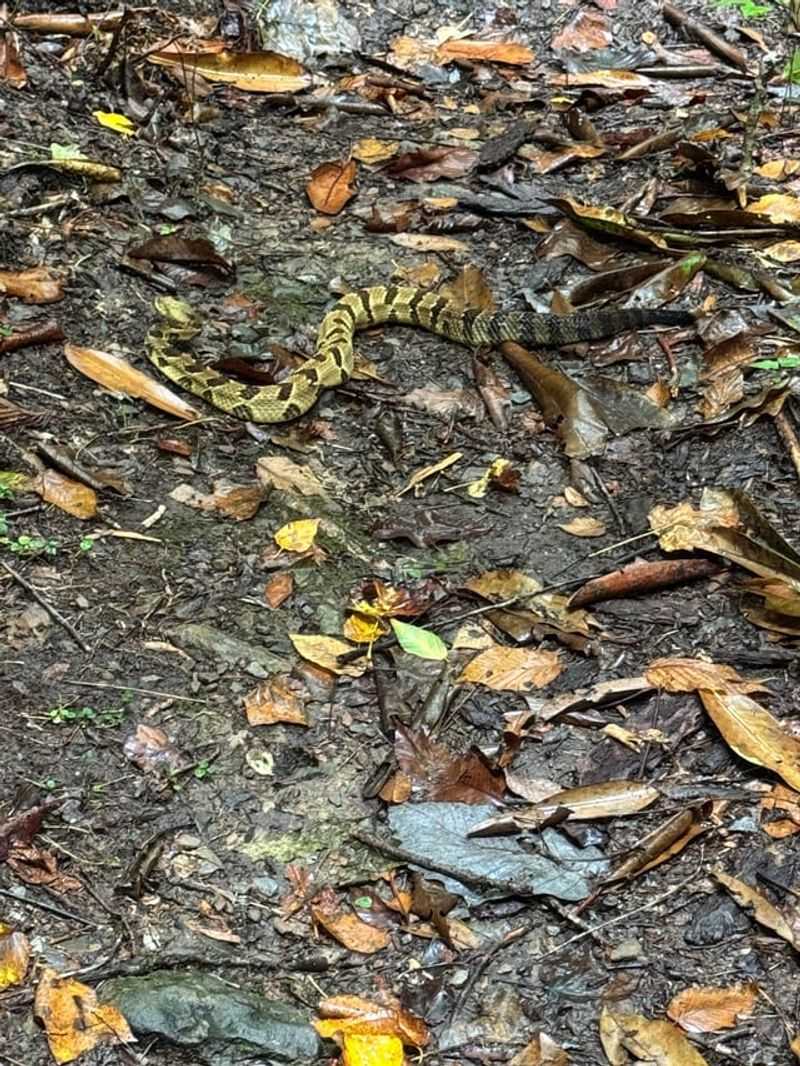
Locals call it the canebrake rattler, and it is one of the largest venomous snakes in the state. Some grow longer than five feet.
In autumn, timber rattlesnakes travel toward their winter dens, which can bring them across yards near woods and fields. They tend to be calm and will often stay still, hoping you walk on by.
Spot them by the dark zigzag bands, a rusty stripe down the back, and a black tail tip. If you hear a rattle, back away slowly and give the snake plenty of room.
Call a wildlife removal pro instead of trying to move it yourself.
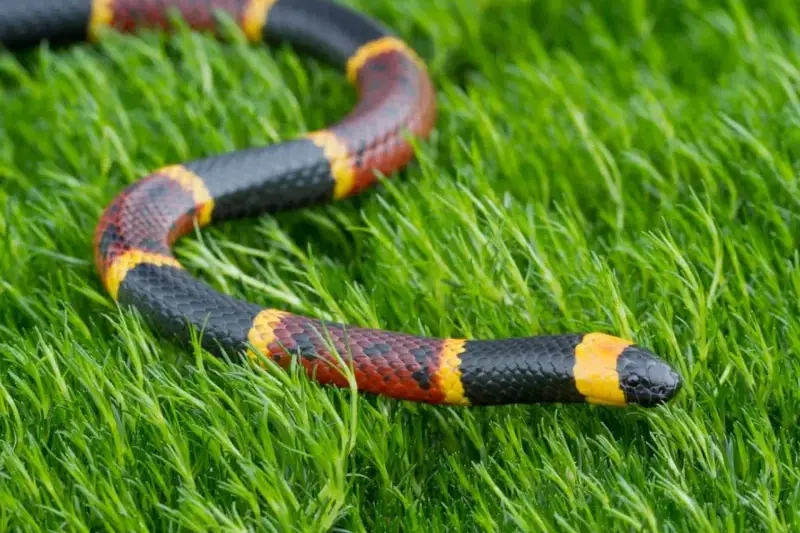
3. Eastern Coral Snake
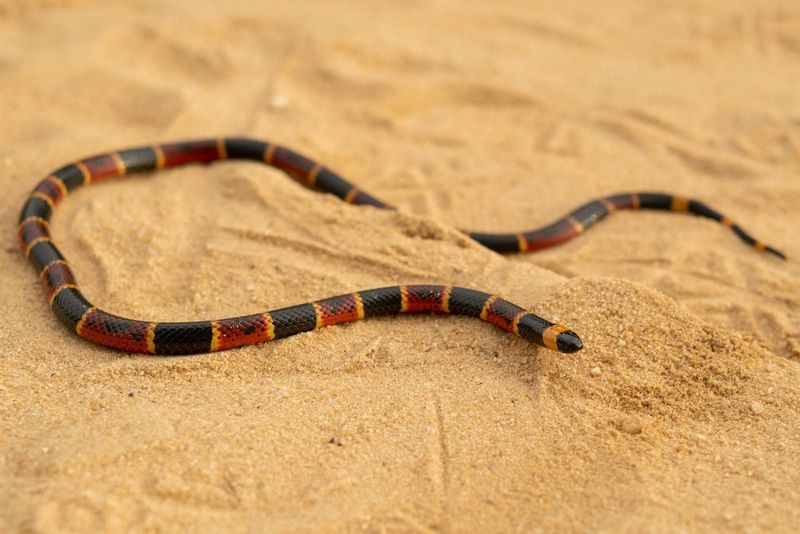
Red touches yellow, watch out, fellow. That old rhyme helps people tell the eastern coral snake apart from harmless look-alikes like the scarlet kingsnake.
Coral snakes are shy and spend most of their time hidden under pine straw, mulch, or sandy soil. Warm fall afternoons can draw them out, especially in the southern and coastal parts of the state.
Their venom is powerful, but bites are rare because they are not aggressive. Just never pick up a brightly banded snake, even if it looks small and harmless.
4. Cottonmouth

Live near a pond, creek, or marsh? Then you might share your yard with a cottonmouth, also called a water moccasin.
These heavy-bodied snakes sun themselves on banks during cool fall mornings. When threatened, they open wide to show the cotton-white inside of their mouths, a warning you should take seriously.
Many harmless water snakes get mistaken for cottonmouths, so give any snake near water some space. Keep grass trimmed near shorelines and watch your step on docks and muddy paths.
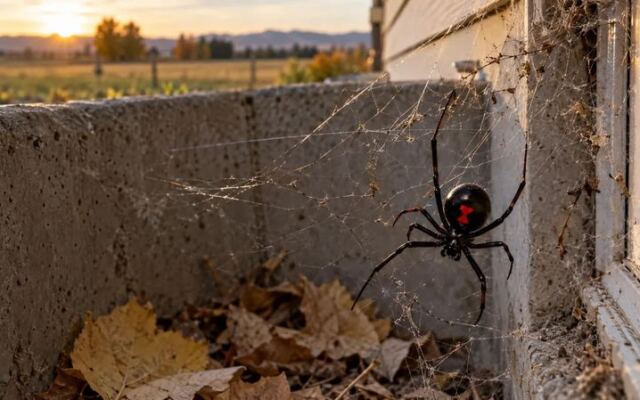
5. Southern Black Widow
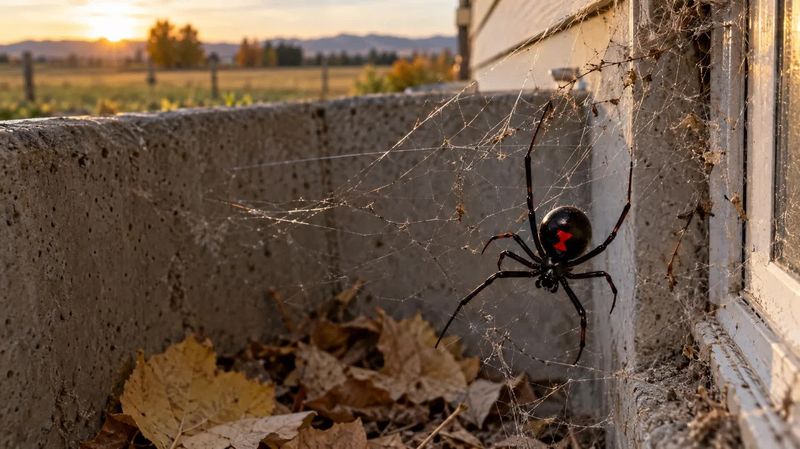
Firewood season is black widow season. The moment you start stacking logs for chilly nights, you may disturb one of these glossy spiders.
Females are jet black with a red hourglass on the belly. They build messy, tangled webs in dark corners like woodpiles, sheds, grills, and flower pots.
Fun fact: the venom is stronger than a rattlesnake’s, drop for drop, but the spider injects only a tiny amount. Still, a bite can cause painful cramps, so always wear gloves when handling stored items outdoors.
6. Brown Recluse
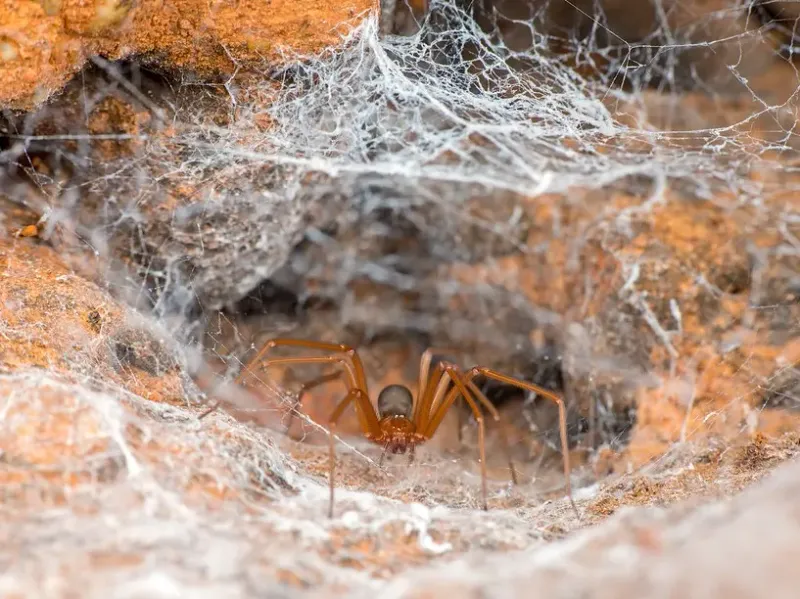
True to its name, the brown recluse loves to hide. It is not super common in South Carolina, but it does show up, especially as cooler weather pushes spiders toward garages and sheds.
Look for a light brown body with a dark violin shape near the head. They hide in cardboard boxes, old shoes, and piles of clothes.
Shake out gloves and boots that have been sitting in the garage before putting them on. Most bites heal on their own, but some can cause sores that need medical care.
7. Yellowjackets
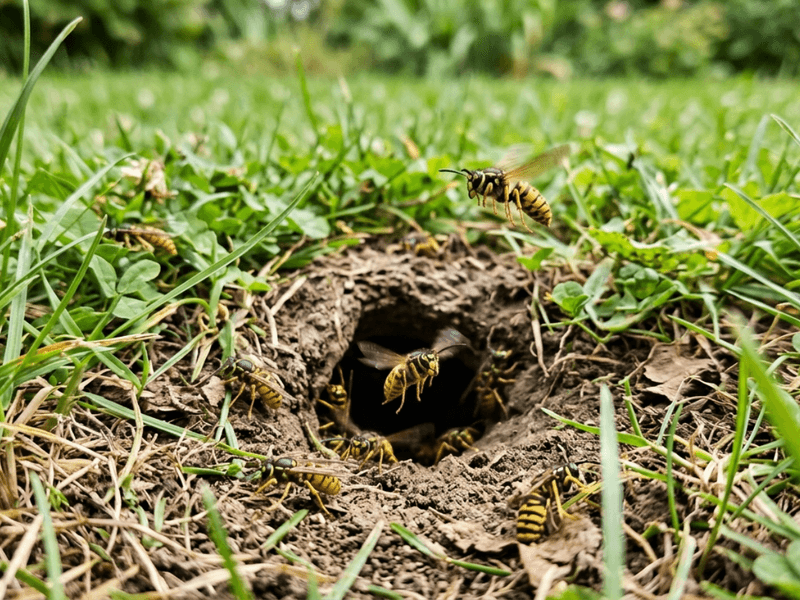
Picnic crashers of the fall season, yellowjackets get grumpier as the weather cools. Their colonies are at their biggest, and food is getting scarce.
Many build nests underground, so a lawn mower or rake can stir up a swarm in seconds. Unlike honeybees, they can sting again and again.
Watch for insects flying in and out of a hole in the ground. Cover sweet drinks outside, and call a pest pro to handle large nests.
Anyone with a sting allergy should keep their medicine nearby.
8. Puss Caterpillar
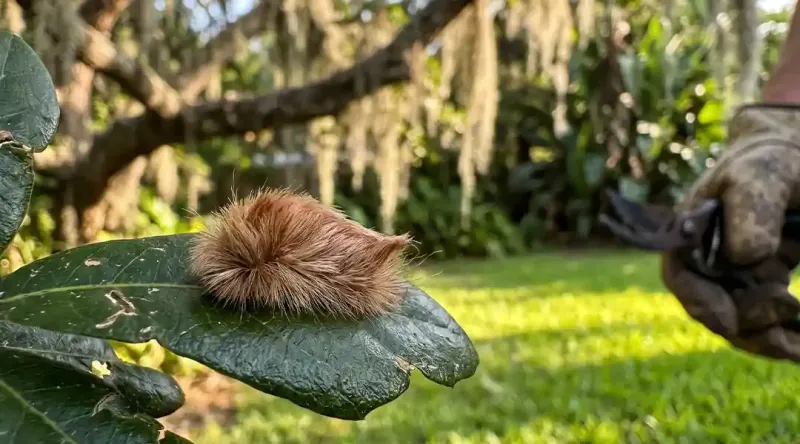
It looks like a tiny furry toupee crawling on a leaf. Kids often want to pet it, and that is exactly the problem.
The puss caterpillar hides venomous spines under its soft hair. Touching one can cause burning pain, swelling, and even nausea.
They are most common on oaks and shrubs in late summer and fall.
Teach children to look but never touch fuzzy caterpillars. If someone gets stung, pressing tape on the spot can help pull out the spines before you call a doctor.
Share this story