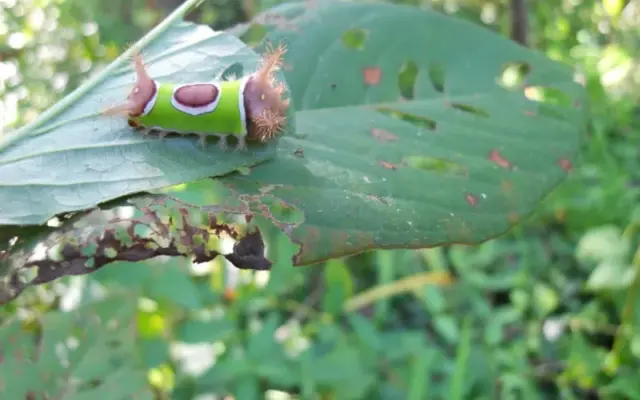
You reach for a leaf while weeding, and suddenly your hand burns like you touched a hot pan. A small green caterpillar with a brown patch on its back may be the reason.
Stings like this are common in Southern gardens, and the right first steps can make a real difference. Here is a calm, simple plan for what to do next.
A suspected sting comes from defensive spines
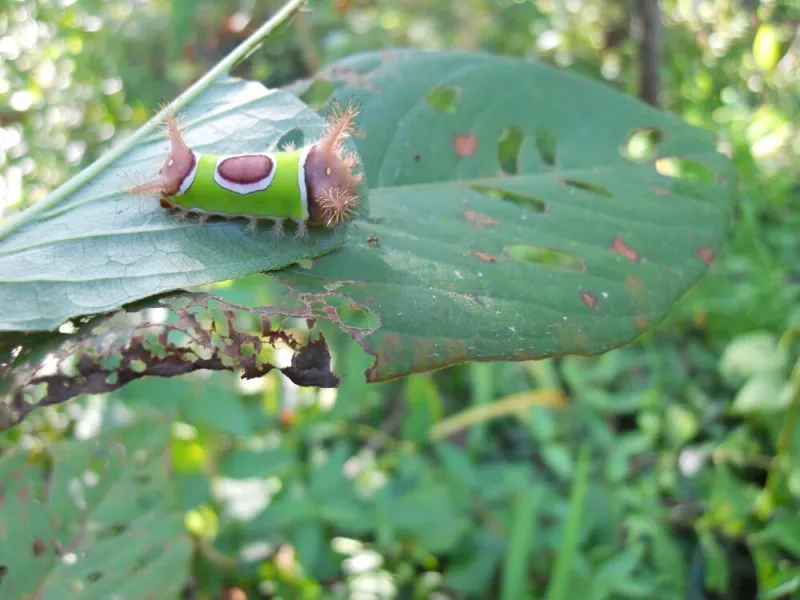
Despite the common word, a saddleback caterpillar does not sting the way a bee or wasp does. It has no stinger.
Instead, it carries defensive spines that break off in skin and deliver irritating venom when something brushes against them.
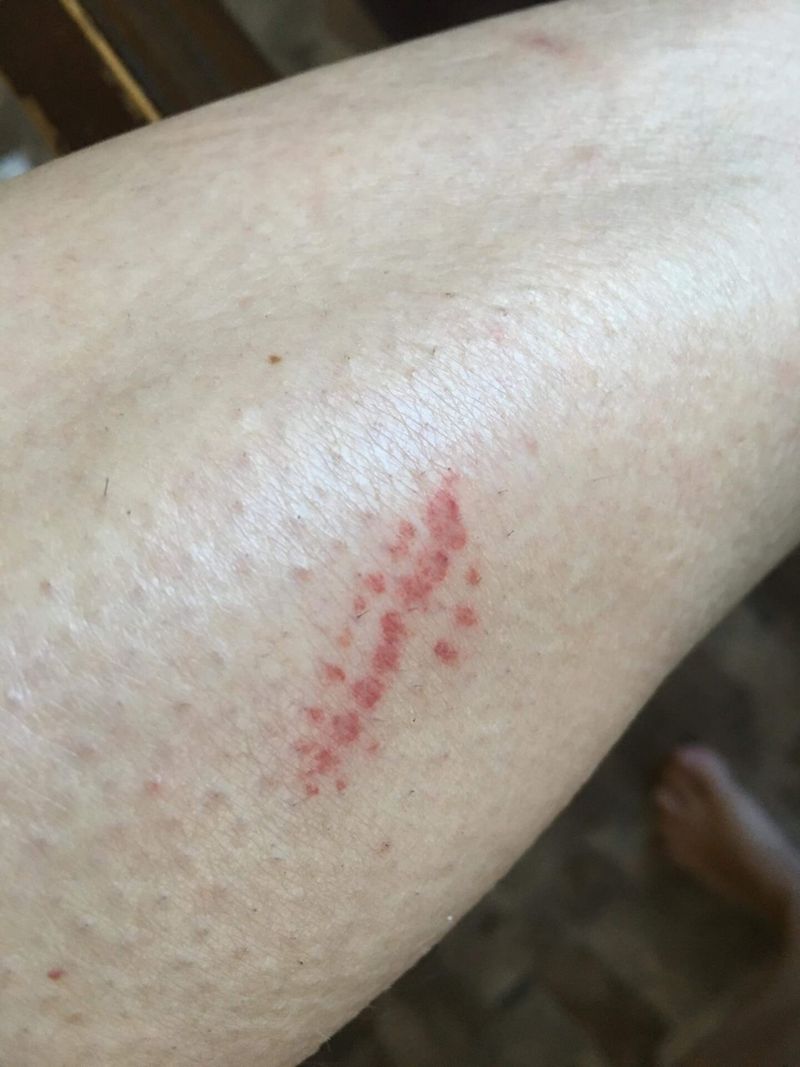
That is why a brush against a leaf can hurt so quickly. Poison Control notes that contact can cause immediate burning or stinging, redness, swelling, itching, welts, or blisters.
Some people also feel nauseated or get a headache.
Reactions vary a lot from person to person. One gardener may feel a sharp sting that fades in a few hours, while another sees swelling and redness that hang around longer.
Neither result tells you that you did something wrong.
You also do not need to know exactly which caterpillar touched you before you start. Clemson Extension, in its stinging caterpillar fact sheet, lists saddlebacks among the stinging species found in South Carolina, but other caterpillars here can cause similar pain.
If you suspect spines touched your skin, the first-aid steps in the next sections are a sensible place to begin. They are practical measures that may help, not guaranteed cures.
Move the caterpillar away and lift loose spines
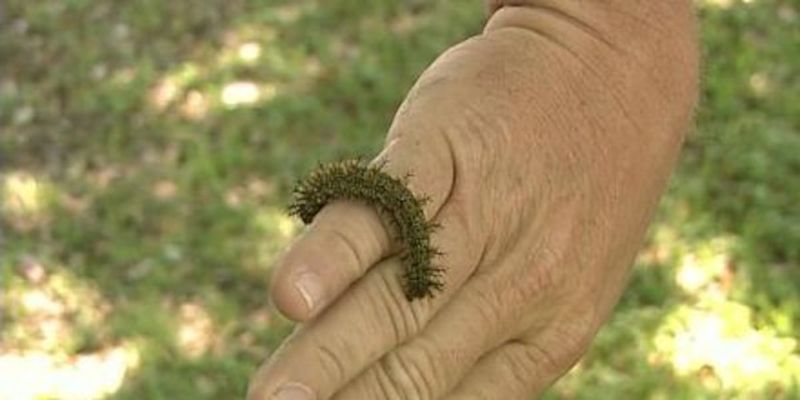
Speed matters, but so does staying careful. Start by moving the caterpillar off you or away from the area using a tool, such as a stick, a folded piece of paper, or tweezers.
Skip your fingers, since bare hands can pick up more spines.
Next, grab adhesive tape. Gently press a piece onto the affected skin, then lift it away.
Poison Control describes this method for pulling out tiny spines, and you can repeat it with a fresh piece of tape if needed.
Once the loose spines are lifted, wash the area gently with soap and water. A light touch is the goal here.
Rubbing or scratching can push spines deeper and make the skin angrier.
Never try to pluck spines out with bare fingers either. They are tiny and easy to spread around.
In its Clemson fact sheet, Clemson also points to simple measures like these for home care.
Think of this sequence as practical first aid. It may ease the burn by clearing away what is still stuck in the skin, but results vary.
In one case described by Poison Control, several remedies brought little relief until tape was used to remove the hairs.
Avoid household mixes such as bleach, baking soda, ammonia, meat tenderizer, or toothpaste. Nothing shows they neutralize venom, and bleach should never go on skin.
Cool the skin and ease itching cautiously
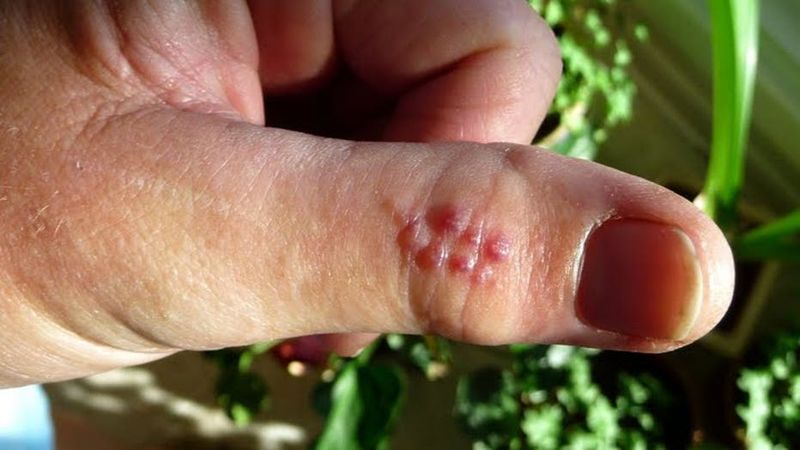
After the spines are lifted and the skin is washed, comfort becomes the focus. A cold pack can take the edge off pain and swelling.
Wrap it in a thin towel first so ice never sits directly on the skin.
Poison Control says wrapped ice or ordinary pain relievers may help with discomfort. Clemson also recommends applying an ice pack promptly.
Neither is a cure, but both are low-risk ways to feel better while the skin settles.
If itching becomes the main problem, Poison Control lists hydrocortisone cream as an option. An antihistamine, taken by mouth or applied to the skin, is another possibility if needed.
Read and follow the label on any product you choose.
This article does not give doses, because the right choice depends on the person. Children, pregnant people, and anyone who takes other medicines or has health conditions should get individualized advice first.
A pharmacist or the poison center can help you sort that out quickly.
Keep fingernails off the area as much as you can. Scratching may irritate the skin further.
Everyone heals at a different pace, so watch how the area changes over the next few hours and days.
Know when to seek medical or poison-center help
Most contacts can be handled at home, but a few signs call for fast action. Call 911 for trouble breathing, fainting, or swelling of the lips, face, or tongue.
These reactions are rare, yet they are emergencies when they happen.
Eyes need their own plan. If caterpillar spines or hairs get in an eye, rinse with lukewarm water, then seek prompt medical guidance, especially if irritation persists.
Medical care is also advised after inhaling caterpillar hairs.
Other reactions deserve a call to a clinician, urgent care, or the poison center, even when they are not emergencies. Poison Control guidance points to these reasons for prompt advice:
Blistering, a suspected localized allergic reaction, symptoms that are getting worse instead of better, or persistent eye irritation.
You can reach Poison Control anywhere in the United States at 1-800-222-1222. The South Carolina Poison Center lists that same number.
Calling is free, and the staff can help you decide whether home care is enough.
Do not dismiss pain, swelling, or redness that lingers or grows. Recovery times vary, and a reaction that seems stubborn deserves a professional opinion.
When you are unsure, making the call is a reasonable choice, especially for a child.
A rash cannot confirm it was a saddleback
Plenty of garden rashes look alike, so a red patch alone cannot tell you which caterpillar caused it. Skin reactions overlap among many stinging species.
That is why the first-aid steps matter more than a perfect identification.
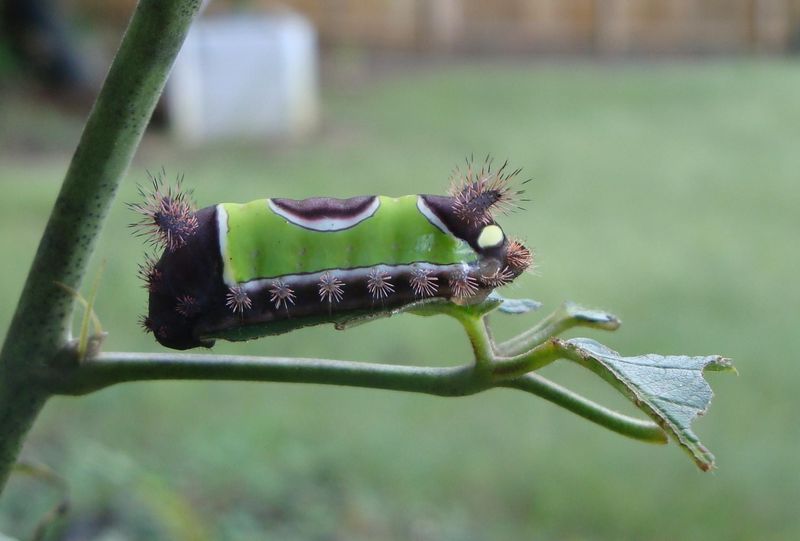
If you did spot the culprit, a few clues help. A saddleback has a green back with a brown or purplish saddle-shaped mark, and stinging spines sit on prominent knobs and along its sides.
NC State Extension describes the same pattern.
South Carolina is home to more than one stinging caterpillar. According to Clemson Extension, puss caterpillars account for most caterpillar stings in the South, even though saddlebacks are a well-known stinging species in the state.
So if you felt a burn but only caught a glimpse of something fuzzy, do not worry about getting the name right. A quick phone photo, taken from a safe distance, can help later if you need to describe it to a doctor or poison specialist.
Let your exposure and symptoms guide what you do. Tape, washing, and a cold pack apply to suspected spine contact from any of these caterpillars, and the warning signs for medical help stay the same no matter which species it turns out to be.
Prevent contact without routine spraying
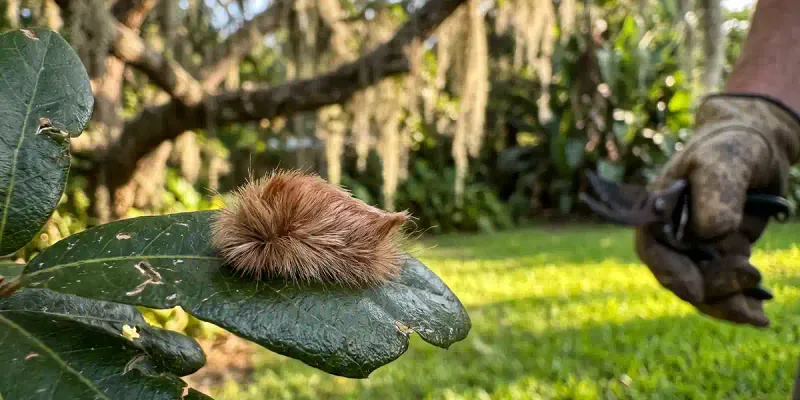
Avoidance is the best defense in the garden. Do not handle caterpillars that are brightly colored, spiny, or fuzzy, even if they look harmless.
Gloves, long sleeves, and a hat add a useful layer when you reach into shrubs, corn, or leafy plants.
Children are naturally curious about wiggly creatures, so talk with them ahead of time. A simple rule works well: look, but do not touch.
Poison Control advises keeping kids from handling these caterpillars.
You may be tempted to spray the yard, but that is usually not needed. Clemson Extension reports that stinging caterpillars are generally found in low numbers and does not recommend chemical control for them in ordinary situations.
A few habits help too. Check leaves before grabbing them, shake out gloves that were left outdoors, and peek under foliage before you kneel or lean on it.
If a sting does happen, you now have a plan: lift the spines, wash, cool the skin, and watch how it changes. Keep an eye on anything that lingers or worsens, because that is worth a professional opinion.
A garden is easier to enjoy when you know where to look before you reach.
Share this story