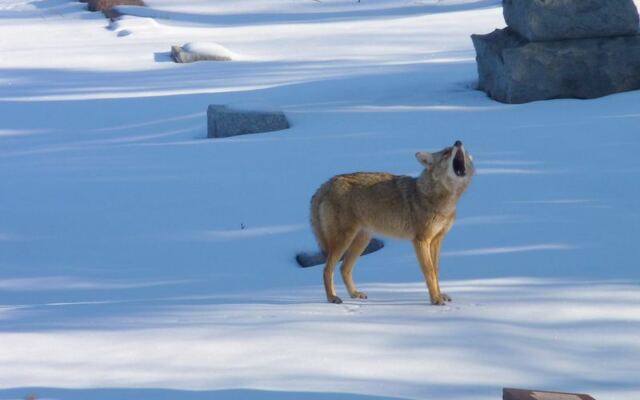
Coyote howls and yips are a way for coyotes to talk to each other. They can help one coyote find another, or let neighbors know a home range is taken, and other coyotes may answer back.
That eerie chorus outside your window can feel unsettling, but it is a normal part of life with wildlife in Illinois. Here is what the sounds can tell you, what they cannot, and how to keep your family and pets safe.
Coyote calls communicate, but they are not a translation
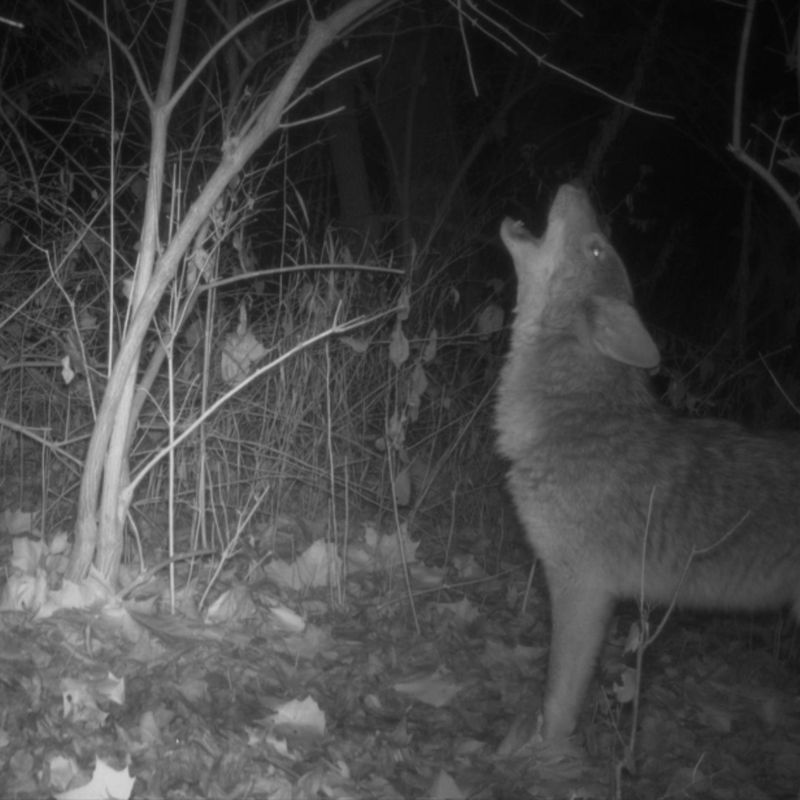
Coyotes live all over Illinois, from downtown Chicago neighborhoods to quiet farm country, and they are usually most active between dusk and dawn. So a howl after dark fits right into their normal routine.
According to Wildlife Illinois, these animals are common in both urban and suburban areas.
Howls, yips, and barks are all forms of communication. The Illinois Trapper Education Manual describes them that way, and USDA information adds that a howl can help a coyote locate others or signal an occupied home range.
Other coyotes may answer, which is why one call can turn into a whole round of voices.
Those broad jobs are as far as the science goes. Listening from your porch, you cannot decode what one particular bout means.
A burst of yips is not a sentence you can translate, and it is not a warning aimed at you.
That is good news for anyone feeling uneasy. A coyote calling in the dark is mostly doing coyote business, such as keeping in touch with other coyotes nearby.
The sound itself tells you very little about danger.
Illinois coyote seasons put a November howl in context
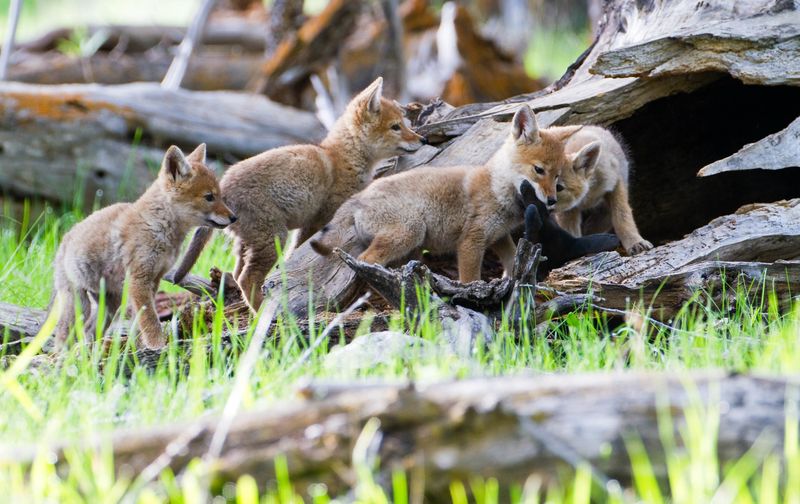
Coyotes follow a yearly rhythm, and knowing it helps you put a late-November howl in perspective. In Illinois, breeding peaks in late February or early March.
Pups are usually born in late April or May, according to Wildlife Illinois.
Young coyotes start exploring outside the den at around three to four weeks old. Many disperse in late summer or fall to find their own space.
Some stay with their parents into the next breeding season, and coyotes may live in pairs or family groups, as the Illinois Trapper Education Manual explains.
Those are general patterns for the species. They do not turn a single howl on a November night into a mating call, a pup-rearing call, or a family check-in.
Late fall is simply not the time of year when breeding or newborn pups are happening.
If you hear voices tonight, the safest way to think about it is plain: coyotes are out and communicating. The calendar tells you what coyotes are doing across the year, not what one howl means.
A chorus is a poor way to count coyotes
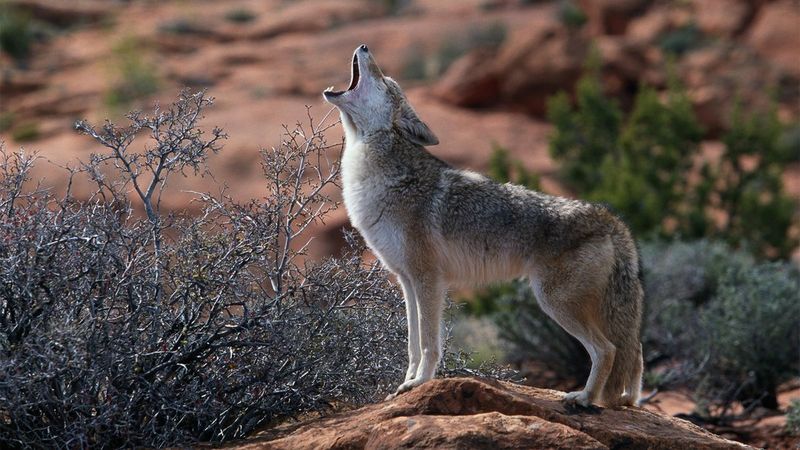
Ever heard a wall of yips and figured a huge pack must be out there? Your ears can fool you.
In a study published in Human-Wildlife Interactions, 427 listeners heard recordings of one to four coyotes, and on average they overestimated the number by nearly twofold.
Coyote voices overlap, rise, and fall quickly, so a small group can sound much bigger. That is why guessing a headcount from a chorus is a shaky habit.
A few animals may be making all that noise.
That result is a caution, not a formula. It came from recordings of one to four coyotes, and it is an average.
You cannot simply cut your guess in half and call it accurate for the chorus outside your house.
A better approach is to let go of counting. If the sound worries you, use the time to check that trash is secured and pets are inside, which helps no matter how many coyotes are out there.
Give a coyote room if you see one
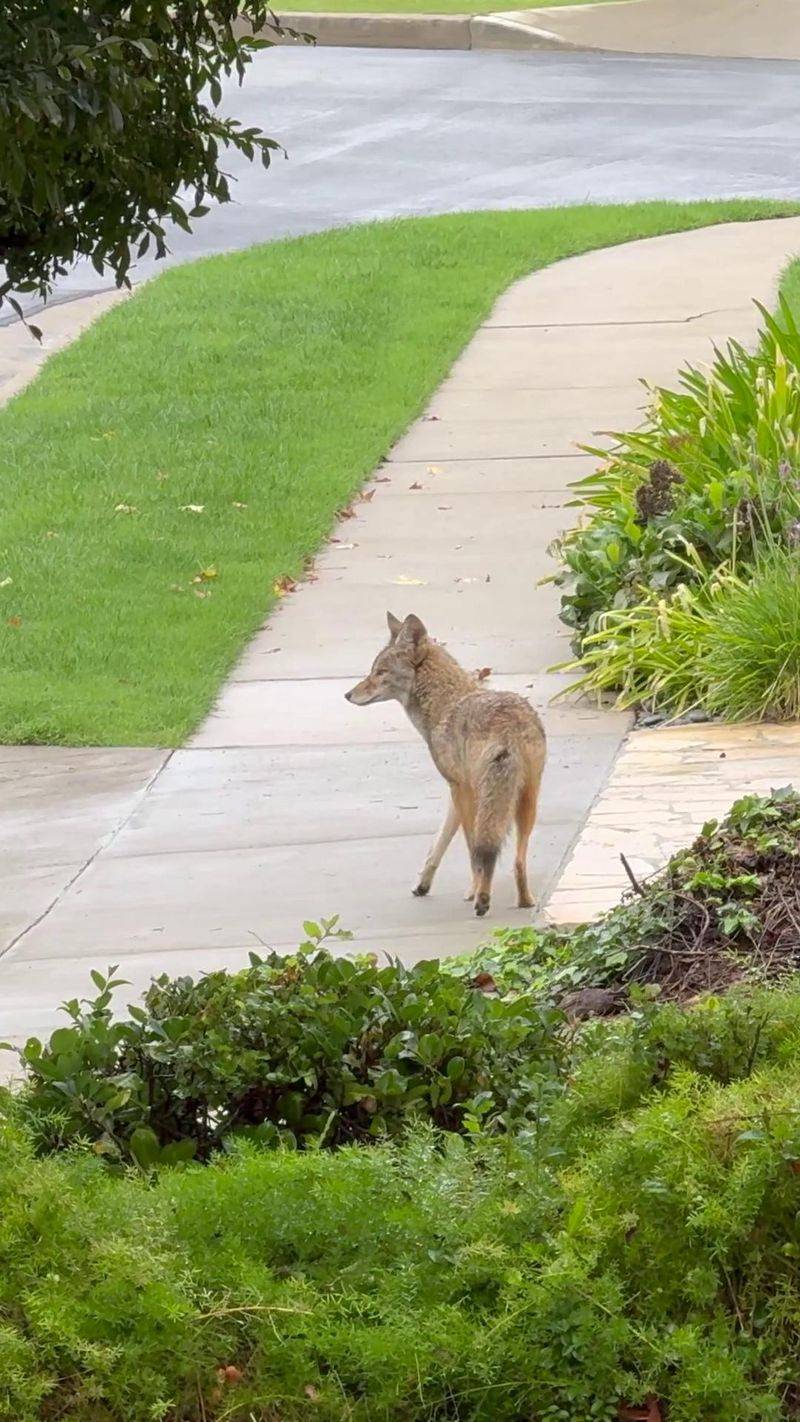
Howling by itself does not mean a coyote is heading your way or planning anything. Coyotes generally pose little threat to people when given space, and a distant voice after dark is not a sign of an imminent attack.
Seeing one is a different moment, though, and it helps to know what to do.
If a coyote approaches, do not run. University of Illinois Extension advises standing tall, yelling, and waving your arms to encourage it to leave.
Keep dogs leashed, and give coyotes extra room, especially near a den or young, as Wildlife Illinois notes.
Hazing like this is an option that may encourage a coyote to move on, but it will not always work. In an experiment described by USDA researchers, captive coyotes were tested, and their responses varied.
Never feed, approach, corner, or try to trap a coyote. Backing away and giving it a clear path out is the calmer, safer choice for everyone.
Make the yard less rewarding
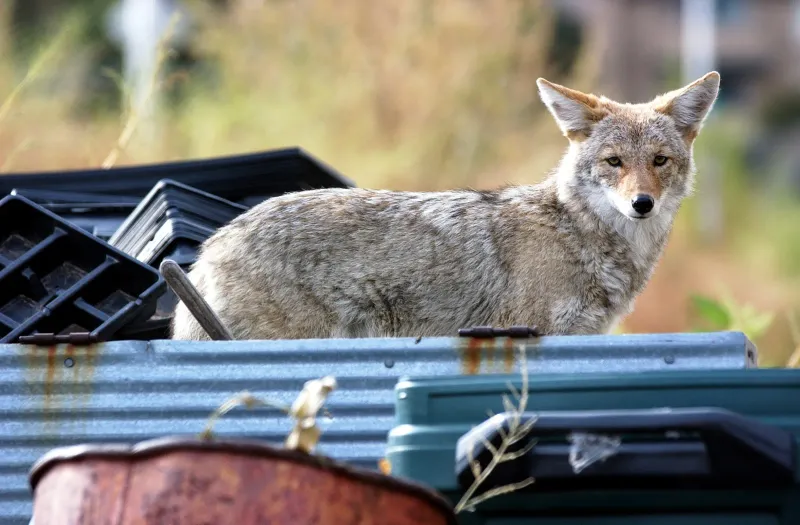
Coyotes follow food, so the best thing you can do for your yard is make it boring to them. Never feed coyotes, even by accident.
Handouts teach them that people mean snacks, and that can lead to bolder behavior.
Start with the usual suspects. Keep garbage in sealed containers, bring pet food indoors, and sweep up spilled birdseed, which can draw in rodents and the animals that hunt them.
Wildlife Illinois recommends these steps to reduce attractants.
Pets deserve extra attention after dark. Stay outside with small dogs and cats, especially at night, and keep dogs on a leash on walks.
A quick porch-light check before letting a pet out is an easy habit.
The goal is not to get rid of local coyotes, which is not realistic. It is to remove reasons for them to linger and to keep your animals close.
A yard with nothing to eat is simply a place coyotes pass through.
Know when to seek local wildlife guidance
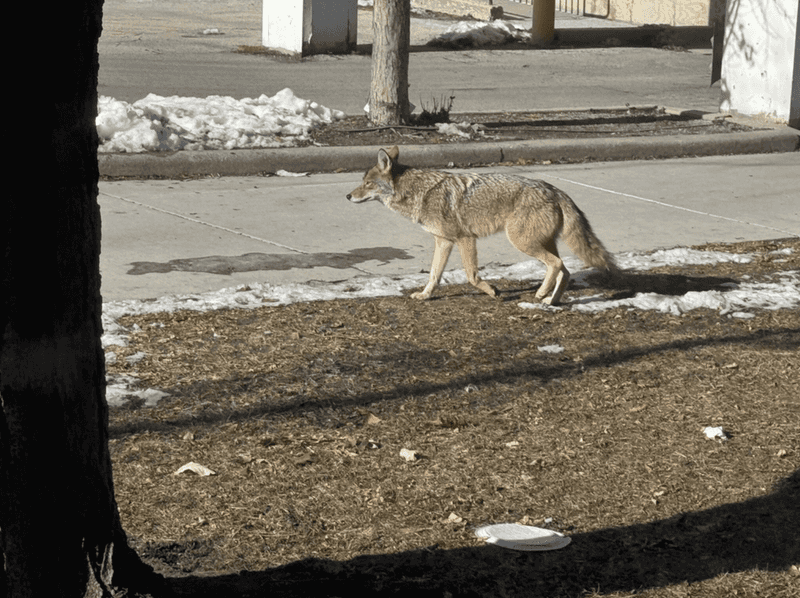
Most coyote encounters need nothing more than distance. A nighttime howl is ordinary, and so is a coyote trotting through at dawn.
A daytime sighting alone does not mean the animal is ill, since coyotes do move around in daylight.
Some signs deserve a call. If a coyote looks sick, acts unusually bold, or behaves aggressively, report it to the appropriate local authorities or an Illinois Department of Natural Resources wildlife biologist.
University of Illinois Extension and Wildlife Illinois both point residents toward local wildlife guidance in those situations.
While you wait for help, keep your distance. Do not approach, handle, or try to catch the animal, and bring pets and children inside.
Note where you saw it and what it was doing so you can describe it clearly when you call.
Listen for communication, not a precise message
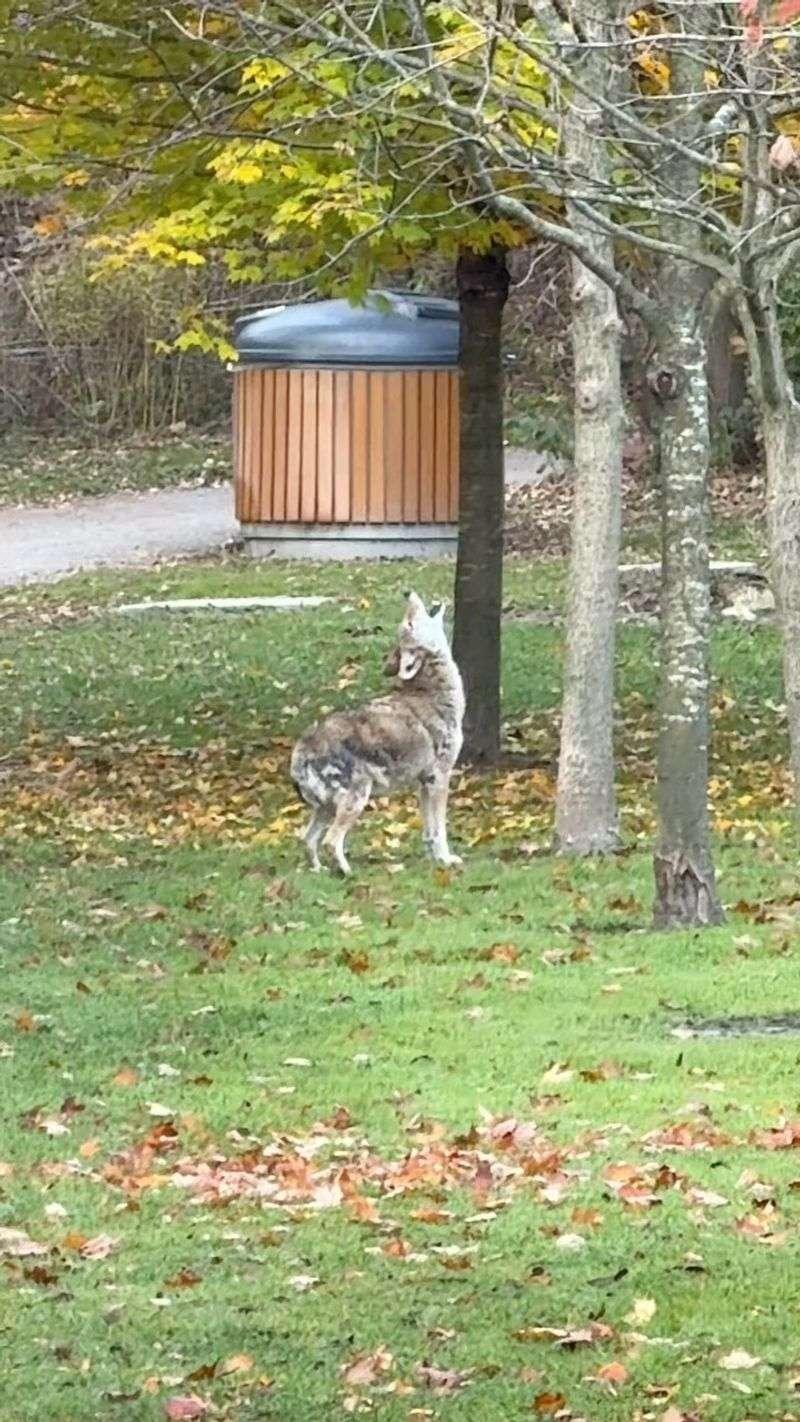
Next time the yips drift through your window, you can treat them as what they are: coyotes keeping in touch. You cannot translate a single bout or count the animals by sound, and one howl is not evidence of danger.
Wildlife Illinois offers more on living alongside them.
Give coyotes space and keep pets close, and the rest can stay a pleasant mystery. The night song of the neighborhood is, in the end, a message meant for other coyotes.
Share this story