Get the latest garden guides in your inbox →
Gardening Latest
  • General Gardening
  • Lawn Care
  • Plant Care
  • Composting
  • Soil Health
  • Backyard
  • Garden Muse Magazine
  • General Gardening
  • Lawn Care
  • Plant Care
  • Composting
  • Soil Health
  • Backyard
  • Garden Muse Magazine
  • News
  • Gardening Calendar
  • Garden Structures
  • Vegetable Garden
  • Vertical Garden
  • Raised Beds
  • Hydroponics
  • General Equipment
  • Community Gardens
Garden Themes
  • Spiritual Garden
  • Hydroseeding
  • Seeding and Laying Sod
  • Artificial Grass
  • Lawn Care Equipment
  • Plants
  • Trees
  • Planting Tools
  • Composting Basics
  • Fertilizer
  • Alternative Growing Mediums
  • Front Yard
  • Backyard Activities
  • Landscaping
Gardening Latest

Explore by state

Which state is your garden in?

Currently viewing Illinois

All states

Northeast

  • Connecticut —
  • Delaware 40
  • Maine —
  • Maryland 26
  • Massachusetts 42
  • New Hampshire —
  • New Jersey 26
  • New York 35
  • Pennsylvania 35
  • Rhode Island —
  • Vermont —

Southeast

  • Alabama 26
  • Arkansas —
  • Florida 26
  • Georgia 26
  • Kentucky 40
  • Louisiana 25
  • Mississippi —
  • North Carolina 24
  • South Carolina 39
  • Tennessee 23
  • Virginia 25
  • West Virginia —

Midwest

  • Illinois 25
  • Indiana 27
  • Iowa 39
  • Kansas —
  • Michigan 26
  • Minnesota 25
  • Missouri 25
  • Nebraska —
  • North Dakota —
  • Ohio 26
  • South Dakota —
  • Wisconsin 41

Southwest

  • Arizona 25
  • Colorado —
  • Nevada —
  • New Mexico —
  • Oklahoma —
  • Texas 24
  • Utah —

West

  • Alaska —
  • California 25
  • Hawaii —
  • Idaho —
  • Montana —
  • Oregon —
  • Washington —
  • Wyoming —

No state matches that search.

Site menu

Gardening Latest
  • General Gardening
    • News
    • Gardening Calendar
    • Garden Structures
    • Vegetable Garden
    • Vertical Garden
    • Raised Beds
    • Hydroponics
    • General Equipment
    • Community Gardens
    Garden Themes
    • Spiritual Garden
  • Lawn Care
    • Hydroseeding
    • Seeding and Laying Sod
    • Artificial Grass
    • Lawn Care Equipment
  • Plant Care
    • Plants
    • Trees
    • Planting Tools
  • Composting
    • Composting Basics
  • Soil Health
    • Fertilizer
    • Alternative Growing Mediums
  • Backyard
    • Front Yard
    • Backyard Activities
    • Landscaping
  • Garden Muse Magazine

Explore

  • About GardeningLatest.com
  • Contact Us

Get the latest from the garden

New guides on lawn care, plants and backyard projects, sent when they go up.

Subscribe →

Follow

  • Facebook
  • X
  • Pinterest
  • YouTube
Illinois Gardening

Not Every Snake Or Spider In Your Illinois Garden Is Harmless, So Here’s How To Spot The Venomous Ones

Most snakes and spiders you meet in an Illinois garden are helpful neighbors that eat pests and want nothing to do…

WN

By Walter Novak

November 27, 2026 · 5 min read

Not Every Snake Or Spider In Your Illinois Garden Is Harmless, So Here’s How To Spot The Venomous Ones
Not Every Snake Or Spider In Your Illinois Garden Is Harmless, So Here's How To Spot The Venomous Ones

Most snakes and spiders you meet in an Illinois garden are helpful neighbors that eat pests and want nothing to do with you. A small handful, though, carry venom that can send a person to the hospital.

Knowing which ones to watch for lets you garden with confidence instead of fear. Here are seven creatures and clues every Illinois gardener should recognize.

At a glance

Where
Illinois Gardening
Hardiness zone
6 −10 to 0°F
Read
5 minutes
Published
November 27, 2026

1. Eastern Massasauga Rattlesnake

Eastern Massasauga Rattlesnake
© Outdoor Illinois Journal – Wildlife Illinois

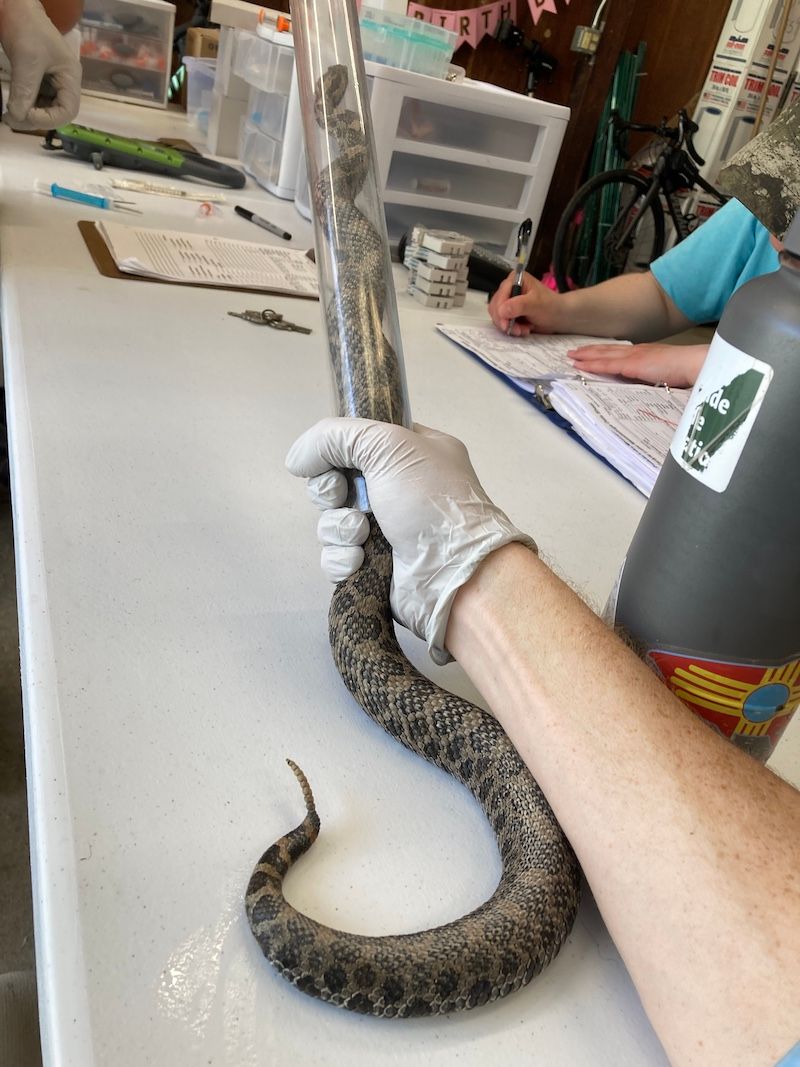
Picture a chunky gray snake tucked into wet prairie grass, so still you could step right past it. The eastern massasauga is a shy rattlesnake that once lived across much of northern Illinois.

Today it is state endangered and survives in only a few spots, so meeting one is rare.

Look for a thick body covered in dark brown blotches on a gray or tan background. The head is wide and shaped like an arrowhead, and the tail ends in a small rattle that makes a buzzing sound like an insect.

Gardens near marshes, wet meadows, or river bottoms in places like Lake or Cook County are the most likely spots. If you find one, back away slowly and call local wildlife officials.

Never try to move it yourself, since it is both protected and venomous.

2. Timber Rattlesnake
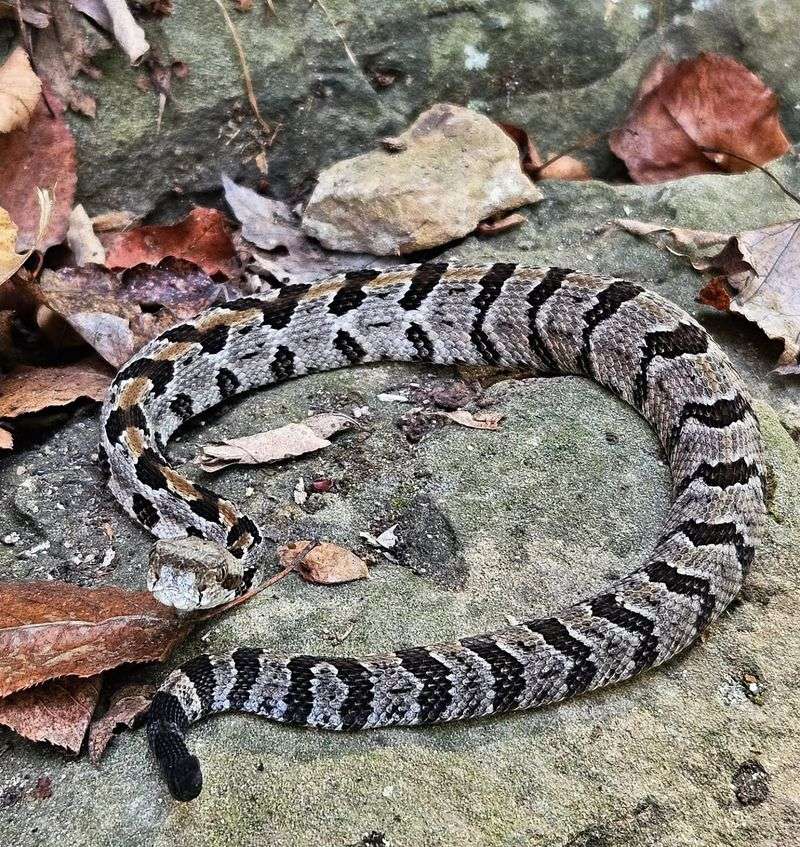
Timber Rattlesnake
© urbanherpadventures

Back in colonial times, a version of this snake showed up on the famous Don’t Tread On Me flag. The timber rattlesnake is the largest venomous snake in Illinois, sometimes stretching close to five feet long.

It is a threatened species here, found mostly on wooded bluffs along the Mississippi, Illinois, and Ohio rivers.

Glossy, round, and dressed in black, the female black widow looks almost like a shiny button.

Its pattern is easy to remember once you see it. Dark, zigzag bands called chevrons cross a yellow, tan, or gray body, and the tail turns solid black right before the rattle.

Timbers are calm and usually rely on camouflage instead of striking. Homeowners near rocky hillsides should keep brush piles away from the house and wear sturdy boots when clearing leaves.

A bite is a true medical emergency, so call 911 right away if one happens.

3. Copperhead
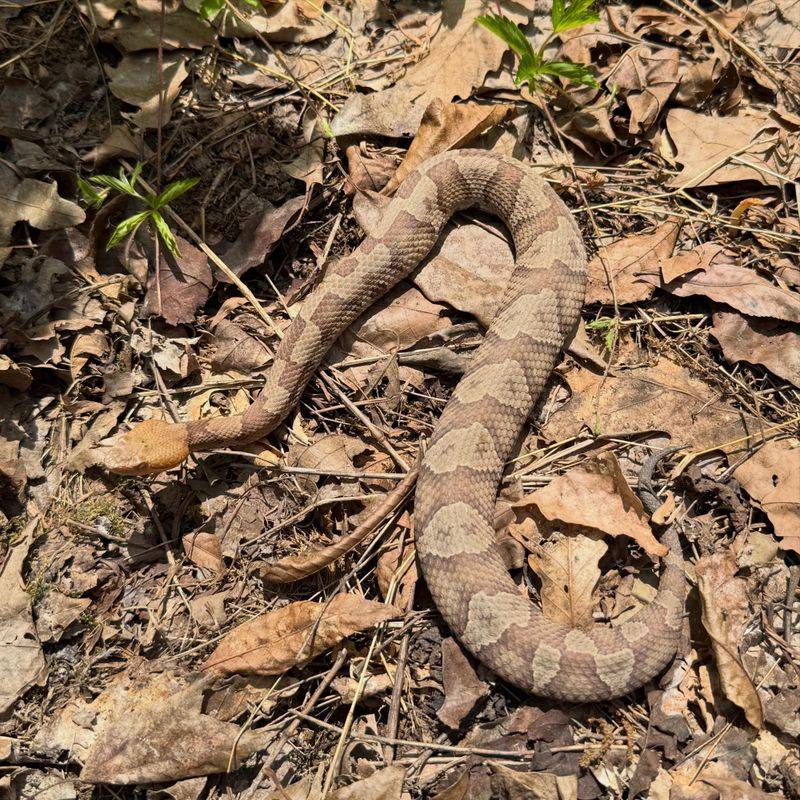
Copperhead
© adventure_gavon

Hourglasses are the secret code for this one. When you look down at a copperhead from above, its brown bands are wide on the sides and skinny across the back, like a row of sand timers.

Copperheads live mainly in the southern third of Illinois, especially around Shawnee National Forest. They love leaf litter, woodpiles, and rock walls, which means a shady garden bed can look like a five-star hotel to them.

Their coppery head blends almost perfectly with dry oak leaves.

Young copperheads have a bright yellow tail tip that they wiggle to lure frogs. Bites are painful but rarely deadly, and most happen when people reach into spots they cannot see.

Gloves and a garden rake for moving leaves go a long way.

4. Cottonmouth
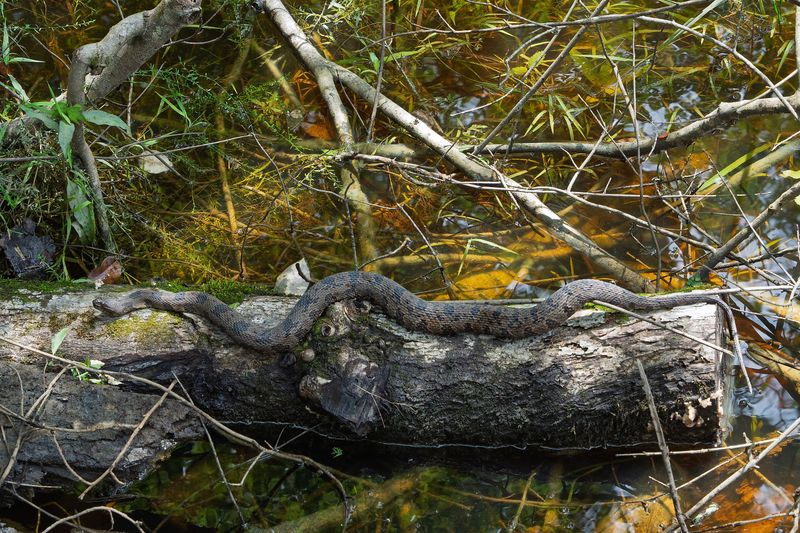
Cottonmouth
© World Atlas

Here is a fun bit of trivia. When a cottonmouth feels threatened, it opens its mouth wide to show a lining as white as a cotton ball, which is where its name comes from.

Only the very southern tip of Illinois, near swamps like Cache River, hosts this snake. Adults are thick and dark, often olive or nearly black, with a blocky head and a dark stripe through the eye.

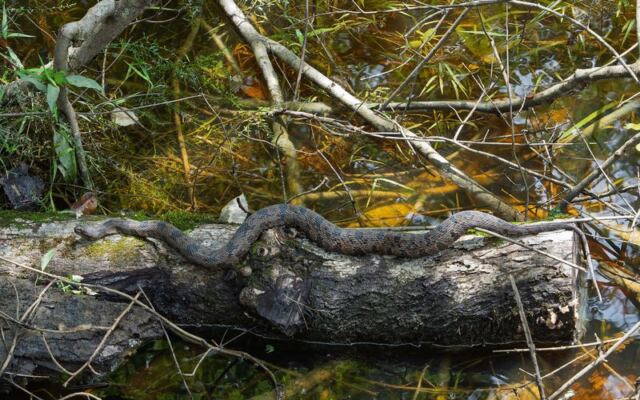
They also swim with their whole body floating on top of the water, while harmless water snakes usually swim with just their heads up.

Plenty of people call every water snake a cottonmouth, but most are actually northern water snakes. If you live near southern wetlands and have a backyard pond, give any dark, heavy snake plenty of room.

5. Black Widow Spider
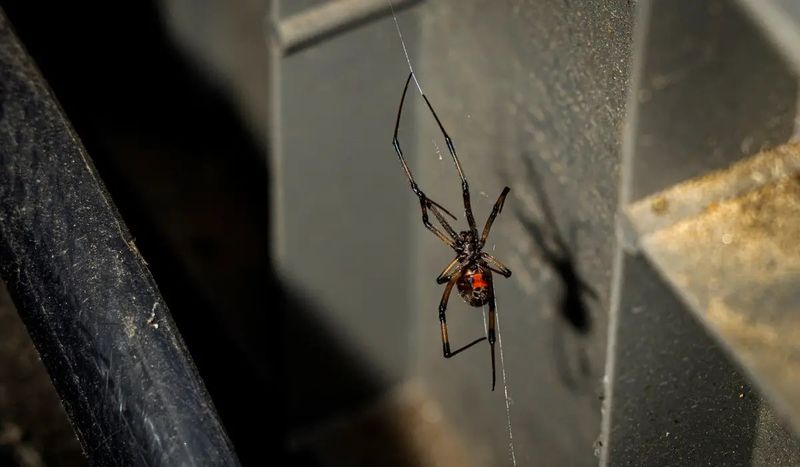
Black Widow Spider
© Rigo Pest Prevention

Glossy, round, and dressed in black, the female black widow looks almost like a shiny button. Flip her over and you will see a red hourglass on her belly, the warning sign most kids learn early.

Illinois has northern and southern black widows. The northern type often has a broken hourglass that looks like two red spots.

They spin messy, tangled webs low to the ground, under flowerpots, inside sheds, and around woodpiles.

Their venom affects nerves and can cause strong muscle cramps, though deaths are extremely rare. Shake out gloves and boots that sat in the garage, and always look before grabbing an old pot.

6. Brown Recluse Spider
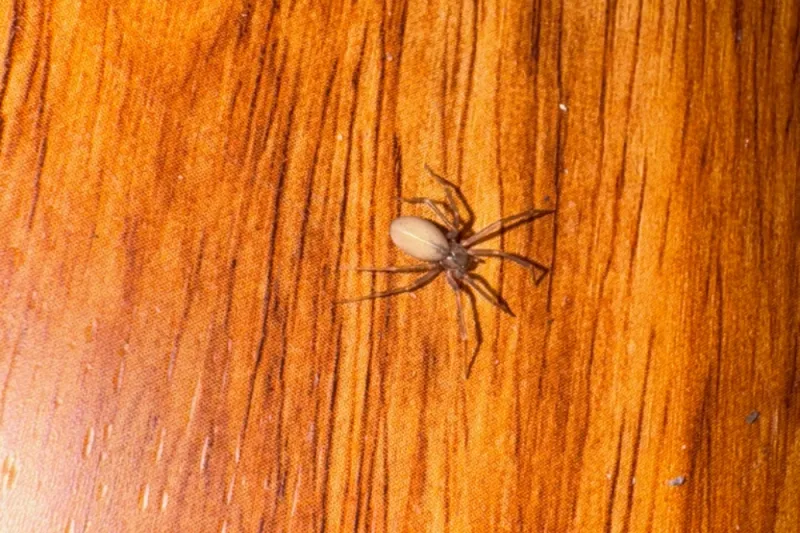
Brown Recluse Spider
© Insectio

Ever heard someone call a spider a fiddleback? They meant the brown recluse, which wears a dark violin shape on its back with the neck pointing toward its rear.

Recluses are common in central and southern Illinois. True to their name, they hide in quiet places like cardboard boxes, garden sheds, and stacks of firewood.

Another clue is their eyes: six eyes in three pairs, instead of the eight most spiders have.

Many brown spiders get blamed unfairly, so check that violin and eye pattern before panicking. A bite may form a slow-healing sore, so see a doctor if one gets red or spreads.

Storing gardening gear in sealed plastic bins makes your shed a lot less cozy for them.

7. Harmless Look-Alikes
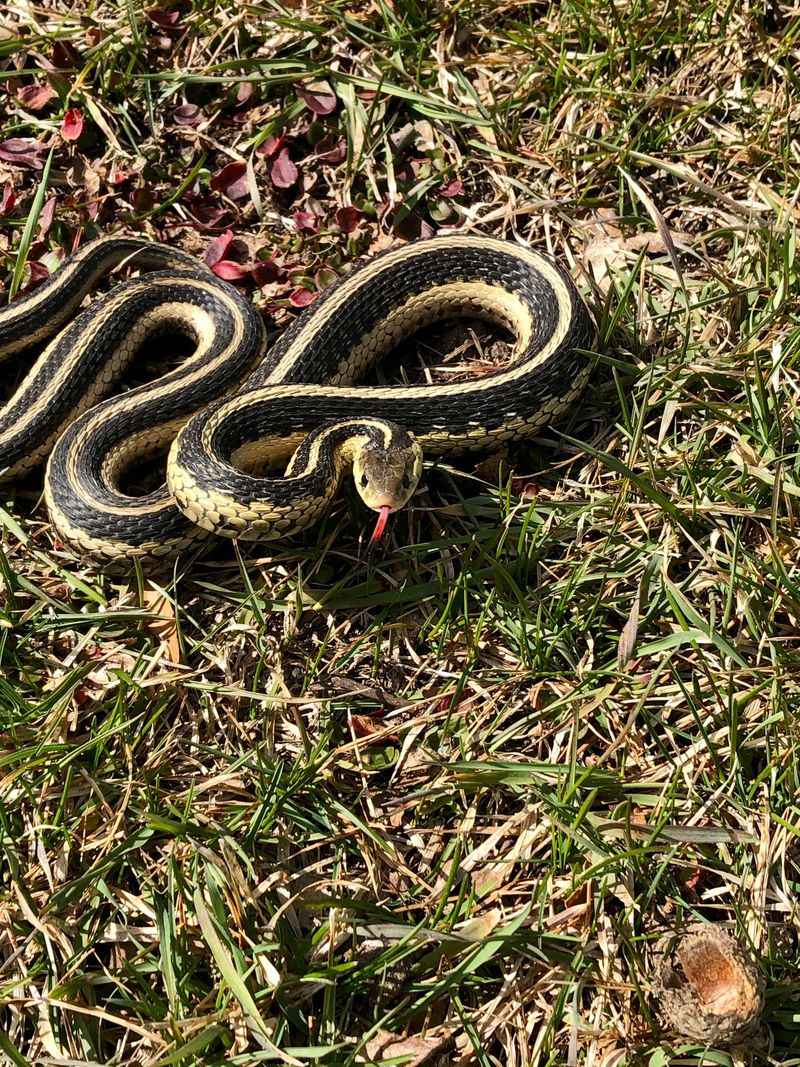
Harmless Look-Alikes
© Reddit

Honestly, the snake in your tomato patch is probably a garter snake. Illinois has around 40 snake species, and only four are venomous, so most surprises are friendly ones.

A few common mix-ups are worth knowing. Fox snakes and bull snakes sometimes shake their tails in dry leaves to sound like rattlers.

The eastern hognose puffs up and hisses, then plays dead with its tongue hanging out, a dramatic act but totally harmless to people.

Spiders work the same way. Big hairy wolf spiders and fishing spiders look scary yet have mild bites at worst.

When in doubt, snap a photo from a safe distance and check with your county extension office, then let these helpful pest-eaters get back to work.

Share this story
WN

Written by

Walter Novak

More from Walter Novak →

About Gardening Latest

Gardening Latest provides in-depth guides to maintaining and enhancing your garden and backyard. Learn how to make the most of the space you have and create a beautiful garden.

More about us →

Latest stories

  • Wisconsin GardeningWisconsin Winters Don’t Kill Your Brown Recluse Worries, Because Hobo and Yellow Sac Spiders Move Indoors Now

    Wisconsin Winters Don’t Kill Your Brown Recluse Worries, Because Hobo and Yellow Sac Spiders Move Indoors Now

    3 min ago
  • Missouri GardeningYour Frozen Missouri Lawn Isn’t Empty: A Tiny Mammal With a Venomous Bite Hunts Below All Winter

    Your Frozen Missouri Lawn Isn’t Empty: A Tiny Mammal With a Venomous Bite Hunts Below All Winter

    9 min ago
  • Tennessee GardeningThose Big Brown Spiders Showing Up Inside Tennessee Homes After the First Cold Snap Are Wolf Spiders, and Here’s Why They Came In

    Those Big Brown Spiders Showing Up Inside Tennessee Homes After the First Cold Snap Are Wolf Spiders, and Here’s Why They Came In

    15 min ago
  • Alabama GardeningHearing Great Horned Owls Hoot Outside Your Alabama Home at Night? Here’s What It Means

    Hearing Great Horned Owls Hoot Outside Your Alabama Home at Night? Here’s What It Means

    21 min ago
  • Minnesota GardeningMinnesota Homeowners Keep Yanking This Invasive Tree, and It Keeps Taking Over Their Yards

    Minnesota Homeowners Keep Yanking This Invasive Tree, and It Keeps Taking Over Their Yards

    27 min ago

Gardening by state

Stories for your state, and the hardiness zone most of it gardens in.

Keep exploring

Read next

All Illinois Gardening →
Illinois GardeningOpossums Come Looking for Shelter Around Illinois Homes Every Winter, and Here’s What You Should Do
Illinois Gardening

Opossums Come Looking for Shelter Around Illinois Homes Every Winter, and Here’s What You Should Do

33 min ago
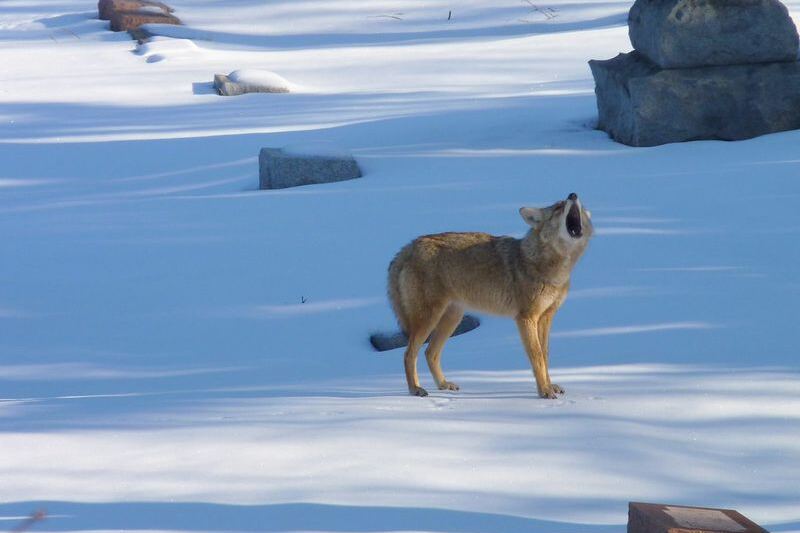
Illinois GardeningIf You Hear Coyotes Howling Near Your Illinois Home at Night, Here’s What They’re Saying
Illinois Gardening

If You Hear Coyotes Howling Near Your Illinois Home at Night, Here’s What They’re Saying

4 hr ago
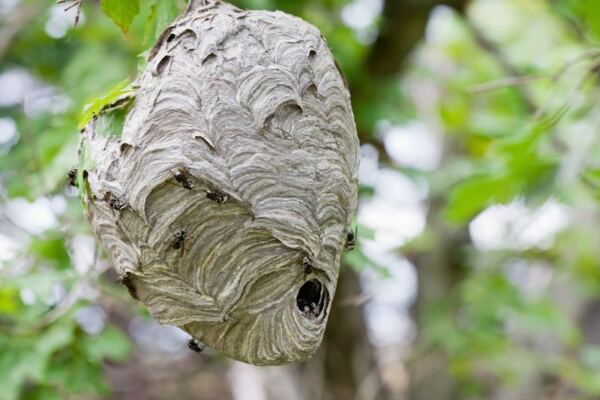
Illinois GardeningIf You Find A Yellow Jacket Nest Near Your Illinois Home, Here’s What To Do Right Away
Illinois Gardening

If You Find A Yellow Jacket Nest Near Your Illinois Home, Here’s What To Do Right Away

22 hr ago

More from Illinois Gardening

  • If Your Illinois Rhubarb Just Sent Up a Giant Flower Stalk, Here’s Why and Whether It Should Go

    Nov 25
  • Your Neighbor’s Tree Crashed Into Your Illinois Yard, and Here’s Who Actually Pays for It

    Nov 25
Back to top

Leave a response Cancel

Your email address stays private. Required fields are marked with an asterisk.

Gardening Latest

In-depth guides to maintaining and enhancing your garden and backyard: how to make the most of the space you have, and how to make it beautiful.

  • Facebook
  • X
  • Pinterest
  • YouTube

We may earn a portion of sales from products or services that are purchased through our site as part of our affiliate partnerships with retailers.

Explore

  • About GardeningLatest.com
  • Contact Us
  • Terms and Conditions
  • Privacy
  • Editorial Note:
  • FTC Disclosure

Newsletter

New garden guides and seasonal tips, straight to your inbox.

We’ll email you a link to confirm. Unsubscribe any time.

Almost there! Check your inbox and tap the link to confirm.

© 2026 Gardening Latest. All rights reserved.

Back to top