Get the latest garden guides in your inbox →
Gardening Latest
  • General Gardening
  • Lawn Care
  • Plant Care
  • Composting
  • Soil Health
  • Backyard
  • Garden Muse Magazine
  • General Gardening
  • Lawn Care
  • Plant Care
  • Composting
  • Soil Health
  • Backyard
  • Garden Muse Magazine
  • News
  • Gardening Calendar
  • Garden Structures
  • Vegetable Garden
  • Vertical Garden
  • Raised Beds
  • Hydroponics
  • General Equipment
  • Community Gardens
Garden Themes
  • Spiritual Garden
  • Hydroseeding
  • Seeding and Laying Sod
  • Artificial Grass
  • Lawn Care Equipment
  • Plants
  • Trees
  • Planting Tools
  • Composting Basics
  • Fertilizer
  • Alternative Growing Mediums
  • Front Yard
  • Backyard Activities
  • Landscaping
Gardening Latest

Explore by state

Which state is your garden in?

Currently viewing Indiana

All states

Northeast

  • Connecticut —
  • Delaware 33
  • Maine —
  • Maryland 19
  • Massachusetts 35
  • New Hampshire —
  • New Jersey 19
  • New York 28
  • Pennsylvania 28
  • Rhode Island —
  • Vermont —

Southeast

  • Alabama 19
  • Arkansas —
  • Florida 19
  • Georgia 19
  • Kentucky 33
  • Louisiana 18
  • Mississippi —
  • North Carolina 17
  • South Carolina 32
  • Tennessee 16
  • Virginia 18
  • West Virginia —

Midwest

  • Illinois 18
  • Indiana 20
  • Iowa 32
  • Kansas —
  • Michigan 19
  • Minnesota 18
  • Missouri 18
  • Nebraska —
  • North Dakota —
  • Ohio 19
  • South Dakota —
  • Wisconsin 34

Southwest

  • Arizona 19
  • Colorado —
  • Nevada —
  • New Mexico —
  • Oklahoma —
  • Texas 18
  • Utah —

West

  • Alaska —
  • California 19
  • Hawaii —
  • Idaho —
  • Montana —
  • Oregon —
  • Washington —
  • Wyoming —

No state matches that search.

Site menu

Gardening Latest
  • General Gardening
    • News
    • Gardening Calendar
    • Garden Structures
    • Vegetable Garden
    • Vertical Garden
    • Raised Beds
    • Hydroponics
    • General Equipment
    • Community Gardens
    Garden Themes
    • Spiritual Garden
  • Lawn Care
    • Hydroseeding
    • Seeding and Laying Sod
    • Artificial Grass
    • Lawn Care Equipment
  • Plant Care
    • Plants
    • Trees
    • Planting Tools
  • Composting
    • Composting Basics
  • Soil Health
    • Fertilizer
    • Alternative Growing Mediums
  • Backyard
    • Front Yard
    • Backyard Activities
    • Landscaping
  • Garden Muse Magazine

Explore

  • About GardeningLatest.com
  • Contact Us

Get the latest from the garden

New guides on lawn care, plants and backyard projects, sent when they go up.

Subscribe →

Follow

  • Facebook
  • X
  • Pinterest
  • YouTube
Indiana Gardening

Indiana Has Four Venomous Snakes And Two Dangerous Spiders, And Here’s What Each One Looks Like

Most of the snakes and spiders you will meet in Indiana are harmless and even helpful.

DH

By Dale Hutchins

November 25, 2026 · 5 min read

Indiana Has Four Venomous Snakes And Two Dangerous Spiders, And Here’s What Each One Looks Like
Indiana Has Four Venomous Snakes And Two Dangerous Spiders, And Here's What Each One Looks Like

Most of the snakes and spiders you will meet in Indiana are harmless and even helpful. Still, a small handful can deliver a bite that sends you to the hospital.

Knowing what these six creatures look like can help you stay calm, stay safe, and leave the good guys alone. Here is a simple guide to spotting each one before it spots you.

At a glance

Where
Indiana Gardening
Hardiness zone
6 −10 to 0°F
Read
5 minutes
Published
November 25, 2026

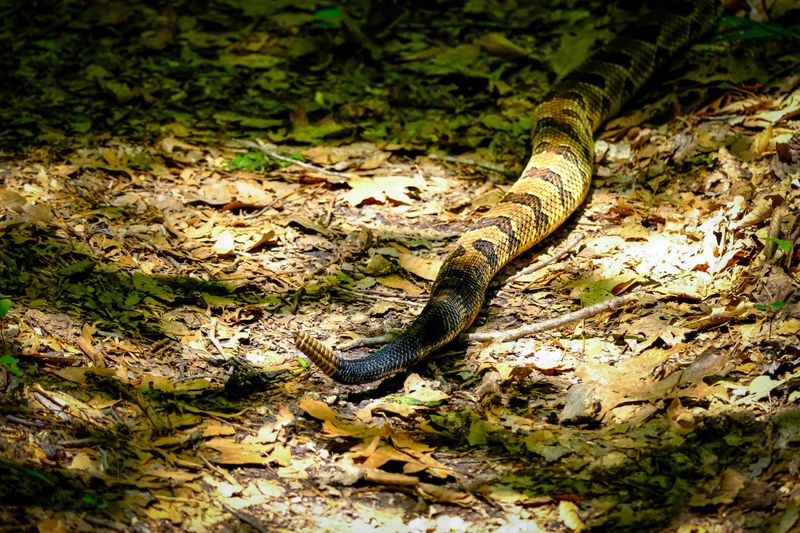
1. Timber Rattlesnake

Timber Rattlesnake
© Reddit

Picture a thick, heavy snake stretched across a sunny rock ledge in the hills of Brown County. That is the timber rattlesnake, the largest venomous snake in Indiana and a true giant of the state’s forests.

Adults often reach three to five feet long.

Look for a yellowish, tan, or grayish body marked with dark, jagged bands shaped like a V or a chevron. The tail is usually solid black and ends in a rattle.

Its head is broad and triangular, much wider than its neck.

Timber rattlers live mostly in the rugged woodlands of south-central Indiana. They are listed as a state endangered species, so harming one is against the law.

If you hear that dry buzzing sound, back away slowly and give it plenty of room. These snakes would much rather hide than fight.

2. Eastern Massasauga
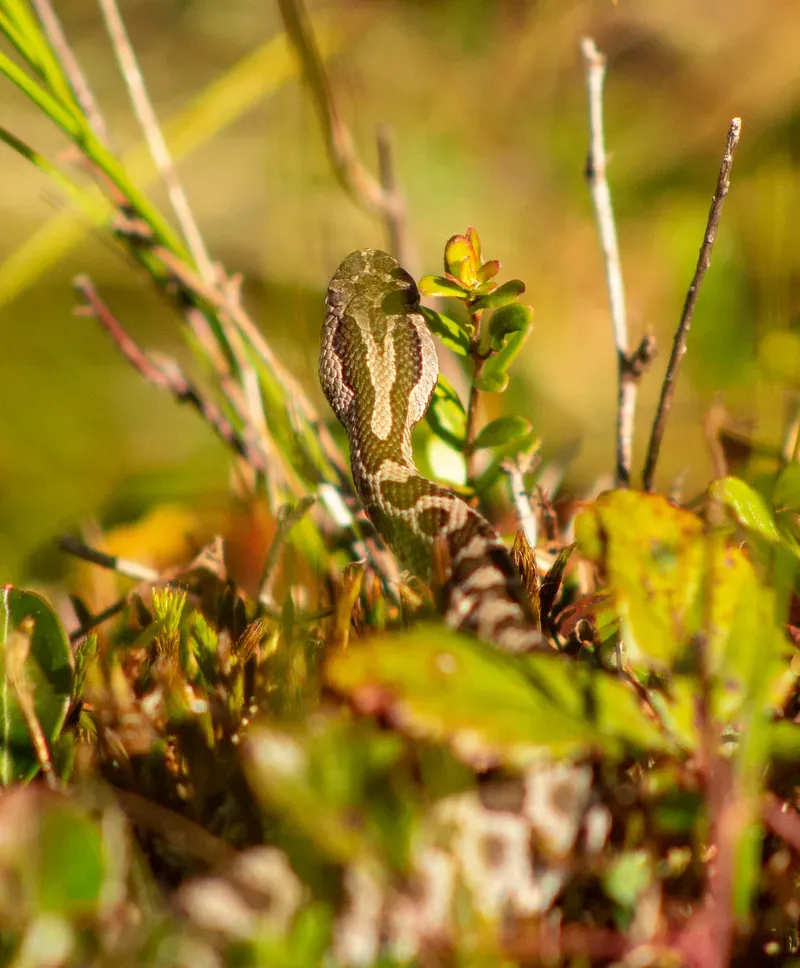
Eastern Massasauga
© Indiana Fishing Guide

Swampy meadows in northern Indiana hide one of the rarest snakes in the Midwest. The eastern massasauga is a small rattlesnake, usually just two to three feet long, and it is federally listed as threatened.

Many Hoosiers live their whole lives without ever seeing one.

When a cottonmouth feels cornered, it throws its head back and opens its mouth wide, showing a lining as white as cotton.

Its body is gray or light brown with rows of dark, rounded blotches down the back. The rattle is tiny, so its warning buzz sounds more like an insect than a maraca.

Some people say it reminds them of a grasshopper.

Fun fact: the name “massasauga” comes from an Ojibwe word meaning “great river mouth,” a nod to the wet places it calls home. Massasaugas spend winter in crayfish burrows underground.

If you are hiking near a marsh, watch where you step and stay on the trail.

3. Copperhead

Copperhead
© PICRYL

Ever notice how a pile of autumn leaves can look like a perfect hiding spot? Copperheads agree.

Their coloring blends so well into the forest floor that hikers sometimes step right past them without a clue.

The easiest clue is the pattern. Copperheads have tan or pinkish bodies with dark, hourglass-shaped bands that are wide on the sides and narrow on the back.

The head is a coppery orange, which is how the snake got its name. Young copperheads even sport a bright yellow tail tip that they wiggle to lure frogs.

In Indiana, copperheads live mainly in the southern third of the state, often near rocky hillsides and woodpiles. Their bites are painful but rarely deadly.

Wear boots, use a flashlight at night, and never reach into spaces you cannot see.

4. Cottonmouth
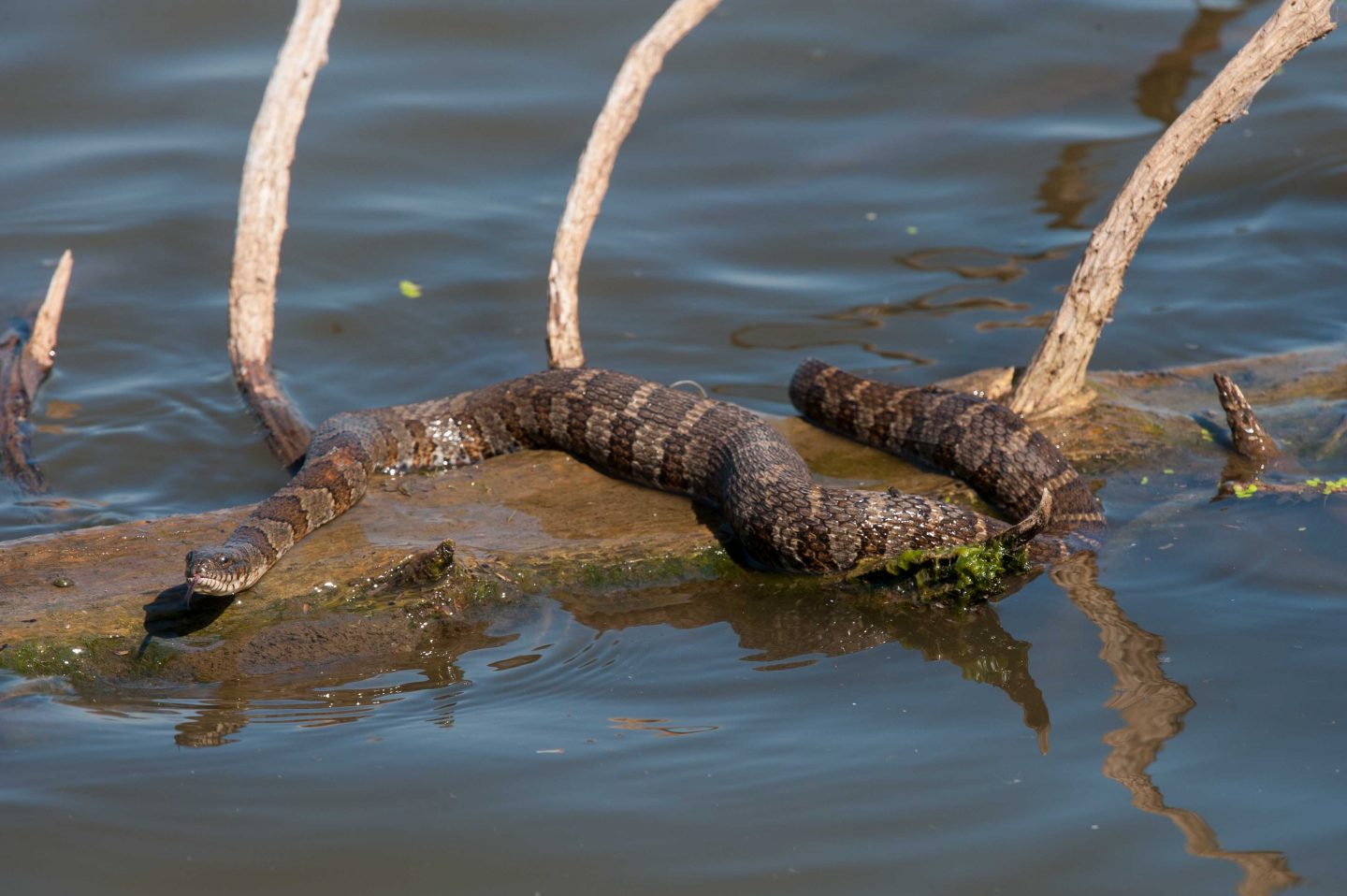
Cottonmouth
© Nebraskaland Magazine

Few snakes make a threat display quite as memorable. When a cottonmouth feels cornered, it throws its head back and opens its mouth wide, showing a lining as white as cotton.

That warning is hard to forget.

Adults are dark olive, brown, or nearly black, with faint bands that fade as they age. They have thick bodies, blocky heads, and a dark stripe running through each eye.

Swimming cottonmouths float high on the water, with most of the body above the surface.

Here is the surprise: Indiana’s cottonmouths are extremely rare and found only in a tiny corner of the southwest, near swampy bottomlands. Most “water moccasins” people report are actually harmless northern water snakes.

Even so, it pays to know the real deal. If you see a snake gaping white at you, step back and let it be.

5. Black Widow Spider

Black Widow Spider
© Courier & Press

Shiny, round, and jet black, the female black widow looks almost like a polished bead. Flip her over, though, and you will spot the famous red hourglass on her belly.

That single mark is the best way to identify her.

Black widows build messy, tangled webs in quiet, dark places. Think woodpiles, sheds, garages, outdoor furniture, and the underside of patio chairs.

Only the females are dangerous, and they are shy unless pressed against your skin.

Their venom affects the nerves and can cause muscle cramps, sweating, and stomach pain. Bites are seldom fatal, but medical care is a smart move, especially for kids and older adults.

Wearing gloves when you move firewood or clean out a shed is an easy habit that prevents most bites.

6. Brown Recluse Spider
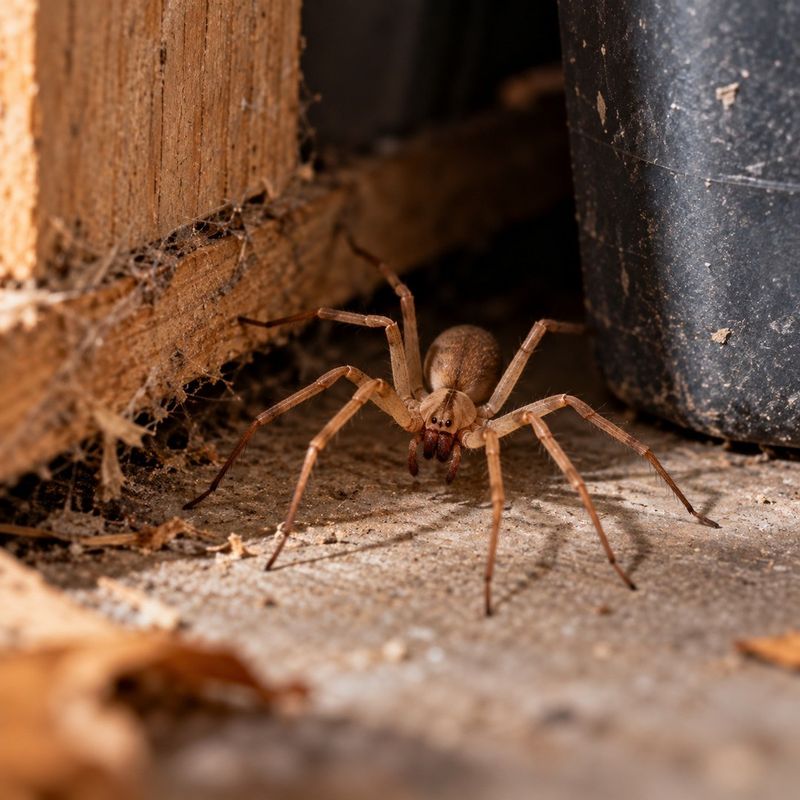
Brown Recluse Spider
© ecoprotx

True to its name, this spider is a loner. The brown recluse prefers dusty basements, closets, attics, and cardboard boxes, places where people rarely go.

Trouble usually starts when someone slips on an old shoe or pulls out a sweater from storage.

Look for a light to medium brown spider about the size of a quarter, legs included. On its back is a dark, violin-shaped mark, which earned it the nickname “fiddleback.” Another giveaway is its eyes: it has six arranged in pairs, while most spiders have eight.

Recluses are mostly found in southern Indiana. A bite can cause a sore that slowly breaks down the skin, so see a doctor if a wound grows or darkens.

Shake out clothes and shoes, and store items in sealed plastic bins to keep these hideaways out.

Share this story
DH

Written by

Dale Hutchins

More from Dale Hutchins →

About Gardening Latest

Gardening Latest provides in-depth guides to maintaining and enhancing your garden and backyard. Learn how to make the most of the space you have and create a beautiful garden.

More about us →

Latest stories

  • California GardeningIf a Gray Fox Keeps Trotting Through Your California Yard This Winter, Here’s What It’s After

    If a Gray Fox Keeps Trotting Through Your California Yard This Winter, Here’s What It’s After

    11 hr ago
  • Arizona GardeningWhen a Gray Fox Trots Through Your Arizona Yard This Winter, It’s on a Mission

    When a Gray Fox Trots Through Your Arizona Yard This Winter, It’s on a Mission

    12 hr ago
  • Texas GardeningNeighbor Vines Crossing Into Your Texas Yard: Texas Tree-Branch Guidance Is Clear, but the Answer for Vines Is Less Settled

    Neighbor Vines Crossing Into Your Texas Yard: Texas Tree-Branch Guidance Is Clear, but the Answer for Vines Is Less Settled

    12 hr ago
  • Wisconsin GardeningWisconsin Neighbors Fight Over Snow Piled on Their Property, and Here’s What the Law Actually Says

    Wisconsin Neighbors Fight Over Snow Piled on Their Property, and Here’s What the Law Actually Says

    12 hr ago
  • Missouri GardeningYellow Jackets Nesting Near Your Missouri Home? This Is What You Should Do First

    Yellow Jackets Nesting Near Your Missouri Home? This Is What You Should Do First

    12 hr ago

Gardening by state

Stories for your state, and the hardiness zone most of it gardens in.

Keep exploring

Read next

All Indiana Gardening →
Indiana GardeningVenomous Critters Quietly Share Your Indiana Yard, Until Late Fall Pulls Them Into View
Indiana Gardening

Venomous Critters Quietly Share Your Indiana Yard, Until Late Fall Pulls Them Into View

14 hr ago
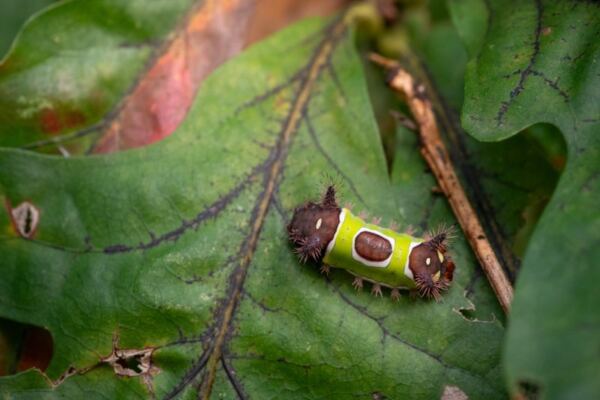
Indiana GardeningIndiana Gardeners Who Grab a Saddleback Caterpillar by Mistake Need These First-Aid Steps Fast
Indiana Gardening

Indiana Gardeners Who Grab a Saddleback Caterpillar by Mistake Need These First-Aid Steps Fast

17 hr ago
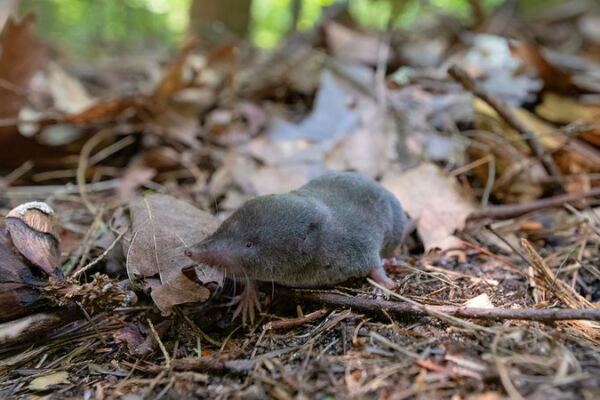
Indiana GardeningThe Northern Short-Tailed Shrew in Indiana Gardens Is Tiny, Common, and Actually Venomous
Indiana Gardening

The Northern Short-Tailed Shrew in Indiana Gardens Is Tiny, Common, and Actually Venomous

20 hr ago

More from Indiana Gardening

  • Before You Clear Out Your Indiana Garage This Winter, Check The Corners For These Egg Sacs

    Nov 24
  • Those Bright Orange Berries Bursting On Indiana Tree Vines Are Strangling The Tree

    Nov 23
Back to top

Leave a response Cancel

Your email address stays private. Required fields are marked with an asterisk.

Gardening Latest

In-depth guides to maintaining and enhancing your garden and backyard: how to make the most of the space you have, and how to make it beautiful.

  • Facebook
  • X
  • Pinterest
  • YouTube

We may earn a portion of sales from products or services that are purchased through our site as part of our affiliate partnerships with retailers.

Explore

  • About GardeningLatest.com
  • Contact Us
  • Terms and Conditions
  • Privacy
  • Editorial Note:
  • FTC Disclosure

Newsletter

New garden guides and seasonal tips, straight to your inbox.

We’ll email you a link to confirm. Unsubscribe any time.

Almost there! Check your inbox and tap the link to confirm.

© 2026 Gardening Latest. All rights reserved.

Back to top