A tiny mammal moves through Wisconsin woods and yards, and most people never notice it. It looks a lot like a mouse, yet its saliva carries venom that helps it handle its prey.
Deep leaf litter is one of the places it likes to hunt, though it is far from the only one. Here is what we know about this small and surprising neighbor.
A mouse-like shrew turns up across Wisconsin
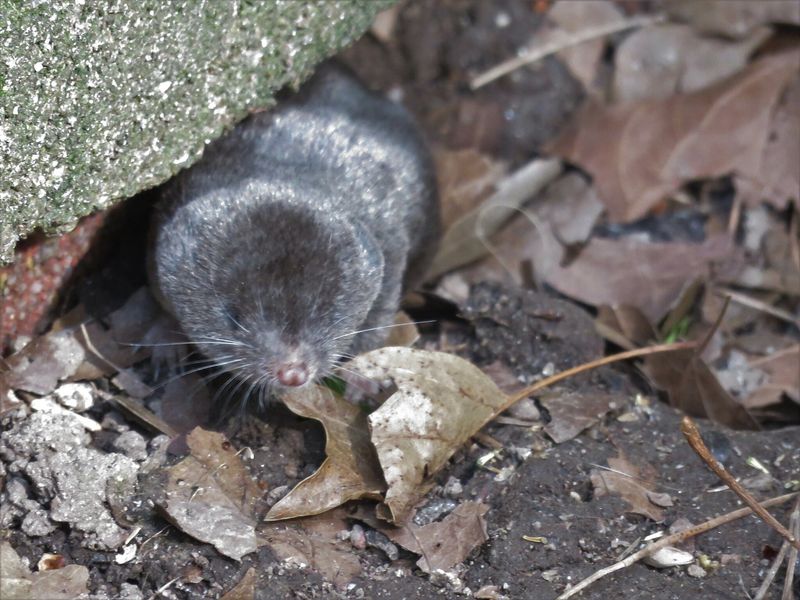
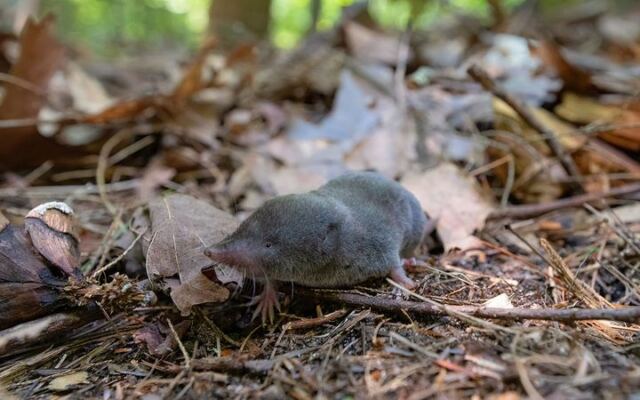
Some of Wisconsin’s most interesting wildlife is small enough to slip past you completely. The northern short-tailed shrew, known to scientists as Blarina brevicauda, is one of those animals.
According to University of Wisconsin Extension, it occurs throughout the state, so it is a regular part of the local wildlife community.
Because it is small and quick, people can mistake it for a meadow mouse. That mix-up is easy to understand when an animal darts across a path or vanishes into cover in a second.
A shrew is not a mouse, though, and the best way to tell them apart is to leave the identification to someone with experience rather than guessing from a quick glimpse.
What makes this animal worth a second look is its saliva. The shrew is venomous, meaning it can deliver toxin through a bite, and it uses that venom to help subdue the prey it catches.
UW Extension describes it as the only venomous mammal in Wisconsin, which is a statement about our state rather than about the whole world.
Notice the word venomous rather than poisonous. Poisonous would suggest an animal that is harmful to touch or eat, while venomous describes toxin delivered by a bite.
A shrew simply going about its day in the woods is not a threat to anyone, and its venom is a hunting tool.
The rest of this article looks at where the shrew lives, what its venom does, and what to do if you ever cross paths with one. The goal is informed curiosity, not worry.
Deep leaf litter is one part of its habitat
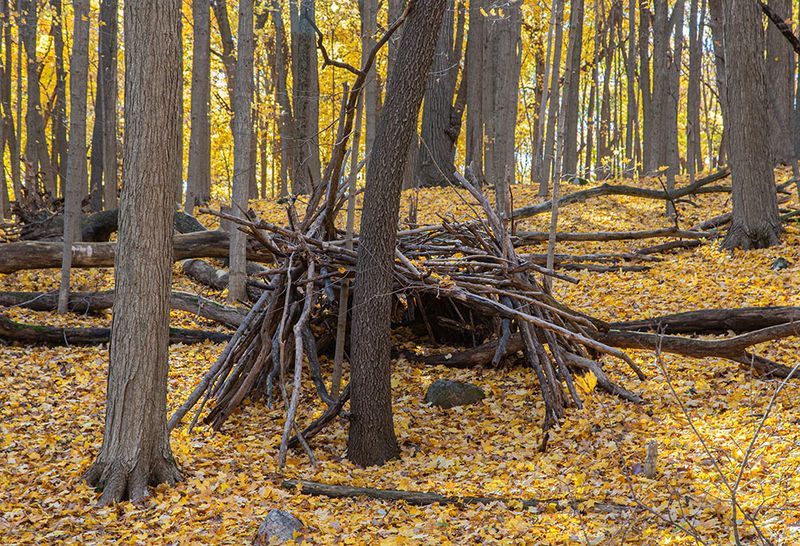
A thick blanket of fallen leaves makes sense as shrew territory. NatureServe describes the species as most abundant in hardwood forests with deep leaf litter and plenty of food.
Leaves give small animals cover, and they shelter the insects and other small creatures that a hungry shrew hunts.
Still, the headline version of the story, that a shrew lives under your fallen leaves, goes further than the evidence does. Deep leaf litter is one feature the animal favors, not a guarantee that one is living in your yard.
Whether a shrew is near your home depends on the habitat around it, and plenty of yards have no shrews at all.
Leaves are also only part of the picture. NatureServe reports that shrews dig their own tunnels or use ones that already exist.
They nest under logs and stumps, or underground, which means much of their life happens out of sight below the surface.
Picture a woodland edge in autumn. Maple and oak leaves pile up against a rotting log, and a few narrow runways lead into the soil beneath.
A shrew might hunt in the leaves, then retreat into a tunnel or a nest tucked under the log.
For gardeners, the practical lesson is simple. Leaf piles, wood piles, and other covered spots are all places small wildlife may pass through.
Seeing one tells you that your yard offers cover and food, which is a normal sign of a living landscape.
Its venom helps it subdue prey
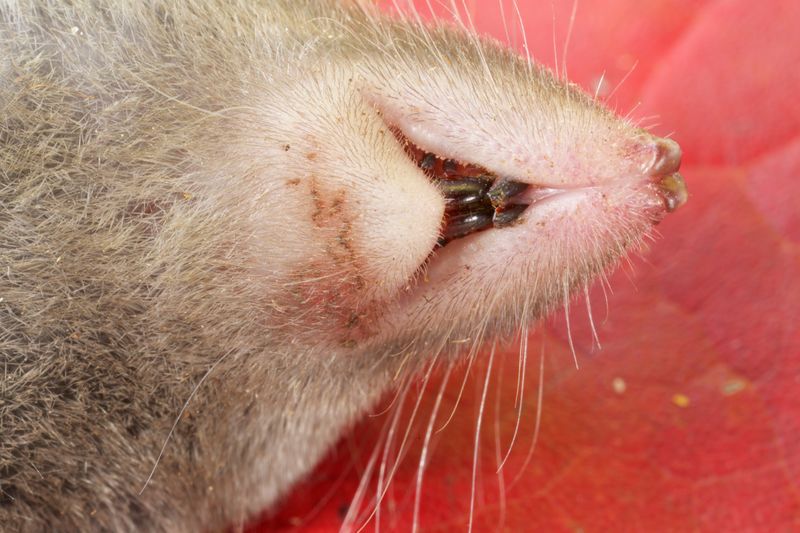
Hunting is a high-stakes job for a tiny animal, and venom gives the shrew an edge. Its saliva carries toxin that helps it subdue prey, so a bite can slow down an animal that might otherwise get away.
UW Extension notes this feature when it describes the species as venomous.
Scientists have looked closely at that toxin. In a peer-reviewed study, researchers isolated a compound called blarina toxin from the shrew’s salivary glands.
They then tested it and found lethal effects in experimentally treated mice.
That result is narrow, and it is worth reading carefully. It shows that the toxin works as a potent substance in mice, which fits with its role in handling prey.
It does not measure how dangerous the toxin is to people, and nobody should stretch the mouse findings into a claim about human harm.
Different species respond to toxins in different ways, so results from one animal cannot simply be carried over to another. What the study gives us is a better understanding of how the shrew’s venom works and why the animal has it.
That is a story about biology, not a safety warning.
What the shrew’s venom means for people comes down to the practical guidance from Wisconsin Extension, which the next section covers.
What a bite means for people
Most people will never be bitten by a shrew, but it helps to know what the guidance says. Wisconsin Extension states in its outdoor hazards guide that a short-tailed shrew bite may cause painful swelling and is not life-threatening.
That is a useful practical summary of what to expect.
It is a summary, though, and not a promise about every single exposure. Individual situations differ, and the sources here do not say how often bites happen or offer a large collection of human cases.
So the fair takeaway is that the venom is generally described as painful rather than dangerous, while still calling for sensible care.
There is a second question that has nothing to do with venom. Any time a wild animal bites or scratches a person, public-health officials may want to assess the exposure.
CDC guidance on rabies explains that the level of concern depends on the type of animal and the kind of exposure.
The Wisconsin Department of Natural Resources gives similar advice on its rabies page. It recommends cleaning the wound right away and contacting health authorities after a wildlife exposure.
Keep the two issues separate in your mind. Swelling from venom describes what the bite itself may do, while the rabies question is about whether you need professional advice.
A bite that feels manageable does not settle that second question, and that call belongs to a clinician or health department.
If you find one, leave it alone
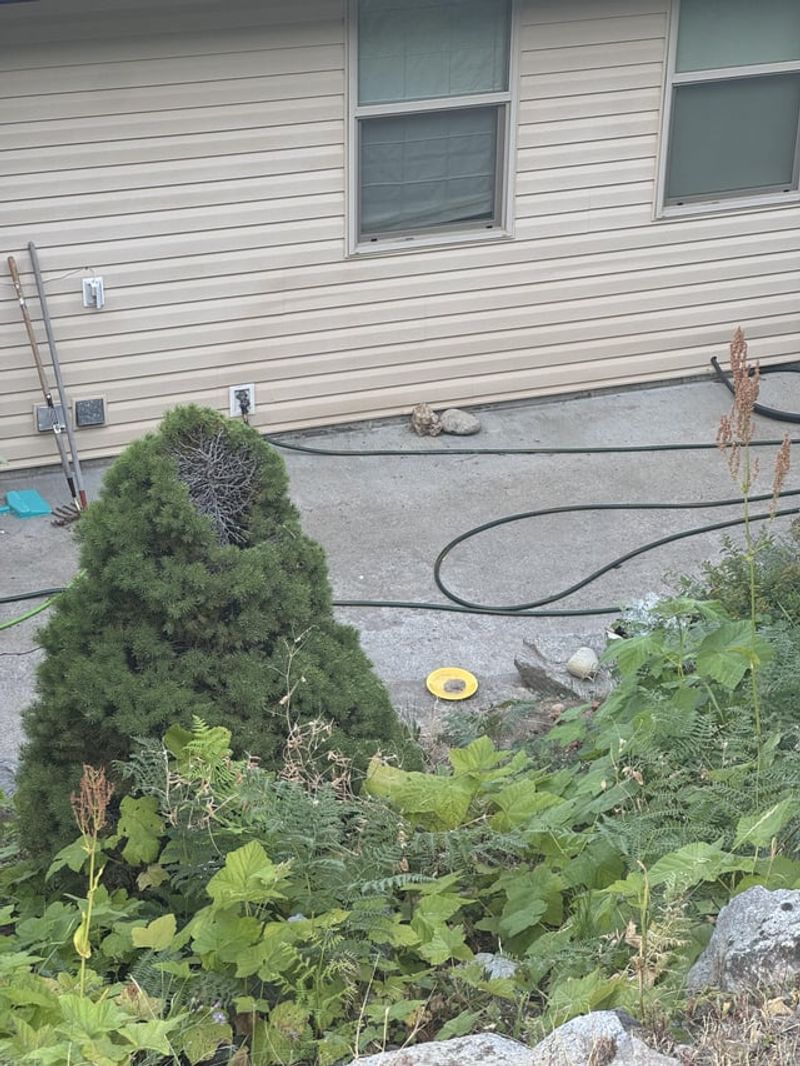
Finding a small wild animal in the garden can be exciting, and the best response is to watch from a distance. Do not touch or pick up a shrew.
CDC wildlife guidance advises against handling unfamiliar wildlife, and that rule applies here.
None of this makes raking leaves or tidying a flower bed a risky chore. Ordinary yard work is fine.
The point is only that if a shrew turns up, you should give it room and let it move on, and you can keep any pets away while it does.
If someone is bitten or scratched, act quickly. Wash the wound right away with soap and water, and rinse thoroughly.
Then call a health professional or your local public-health authority soon to ask what to do next.
That call should include the question of whether a rabies-risk assessment is needed. As CDC advice on seeking care explains, the answer depends on the animal and the exposure, so it is not something to decide on your own.
The Wisconsin DNR also points people toward cleaning the wound and contacting health authorities.
A simple routine covers nearly every case: keep your hands off, wash well if there is a bite or scratch, and ask a professional. Following those steps lets you appreciate the animal without taking any chances.
A remarkable neighbor, not a reason for alarm
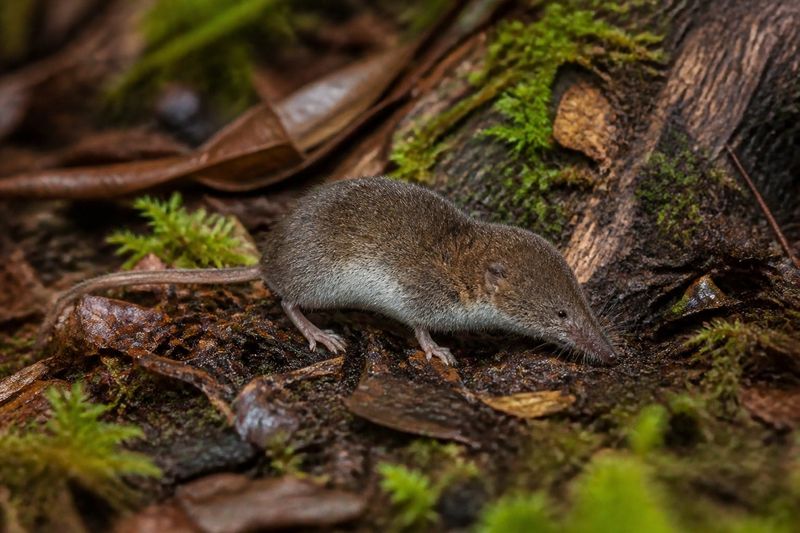
Wisconsin has a small hunter with a big trick. The northern short-tailed shrew lives across the state, according to UW Extension, and its venomous saliva helps it subdue prey.
It favors hardwood forests with deep leaf litter, as described by NatureServe, along with other covered places.
Nothing about that calls for fear, only respect and a bit of wonder. The next time you crunch through autumn leaves, remember that a whole hidden world of tunnels and hunters may be running just below your boots.
Share this story