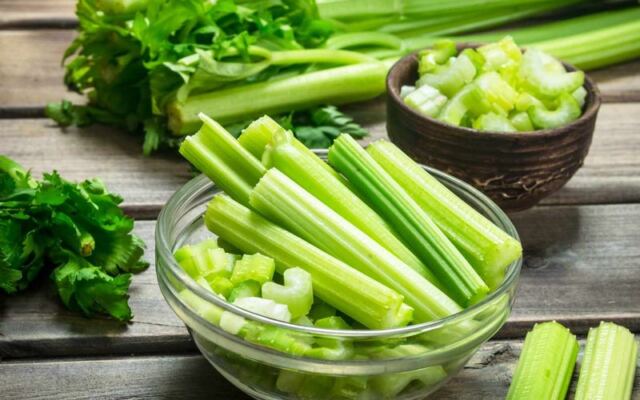
Texans who crunch on celery every day are noticing what it does for their bodies, and what it does is pretty simple: it adds a crisp, low-calorie, water-rich vegetable to the day. Celery also brings a modest amount of fiber along for the ride.
Plenty of people hope a humble stalk can do more than that, so it helps to know what is real and what is hype. Here is a plain look at what daily celery can and cannot do.
What a daily celery habit can realistically do
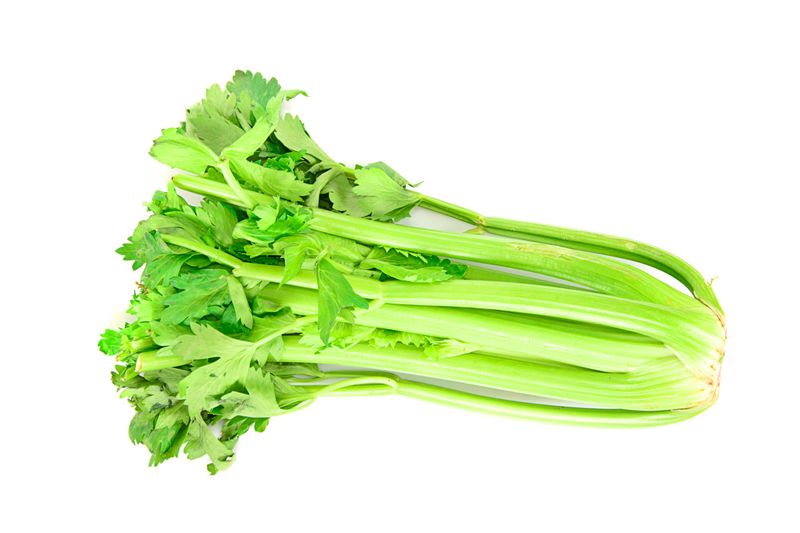
Here is the straight answer. Celery adds a low-calorie, water-rich vegetable with some fiber to your meals and snacks.
The available evidence does not establish a specific bodily change from eating celery stalks every day.
That may sound a little flat, but it is useful. A crunchy stalk can replace a heavier snack, add texture to tuna salad, or give a pot of soup some body.
Those are real, everyday benefits of having a vegetable around, even if they are not dramatic.
Nutrition experts tend to look at the whole eating pattern instead of one star food. In its discussion of so-called negative-calorie foods, the Tufts Health & Nutrition Letter makes that kind of big-picture point: celery is low in calories, but it is not a magic fix.
Think of it as one option on a long list of vegetables, not a shortcut.
You also do not need to eat celery every day to eat well. If you like it, enjoy it.
If you prefer carrots, peppers, cucumbers, or greens, you can build a healthy plate just as well.
Some of the hype comes from research on celery products that are very different from a snack stalk. A 2025 systematic review looked at celery preparations, and we will unpack why those results do not translate neatly to daily stalks.
For now, the takeaway is a modest one: celery is a pleasant, sensible vegetable, and a varied diet does the heavy lifting.
What raw celery contributes
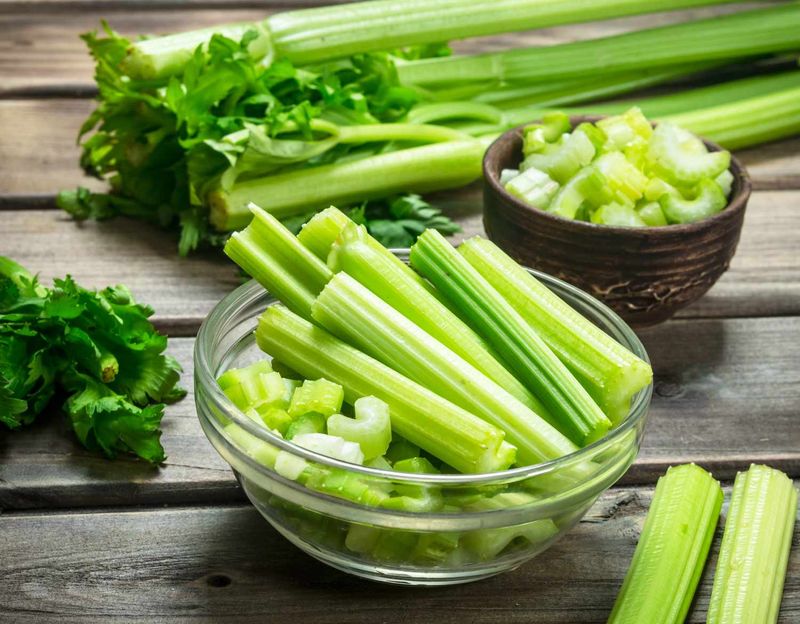
Numbers help here. According to USDA reference data, 100 grams of raw celery has about 16 calories, 95 grams of water, and 1.6 grams of fiber.
That is roughly a couple of medium stalks.
Start with the calories. At 16 per 100 grams, celery is low-calorie, which means you can eat a satisfying amount without adding much energy to your day.
Low-calorie is not the same as calorie-free, though, and the calories do count.
Next comes water. With 95 grams of water in every 100 grams, celery is mostly water, which explains the snap and the juicy crunch.
That water content also makes the stalks filling by volume.
Then there is fiber. A figure of 1.6 grams per 100 grams is real but modest.
Celery is not a major fiber source, so beans, oats, whole grains, and many other vegetables will move the fiber needle more.
These figures describe what is in the food. They do not tell us that eating it daily produces a special health outcome, and it would be a stretch to claim one.
Celery also has very little protein, so it works best as a side or add-in, not a stand-alone meal.
In practice, that makes celery a handy team player. Pair it with peanut butter, hummus, or a bean dip, and the crunchy stalk becomes a vehicle for the protein and fiber that make a snack last.
Studies of celery preparations do not prove effects from stalks
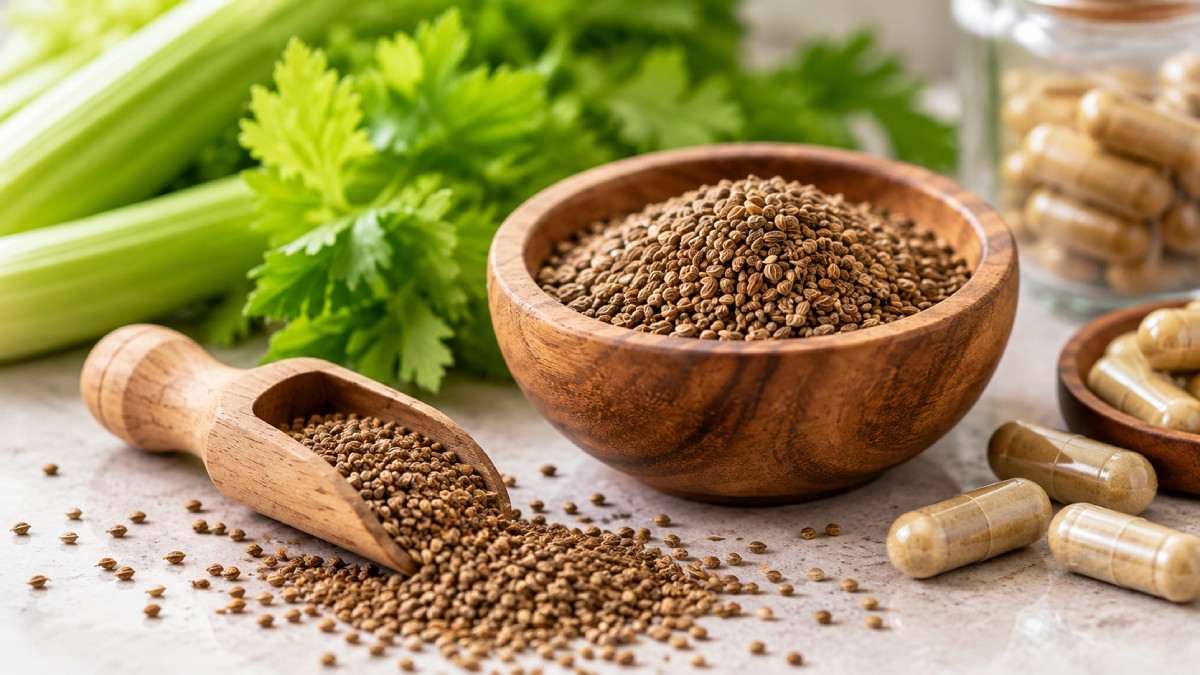
Headlines about celery and blood pressure often trace back to research on things that are not ordinary stalks. A 2025 systematic review pooled 10 randomized studies with 511 participants and reported possible effects on blood pressure and other measures from celery preparations.
The catch is in the details. The authors noted substantial heterogeneity, meaning the studies differed a lot from one another.
Sample sizes were limited, and the authors called for better trials. The preparations and celery parts also varied, and some involved celery seed or supplements.
A single example shows the gap. A small trial of 52 people with hypertension tested 1.34 grams per day of celery seed extract for four weeks.
Nobody in that study was munching crunchy stalks.
So what should you take from this? The blood-pressure research on celery is preliminary and limited.
It is an interesting area for scientists, not a reason to count on a snack to lower your numbers.
If you have high blood pressure, keep taking your medication and keep your appointments. Celery should never replace medication or clinical care, and a change in treatment is a conversation for your clinician.
Celery can still be part of a heart-friendly menu alongside other vegetables, fruit, and whole grains. Just keep the claim modest: the studies do not show that daily stalks treat blood pressure or any other condition.
Juice and detox claims do not tell the whole story
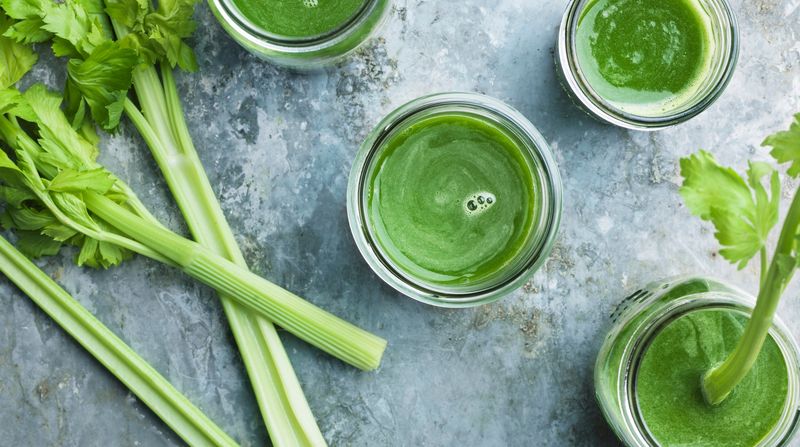
Celery juice has had its moment on social media, so it deserves a fair look. Juice is not the same as whole celery.
Juicing leaves much of the fiber behind, and the American Cancer Society guideline notes that juice has less fiber than the whole fruits and vegetables it comes from.
Detox claims are the next problem. The same source points out that your kidneys and liver already remove toxins from the body.
The sources do not support the idea that stalks, juice, or a celery cleanse detoxifies you.
If you enjoy a glass of celery juice, that is your call. Just do not expect it to flush anything out, and know that a whole stalk keeps more of the fiber.
Then there is the negative-calorie myth. You may have heard that celery burns more calories during digestion than it provides.
The Tufts Health & Nutrition Letter describes celery as low-calorie, not calorie-free, and explains that digestion does not turn foods into a net calorie loss.
Here is a quick test for any celery claim. Ask whether it sounds like a simple food choice or a promise to cleanse, melt, or transform.
Crunchy, low-calorie vegetables are fine. Promises of detoxing are where the evidence runs out.
Celery planting advice depends on where you live
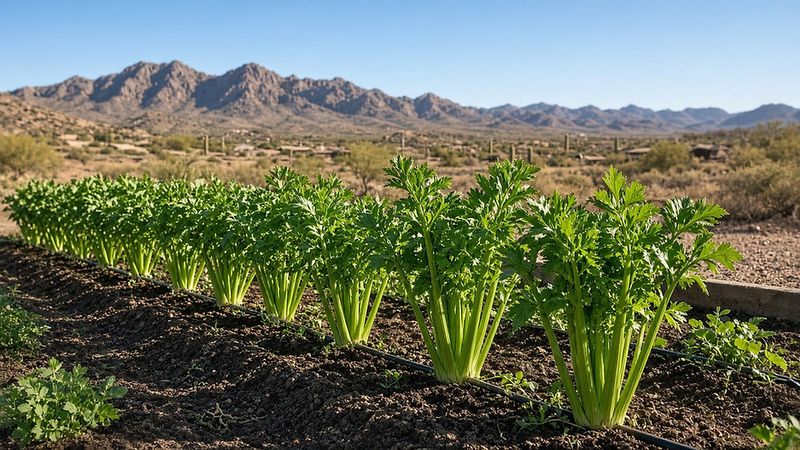
Texas is huge, and a garden in Brownsville is a very different place from one in Amarillo. That is why planting advice needs a location tag.
Texas A&M AgriLife Extension lists celery as a fall crop in its vegetable planting guide for the Lower Rio Grande Valley.
Notice the wording. That guidance applies to the Lower Rio Grande Valley, in the far south of the state.
It does not tell us that celery is a suitable fall or winter crop across all of Texas.
If you garden somewhere else, such as North Texas, the Panhandle, the Hill Country, or East Texas, check with your county Extension office before you buy transplants. Local agents know your frost patterns and soil, and they can tell you what works in your area.
This is also a good reminder that a garden can be a pleasant way to enjoy celery, but it is optional. Store-bought celery is available year-round, and nothing in the research says homegrown stalks do something special for your body.
Grow it if you enjoy the project. Buy it if that suits your schedule better.
Rinse celery and take allergy symptoms seriously
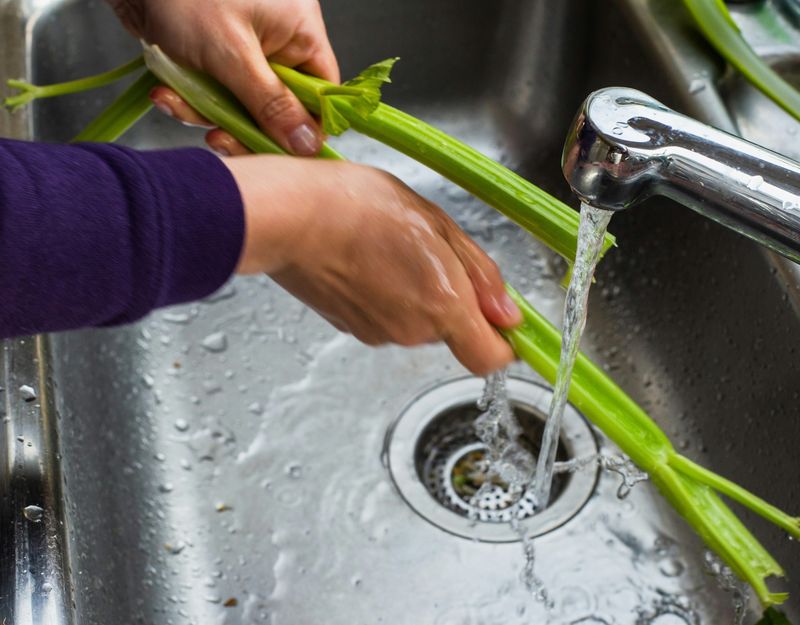
Before you snack, give your celery a good rinse. The FDA’s produce safety advice says to rinse fresh produce under running water before eating or cutting it.
Skip the soap, detergent, and commercial produce wash. The FDA advises against them.
Plain running water is the recommended method.
Washing helps, but it has limits. It can reduce contamination without necessarily eliminating it, so rinse thoroughly and keep your cutting boards and knives clean too.
Now for a separate safety point. Celery allergy is real and can cause serious reactions in some people, as Anaphylaxis UK explains in its celery allergy guidance.
That means celery is not suitable for everyone.
If you notice symptoms after eating celery, such as an itchy mouth, hives, swelling, or trouble breathing, stop eating it and seek qualified medical advice. Do not wait to see if it happens again, and do not try to push through it for the sake of a daily habit.
A simple routine covers both worries: rinse well, pay attention to how your body reacts, and get help from a clinician if something seems off.
Keep the daily habit in perspective
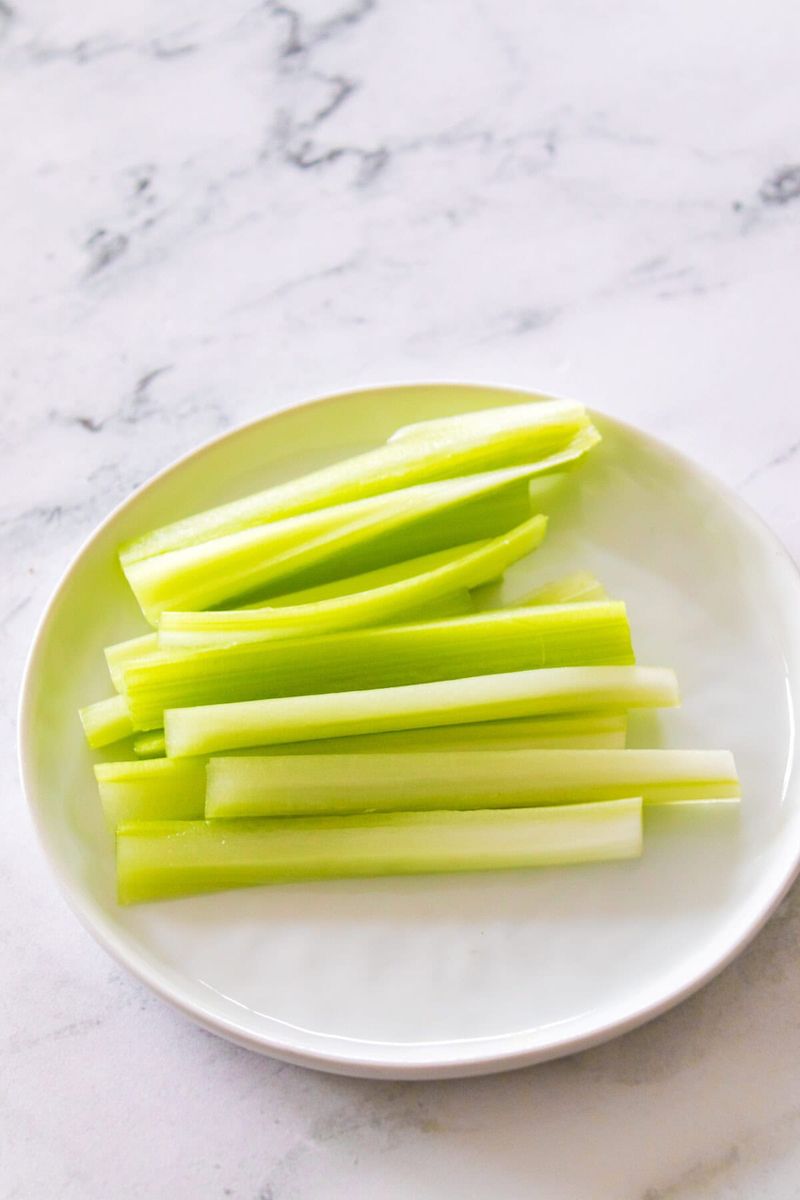
Celery brings crunch, water, and a modest amount of fiber to a meal, and USDA data back up that simple picture. The evidence does not establish a special effect from eating stalks every day, and no daily amount is required.
As the Tufts nutrition letter suggests, the overall pattern matters more than any single food.
Eat it when you like it, swap in other vegetables when you do not, and let variety do the work. A crisp stalk is a good snack, not a miracle.
Share this story